Used 2010 Toyota Camry for Sale Near Me
Describe what you’re looking for
BETA

Located in Paris, KY / 148 miles away from Columbus, OH
THIS IS A FRESH TRADE THAT HAS NOT AND WILL NOT BE SERVICED. SOLD COMPLETELY AS IS AS WAS TRADED. SOLD WITH ABSOLUTELY NO GUARANTEES AT ALL. THIS IS J...
Accident Free Vehicle: Yes
Personal Use Only: Yes
History Provider: AutoCheck
Title Details: Clean Title
Salvage Vehicle: No
Frame Damage: No
Theft History: No
Lemon Status: No
Free History Report: No
Features and Specs:
26 Combined MPG (22 City/32 Highway)
Listing Information:
VIN: 4T1BF3EK9AU508511
Stock: 15562B
Certified Pre-Owned: No
Listed since: 04-13-2024

Located in Buford, GA / 417 miles away from Columbus, OH
Pwr Tilt/Slide Moonroof Sun/Moonroof Deluxe AM/FM Stereo W/CD Player 16" X 6.5" Aluminum Wheels 5-Piece Carpeted Floor & Trunk Mat Set 50 State Emissi...
Accident Free Vehicle: Yes
Personal Use Only: Yes
History Provider: AutoCheck
Title Details: Clean Title
Salvage Vehicle: No
Frame Damage: No
Theft History: No
Lemon Status: No
Free History Report: No
Features and Specs:
26 Combined MPG (22 City/32 Highway)
Listing Information:
VIN: 4T4BF3EK3AR038899
Stock: AR038899
Certified Pre-Owned: No
Listed since: 03-13-2024

Located in Woodbridge, VA / 314 miles away from Columbus, OH
KEY FEATURES AND OPTIONS Comes equipped with: Air Conditioning, Sunroof, MP3, Bluetooth. This Toyota Camry also includes Power Driver's Seat, Clock, C...
Accident Free Vehicle: Yes
Personal Use Only: Yes
History Provider: AutoCheck
Title Details: Clean Title
Salvage Vehicle: No
Frame Damage: No
Theft History: No
Lemon Status: No
Free History Report: No
Features and Specs:
23 Combined MPG (19 City/28 Highway)
Listing Information:
VIN: 4T1BK3EK4AU116516
Stock: 138243
Certified Pre-Owned: No
Listed since: 02-19-2024
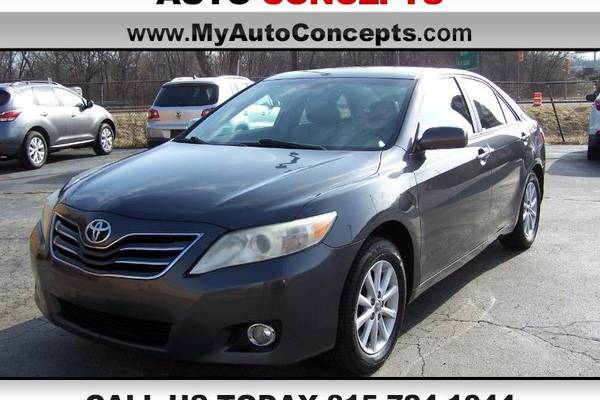
Located in Joliet, IL / 291 miles away from Columbus, OH
2010 Toyota Camry XLE 4-Door V6 Sedan****201K MILES - ONE OWNER - VERY CLEAN****. Exterior is magnetic gray metallic and the interior is gray leather ...
Accident Free Vehicle: Yes
Personal Use Only: Yes
History Provider: AutoCheck
Title Details: Clean Title
Salvage Vehicle: No
Frame Damage: No
Theft History: No
Lemon Status: No
Free History Report: No
Features and Specs:
23 Combined MPG (19 City/28 Highway)
Listing Information:
VIN: 4T1BK3EK1AU110723
Stock: 110723
Certified Pre-Owned: No
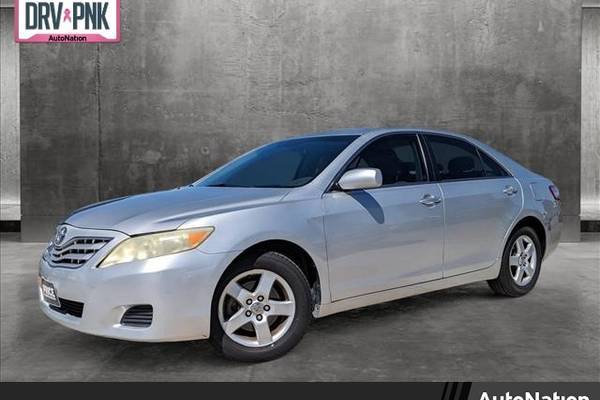
Located in Houston, TX / 1,012 miles away from Columbus, OH
50 State Emissions Ash; Fabric Seat Trim Classic Silver Metallic This vehicle includes a Money-Back Guarantee* and passed our precise inspection pro...
Accident Free Vehicle: Yes
Personal Use Only: Yes
History Provider: AutoCheck
Title Details: Clean Title
Salvage Vehicle: No
Frame Damage: No
Theft History: No
Lemon Status: No
Free History Report: No
Features and Specs:
26 Combined MPG (22 City/32 Highway)
Listing Information:
VIN: 4T1BF3EK1AU082586
Stock: AU082586
Certified Pre-Owned: No
Listed since: 04-02-2024

Located in Spotsylvania Courthouse, VA / 311 miles away from Columbus, OH
*** CARFAX ONE PREVIOUS OWNER w/CONSISTENT SERVICE RECORDS WELL MAINTAINED VEHICLE *** ABS Brakes AM/FM Stereo Air Conditioning Automatic Transmission...
Accident Free Vehicle: Yes
Personal Use Only: Yes
History Provider: AutoCheck
Title Details: Clean Title
Salvage Vehicle: No
Frame Damage: No
Theft History: No
Lemon Status: No
Free History Report: No
Features and Specs:
26 Combined MPG (22 City/32 Highway)
Listing Information:
VIN: 4T4BF3EK5AR015530
Stock: A4237
Certified Pre-Owned: No
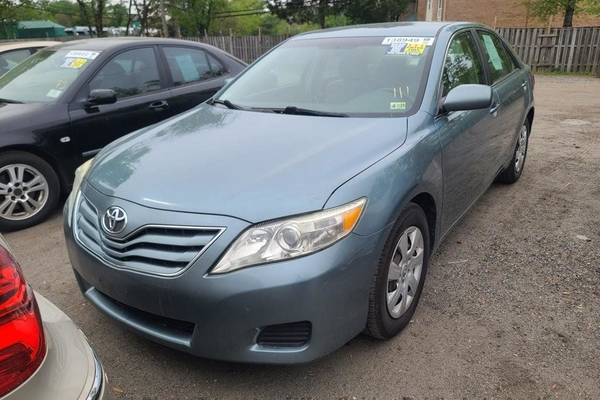
Located in Woodbridge, VA / 314 miles away from Columbus, OH
KEY FEATURES AND OPTIONS Comes equipped with: Air Conditioning, MP3. This Toyota Camry also includes Power Driver's Seat, Clock, Cruise Control, Power...
Accident Free Vehicle: No
Personal Use Only: No
History Provider: AutoCheck
Title Details: Clean Title
Salvage Vehicle: No
Frame Damage: No
Theft History: No
Lemon Status: No
Free History Report: No
Features and Specs:
26 Combined MPG (22 City/32 Highway)
Listing Information:
VIN: 4T4BF3EK6AR048696
Stock: 138949
Certified Pre-Owned: No
Listed since: 04-10-2024

Located in Peoria, IL / 360 miles away from Columbus, OH
Black 2010 Toyota Camry XLE Equipped with Navigation, Back Up Camera, Sunroof, Leather Seating, Heated Front Seats, AM/FM/Bluetooth Audio, Cruise Cont...
Accident Free Vehicle: Yes
Personal Use Only: Yes
History Provider: AutoCheck
Title Details: Clean Title
Salvage Vehicle: No
Frame Damage: No
Theft History: No
Lemon Status: No
Free History Report: No
Features and Specs:
26 Combined MPG (22 City/32 Highway)
Listing Information:
VIN: 4T4BF3EK8AR039983
Stock: 1039983
Certified Pre-Owned: No
Listed since: 03-22-2024

Located in Chantilly, VA / 297 miles away from Columbus, OH
CLEAN TITLE! 1-OWNER! SUPER CLEAN CAR! TRADE IN VEHICLE!VIRGINIA SAFETY INSPECTION AND EMISSION ARE PASSED! COMES WITH 3 MONTHS ENGINE AND TRANSMISSIO...
Accident Free Vehicle: Yes
Personal Use Only: Yes
History Provider: AutoCheck
Title Details: Clean Title
Salvage Vehicle: No
Frame Damage: No
Theft History: No
Lemon Status: No
Free History Report: No
Features and Specs:
26 Combined MPG (22 City/32 Highway)
Listing Information:
VIN: 4T1BF3EK4AU523854
Stock: 1286
Certified Pre-Owned: No
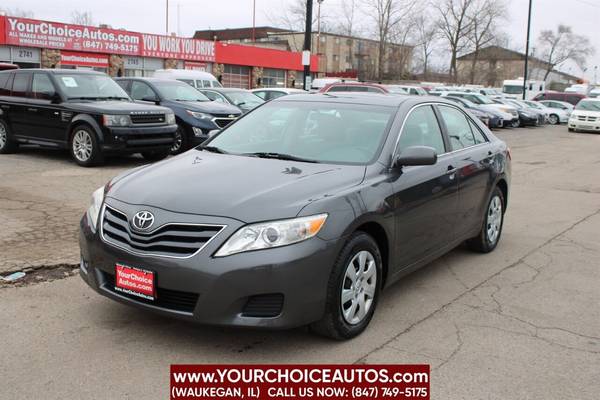
Located in Waukegan, IL / 305 miles away from Columbus, OH
1-OWNER LE SUNROOF KEYLESS ENTRY CD PLAYER ALLOY WHEEL GOOD TIRES 4-CYLINDER GAS SAVER 2.5L I4 LARGE VARIETY OF VEHICLES AT YOUR CHOICE AUTOS AT TRUE...
Accident Free Vehicle: No
Personal Use Only: Yes
History Provider: AutoCheck
Title Details: Clean Title
Salvage Vehicle: No
Frame Damage: No
Theft History: No
Lemon Status: No
Free History Report: No
Features and Specs:
26 Combined MPG (22 City/32 Highway)
Listing Information:
VIN: 4T4BF3EK5AR077235
Stock: WYC-077235
Certified Pre-Owned: No
Listed since: 01-03-2024

Located in Marietta, OH / 86 miles away from Columbus, OH
This Toyota Camry is such an easy ride! It has been regularly serviced and well maintained! You can stop in to see this vehicle anytime and know that ...
Accident Free Vehicle: No
Personal Use Only: Yes
History Provider: AutoCheck
Title Details: Clean Title
Salvage Vehicle: No
Frame Damage: No
Theft History: No
Lemon Status: No
Free History Report: No
Features and Specs:
26 Combined MPG (22 City/32 Highway)
Listing Information:
VIN: 4T1BF3EK9AU106858
Stock: U106858
Certified Pre-Owned: No
Listed since: 08-23-2023

Located in Minneapolis, MN / 630 miles away from Columbus, OH
GET INTO SOMETHING RELIABLE! This 2010 Camry is just getting started with 183k miles! Overall in good shape - runs and drives well, comes WITH a warra...
Accident Free Vehicle: No
Personal Use Only: No
History Provider: AutoCheck
Title Details: Clean Title
Salvage Vehicle: No
Frame Damage: No
Theft History: No
Lemon Status: No
Free History Report: No
Features and Specs:
26 Combined MPG (22 City/32 Highway)
Listing Information:
VIN: 4T1BF3EK1AU569674
Stock: CP-2134
Certified Pre-Owned: No
Listed since: 04-24-2024

Located in Fairfax, VA / 308 miles away from Columbus, OH
**ONE OWNER** 2010 TOYOTA CAMRY FRONT with powerful 3.5L DOHC VVT-I 24-VALVE V6 -INC DIRECT INJECTION engine and driven only 88508 miles! Fully loade...
Accident Free Vehicle: No
Personal Use Only: Yes
History Provider: AutoCheck
Title Details: Clean Title
Salvage Vehicle: No
Frame Damage: No
Theft History: No
Lemon Status: No
Free History Report: No
Features and Specs:
23 Combined MPG (19 City/28 Highway)
Listing Information:
VIN: 4T1BK3EK4AU102244
Stock: AP00822
Certified Pre-Owned: No

Located in West Bridgewater, MA / 632 miles away from Columbus, OH
FOR SALE: 2010 Toyota Camry SE Sedan 4D6 MONTHS WARRANTY INCLUDED*!MOONROOF!2010 Toyota Camry SE Sedan 4D is in Excellent condition inside and out, dr...
Accident Free Vehicle: No
Personal Use Only: Yes
History Provider: AutoCheck
Title Details: Clean Title
Salvage Vehicle: No
Frame Damage: No
Theft History: No
Lemon Status: No
Free History Report: No
Features and Specs:
26 Combined MPG (22 City/32 Highway)
Listing Information:
VIN: 4T1BF3EK5AU520381
Stock: 12-3142
Certified Pre-Owned: No
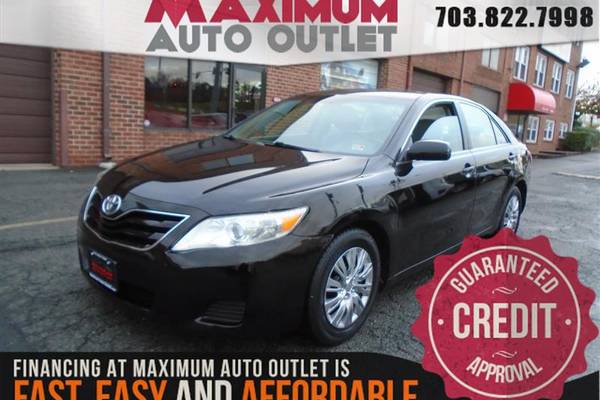
Located in Manassas, VA / 302 miles away from Columbus, OH
***AFFORDABLE AND ECONOMICAL SEDAN.................................2010 TOYOTA CAMRY LE WITH A BLACK EXTERIOR AND A LIGHT GRAY INTERIOR, AUTOMATIC TRA...
Accident Free Vehicle: Yes
Personal Use Only: Yes
History Provider: AutoCheck
Title Details: Clean Title
Salvage Vehicle: No
Frame Damage: No
Theft History: No
Lemon Status: No
Free History Report: No
Features and Specs:
26 Combined MPG (22 City/32 Highway)
Listing Information:
VIN: 4T1BF3EK3AU009011
Stock: AU009011
Certified Pre-Owned: No
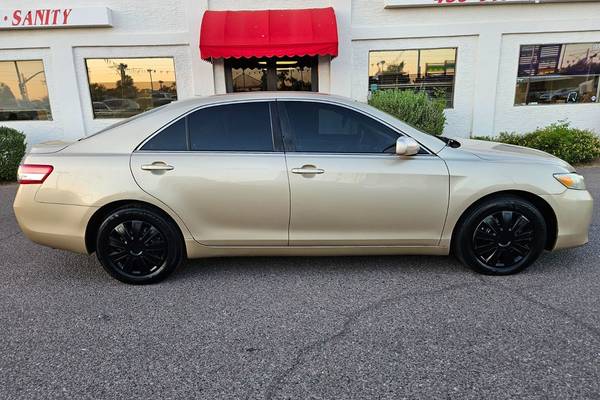
Located in Mesa, AZ / 1,658 miles away from Columbus, OH
Our 2010 Toyota Camry LE Sedan is shown in a stylish Sandy Beach Metallic. Powered by a 2.5 Liter 4 Cylinder that offers 169hp paired with a 6 Speed A...
Accident Free Vehicle: No
Personal Use Only: Yes
History Provider: AutoCheck
Title Details: Clean Title
Salvage Vehicle: No
Frame Damage: No
Theft History: No
Lemon Status: No
Free History Report: No
Features and Specs:
26 Combined MPG (22 City/32 Highway)
Listing Information:
VIN: 4T1BF3EK0AU039700
Stock: BB7508
Certified Pre-Owned: No
Listed since: 10-19-2023
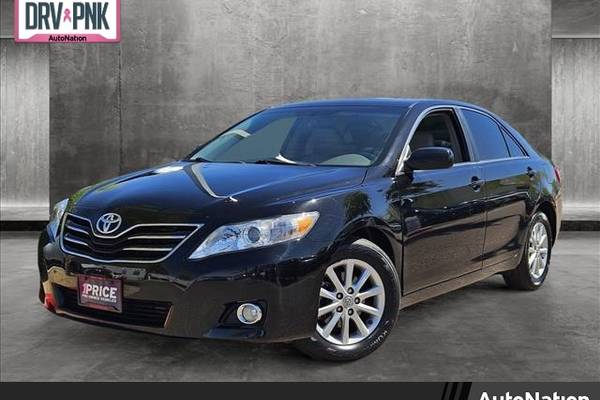
Located in Scottsdale, AZ / 1,658 miles away from Columbus, OH
The following items have been reconditioned on this vehicle: all new tires and new battery! Sun/Moonroof Leather Seats Driver & Front Passenger Hea...
Accident Free Vehicle: Yes
Personal Use Only: Yes
History Provider: AutoCheck
Title Details: Clean Title
Salvage Vehicle: No
Frame Damage: No
Theft History: No
Lemon Status: No
Free History Report: No
Features and Specs:
23 Combined MPG (19 City/28 Highway)
Listing Information:
VIN: 4T1BK3EK2AU100766
Stock: AU100766
Certified Pre-Owned: No
Listed since: 03-20-2024

Located in Stroudsburg, PA / 407 miles away from Columbus, OH
Here at Venture Poconos we are a family run dealership. Keeping your best interest in mind and treating your family as ours. All of our vehicles are r...
Accident Free Vehicle: No
Personal Use Only: Yes
History Provider: AutoCheck
Title Details: Clean Title
Salvage Vehicle: No
Frame Damage: No
Theft History: No
Lemon Status: No
Free History Report: No
Features and Specs:
26 Combined MPG (22 City/32 Highway)
Listing Information:
VIN: 4T1BF3EK9AU547227
Stock: 547227
Certified Pre-Owned: No
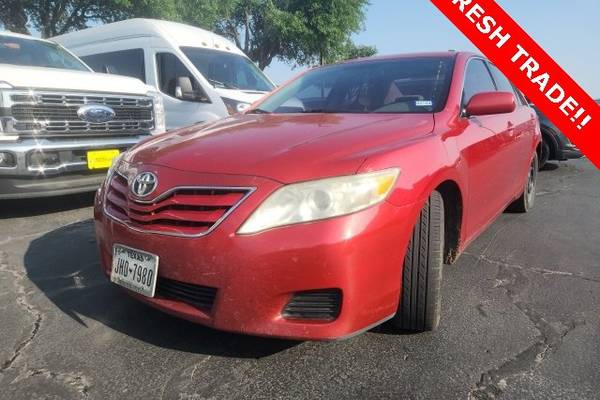
Located in Georgetown, TX / 1,059 miles away from Columbus, OH
Clean CARFAX. ABS brakes, Electronic Stability Control, Illuminated entry, Low tire pressure warning, Remote keyless entry, Traction control.CALL 512-...
Accident Free Vehicle: Yes
Personal Use Only: Yes
History Provider: AutoCheck
Title Details: Clean Title
Salvage Vehicle: No
Frame Damage: No
Theft History: No
Lemon Status: No
Free History Report: No
Features and Specs:
26 Combined MPG (22 City/32 Highway)
Listing Information:
VIN: 4T4BF3EK2AR036027
Stock: 231807C
Certified Pre-Owned: No
Listed since: 04-19-2024

Located in Oklahoma City, OK / 860 miles away from Columbus, OH
At Carvana, we go miles beyond the extra mile. That's why we provide you with a convenient, fast, and hassle-free car buying experience that puts you ...
Accident Free Vehicle: Yes
Personal Use Only: Yes
History Provider: AutoCheck
Title Details: Clean Title
Salvage Vehicle: No
Frame Damage: No
Theft History: No
Lemon Status: No
Free History Report: No
Features and Specs:
26 Combined MPG (22 City/32 Highway)
Listing Information:
VIN: 4T4BF3EK4AR029905
Stock: 2002811108
Certified Pre-Owned: No
Listed since: 04-25-2024

Located in Phoenix, AZ / 1,668 miles away from Columbus, OH
At Carvana, we go miles beyond the extra mile. That's why we provide you with a convenient, fast, and hassle-free car buying experience that puts you ...
Accident Free Vehicle: Yes
Personal Use Only: Yes
History Provider: AutoCheck
Title Details: Clean Title
Salvage Vehicle: No
Frame Damage: No
Theft History: No
Lemon Status: No
Free History Report: No
Features and Specs:
26 Combined MPG (22 City/32 Highway)
Listing Information:
VIN: 4T1BF3EK7AU008363
Stock: 2002860721
Certified Pre-Owned: No
Listed since: 05-01-2024
* Delivery of any kind does not apply to Alaska and Hawaii. Contact the dealer for delivery details, restrictions and costs.