Used Lotus for Sale Near Me
Describe what you’re looking for
BETA
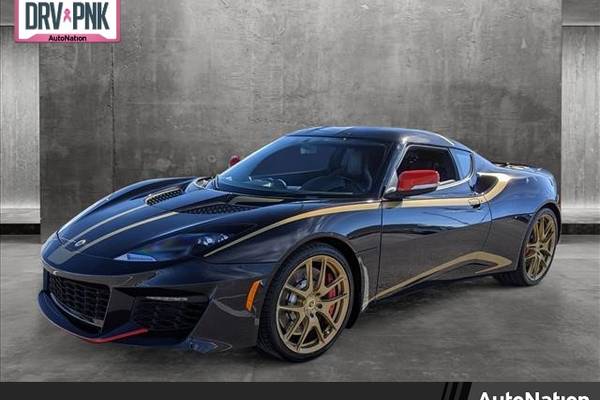
Located in Plano, TX / 911 miles away from Columbus, OH
Metallic Black Leather Seats Navigation System Keyless Start Rear Spoiler Black; Leather Seat Trim AutoNation USA Austin is honored to present a won...
Accident Free Vehicle: Yes
Personal Use Only: Yes
History Provider: AutoCheck
Title Details: Clean Title
Salvage Vehicle: No
Frame Damage: No
Theft History: No
Lemon Status: No
Free History Report: No
Features and Specs:
19 Combined MPG (16 City/24 Highway)
Listing Information:
VIN: SCCLMDVN5HHA20059
Stock: HHA20059
Certified Pre-Owned: No
Listed since: 03-18-2024

Located in Scottsdale, AZ / 1,658 miles away from Columbus, OH
2014 Lotus Evora S in Ardent Red! Very clean and well maintained Evora, clean Carfax, no accidents, extremely low mileage. This vehicle comes equipped...
Accident Free Vehicle: Yes
Personal Use Only: Yes
History Provider: AutoCheck
Title Details: Clean Title
Salvage Vehicle: No
Frame Damage: No
Theft History: No
Lemon Status: No
Free History Report: No
Features and Specs:
20 Combined MPG (17 City/26 Highway)
Listing Information:
VIN: SCCLMDSU0EHA10188
Stock: AB444
Certified Pre-Owned: No
Listed since: 05-07-2024
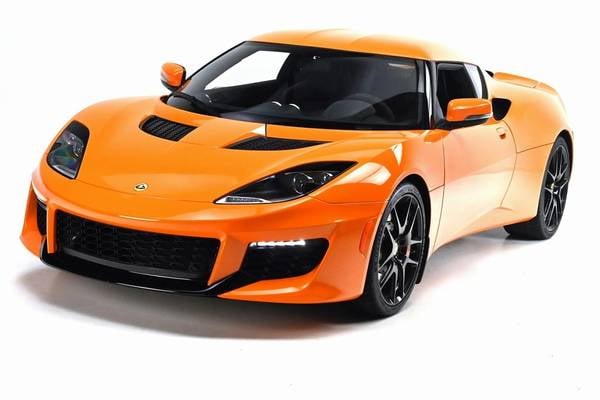
Located in Chesterfield, MO / 425 miles away from Columbus, OH
2018 Lotus Evora Orange 400 6-Speed Manual finished in Exige Orange over Black leather and Alcantara with White Stitching. Sold new by us, and servic...
Accident Free Vehicle: Yes
Personal Use Only: Yes
History Provider: AutoCheck
Title Details: Clean Title
Salvage Vehicle: No
Frame Damage: No
Theft History: No
Lemon Status: No
Free History Report: No
Features and Specs:
Listing Information:
VIN: SCCLMDVD2JHA11073
Stock: JHA11073
Certified Pre-Owned: No
Listed since: 03-20-2024

Located in Metairie, LA / 807 miles away from Columbus, OH
The Lotus Evora is renowned for its exceptional driving dynamics and thrilling performance. With a lightweight chassis, balanced handling, and a power...
Accident Free Vehicle: No
Personal Use Only: Yes
History Provider: AutoCheck
Title Details: Clean Title
Salvage Vehicle: No
Frame Damage: No
Theft History: No
Lemon Status: No
Free History Report: No
Features and Specs:
21 Combined MPG (18 City/26 Highway)
Listing Information:
VIN: SCCLMDTU9BHA11107
Stock: A11107a
Certified Pre-Owned: No
Listed since: 04-09-2024

Located in Van Nuys, CA / 1,989 miles away from Columbus, OH
****Elevate Your Driving Experience with the 2021 Lotus Evora GT ****Unleash the thrill of pure performance with the 2021 Lotus Evora GT, now availabl...
Accident Free Vehicle: Yes
Personal Use Only: Yes
History Provider: AutoCheck
Title Details: Clean Title
Salvage Vehicle: No
Frame Damage: No
Theft History: No
Lemon Status: No
Free History Report: No
Features and Specs:
20 Combined MPG (17 City/26 Highway)
Listing Information:
VIN: SCCLMDDN8MHA20942
Stock: LRP41071
Certified Pre-Owned: No
Listed since: 04-11-2024
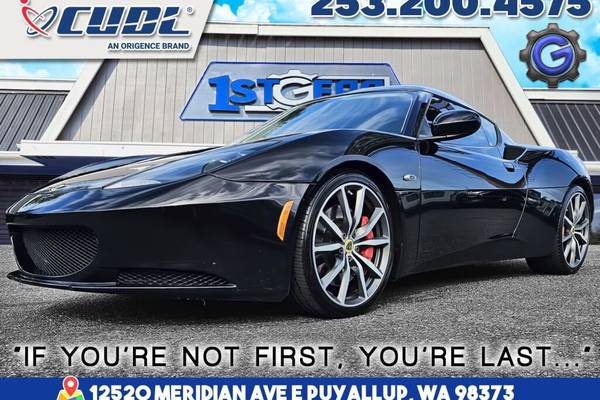
Located in Puyallup, WA / 2,011 miles away from Columbus, OH
The 2014 Lotus Evora S embodies the essence of British sports car heritage with its sleek design and exhilarating performance. Powered by a supercharg...
Accident Free Vehicle: Yes
Personal Use Only: Yes
History Provider: AutoCheck
Title Details: Clean Title
Salvage Vehicle: No
Frame Damage: No
Theft History: No
Lemon Status: No
Free History Report: No
Features and Specs:
20 Combined MPG (17 City/26 Highway)
Listing Information:
VIN: SCCLMDSU8EHA10293
Stock: 400
Certified Pre-Owned: No
Listed since: 04-11-2024
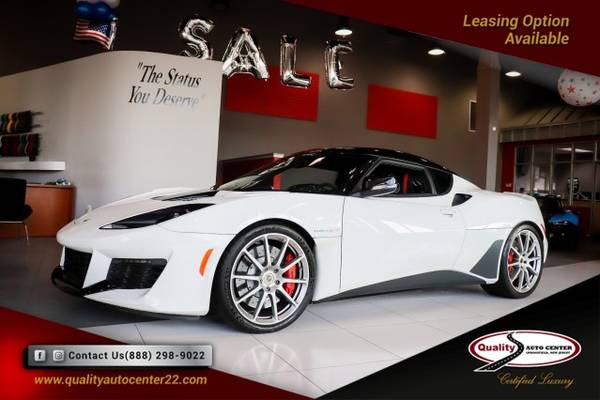
Located in Springfield, NJ / 451 miles away from Columbus, OH
*Advertised Prices are Leasing Specials. Contact the Dealership for more details. Looking for a clean, well-cared for 2020 Lotus Evora GT? This is it....
Accident Free Vehicle: Yes
Personal Use Only: Yes
History Provider: AutoCheck
Title Details: Clean Title
Salvage Vehicle: No
Frame Damage: No
Theft History: No
Lemon Status: No
Free History Report: No
Features and Specs:
20 Combined MPG (17 City/26 Highway)
Listing Information:
VIN: SCCLMDDN5LHA20900
Stock: L13145
Certified Pre-Owned: No
Listed since: 08-12-2023
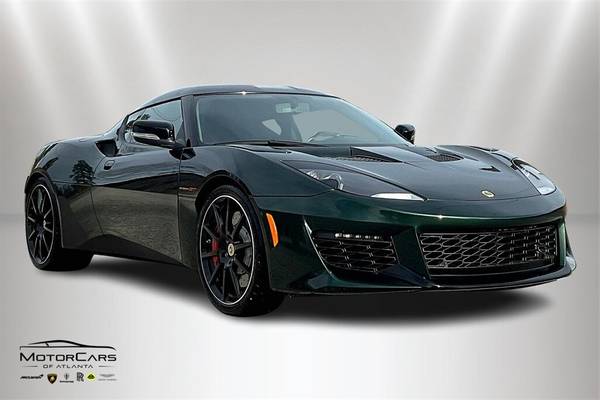
Located in Atlanta, GA / 428 miles away from Columbus, OH
2021 Lotus Evora ...One Owner!!* Black Interior Color Pack* Black Leather Steering Wheel* Carbon Fiber Rear Bumper* Carbon Fiber Interior Sill Trims* ...
Accident Free Vehicle: Yes
Personal Use Only: Yes
History Provider: AutoCheck
Title Details: Clean Title
Salvage Vehicle: No
Frame Damage: No
Theft History: No
Lemon Status: No
Free History Report: No
Features and Specs:
20 Combined MPG (17 City/26 Highway)
Listing Information:
VIN: SCCLMDDN4MHA20095
Stock: MOAU13297
Certified Pre-Owned: No
Listed since: 03-24-2023

Located in New Prague, MN / 628 miles away from Columbus, OH
* We price cars, not people. Everyone qualifies for the Unconditional Retail Price, regardless of other vehicles owned/leased in household, or whether...
Accident Free Vehicle: Yes
Personal Use Only: Yes
History Provider: AutoCheck
Title Details: Clean Title
Salvage Vehicle: No
Frame Damage: No
Theft History: No
Lemon Status: No
Free History Report: No
Features and Specs:
22 Combined MPG (20 City/25 Highway)
Listing Information:
VIN: SCCPC11165HL30493
Stock: NC407001A
Certified Pre-Owned: No
Listed since: 03-05-2024
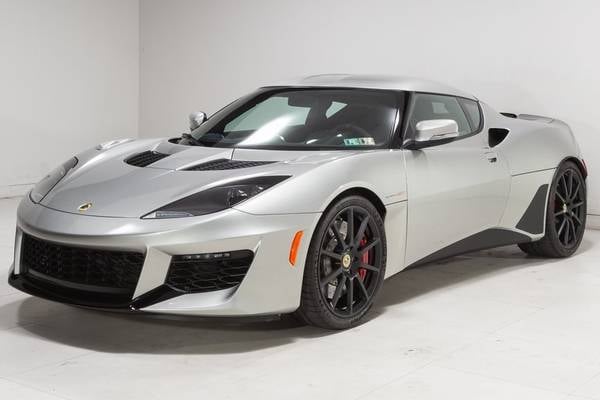
Located in Newtown Square, PA / 393 miles away from Columbus, OH
Clean Carfax One Owner! Low Miles! You are looking at a 2021 Lotus Evora GT. It is a non-smokers vehicle with 2,519 miles. The options include Red bra...
Accident Free Vehicle: Yes
Personal Use Only: Yes
History Provider: AutoCheck
Title Details: Clean Title
Salvage Vehicle: No
Frame Damage: No
Theft History: No
Lemon Status: No
Free History Report: No
Features and Specs:
20 Combined MPG (17 City/26 Highway)
Listing Information:
VIN: SCCLMDDN0MHA20272
Stock: MHA20272
Certified Pre-Owned: No
Listed since: 10-14-2023
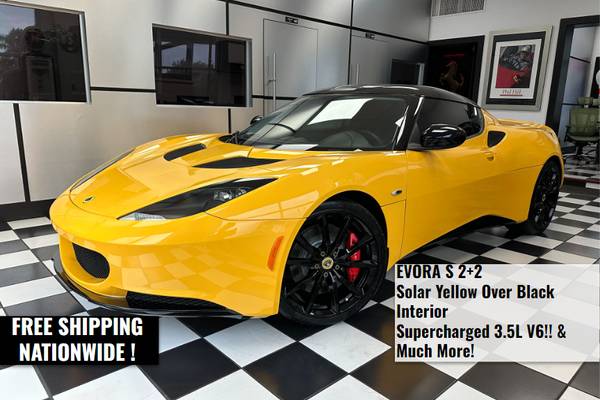
Located in Lighthouse Point, FL / 965 miles away from Columbus, OH
Sienna Motors is thrilled to offer you this Solar Yellow 2014 Lotus Evora S 2+2 Factory Supercharged for sale! The Evora marks a turning point for the...
Accident Free Vehicle: Yes
Personal Use Only: Yes
History Provider: AutoCheck
Title Details: Clean Title
Salvage Vehicle: No
Frame Damage: No
Theft History: No
Lemon Status: No
Free History Report: No
Features and Specs:
20 Combined MPG (17 City/26 Highway)
Listing Information:
VIN: SCCLMDSU6EHA10664
Stock: A10664
Certified Pre-Owned: No
Listed since: 04-20-2023
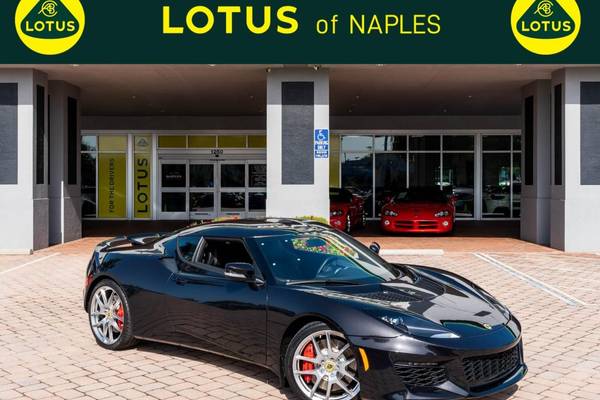
Located in Naples, FL / 963 miles away from Columbus, OH
Premium options Images Finance Contact Get ready to experience the thrill of a lifetime with the 2017 Lotus Evora 400, available for sale at Naples M...
Accident Free Vehicle: Yes
Personal Use Only: Yes
History Provider: AutoCheck
Title Details: Clean Title
Salvage Vehicle: No
Frame Damage: No
Theft History: No
Lemon Status: No
Free History Report: No
Features and Specs:
19 Combined MPG (16 City/24 Highway)
Listing Information:
VIN: SCCLMDVN6HHA20068
Stock: 22-A20068
Certified Pre-Owned: No
Listed since: 07-05-2022

Located in Lehi, UT / 1,524 miles away from Columbus, OH
Clean Carfax! Yellow 2020 Lotus Evora RWD! **6-Speed Manual** 3.5L V6 DOHC 24V 4 Speakers, 4-Wheel Disc Brakes, ABS brakes, Air Conditioning, Alcantar...
Accident Free Vehicle: Yes
Personal Use Only: Yes
History Provider: AutoCheck
Title Details: Clean Title
Salvage Vehicle: No
Frame Damage: No
Theft History: No
Lemon Status: No
Free History Report: No
Features and Specs:
20 Combined MPG (17 City/26 Highway)
Listing Information:
VIN: SCCLMDDN6LHA10599
Stock: 2AU3309
Certified Pre-Owned: No
Listed since: 02-09-2024

Located in Nashville, TN / 349 miles away from Columbus, OH
Vehicle Overview S/2+2/SuperCharged/PowerSeats/KeylessEntry/RecaroSportSeats SportLthrSteeringWheel/LED Lights/SportTunedSuspension/4WheelABS
AutoCheck Vehicle History Summary Unavailable.
Features and Specs:
20 Combined MPG (17 City/26 Highway)
Listing Information:
VIN: SCCLMDSUXEHA10327
Stock: A10327
Certified Pre-Owned: No
Listed since: 04-29-2023

Located in Dublin, OH / 15 miles away from Columbus, OH
Passionate enthusiasts wanted for this dominant and agile 2021 Lotus Evora GT . Wing Spoiler, Wheels: 19" Front & 20" Rear Satin Black Forged, Trunk R...
Accident Free Vehicle: Yes
Personal Use Only: Yes
History Provider: AutoCheck
Title Details: Clean Title
Salvage Vehicle: No
Frame Damage: No
Theft History: No
Lemon Status: No
Free History Report: No
Features and Specs:
20 Combined MPG (17 City/26 Highway)
Listing Information:
VIN: SCCLMDDNXMHA10378
Stock: 28535
Certified Pre-Owned: No
Listed since: 04-12-2024

Located in Dublin, OH / 15 miles away from Columbus, OH
This Lotus Evora GT has a powerful Intercooled Supercharger Premium Unleaded V-6 3.5 L/211 engine powering it's polished transmission. Wing Spoiler, W...
Accident Free Vehicle: No
Personal Use Only: Yes
History Provider: AutoCheck
Title Details: Clean Title
Salvage Vehicle: No
Frame Damage: No
Theft History: No
Lemon Status: No
Free History Report: No
Features and Specs:
20 Combined MPG (17 City/26 Highway)
Listing Information:
VIN: SCCLMDDN2MHA20287
Stock: 28532
Certified Pre-Owned: No
Listed since: 04-12-2024
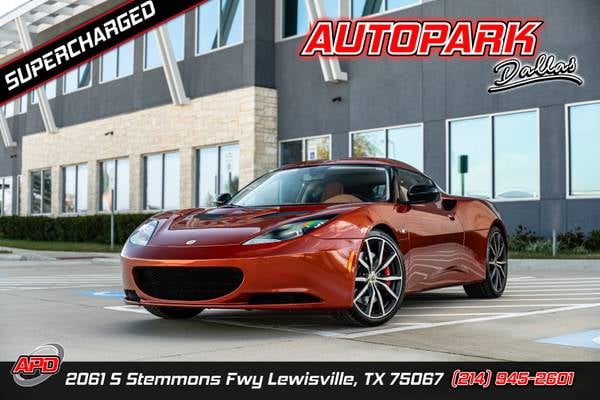
Located in Lewisville, TX / 921 miles away from Columbus, OH
AutoPark Dallas is thrilled to offer you this British Exotic Autumn Bronze 2014 Lotus Evora S 2+2 Factory Supercharged for sale! The Evora marks a tur...
Accident Free Vehicle: Yes
Personal Use Only: Yes
History Provider: AutoCheck
Title Details: Clean Title
Salvage Vehicle: No
Frame Damage: No
Theft History: No
Lemon Status: No
Free History Report: No
Features and Specs:
20 Combined MPG (17 City/26 Highway)
Listing Information:
VIN: SCCLMDSU4EHA10159
Stock: 1650
Certified Pre-Owned: No
Listed since: 11-11-2023

Located in New Brunswick, NJ / 442 miles away from Columbus, OH
2017 Lotus Evora Solid Yellow4 Speakers Air Conditioning Exterior Parking Camera Rear Front Bucket Seats Heated door mirrors Heated front seats High i...
Accident Free Vehicle: Yes
Personal Use Only: No
History Provider: AutoCheck
Title Details: Clean Title
Salvage Vehicle: No
Frame Damage: No
Theft History: No
Lemon Status: No
Free History Report: No
Features and Specs:
19 Combined MPG (16 City/24 Highway)
Listing Information:
VIN: SCCLMDVN7HHA10746
Stock: HHA10746
Certified Pre-Owned: No
Listed since: 07-31-2023
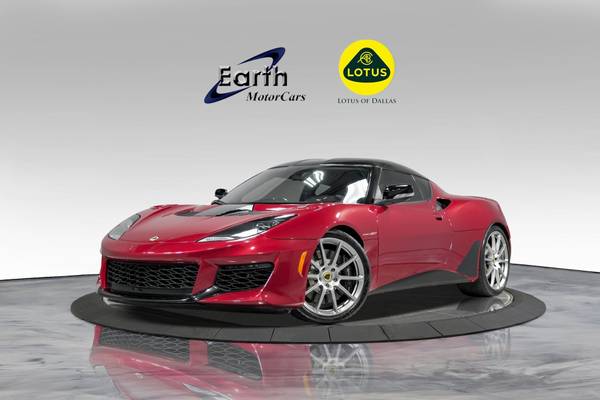
Located in Carrollton, TX / 916 miles away from Columbus, OH
Dealer Earth MotorCars is Proud to offer this amazing: 2020 Lotus Evora GT Navigation Black Pack Touch Screen Info System Clean CARFAX. CLEAN AUTOCHE...
Accident Free Vehicle: Yes
Personal Use Only: Yes
History Provider: AutoCheck
Title Details: Clean Title
Salvage Vehicle: No
Frame Damage: No
Theft History: No
Lemon Status: No
Free History Report: No
Features and Specs:
20 Combined MPG (17 City/26 Highway)
Listing Information:
VIN: SCCLMDDN5LHA20914
Stock: LUA20914
Certified Pre-Owned: No
Listed since: 11-08-2023
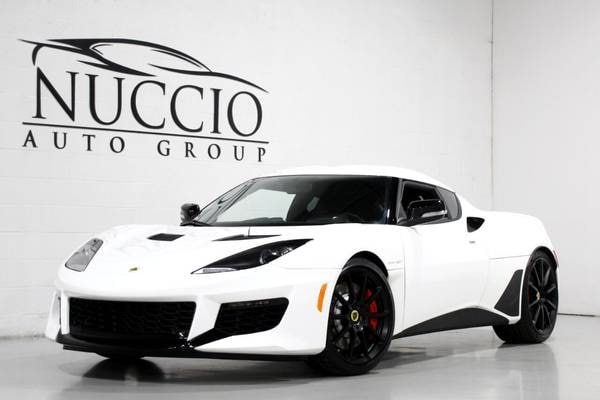
Located in Addison, IL / 298 miles away from Columbus, OH
2020 LOTUS EVORA GT REAR WHEEL DRIVEONE OWNER! NAVIGATION! BACK-UP CAMERA! HEATED SEATS! We just added this FANTASTIC LOOKING Evora GT to our inventor...
Accident Free Vehicle: Yes
Personal Use Only: Yes
History Provider: AutoCheck
Title Details: Clean Title
Salvage Vehicle: No
Frame Damage: No
Theft History: No
Lemon Status: No
Free History Report: No
Features and Specs:
20 Combined MPG (17 City/26 Highway)
Listing Information:
VIN: SCCLMDDN2LHA21292
Stock: C506
Certified Pre-Owned: No
Listed since: 03-22-2024
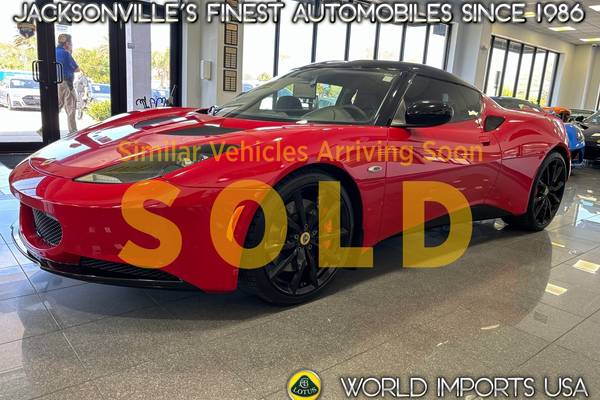
Located in Jacksonville, FL / 678 miles away from Columbus, OH
World Imports USA / Lotus of Jacksonville. Since 1986 we have sold thousands of cars both local and worldwide. Our friendly, no-pressure sales approac...
Accident Free Vehicle: No
Personal Use Only: Yes
History Provider: AutoCheck
Title Details: Clean Title
Salvage Vehicle: No
Frame Damage: No
Theft History: No
Lemon Status: No
Free History Report: No
Features and Specs:
20 Combined MPG (17 City/26 Highway)
Listing Information:
VIN: SCCLMDSU6EHA10051
Stock: 13997
Certified Pre-Owned: No
Listed since: 03-23-2024