Used 2005 Volkswagen Jetta for Sale Near Me
Describe what you’re looking for
BETA
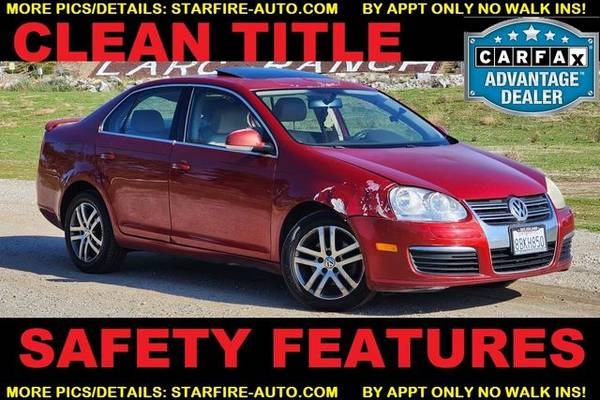
Located in Santa Clarita, CA / 1,982 miles away from Columbus, OH
PLEASE READ THIS SECTION! - LOOK AT THE PICS FOR THE COSMETIC ISSUES, THERE ARE PLENTY - IT RUNS AND DRIVES FINE AT THIS TIME - NICELY LOADED W/ SU...
Accident Free Vehicle: No
Personal Use Only: No
History Provider: AutoCheck
Title Details: Clean Title
Salvage Vehicle: No
Frame Damage: No
Theft History: No
Lemon Status: No
Free History Report: No
Features and Specs:
22 Combined MPG (19 City/28 Highway)
Listing Information:
VIN: 3VWSF71K36M803226
Stock: BL1282761V
Certified Pre-Owned: No

Located in Santa Clarita, CA / 1,982 miles away from Columbus, OH
PLEASE READ THIS SECTION! - THIS IS NOT A REGULAR JETTA - THIS IS A 5 SPEED MANUAL WITH THE VR6 - IT IS STUPID HARD TO FIND, SUPER RARE - WHY SO C...
Accident Free Vehicle: Yes
Personal Use Only: Yes
History Provider: AutoCheck
Title Details: Clean Title
Salvage Vehicle: No
Frame Damage: No
Theft History: No
Lemon Status: No
Free History Report: No
Features and Specs:
22 Combined MPG (19 City/27 Highway)
Listing Information:
VIN: 3VWVH69M94M114571
Stock: AL81128P9V
Certified Pre-Owned: No
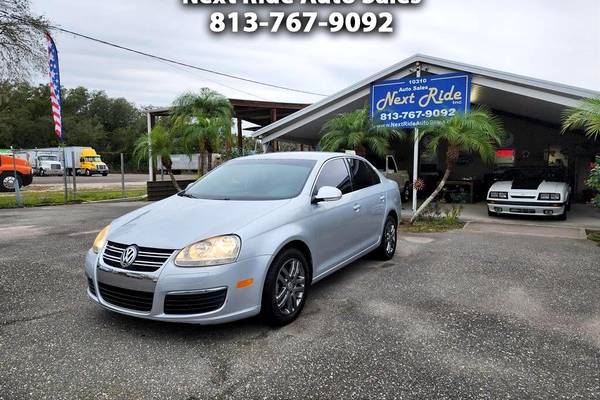
Located in Tampa, FL / 833 miles away from Columbus, OH
GETS 42 MPG!! CLEAN 1 OWNER NO ACCIDENT NO SMOKER 2006 VW JETTA TDI, SILVER WITH BLACK LEATHER, 1.9L WITH 5 SPEED ONLY 137,379 MILES! 1 KEY REMOTE, O...
Accident Free Vehicle: Yes
Personal Use Only: Yes
History Provider: AutoCheck
Title Details: Clean Title
Salvage Vehicle: No
Frame Damage: No
Theft History: No
Lemon Status: No
Free History Report: No
Features and Specs:
33 Combined MPG (30 City/37 Highway)
Listing Information:
VIN: 3VWRT71K16M753725
Stock: 121922
Certified Pre-Owned: No

Located in Lynnwood, WA / 2,012 miles away from Columbus, OH
**25,000 ORIGINAL MILES, 6 SPEED MANUAL, RECARO SEATS*** FOLLOW US ON INSTAGRAM @QUALITYAUTOSEATTLE. VIDEO WALKAROUND AVAILABLE ON OUR WEBSITE: htt...
Accident Free Vehicle: Yes
Personal Use Only: Yes
History Provider: AutoCheck
Title Details: Clean Title
Salvage Vehicle: No
Frame Damage: No
Theft History: No
Lemon Status: No
Free History Report: No
Features and Specs:
22 Combined MPG (19 City/27 Highway)
Listing Information:
VIN: 3VWSE69M94M094897
Stock: 094897
Certified Pre-Owned: No

Located in Cincinnati, OH / 100 miles away from Columbus, OH
***2006 VW JETTA***TDI***138,XXX MILES ON DASH***** ****TRUE MILEAGE UNKNOWN **leather, seats, cruise control, Diesel fuel, and a very comforta...
Accident Free Vehicle: Yes
Personal Use Only: Yes
History Provider: AutoCheck
Title Details: Title issue reported
Salvage Vehicle: No
Frame Damage: No
Theft History: No
Lemon Status: No
Free History Report: No
Features and Specs:
33 Combined MPG (30 City/38 Highway)
Listing Information:
VIN: 3VWDT71K16M043573
Stock: 043573
Certified Pre-Owned: No
Listed since: 09-15-2023
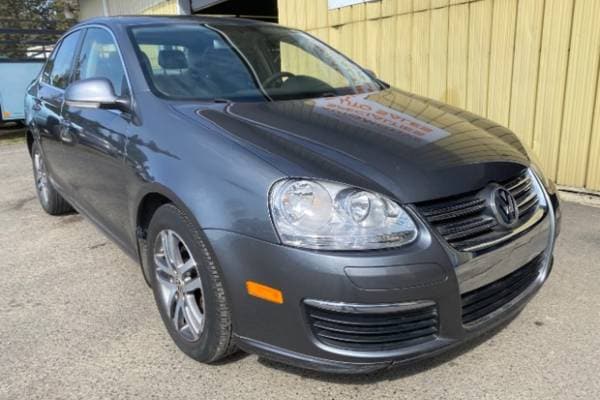
Located in Spokane, WA / 1,784 miles away from Columbus, OH
Automotive Specialties has a wide selection of exceptional pre-owned vehicles to choose from, including this 2006 Volkswagen Jetta Sedan. If you are l...
Accident Free Vehicle: No
Personal Use Only: Yes
History Provider: AutoCheck
Title Details: Clean Title
Salvage Vehicle: No
Frame Damage: No
Theft History: No
Lemon Status: No
Free History Report: No
Features and Specs:
33 Combined MPG (30 City/37 Highway)
Listing Information:
VIN: 3VWST71K96M750766
Stock: P6M750766
Certified Pre-Owned: No
Listed since: 01-11-2023

Located in Thousand Oaks, CA / 2,013 miles away from Columbus, OH
We're located at:1282 Newbury Rd, Newbury Park CA 91320,off the 101 Freeway Exit VentuGreat deal on this one!!Car shopping? We are the number one auto...
Accident Free Vehicle: No
Personal Use Only: Yes
History Provider: AutoCheck
Title Details: Clean Title
Salvage Vehicle: No
Frame Damage: No
Theft History: No
Lemon Status: No
Free History Report: No
Features and Specs:
24 Combined MPG (21 City/28 Highway)
Listing Information:
VIN: 3VWRA69M64M086315
Stock: 772
Certified Pre-Owned: No
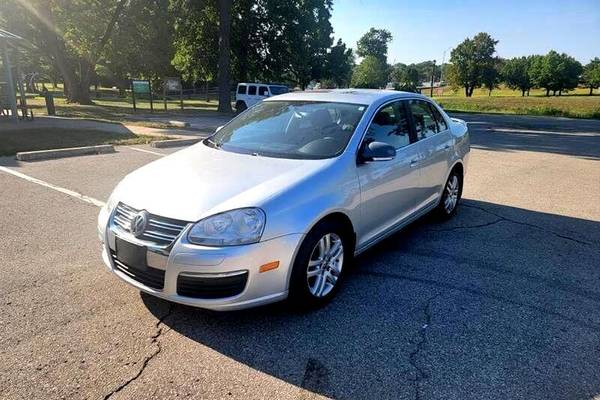
Located in Merriam, KS / 635 miles away from Columbus, OH
This vehicle has been Inspected and serviced and ready to go, come experience the Allen Automotive difference. Call or Text Brad at 913-638-3858**WE F...
Accident Free Vehicle: No
Personal Use Only: Yes
History Provider: AutoCheck
Title Details: Clean Title
Salvage Vehicle: No
Frame Damage: No
Theft History: No
Lemon Status: No
Free History Report: No
Features and Specs:
22 Combined MPG (19 City/28 Highway)
Listing Information:
VIN: 3VWEF71K07M079350
Stock: AA2833
Certified Pre-Owned: No
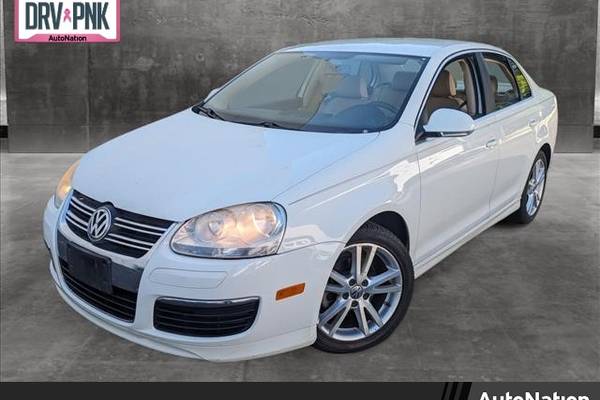
Located in Hardeeville, SC / 544 miles away from Columbus, OH
Leather Seats Partial Leather Seat Trim Solid Paint AutoNation USA Hilton Head has a wide selection of exceptional pre-owned vehicles to choose from...
Accident Free Vehicle: Yes
Personal Use Only: Yes
History Provider: AutoCheck
Title Details: Clean Title
Salvage Vehicle: No
Frame Damage: No
Theft History: No
Lemon Status: No
Free History Report: No
Features and Specs:
22 Combined MPG (19 City/28 Highway)
Listing Information:
VIN: 3VWRF71K17M144935
Stock: 7M144935
Certified Pre-Owned: No
Listed since: 04-12-2024
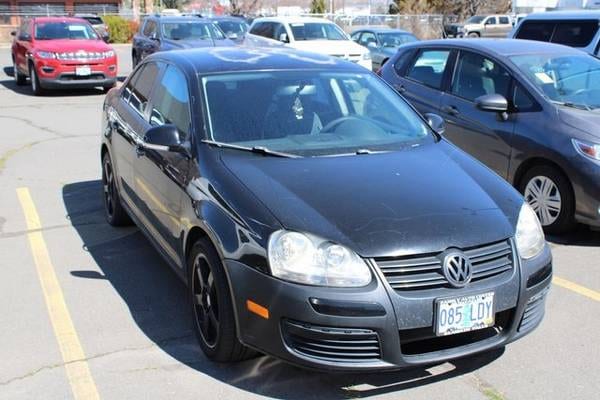
Located in Klamath Falls, OR / 2,013 miles away from Columbus, OH
Clean CARFAX. 2.5L I5 SMPI DOHC, Cloth. 22/30 City/Highway MPG FWD Trust Klamath Falls Subaru For Great Cars and Great Service In Klamath Falls, OR. ...
Accident Free Vehicle: Yes
Personal Use Only: No
History Provider: AutoCheck
Title Details: Clean Title
Salvage Vehicle: No
Frame Damage: No
Theft History: No
Lemon Status: No
Free History Report: No
Features and Specs:
22 Combined MPG (19 City/28 Highway)
Listing Information:
VIN: 3VWPG71K17M089357
Stock: T089357
Certified Pre-Owned: No
Listed since: 03-23-2024

Located in Westlake Village, CA / 2,009 miles away from Columbus, OH
Heated Seats, Brake Actuated Limited Slip Differential, Multi-CD Changer, Premium Sound System, Dual Zone A/C. KEY FEATURES INCLUDE Heated Driver Se...
Accident Free Vehicle: Yes
Personal Use Only: Yes
History Provider: AutoCheck
Title Details: Clean Title
Salvage Vehicle: No
Frame Damage: No
Theft History: No
Lemon Status: No
Free History Report: No
Features and Specs:
22 Combined MPG (19 City/28 Highway)
Listing Information:
VIN: 3VWSG71K85M603566
Stock: M603566T
Certified Pre-Owned: No
Listed since: 03-28-2024
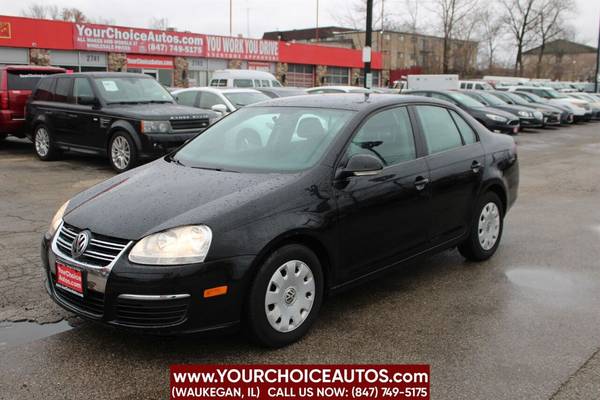
Located in Waukegan, IL / 305 miles away from Columbus, OH
ACTUAL LOW MILES 55K CD PLAYER KEYLESS ENTRY GOOD TIRES 2.5L I5 LARGE VARIETY OF VEHICLES AT YOUR CHOICE AUTOS AT TRUE AFFORDABLE PRICES. CHECK OU...
Accident Free Vehicle: No
Personal Use Only: Yes
History Provider: AutoCheck
Title Details: Clean Title
Salvage Vehicle: No
Frame Damage: No
Theft History: No
Lemon Status: No
Free History Report: No
Features and Specs:
22 Combined MPG (19 City/28 Highway)
Listing Information:
VIN: 3VWGF71KX7M053251
Stock: WYC-053251
Certified Pre-Owned: No
Listed since: 12-02-2023
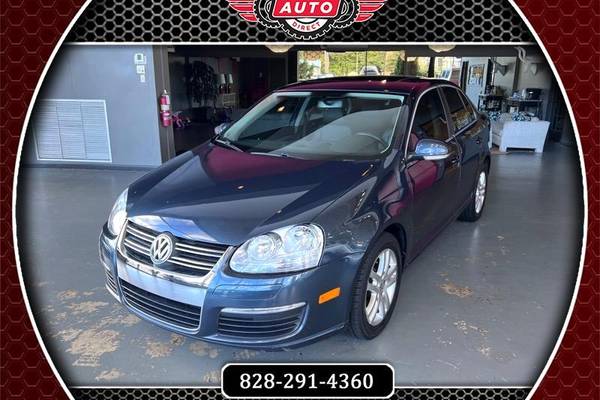
Located in Hickory, NC / 309 miles away from Columbus, OH
Accident Free Vehicle: No
Personal Use Only: No
History Provider: AutoCheck
Title Details: Title issue reported
Salvage Vehicle: No
Frame Damage: No
Theft History: No
Lemon Status: No
Free History Report: No
Features and Specs:
22 Combined MPG (19 City/28 Highway)
Listing Information:
VIN: 3VWSG71KX7M037512
Stock: 7M037512
Certified Pre-Owned: No
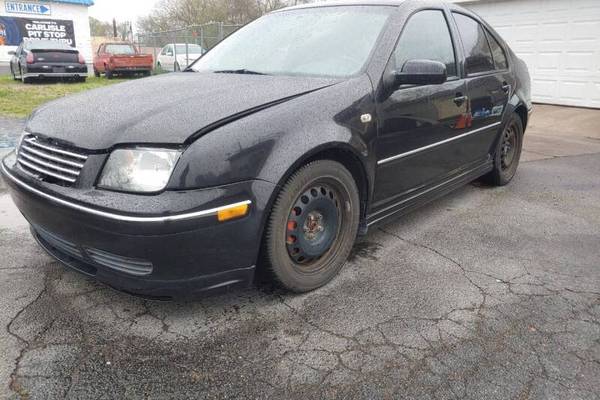
Located in Carlisle, OH / 83 miles away from Columbus, OH
RUNNING AND DRIVING PROJECT 2005 VW Jetta GLI This car needs some work most notably the shift solenoids The price is $2250 and the lowest I'm going is...
Accident Free Vehicle: No
Personal Use Only: Yes
History Provider: AutoCheck
Title Details: Clean Title
Salvage Vehicle: No
Frame Damage: No
Theft History: No
Lemon Status: No
Free History Report: No
Features and Specs:
22 Combined MPG (19 City/27 Highway)
Listing Information:
VIN: 3VWSE69M65M039471
Stock: 039471
Certified Pre-Owned: No
Listed since: 04-12-2024

Located in Zion, IL / 307 miles away from Columbus, OH
2006 VOLKSWAGEN JETTA WITH 138,982 MILES CLEAN AND CLEAR TITLE LOADED, LEATHER SEATS, SUNROOF, CD RADIO AM FM, CRUISE CONTROL, POWER WINDOWS, POWER DO...
Accident Free Vehicle: Yes
Personal Use Only: Yes
History Provider: AutoCheck
Title Details: Clean Title
Salvage Vehicle: No
Frame Damage: No
Theft History: No
Lemon Status: No
Free History Report: No
Features and Specs:
22 Combined MPG (19 City/28 Highway)
Listing Information:
VIN: 3VWDF81K86M646663
Stock: A
Certified Pre-Owned: No
Listed since: 03-23-2024

Located in West Palm Beach, FL / 934 miles away from Columbus, OH
Keys Motors - West Palm Beach Keys Motors 2480 N Military Trail West Palm Beach, FL 33409 5**-6**-1*** Visit Keys Motors - West Palm Beach online a...
Accident Free Vehicle: Yes
Personal Use Only: No
History Provider: AutoCheck
Title Details: Clean Title
Salvage Vehicle: No
Frame Damage: No
Theft History: No
Lemon Status: No
Free History Report: No
Features and Specs:
22 Combined MPG (19 City/28 Highway)
Listing Information:
VIN: 3VWSF71KX6M778969
Stock: 778969
Certified Pre-Owned: No
Listed since: 04-13-2024

Located in Rapid City, SD / 1,076 miles away from Columbus, OH
2006 Volkswagen Jetta 2.5 Blue Graphite**We are dedicated to an open, honest, and uncomplicated shopping experience.**Alloy Wheels, Power Mirror Pack...
Accident Free Vehicle: No
Personal Use Only: Yes
History Provider: AutoCheck
Title Details: Clean Title
Salvage Vehicle: No
Frame Damage: No
Theft History: No
Lemon Status: No
Free History Report: No
Features and Specs:
22 Combined MPG (19 City/28 Highway)
Listing Information:
VIN: 3VWSF71K66M738744
Stock: MP29011
Certified Pre-Owned: No
Listed since: 03-16-2024
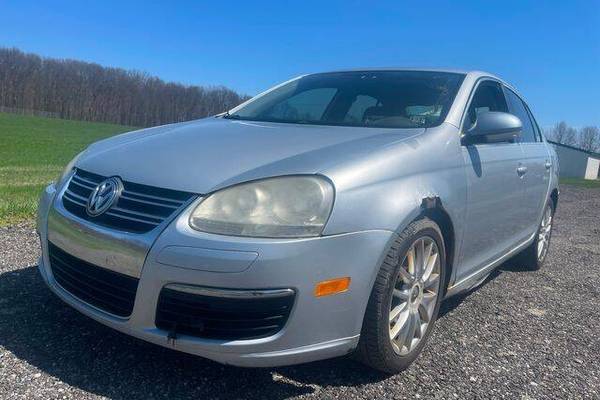
Located in Ravenna, OH / 116 miles away from Columbus, OH
Diesel - Heated Seats - Sunroof Good Used Cars, Inc.
Accident Free Vehicle: No
Personal Use Only: No
History Provider: AutoCheck
Title Details: Clean Title
Salvage Vehicle: No
Frame Damage: No
Theft History: No
Lemon Status: No
Free History Report: No
Features and Specs:
33 Combined MPG (30 City/38 Highway)
Listing Information:
VIN: 3VWST71K16M639242
Stock: 639242
Certified Pre-Owned: No
Listed since: 04-17-2024

Located in Clearwater, FL / 835 miles away from Columbus, OH
Sun/Moonroof Art Grey Black; Solid Paint This vehicle includes a Money-Back Guarantee* and passed our precise inspection process. Best of all the pr...
Accident Free Vehicle: Yes
Personal Use Only: Yes
History Provider: AutoCheck
Title Details: Clean Title
Salvage Vehicle: No
Frame Damage: No
Theft History: No
Lemon Status: No
Free History Report: No
Features and Specs:
24 Combined MPG (21 City/29 Highway)
Listing Information:
VIN: 3VWRZ71K38M050578
Stock: 8M050578
Certified Pre-Owned: No
Listed since: 04-05-2024

Located in Crest Hill, IL / 295 miles away from Columbus, OH
Rides Unlimited Chicago has been family owned and operated since 2013 serving Will county and beyond. At Rides Unlimited Chicago we have a laid back a...
Accident Free Vehicle: No
Personal Use Only: Yes
History Provider: AutoCheck
Title Details: Clean Title
Salvage Vehicle: No
Frame Damage: No
Theft History: No
Lemon Status: No
Free History Report: No
Features and Specs:
33 Combined MPG (30 City/38 Highway)
Listing Information:
VIN: 3VWST81K76M001647
Stock: 001647
Certified Pre-Owned: No
Listed since: 02-15-2024

Located in High Point, NC / 324 miles away from Columbus, OH
Thank you for viewing our 2006 Volkswagen Jetta TDI for sale in High Point, NC. If you have any specific questions please contact us. We will be glad ...
Accident Free Vehicle: Yes
Personal Use Only: Yes
History Provider: AutoCheck
Title Details: Clean Title
Salvage Vehicle: No
Frame Damage: No
Theft History: No
Lemon Status: No
Free History Report: No
Features and Specs:
33 Combined MPG (30 City/38 Highway)
Listing Information:
VIN: 3VWST71K86M660749
Stock: 660749
Certified Pre-Owned: No
Listed since: 03-19-2024