Skip to FiltersReport abuse
32,168 listings
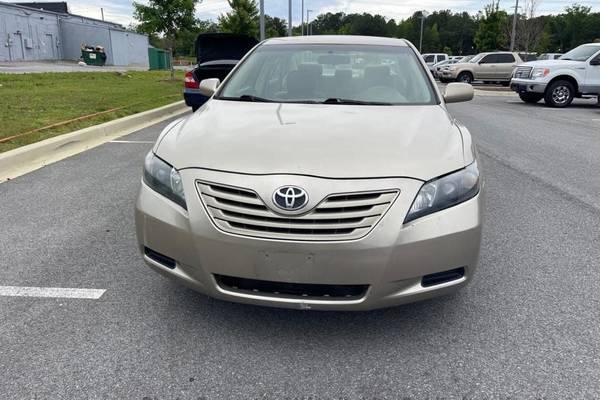
- $4,499great price$2,162 below market
- 180,762 miles
- 2 accidents, 2 owners, personal use only
- 19 City / 28 Hwy MPG
- DealHunter Autos (Stafford, VA)
Close
Located in Stafford, VA / 1,362 miles away from San Antonio, TX
Camry SE, 4D Sedan, 3.5L V6 SMPI DOHC, 6-Speed Automatic Electronic with Overdrive, FWD, Silver, Silver. New Price! Silver 2007 Toyota Camry SE FWD 6-...
AutoCheck Vehicle History Summary
Accident Free Vehicle: No
Personal Use Only: Yes
History Provider: AutoCheck
Title Details: Clean Title
Salvage Vehicle: No
Frame Damage: No
Theft History: No
Lemon Status: No
Free History Report: No
Features and Specs:
23 Combined MPG (19 City/28 Highway)
Listing Information:
VIN: 4T1BK46K67U045901
Stock: 045901SHK
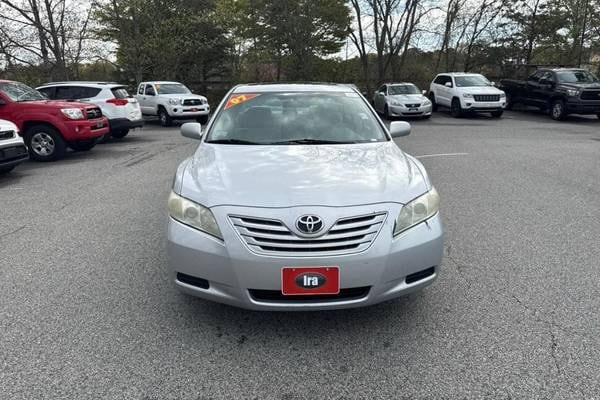
Certified Pre-Owned: No - New Listing$3,950great price$2,023 below market
- 167,683 miles
- 21 City / 30 Hwy MPG
- Woodbridge Public Auto Auction (Woodbridge, VA)
Close
Located in Woodbridge, VA / 1,372 miles away from San Antonio, TX
LOADED WITH VALUE! Comes equipped with: Air Conditioning, MP3. This Toyota Camry also includes Power Driver's Seat, Clock, Cruise Control, Power Steer...
AutoCheck Vehicle History Summary Unavailable.
Features and Specs:
24 Combined MPG (21 City/30 Highway)
Listing Information:
VIN: 4T1BE46K67U141275
Stock: 144008
Certified Pre-Owned: No
Listed since: 05-29-2025 - $7,000good price$1,343 below market
- 105,390 miles
- No accidents, 2 owners, personal use only
- 21 City / 30 Hwy MPG
- Lee Auto Group (Fort Myers, FL)
Close
Located in Fort Myers, FL / 1,042 miles away from San Antonio, TX
Our 2007 Toyota Camry LE Sedan in Titanium Metallic is exceptional in every category! Powered by a 2.4 Liter 4 Cylinder that offers 158hp paired with ...
AutoCheck Vehicle History Summary
Accident Free Vehicle: Yes
Personal Use Only: Yes
History Provider: AutoCheck
Title Details: Clean Title
Salvage Vehicle: No
Frame Damage: No
Theft History: No
Lemon Status: No
Free History Report: No
Features and Specs:
24 Combined MPG (21 City/30 Highway)
Listing Information:
VIN: 4T1BE46KX7U127282
Stock: F6877A
Certified Pre-Owned: No
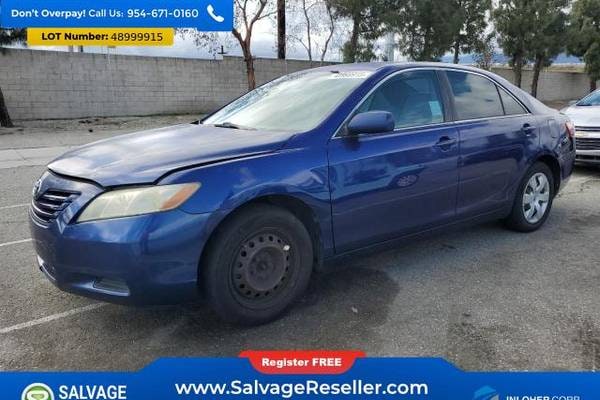
Listed since: 04-19-2025 - New Listing$1,950great price
- 236,807 miles
- 21 City / 30 Hwy MPG
- Salvage Reseller West (Grand Prairie, TX)
Close
Located in Grand Prairie, TX / 245 miles away from San Antonio, TX
This vehicle is located at Rancho Cucamonga, CA Copart yard. All purchases must take place online at www.salvagereseller.com. Visit our website to lea...
AutoCheck Vehicle History Summary Unavailable.
Features and Specs:
24 Combined MPG (21 City/30 Highway)
Listing Information:
VIN: 4T1BE46K27U042646
Stock: 48999915
Certified Pre-Owned: No
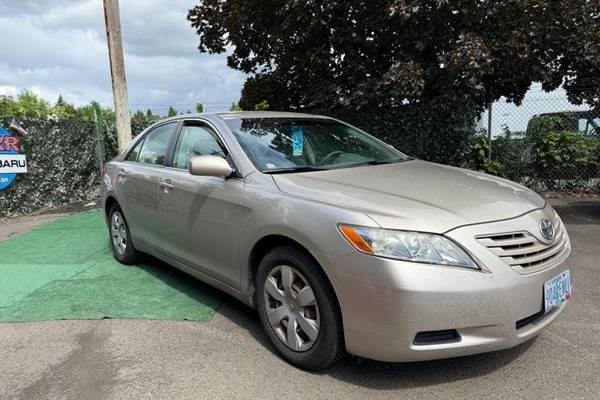
Listed since: 05-29-2025 - Price Drop$6,999fair price$341 above market
- 143,196 miles
- No accidents, 2 owners, personal use only
- 21 City / 30 Hwy MPG
- Carr Subaru (Beaverton, OR)
Close
Located in Beaverton, OR / 1,717 miles away from San Antonio, TX
Carr Subaru offers Cars, Trucks, and SUVs Serving customers in Portland, Beaverton, and Hillsboro. Bad credit, no credit, bankruptcy or have an ITIN w...
AutoCheck Vehicle History Summary
Accident Free Vehicle: Yes
Personal Use Only: Yes
History Provider: AutoCheck
Title Details: Clean Title
Salvage Vehicle: No
Frame Damage: No
Theft History: No
Lemon Status: No
Free History Report: No
Features and Specs:
24 Combined MPG (21 City/30 Highway)
Listing Information:
VIN: 4T1BE46K17U039849
Stock: S259387A
Certified Pre-Owned: No
Listed since: 05-20-2025 - $4,950good price$747 below market
- 181,338 miles
- No accidents, 2 owners, personal use only
- 21 City / 30 Hwy MPG
- Woodbridge Public Auto Auction (Woodbridge, VA)
Close
Located in Woodbridge, VA / 1,372 miles away from San Antonio, TX
LOADED WITH VALUE! Comes equipped with: Air Conditioning, MP3. This Toyota Camry also includes Power Driver's Seat, Clock, Cruise Control, Power Steer...
AutoCheck Vehicle History Summary
Accident Free Vehicle: Yes
Personal Use Only: Yes
History Provider: AutoCheck
Title Details: Clean Title
Salvage Vehicle: No
Frame Damage: No
Theft History: No
Lemon Status: No
Free History Report: No
Features and Specs:
24 Combined MPG (21 City/30 Highway)
Listing Information:
VIN: 4T1BE46K27U149504
Stock: 143890
Certified Pre-Owned: No
Listed since: 05-20-2025 - New Listing$7,250fair price$695 below market
- 133,963 miles
- No accidents, 3 owners, personal use
- 19 City / 28 Hwy MPG
- Top Notch Used Cars (Guthrie, OK)
Close
Located in Guthrie, OK / 448 miles away from San Antonio, TX
Call or txt 405-432-6420 to schedule your same day appointment. We can also ship anywhere in the country. Beautiful 2007 Toyota Camry LE 3.5L V6. Cle...
AutoCheck Vehicle History Summary
Accident Free Vehicle: Yes
Personal Use Only: Yes
History Provider: AutoCheck
Title Details: Clean Title
Salvage Vehicle: No
Frame Damage: No
Theft History: No
Lemon Status: No
Free History Report: No
Features and Specs:
23 Combined MPG (19 City/28 Highway)
Listing Information:
VIN: JTNBK46K973025082
Stock: 025082
Certified Pre-Owned: No
Listed since: 05-27-2025 - $7,991good price$1,609 below market
- 97,490 miles
- 1 accident, 1 owner, personal use only
- 19 City / 28 Hwy MPG
- APX Auto Brokers (Edmonds, WA)
Close
Located in Edmonds, WA / 1,789 miles away from San Antonio, TX
2007 TOYOTA CAMRY XLE V6 ONE Owner local trade, clean title, automatic transmission, heated seats, keyless entry, leather, low miles, steering wheel ...
AutoCheck Vehicle History Summary
Accident Free Vehicle: No
Personal Use Only: Yes
History Provider: AutoCheck
Title Details: Clean Title
Salvage Vehicle: No
Frame Damage: No
Theft History: No
Lemon Status: No
Free History Report: No
Features and Specs:
23 Combined MPG (19 City/28 Highway)
Listing Information:
VIN: JTNBK46K873009410
Stock: 009410
Certified Pre-Owned: No
Listed since: 01-15-2025 - Price Drop$6,950fair price$427 below market
- 123,172 miles
- No accidents, 1 owner, personal use only
- 21 City / 31 Hwy MPG, Manual
- Johnny's Motors (Fontana, CA)
Close
Located in Fontana, CA / 1,151 miles away from San Antonio, TX
At Johnny’s Motors Inc., we know finding the perfect vehicle is more than just a purchase — it’s an experience. That’s why we’re excited to offer you ...
AutoCheck Vehicle History Summary
Accident Free Vehicle: Yes
Personal Use Only: Yes
History Provider: AutoCheck
Title Details: Clean Title
Salvage Vehicle: No
Frame Damage: No
Theft History: No
Lemon Status: No
Free History Report: No
Features and Specs:
25 Combined MPG (21 City/31 Highway)
Listing Information:
VIN: 4T1BE46K77U661677
Stock: 661677
Certified Pre-Owned: No
Listed since: 04-30-2025 - $1,750great price$4,774 below market
- 147,901 miles
- 1 accident, 3 owners, personal use only
- 21 City / 30 Hwy MPG
- Salvage Reseller (Coconut Creek, FL)
Close
Located in Coconut Creek, FL / 1,143 miles away from San Antonio, TX
This vehicle is located at Lumberton, NC Copart yard. All purchases must take place online at www.salvagereseller.com. Visit our website to learn more...
AutoCheck Vehicle History Summary
Accident Free Vehicle: No
Personal Use Only: Yes
History Provider: AutoCheck
Title Details: Clean Title
Salvage Vehicle: No
Frame Damage: No
Theft History: No
Lemon Status: No
Free History Report: No
Features and Specs:
24 Combined MPG (21 City/30 Highway)
Listing Information:
VIN: 4T1BE46K17U178024
Stock: 55796945
Certified Pre-Owned: No - New Listing$1,500great price$3,615 below market
- 200,242 miles
- 21 City / 30 Hwy MPG
- Salvage Reseller (Coconut Creek, FL)
Close
Located in Coconut Creek, FL / 1,143 miles away from San Antonio, TX
This vehicle is located at Tanner, AL Copart yard. All purchases must take place online at www.salvagereseller.com. Visit our website to learn more.
AutoCheck Vehicle History Summary Unavailable.
Features and Specs:
24 Combined MPG (21 City/30 Highway)
Listing Information:
VIN: JTNBE46K273062918
Stock: 57975295
Certified Pre-Owned: No
Listed since: 05-30-2025 - New Listing$6,950fair price$455 below market
- 152,682 miles
- No accidents, 1 owner, personal use
- 19 City / 28 Hwy MPG
- Johnny's Motors (Fontana, CA)
Close
Located in Fontana, CA / 1,151 miles away from San Antonio, TX
At Johnny’s Motors Inc., we know finding the perfect vehicle is more than just a purchase — it’s an experience. That’s why we’re excited to offer you ...
AutoCheck Vehicle History Summary
Accident Free Vehicle: Yes
Personal Use Only: Yes
History Provider: AutoCheck
Title Details: Clean Title
Salvage Vehicle: No
Frame Damage: No
Theft History: No
Lemon Status: No
Free History Report: No
Features and Specs:
23 Combined MPG (19 City/28 Highway)
Listing Information:
VIN: 4T1BK46K87U028579
Stock: 028579
Certified Pre-Owned: No
Listed since: 04-29-2025 - $5,256good price$1,252 below market
- 157,747 miles
- 1 accident, 2 owners, personal use only
- 21 City / 30 Hwy MPG
- Auto Deal Makers (Chantilly, VA)
Close
Located in Chantilly, VA / 1,367 miles away from San Antonio, TX
Silver 2007 Toyota Camry LE FWD 5-Speed Automatic with Overdrive 2.4L I4 SMPI DOHC PZEV13 SERVICE RECORDS!!!, Camry LE, 4D Sedan, 2.4L I4 SMPI DOHC PZ...
AutoCheck Vehicle History Summary
Accident Free Vehicle: No
Personal Use Only: Yes
History Provider: AutoCheck
Title Details: Clean Title
Salvage Vehicle: No
Frame Damage: No
Theft History: No
Lemon Status: No
Free History Report: No
Features and Specs:
24 Combined MPG (21 City/30 Highway)
Listing Information:
VIN: 4T1BE46K97U569177
Stock: 569177
Certified Pre-Owned: No - Price Drop$3,000good price$661 below market
- 286,001 miles
- 1 accident, 1 owner, personal use only
- 19 City / 28 Hwy MPG
- Brad Manning Ford (DeKalb, IL)
Close
Located in DeKalb, IL / 1,020 miles away from San Antonio, TX
New Price! Priced below KBB Fair Purchase Price! Camry XLE, Driver & Passenger Heated Seats, Power moonroof. 22/31 City/Highway MPGBrad Manning Ford...
AutoCheck Vehicle History Summary
Accident Free Vehicle: No
Personal Use Only: Yes
History Provider: AutoCheck
Title Details: Clean Title
Salvage Vehicle: No
Frame Damage: No
Theft History: No
Lemon Status: No
Free History Report: No
Features and Specs:
23 Combined MPG (19 City/28 Highway)
Listing Information:
VIN: 4T1BK46K67U528191
Stock: C528191
Certified Pre-Owned: No
Listed since: 05-13-2025 - New Listing$7,295fair price$378 below market
- 119,975 miles
- No accidents, 1 owner, personal use only
- 21 City / 30 Hwy MPG
- Driveway (In-stock online)
- Delivery available*
Close
Located in Paramus, NJ / 1,587 miles away from San Antonio, TX
CarFax 1-Owner,Low Mileage,Bluetooth,Heated Seats,Leather Seats,Premium Sound,Sunroof / Moonroof,5-Speed A/T,Heated Seats,Power Door Locks,Floor Mats,...
AutoCheck Vehicle History Summary
Accident Free Vehicle: Yes
Personal Use Only: Yes
History Provider: AutoCheck
Title Details: Clean Title
Salvage Vehicle: No
Frame Damage: No
Theft History: No
Lemon Status: No
Free History Report: No
Features and Specs:
24 Combined MPG (21 City/30 Highway)
Listing Information:
VIN: 4T1BE46K77U140460
Stock: PHP8987
Certified Pre-Owned: No - $8,999good price$1,251 below market
- 64,001 miles
- 1 accident, 1 owner, personal use only
- 21 City / 30 Hwy MPG
- Synergy Auto Sales LLC (Strasburg, PA)
Close
Located in Strasburg, PA / 1,459 miles away from San Antonio, TX
1-OWNER! Take a look at our 2007 Toyota Camry LE with 64,001 original miles! This Camry is fully serviced and inspected and comes with our 3 month/3,0...
AutoCheck Vehicle History Summary
Accident Free Vehicle: No
Personal Use Only: Yes
History Provider: AutoCheck
Title Details: Clean Title
Salvage Vehicle: No
Frame Damage: No
Theft History: No
Lemon Status: No
Free History Report: No
Features and Specs:
24 Combined MPG (21 City/30 Highway)
Listing Information:
VIN: 4T1BE46K67U544088
Stock: B544088
Certified Pre-Owned: No
Listed since: 02-06-2025 - $8,558fair price$499 below market
- 64,690 miles
- 1 accident, 1 owner, personal use only
- 21 City / 30 Hwy MPG
- Napleton Honda Morton Grove (Morton Grove, IL)
Close
Located in Morton Grove, IL / 1,057 miles away from San Antonio, TX
One owner car, Extra clean - don't miss this one, Great starter or student car, Local trade-in, Super low mileage.Buy the Napleton way! Your busine...
AutoCheck Vehicle History Summary
Accident Free Vehicle: No
Personal Use Only: Yes
History Provider: AutoCheck
Title Details: Clean Title
Salvage Vehicle: No
Frame Damage: No
Theft History: No
Lemon Status: No
Free History Report: No
Features and Specs:
24 Combined MPG (21 City/30 Highway)
Listing Information:
VIN: 4T1BE46K27U040959
Stock: MH100133A
Certified Pre-Owned: No
Listed since: 05-05-2025 - $6,975fair price$718 below market
- 108,305 miles
- 1 accident, 2 owners, personal use only
- 21 City / 30 Hwy MPG
- Ammoury Auto (Falls Church, VA)
Close
Located in Falls Church, VA / 1,380 miles away from San Antonio, TX
Non-smoker owner, Vehicle Runs Well, Smooth ride, good tires, Regularly maintained, Lots of storage, Arctic cold a/c, No pets, Seats as good as new, M...
AutoCheck Vehicle History Summary
Accident Free Vehicle: No
Personal Use Only: Yes
History Provider: AutoCheck
Title Details: Clean Title
Salvage Vehicle: No
Frame Damage: No
Theft History: No
Lemon Status: No
Free History Report: No
Features and Specs:
24 Combined MPG (21 City/30 Highway)
Listing Information:
VIN: 4T1BE46K27U517776
Stock: 2682
Certified Pre-Owned: No - New Listing$7,236fair price$539 below market
- 127,384 miles
- 1 accident, 3 owners, personal use only
- 21 City / 30 Hwy MPG
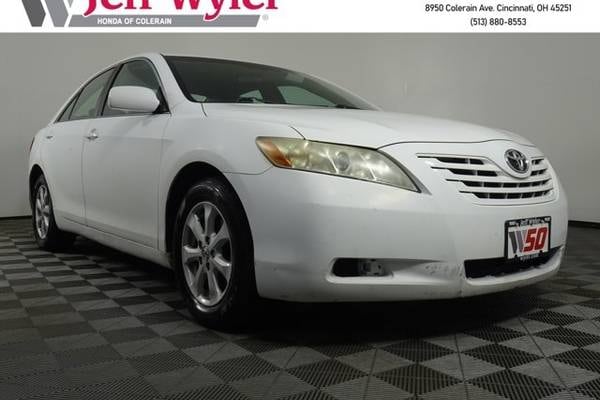
- Jeff Wyler Honda of Colerain (Cincinnati, OH)
Close
Located in Cincinnati, OH / 1,043 miles away from San Antonio, TX
Jeff Wyler Honda of Colerain is pumped up to offer this great 2007 Toyota Camry Base CE in Super White. Well equipped with: ABS brakes, Illuminated en...
AutoCheck Vehicle History Summary
Accident Free Vehicle: No
Personal Use Only: Yes
History Provider: AutoCheck
Title Details: Clean Title
Salvage Vehicle: No
Frame Damage: No
Theft History: No
Lemon Status: No
Free History Report: No
Features and Specs:
24 Combined MPG (21 City/30 Highway)
Listing Information:
VIN: 4T1BE46K77U703488
Stock: 2748285A
Certified Pre-Owned: No
Listed since: 05-25-2025 - 139,320 miles
- No accidents, 1 owner, personal use only
- 19 City / 28 Hwy MPG
- Car World (Tucson, AZ)
Close
Located in Tucson, AZ / 760 miles away from San Antonio, TX
Extended warranties available on all vehicles 20 years and newer and under 200,000 miles. Please inquire at dealership about these offers.
AutoCheck Vehicle History Summary
Accident Free Vehicle: Yes
Personal Use Only: Yes
History Provider: AutoCheck
Title Details: Clean Title
Salvage Vehicle: No
Frame Damage: No
Theft History: No
Lemon Status: No
Free History Report: No
Features and Specs:
23 Combined MPG (19 City/28 Highway)
Listing Information:
VIN: 4T1BK46K47U053978
Stock: C1621
Certified Pre-Owned: No
Listed since: 04-24-2025- Price Drop$6,695fair price$271 above market
- 187,373 miles
- No accidents, 1 owner, personal use only
- 21 City / 30 Hwy MPG
- Schaumburg Toyota (Schaumburg, IL)
Close
Located in Schaumburg, IL / 1,048 miles away from San Antonio, TX
** Alloy Wheels / Premium Wheels, ** Bluetooth, Hands-Free, ** Cruise Control, ** Keyless Entry, ** Portable Audio Connection, ** Security System, ** ...
AutoCheck Vehicle History Summary
Accident Free Vehicle: Yes
Personal Use Only: Yes
History Provider: AutoCheck
Title Details: Clean Title
Salvage Vehicle: No
Frame Damage: No
Theft History: No
Lemon Status: No
Free History Report: No
Features and Specs:
24 Combined MPG (21 City/30 Highway)
Listing Information:
VIN: 4T1BE46K17U075217
Stock: 250941A
Certified Pre-Owned: No
Listed since: 03-30-2025






Showing 1 - 21 out of 32,168 listings
Consumer Reviews for the Toyota Camry
Read recent reviews for the Toyota Camry
2007 Camry SE - I4 - Auto
carnut1973, 01/26/2011
2007 Toyota Camry SE 4dr Sedan (2.4L 4cyl 5A)
Purchased my 2007 Camry SE, 4 cylinder, auto brand new in December 2006 to replace a car that was totalled in an accident.
The Camry SE with the factory ground effects/spoiler/6-spoke alloys has a much better look than the other Camrys and that is the only reason I purchased it.
Chose it over a slightly used 2005 Acura TSX-auto.
The black cloth interior and special gauge lighting … specific to the Camry SE also helped seal the deal.
The Camry SE was comfortable, quiet, reliable, good on gas and as stated earlier, easy on the eyes.
Filters
Skip to ResultsApplied Filters4Active
Make & Model
Year
New / Used
Price & Payments
Price Rating
Trim
Mileage
Accidents & History
Engine & Drivetrain
Exterior Color
Interior Color
Total Seating
Edmunds Review
Features
Options & Packages
MPG
* Delivery of any kind does not apply to Alaska and Hawaii. Contact the dealer for delivery details, restrictions and costs.