Used 2011 Porsche Cayenne for Sale Near Me
Describe what you’re looking for
BETA
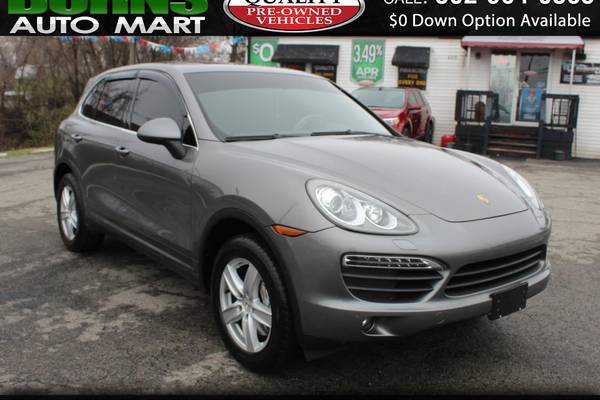
Located in Louisville, KY / 200 miles away from Columbus, OH
2011 Porsche Cayenne S AWD , 4.8L V8 , Leather Seats , Backup Camera , Navigation , Power Rear Gate and Sunroof , Dash E Start , Memory and Heated Sea...
Accident Free Vehicle: Yes
Personal Use Only: Yes
History Provider: AutoCheck
Title Details: Clean Title
Salvage Vehicle: No
Frame Damage: No
Theft History: No
Lemon Status: No
Free History Report: No
Features and Specs:
18 Combined MPG (16 City/22 Highway)
Listing Information:
VIN: WP1AB2A27BLA55748
Stock: A55748
Certified Pre-Owned: No
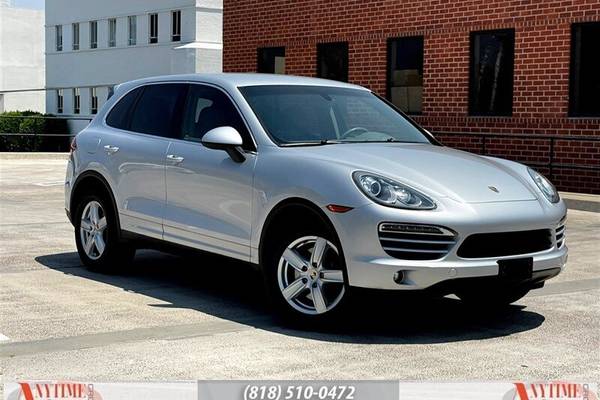
Located in Sherman Oaks, CA / 1,989 miles away from Columbus, OH
WE HAVE NO DEALER FEES EVER ON ANY ACCESSORIES** NO PAINT PROTECTION FEE** NO WINDOW TINTING FEE** NO THEFT PROTECTION FEE** 2011 Classic Silver Meta...
Accident Free Vehicle: Yes
Personal Use Only: Yes
History Provider: AutoCheck
Title Details: Clean Title
Salvage Vehicle: No
Frame Damage: No
Theft History: No
Lemon Status: No
Free History Report: No
Features and Specs:
19 Combined MPG (16 City/23 Highway)
Listing Information:
VIN: WP1AA2A29BLA05503
Stock: 14721
Certified Pre-Owned: No
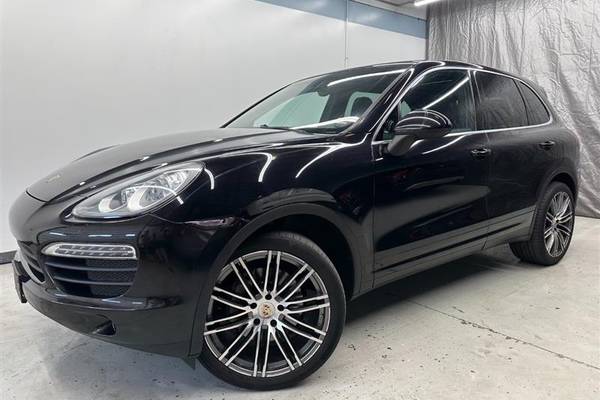
Located in Chantilly, VA / 297 miles away from Columbus, OH
2011 PORSCHE CAYENNE AWD with powerful 4.8L DOHC SMPI ALUMINUM 32-VALVE V8 engine and driven only 117314 miles! Fully loaded and much more! CARFAX CER...
Accident Free Vehicle: No
Personal Use Only: Yes
History Provider: AutoCheck
Title Details: Clean Title
Salvage Vehicle: No
Frame Damage: No
Theft History: No
Lemon Status: No
Free History Report: No
Features and Specs:
18 Combined MPG (16 City/22 Highway)
Listing Information:
VIN: WP1AB2A27BLA53949
Stock: AMN3455
Certified Pre-Owned: No

Located in Richmond, VA / 335 miles away from Columbus, OH
2011 PORSCHE CAYENNE AWD with powerful 3.6L DOHC SMPI ALUMINUM 24-VALVE V6 engine and driven only 128550 miles! Fully loaded and much more! CARFAX CER...
Accident Free Vehicle: Yes
Personal Use Only: Yes
History Provider: AutoCheck
Title Details: Clean Title
Salvage Vehicle: No
Frame Damage: No
Theft History: No
Lemon Status: No
Free History Report: No
Features and Specs:
19 Combined MPG (16 City/23 Highway)
Listing Information:
VIN: WP1AA2A27BLA09243
Stock: CSA1598
Certified Pre-Owned: No

Located in Hamilton, OH / 101 miles away from Columbus, OH
2011 Porsche Cayenne S -- 4DOOR SUV AWD -- 4.6L V8-- NAVIGATION SYSTEM --- AUTOMATIC TRANSMISSION --- LEATHER HEATED AND COOLED SEATS ---- CRUISE...
Accident Free Vehicle: Yes
Personal Use Only: Yes
History Provider: AutoCheck
Title Details: Clean Title
Salvage Vehicle: No
Frame Damage: No
Theft History: No
Lemon Status: No
Free History Report: No
Features and Specs:
18 Combined MPG (16 City/22 Highway)
Listing Information:
VIN: WP1AB2A21BLA52098
Stock: BA52098
Certified Pre-Owned: No

Located in Puyallup, WA / 2,011 miles away from Columbus, OH
The 2011 Porsche Cayenne Turbo AWD embodies the pinnacle of luxury performance SUVs, blending exquisite design with exhilarating power. Its muscular s...
Accident Free Vehicle: Yes
Personal Use Only: Yes
History Provider: AutoCheck
Title Details: Clean Title
Salvage Vehicle: No
Frame Damage: No
Theft History: No
Lemon Status: No
Free History Report: No
Features and Specs:
17 Combined MPG (15 City/22 Highway)
Listing Information:
VIN: WP1AC2A2XBLA82410
Stock: 377
Certified Pre-Owned: No
Listed since: 03-26-2024

Located in Philadelphia, PA / 409 miles away from Columbus, OH
At Carvana, we go miles beyond the extra mile. That's why we provide you with a convenient, fast, and hassle-free car buying experience that puts you ...
Accident Free Vehicle: Yes
Personal Use Only: Yes
History Provider: AutoCheck
Title Details: Clean Title
Salvage Vehicle: No
Frame Damage: No
Theft History: No
Lemon Status: No
Free History Report: No
Features and Specs:
21 Combined MPG (20 City/24 Highway)
Listing Information:
VIN: WP1AE2A21BLA91846
Stock: 2002691167
Certified Pre-Owned: No
Listed since: 01-24-2024
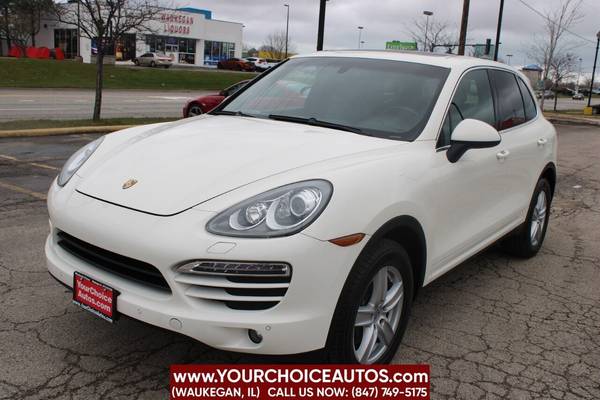
Located in Waukegan, IL / 305 miles away from Columbus, OH
ACTUAL LOW MILES 96K AWD LEATHER SUNROOF CD PLAYER BACKUP CAMERA KEYLESS ENTRY ALLOY WHEEL GOOD TIRES FAMILY SUV GREAT FOR SNOW 3.6L V6 LARGE VARIET...
Accident Free Vehicle: Yes
Personal Use Only: No
History Provider: AutoCheck
Title Details: Clean Title
Salvage Vehicle: No
Frame Damage: No
Theft History: No
Lemon Status: No
Free History Report: No
Features and Specs:
18 Combined MPG (15 City/22 Highway)
Listing Information:
VIN: WP1AA2A28BLA08098
Stock: WYC-A08098
Certified Pre-Owned: No
Listed since: 04-05-2024
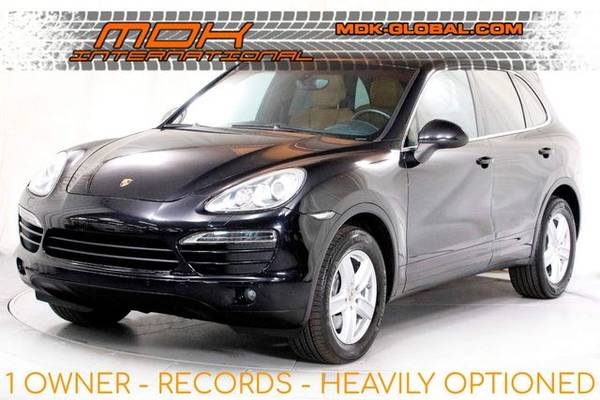
Located in Burbank, CA / 1,983 miles away from Columbus, OH
* Very nicely optioned V6 Cayenne with an original MSRP of $72330 * This is a very well-equipped and properly maintained Cayenne V6. It's not a perf...
Accident Free Vehicle: No
Personal Use Only: Yes
History Provider: AutoCheck
Title Details: Clean Title
Salvage Vehicle: No
Frame Damage: No
Theft History: No
Lemon Status: No
Free History Report: No
Features and Specs:
19 Combined MPG (16 City/23 Highway)
Listing Information:
VIN: WP1AA2A21CLA08994
Stock: A08994
Certified Pre-Owned: No

Located in Stafford, VA / 311 miles away from Columbus, OH
Accident Free Vehicle: No
Personal Use Only: Yes
History Provider: AutoCheck
Title Details: Clean Title
Salvage Vehicle: No
Frame Damage: No
Theft History: No
Lemon Status: No
Free History Report: No
Features and Specs:
18 Combined MPG (16 City/22 Highway)
Listing Information:
VIN: WP1AB2A27CLA50972
Stock: AG-2121
Certified Pre-Owned: No
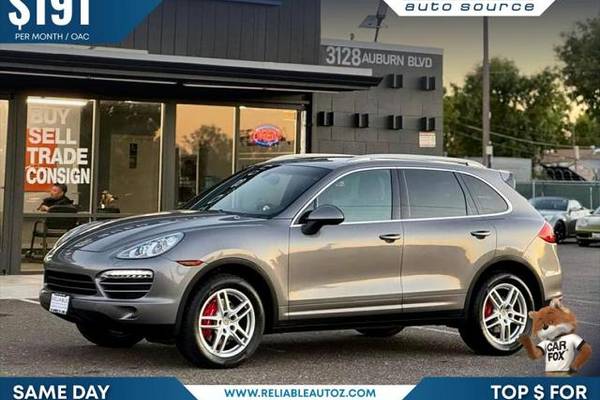
Located in Sacramento, CA / 2,045 miles away from Columbus, OH
2012 Porsche Cayenne Sport -Clean Title -Low Miles (117k) -AWD / 4WD -Loaded with Options -Navigation / Map -Backup Camera -Heated Seats -Phone Con...
Accident Free Vehicle: Yes
Personal Use Only: Yes
History Provider: AutoCheck
Title Details: Clean Title
Salvage Vehicle: No
Frame Damage: No
Theft History: No
Lemon Status: No
Free History Report: No
Features and Specs:
19 Combined MPG (16 City/23 Highway)
Listing Information:
VIN: WP1AA2A29CLA11254
Stock: N02056
Certified Pre-Owned: No
Listed since: 10-24-2023
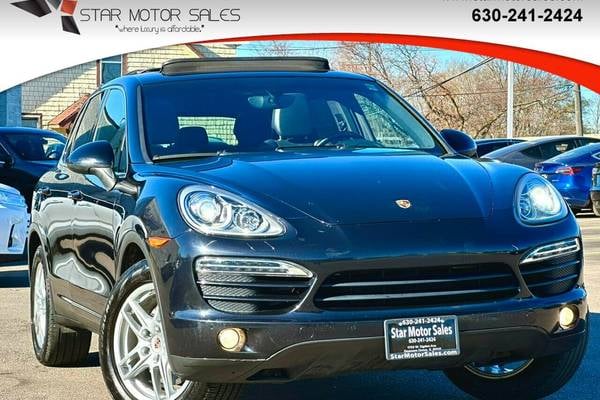
Located in Downers Grove, IL / 296 miles away from Columbus, OH
WARRANTY A Limited Warranty is included with this vehicle. Contact seller for more information. LOADED WITH VALUE! Comes equipped with: Air Conditioni...
Accident Free Vehicle: Yes
Personal Use Only: No
History Provider: AutoCheck
Title Details: Clean Title
Salvage Vehicle: No
Frame Damage: No
Theft History: No
Lemon Status: No
Free History Report: No
Features and Specs:
19 Combined MPG (16 City/23 Highway)
Listing Information:
VIN: WP1AA2A26CLA10224
Stock: L199
Certified Pre-Owned: No
Listed since: 11-18-2023

Located in Burbank, CA / 1,983 miles away from Columbus, OH
* Very nicely optioned Cayenne Turbo - original MSRP of $118465 * Only 1 previous California owner * Sport pkg * Premium Package Plus * Burmeste...
Accident Free Vehicle: No
Personal Use Only: Yes
History Provider: AutoCheck
Title Details: Clean Title
Salvage Vehicle: No
Frame Damage: No
Theft History: No
Lemon Status: No
Free History Report: No
Features and Specs:
17 Combined MPG (15 City/22 Highway)
Listing Information:
VIN: WP1AC2A26CLA80574
Stock: A80574
Certified Pre-Owned: No
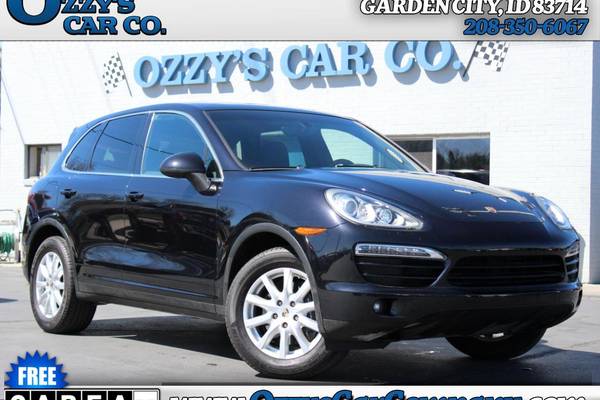
Located in Boise, ID / 1,729 miles away from Columbus, OH
Visit Ozzy's Car Company online at www.ozzyscarcompany.com to see more pictures of this vehicle or call us at 208-350-6067 today to schedule your tes...
Accident Free Vehicle: Yes
Personal Use Only: Yes
History Provider: AutoCheck
Title Details: Clean Title
Salvage Vehicle: No
Frame Damage: No
Theft History: No
Lemon Status: No
Free History Report: No
Features and Specs:
19 Combined MPG (16 City/23 Highway)
Listing Information:
VIN: WP1AA2A22CLA03397
Stock: A03397
Certified Pre-Owned: No
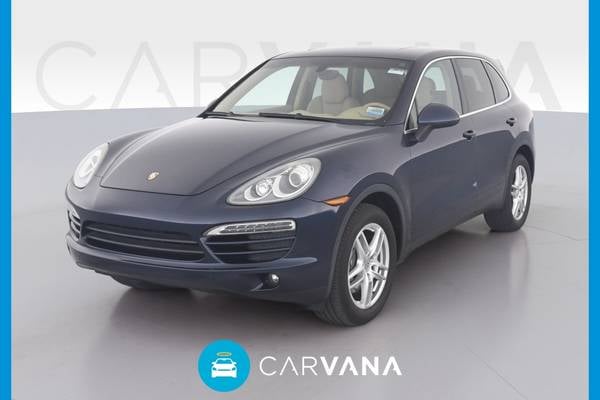
Located in Charlotte, NC / 352 miles away from Columbus, OH
At Carvana, we go miles beyond the extra mile. That's why we provide you with a convenient, fast, and hassle-free car buying experience that puts you ...
Accident Free Vehicle: Yes
Personal Use Only: Yes
History Provider: AutoCheck
Title Details: Clean Title
Salvage Vehicle: No
Frame Damage: No
Theft History: No
Lemon Status: No
Free History Report: No
Features and Specs:
19 Combined MPG (16 City/23 Highway)
Listing Information:
VIN: WP1AA2A28CLA06529
Stock: 2002758558
Certified Pre-Owned: No
Listed since: 02-20-2024

Located in Marietta, GA / 434 miles away from Columbus, OH
FULL HIGH RESOLUTION PHOTOS AND DETAILED DESCRIPTION ON WWW.GASMOTORCARS.COM IF YOU HAVE A VEHICLE YOU ARE LOOKING TO SELL, PLEASE CALL US AT (770) 45...
Accident Free Vehicle: Yes
Personal Use Only: Yes
History Provider: AutoCheck
Title Details: Clean Title
Salvage Vehicle: No
Frame Damage: No
Theft History: No
Lemon Status: No
Free History Report: No
Features and Specs:
17 Combined MPG (15 City/22 Highway)
Listing Information:
VIN: WP1AC2A24CLA82338
Stock: PC2338
Certified Pre-Owned: No
Listed since: 03-28-2024

Located in West Chicago, IL / 305 miles away from Columbus, OH
27W333 NORTH AVE WEST CHICAGO IL 60185 FOR MORE INFORMATION ON THIS VEHCILE CONTACT OUR SALES DEPARTMENT AT 630-912-4500.FINANCING AVAILABLE UNDER PER...
Accident Free Vehicle: Yes
Personal Use Only: Yes
History Provider: AutoCheck
Title Details: Clean Title
Salvage Vehicle: No
Frame Damage: No
Theft History: No
Lemon Status: No
Free History Report: No
Features and Specs:
18 Combined MPG (16 City/22 Highway)
Listing Information:
VIN: WP1AB2A28BLA54236
Stock: A3204
Certified Pre-Owned: No
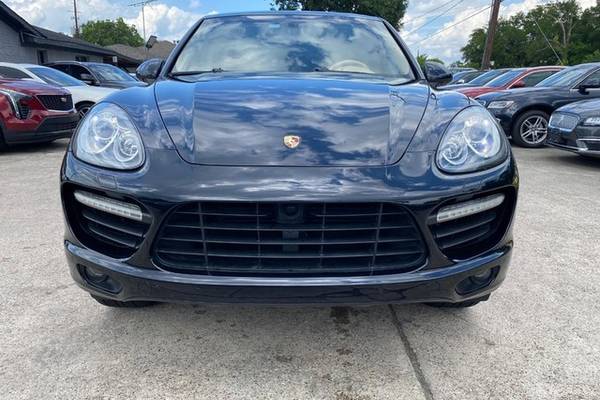
Located in Spring, TX / 988 miles away from Columbus, OH
Thank you for visiting Uptown Imports - Spring, TX.
Accident Free Vehicle: Yes
Personal Use Only: Yes
History Provider: AutoCheck
Title Details: Clean Title
Salvage Vehicle: No
Frame Damage: No
Theft History: No
Lemon Status: No
Free History Report: No
Features and Specs:
17 Combined MPG (15 City/22 Highway)
Listing Information:
VIN: WP1AC2A24BLA81317
Stock: A81317
Certified Pre-Owned: No
Listed since: 01-25-2024

Located in Wilmington, CA / 1,990 miles away from Columbus, OH
Non-smoker owner, Vehicle Runs Well, Smooth ride, Regularly maintained, Lots of storage, Arctic cold a/c, No pets, Never driven on Snow, Seats are goo...
Accident Free Vehicle: Yes
Personal Use Only: Yes
History Provider: AutoCheck
Title Details: Clean Title
Salvage Vehicle: No
Frame Damage: No
Theft History: No
Lemon Status: No
Free History Report: No
Features and Specs:
21 Combined MPG (20 City/24 Highway)
Listing Information:
VIN: WP1AE2A25BLA94006
Stock: A94006
Certified Pre-Owned: No
Listed since: 09-16-2022
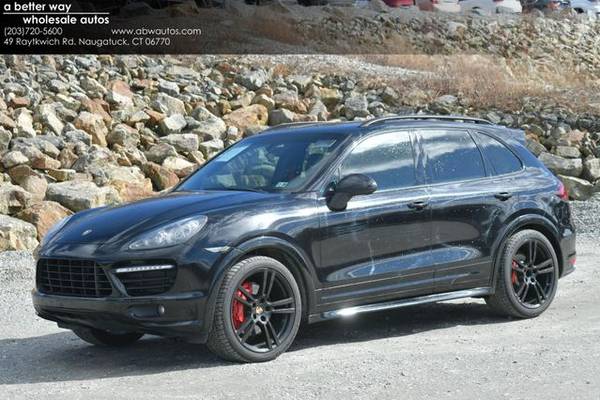
Located in Naugatuck, CT / 524 miles away from Columbus, OH
- Stunning 2013 Porsche Cayenne GTS in sleek black with luxurious black suede interior - Low mileage at 73,500 miles, paired with a powerful 4.8L V8 ...
Accident Free Vehicle: No
Personal Use Only: Yes
History Provider: AutoCheck
Title Details: Clean Title
Salvage Vehicle: No
Frame Damage: No
Theft History: No
Lemon Status: No
Free History Report: No
Features and Specs:
17 Combined MPG (15 City/21 Highway)
Listing Information:
VIN: WP1AD2A22DLA76794
Stock: A76794A
Certified Pre-Owned: No
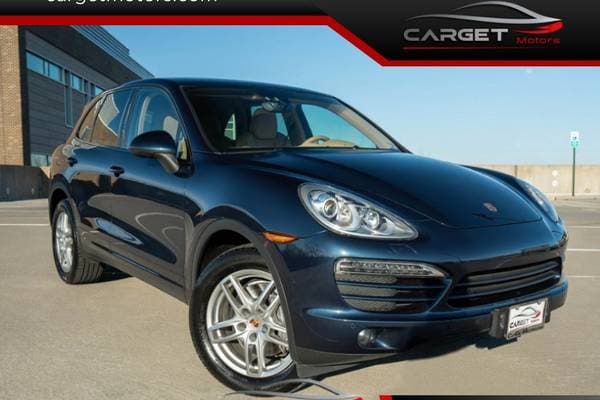
Located in Woodbridge, VA / 314 miles away from Columbus, OH
The 2013 Porsche Cayenne is a five-seat crossover that seamlessly combines new styling, interior enhancements, and impressive performance. This versat...
Accident Free Vehicle: Yes
Personal Use Only: No
History Provider: AutoCheck
Title Details: Clean Title
Salvage Vehicle: No
Frame Damage: No
Theft History: No
Lemon Status: No
Free History Report: No
Features and Specs:
19 Combined MPG (17 City/23 Highway)
Listing Information:
VIN: WP1AA2A2XDLA12205
Stock: A12205
Certified Pre-Owned: No
Listed since: 02-20-2024
* Delivery of any kind does not apply to Alaska and Hawaii. Contact the dealer for delivery details, restrictions and costs.