Used 2010 Porsche 911 for Sale Near Me
Describe what you’re looking for
BETA

Located in Rockwall, TX / 901 miles away from Columbus, OH
All of our pre-owned inventory are required to pass pre-sale inspection to ensure you are getting the best out your new car. Come take a test drive an...
Accident Free Vehicle: No
Personal Use Only: Yes
History Provider: AutoCheck
Title Details: Clean Title
Salvage Vehicle: No
Frame Damage: No
Theft History: No
Lemon Status: No
Free History Report: No
Features and Specs:
19 Combined MPG (16 City/24 Highway)
Listing Information:
VIN: WP0CD2A95AS773174
Stock: 324560A
Certified Pre-Owned: No
Listed since: 04-25-2024

Located in Plano, TX / 913 miles away from Columbus, OH
Rear Spoiler Convertible Soft Top This vehicle includes a Money-Back Guarantee* and passed our precise inspection process. Best of all the price you...
Accident Free Vehicle: Yes
Personal Use Only: Yes
History Provider: AutoCheck
Title Details: Clean Title
Salvage Vehicle: No
Frame Damage: No
Theft History: No
Lemon Status: No
Free History Report: No
Features and Specs:
21 Combined MPG (18 City/25 Highway)
Listing Information:
VIN: WP0CB2A96AS754218
Stock: AS754218
Certified Pre-Owned: No
Listed since: 04-25-2024
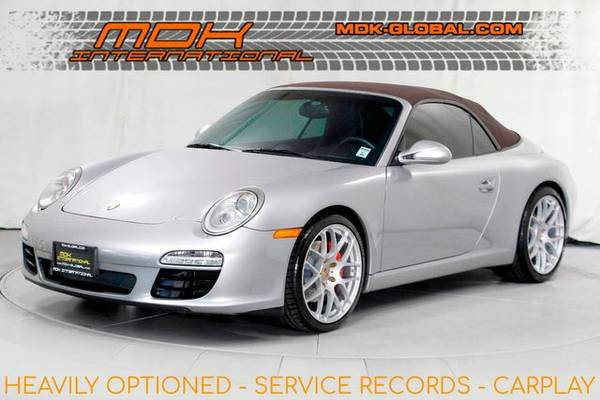
Located in Burbank, CA / 1,983 miles away from Columbus, OH
* Please note, some front end damage was reported to Carfax back in 2011 when the car was nearly brand new - third party inspections are welcome - per...
Accident Free Vehicle: Yes
Personal Use Only: Yes
History Provider: AutoCheck
Title Details: Clean Title
Salvage Vehicle: No
Frame Damage: No
Theft History: No
Lemon Status: No
Free History Report: No
Features and Specs:
21 Combined MPG (18 City/26 Highway)
Listing Information:
VIN: WP0CB2A91BS754290
Stock: 754290
Certified Pre-Owned: No

Located in West Palm Beach, FL / 935 miles away from Columbus, OH
COMMENTS:2010 Porsche 911 Carrera 4S** POWER SUNROOF / MOONROOF **, 19" Cayman S Wheels, ABS brakes, AM/FM Stereo w/MP3/CD/DVD Player, Bluetooth Inter...
Accident Free Vehicle: Yes
Personal Use Only: Yes
History Provider: AutoCheck
Title Details: Clean Title
Salvage Vehicle: No
Frame Damage: No
Theft History: No
Lemon Status: No
Free History Report: No
Features and Specs:
20 Combined MPG (18 City/25 Highway)
Listing Information:
VIN: WP0AB2A99AS720703
Stock: PN-31607A
Certified Pre-Owned: No
Listed since: 12-28-2023
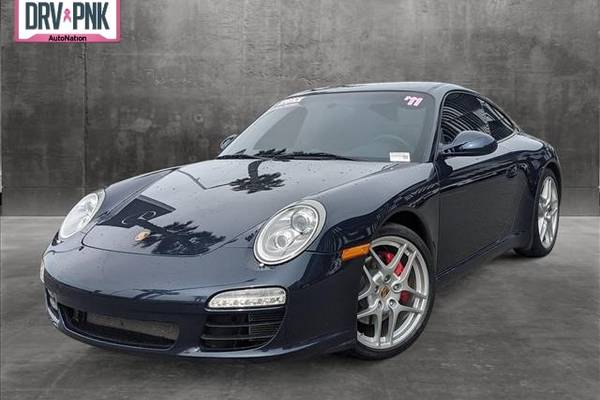
Located in Buena Park, CA / 1,973 miles away from Columbus, OH
The following items have been reconditioned on this vehicle: new pair of tires! 7-Speed Porsche Doppelkupplung (Pdk) Auto Transmission Sea Blue; Le...
Accident Free Vehicle: Yes
Personal Use Only: Yes
History Provider: AutoCheck
Title Details: Clean Title
Salvage Vehicle: No
Frame Damage: No
Theft History: No
Lemon Status: No
Free History Report: No
Features and Specs:
21 Combined MPG (18 City/25 Highway)
Listing Information:
VIN: WP0AB2A91BS720227
Stock: BS720227
Certified Pre-Owned: No
Listed since: 03-22-2024
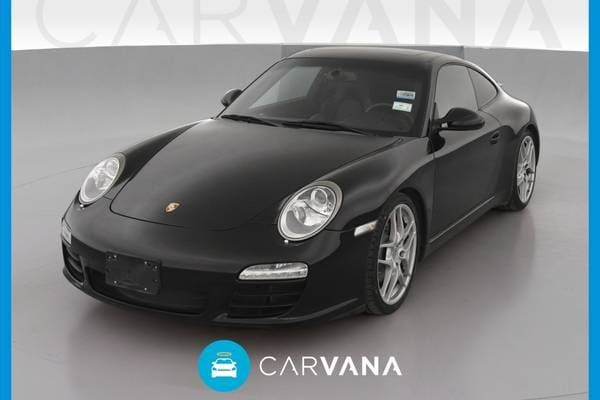
Located in Oklahoma City, OK / 860 miles away from Columbus, OH
At Carvana, we go miles beyond the extra mile. That's why we provide you with a convenient, fast, and hassle-free car buying experience that puts you ...
Accident Free Vehicle: Yes
Personal Use Only: Yes
History Provider: AutoCheck
Title Details: Clean Title
Salvage Vehicle: No
Frame Damage: No
Theft History: No
Lemon Status: No
Free History Report: No
Features and Specs:
21 Combined MPG (18 City/25 Highway)
Listing Information:
VIN: WP0AB299X9S720824
Stock: 2002865323
Certified Pre-Owned: No
Listed since: 04-24-2024

Located in Manassas, VA / 302 miles away from Columbus, OH
Clean CARFAX. Priced below KBB Fair Purchase Price! Autos Direct is pleased to offer this Beautiful 2009 Porsche 911. This Carrera 911 comes well equ...
Accident Free Vehicle: Yes
Personal Use Only: Yes
History Provider: AutoCheck
Title Details: Clean Title
Salvage Vehicle: No
Frame Damage: No
Theft History: No
Lemon Status: No
Free History Report: No
Features and Specs:
21 Combined MPG (18 City/25 Highway)
Listing Information:
VIN: WP0CA29989S740355
Stock: D12476
Certified Pre-Owned: No
Listed since: 11-02-2023

Located in Salt Lake City, UT / 1,519 miles away from Columbus, OH
At Carvana, we go miles beyond the extra mile. That's why we provide you with a convenient, fast, and hassle-free car buying experience that puts you ...
AutoCheck Vehicle History Summary Unavailable.
Features and Specs:
21 Combined MPG (18 City/25 Highway)
Listing Information:
VIN: WP0AA2A92AS706127
Stock: 2002878846
Certified Pre-Owned: No
Listed since: 04-25-2024
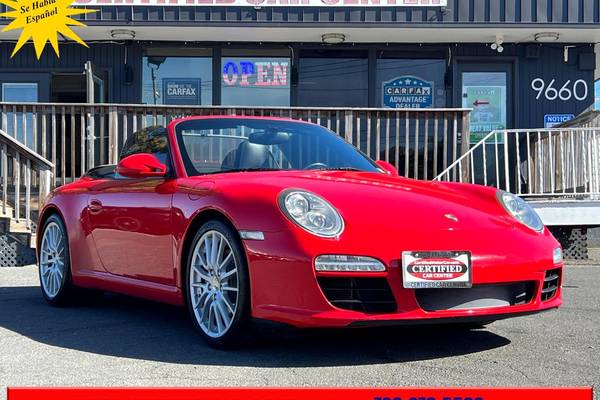
Located in Fairfax, VA / 308 miles away from Columbus, OH
PLEASE DO NOT RELY ON LIST OF OPTIONS UNDER (VEHICLE OPTIONS). THIS INFORMATION IS GENERAL AND DOES NOT APPLY TO ALL VEHICLES. YOU MUST CALL 703-273-...
Accident Free Vehicle: Yes
Personal Use Only: Yes
History Provider: AutoCheck
Title Details: Clean Title
Salvage Vehicle: No
Frame Damage: No
Theft History: No
Lemon Status: No
Free History Report: No
Features and Specs:
21 Combined MPG (18 City/25 Highway)
Listing Information:
VIN: WP0CB29949S754735
Stock: 4735SK1052H
Certified Pre-Owned: No

Located in Boston, MA / 630 miles away from Columbus, OH
INSPECTION COMPLETED Every Herb Chambers Certified pre-owned vehicles receives a complete multi-point inspection by factory trained technicians who in...
Accident Free Vehicle: Yes
Personal Use Only: Yes
History Provider: AutoCheck
Title Details: Clean Title
Salvage Vehicle: No
Frame Damage: No
Theft History: No
Lemon Status: No
Free History Report: No
Features and Specs:
21 Combined MPG (18 City/25 Highway)
Listing Information:
VIN: WP0CB29999S756318
Stock: R2526A
Certified Pre-Owned: No
Listed since: 05-08-2024

Located in Cleveland, OH / 116 miles away from Columbus, OH
At Carvana, we go miles beyond the extra mile. That's why we provide you with a convenient, fast, and hassle-free car buying experience that puts you ...
Accident Free Vehicle: Yes
Personal Use Only: Yes
History Provider: AutoCheck
Title Details: Clean Title
Salvage Vehicle: No
Frame Damage: No
Theft History: No
Lemon Status: No
Free History Report: No
Features and Specs:
21 Combined MPG (18 City/25 Highway)
Listing Information:
VIN: WP0CA29919S740939
Stock: 2002870966
Certified Pre-Owned: No
Listed since: 04-29-2024
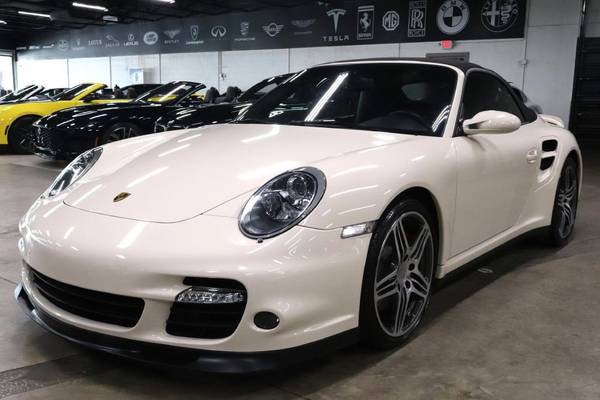
Located in Tampa, FL / 829 miles away from Columbus, OH
*Price shown is after Trade & Finance Assist credit. To receive $500 Trade Assist credit, customer must trade-in a vehicle. To receive $500 Finance As...
Accident Free Vehicle: No
Personal Use Only: Yes
History Provider: AutoCheck
Title Details: Clean Title
Salvage Vehicle: No
Frame Damage: No
Theft History: No
Lemon Status: No
Free History Report: No
Features and Specs:
18 Combined MPG (15 City/24 Highway)
Listing Information:
VIN: WP0CD29959S773174
Stock: 773174
Certified Pre-Owned: No
Listed since: 04-09-2024

Located in San Diego, CA / 1,959 miles away from Columbus, OH
Ranch & Coast Motorsport is offering this high optioned 2009 Porsche 911 Turbo Cabriolet in Basalt Black Metallic over Black Full Leather interior for...
Accident Free Vehicle: Yes
Personal Use Only: Yes
History Provider: AutoCheck
Title Details: Title issue reported
Salvage Vehicle: No
Frame Damage: No
Theft History: No
Lemon Status: No
Free History Report: No
Features and Specs:
18 Combined MPG (15 City/24 Highway)
Listing Information:
VIN: WP0CD29979S773726
Stock: 9S773726
Certified Pre-Owned: No
Listed since: 04-06-2024

Located in Wichita, KS / 788 miles away from Columbus, OH
2011 Porsche 911 Turbo S, located at Porsche Wichita. Original MSRP $195,470. Carrara White with Black/Cream Leather interior. This 911 is equipped wi...
Accident Free Vehicle: Yes
Personal Use Only: Yes
History Provider: AutoCheck
Title Details: Clean Title
Salvage Vehicle: No
Frame Damage: No
Theft History: No
Lemon Status: No
Free History Report: No
Features and Specs:
19 Combined MPG (16 City/24 Highway)
Listing Information:
VIN: WP0CD2A97BS773212
Stock: 14CO954P
Certified Pre-Owned: No
Listed since: 03-23-2024
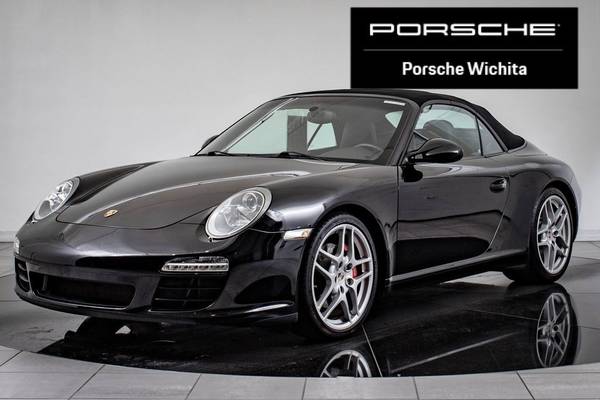
Located in Wichita, KS / 788 miles away from Columbus, OH
2011 Porsche 911 Carrera S Cabriolet, located at Porsche Wichita. Original MSRP $115,045. Black with Black Leather interior. This local 911 is equippe...
Accident Free Vehicle: Yes
Personal Use Only: Yes
History Provider: AutoCheck
Title Details: Clean Title
Salvage Vehicle: No
Frame Damage: No
Theft History: No
Lemon Status: No
Free History Report: No
Features and Specs:
21 Combined MPG (18 City/26 Highway)
Listing Information:
VIN: WP0CB2A94BS754493
Stock: 14CO232P
Certified Pre-Owned: No
Listed since: 02-03-2024
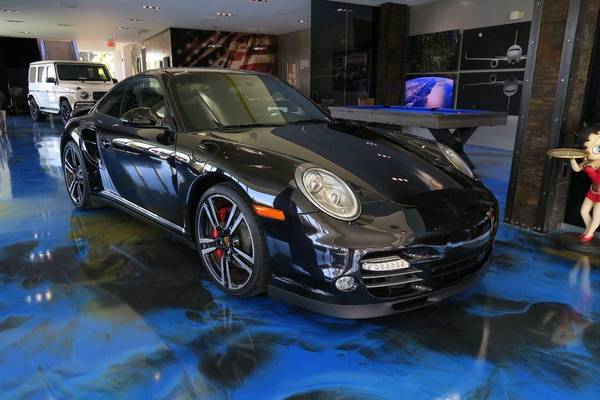
Located in Costa Mesa, CA / 1,972 miles away from Columbus, OH
Only 12K Miles On This Absolutely Beautiful 911 Turbo Coupe. Basalt Black Exterior With Plush Black Full Leather Interior. Factory Options Include: 7 ...
Accident Free Vehicle: Yes
Personal Use Only: Yes
History Provider: AutoCheck
Title Details: Clean Title
Salvage Vehicle: No
Frame Damage: No
Theft History: No
Lemon Status: No
Free History Report: No
Features and Specs:
19 Combined MPG (16 City/24 Highway)
Listing Information:
VIN: WP0AD2A97BS766736
Stock: 0150
Certified Pre-Owned: No
Listed since: 04-05-2024
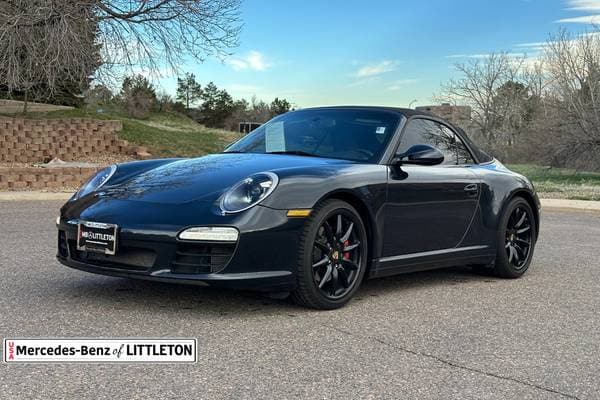
Located in Littleton, CO / 1,172 miles away from Columbus, OH
Experience the exhilaration of the track with the precision-crafted 2011 Porsche 911 Carrera 4S Convertible. Finished in sleek Atlas Grey Metallic, th...
Accident Free Vehicle: Yes
Personal Use Only: Yes
History Provider: AutoCheck
Title Details: Clean Title
Salvage Vehicle: No
Frame Damage: No
Theft History: No
Lemon Status: No
Free History Report: No
Features and Specs:
20 Combined MPG (17 City/25 Highway)
Listing Information:
VIN: WP0CB2A93BS754209
Stock: 240393M
Certified Pre-Owned: No
Listed since: 04-04-2024

Located in Austin, TX / 1,070 miles away from Columbus, OH
Black Standard LeatherBlackPark Assist SystemSport Chrono Package Plus19" Carrera S II wheelWheel Caps with Colored CrestPower Comfort Seats with Driv...
Accident Free Vehicle: Yes
Personal Use Only: Yes
History Provider: AutoCheck
Title Details: Clean Title
Salvage Vehicle: No
Frame Damage: No
Theft History: No
Lemon Status: No
Free History Report: No
Features and Specs:
21 Combined MPG (18 City/25 Highway)
Listing Information:
VIN: WP0CA29919S740293
Stock: PP6806
Certified Pre-Owned: No
Listed since: 03-08-2024
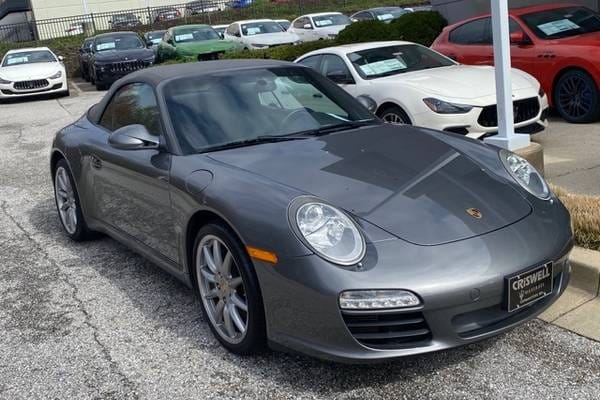
Located in Germantown, MD / 304 miles away from Columbus, OH
Clean CARFAX. Meteor Gray Metallic 2009 Porsche 911 Carrera RWD 6-Speed Manual with Overdrive 3.6L H6 SMPI DOHC 24V 345 hp Four wheel independent susp...
Accident Free Vehicle: Yes
Personal Use Only: Yes
History Provider: AutoCheck
Title Details: Clean Title
Salvage Vehicle: No
Frame Damage: No
Theft History: No
Lemon Status: No
Free History Report: No
Features and Specs:
21 Combined MPG (18 City/25 Highway)
Listing Information:
VIN: WP0CA29939S740540
Stock: A240086A
Certified Pre-Owned: No
Listed since: 03-27-2024
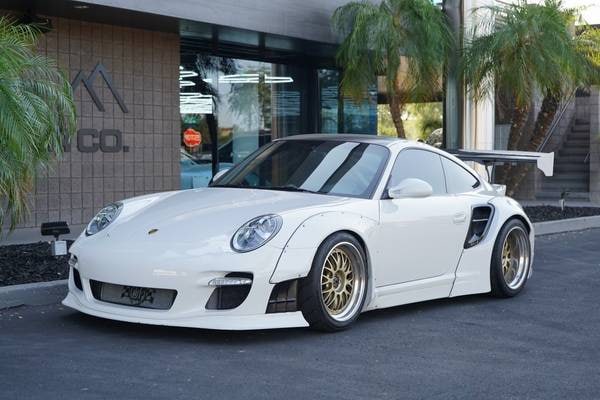
Located in Scottsdale, AZ / 1,658 miles away from Columbus, OH
You might park next to another manual 997 Turbo at Cars & Coffee, but it won't look like this... We are pleased to present this Porsche 997.2 Turbo ...
Accident Free Vehicle: Yes
Personal Use Only: Yes
History Provider: AutoCheck
Title Details: Clean Title
Salvage Vehicle: No
Frame Damage: No
Theft History: No
Lemon Status: No
Free History Report: No
Features and Specs:
19 Combined MPG (16 City/24 Highway)
Listing Information:
VIN: WP0AD2A92BS766806
Stock: T-766806
Certified Pre-Owned: No
Listed since: 04-27-2023

Located in Leesburg, VA / 289 miles away from Columbus, OH
AWD, TURBO S, MISHA BODYKIT, GORGEOUSLY WELL KEPT, PDK AUTOMATIC, RECIEPTS, JUST SERVICED, COCOA SPECIAL EDITION LEATHER, PARK ASSIST, ALUMINUMN TANK ...
Accident Free Vehicle: Yes
Personal Use Only: Yes
History Provider: AutoCheck
Title Details: Clean Title
Salvage Vehicle: No
Frame Damage: No
Theft History: No
Lemon Status: No
Free History Report: No
Features and Specs:
19 Combined MPG (17 City/25 Highway)
Listing Information:
VIN: WP0AD2A98BS766468
Stock: DAQ1709B
Certified Pre-Owned: No
Listed since: 02-09-2024
* Delivery of any kind does not apply to Alaska and Hawaii. Contact the dealer for delivery details, restrictions and costs.