Used 2011 Nissan LEAF for Sale Near Me
Describe what you’re looking for
BETA

Located in Richmond, VA / 336 miles away from Columbus, OH
2011 nissan leaf local car great transportation low miles super clean
Accident Free Vehicle: Yes
Personal Use Only: Yes
History Provider: AutoCheck
Title Details: Clean Title
Salvage Vehicle: No
Frame Damage: No
Theft History: No
Lemon Status: No
Free History Report: No
Features and Specs:
Listing Information:
VIN: JN1AZ0CP7BT009348
Stock: 1872
Certified Pre-Owned: No
Listed since: 11-10-2023
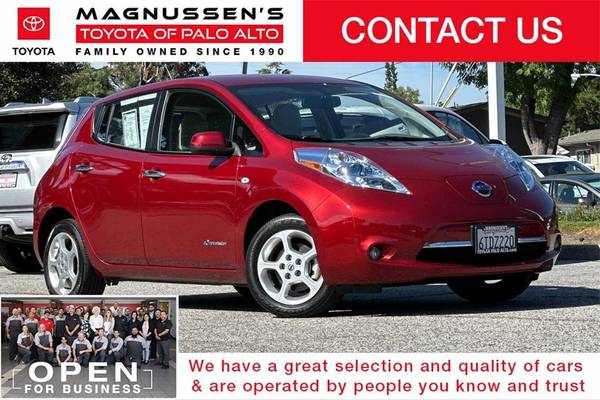
Located in Palo Alto, CA / 2,106 miles away from Columbus, OH
Clean CARFAX. Red SV FWD Single Speed Reducer 80kW AC Synchronous Electric Motor106/92 City/Highway MPGOdometer is 11256 miles below market average!
Accident Free Vehicle: Yes
Personal Use Only: Yes
History Provider: AutoCheck
Title Details: Clean Title
Salvage Vehicle: No
Frame Damage: No
Theft History: No
Lemon Status: No
Free History Report: No
Features and Specs:
Listing Information:
VIN: JN1AZ0CP3BT006236
Stock: P006236V
Certified Pre-Owned: No
Listed since: 04-06-2024

Located in Bellevue, WA / 2,005 miles away from Columbus, OH
2011 Nissan Leaf SL-e * CLEAN CARFAX* NAVIGATION* QUICK CHARGE PORT* ENERGY AUTO SALES BELLEVUE* 425-532-5222
Accident Free Vehicle: Yes
Personal Use Only: Yes
History Provider: AutoCheck
Title Details: Clean Title
Salvage Vehicle: No
Frame Damage: No
Theft History: No
Lemon Status: No
Free History Report: No
Features and Specs:
Listing Information:
VIN: JN1AZ0CP0BT004993
Stock: 36177A
Certified Pre-Owned: No
Listed since: 04-30-2024
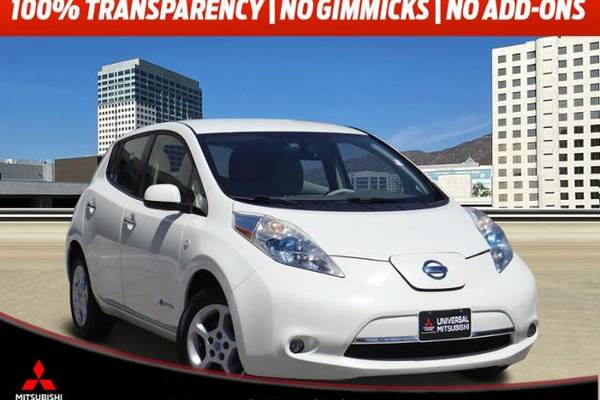
Located in Sherman Oaks, CA / 1,989 miles away from Columbus, OH
100%TRANSPERANCY...NO GIMMICKS...NO ADD-Ons... Clean CARFAX. Glacier Pearl 2011 Nissan Leaf SL FWD Single Speed Reducer 80kW AC Synchronous Electric M...
Accident Free Vehicle: Yes
Personal Use Only: No
History Provider: AutoCheck
Title Details: Clean Title
Salvage Vehicle: No
Frame Damage: No
Theft History: No
Lemon Status: No
Free History Report: No
Features and Specs:
Listing Information:
VIN: JN1AZ0CP4BT007668
Stock: D2622S
Certified Pre-Owned: No
Listed since: 11-04-2023
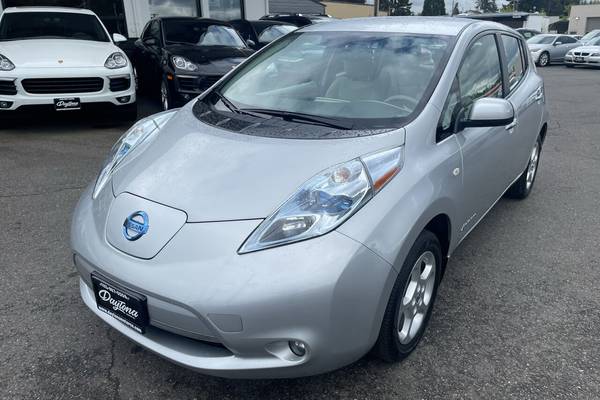
Located in Lynnwood, WA / 2,012 miles away from Columbus, OH
Nissan Leaf SL Local trade, clean title, clean carfax, extremely well maintained, low miles, like new, automatic transmission, NAV, Bluetooth, backu...
Accident Free Vehicle: Yes
Personal Use Only: Yes
History Provider: AutoCheck
Title Details: Clean Title
Salvage Vehicle: No
Frame Damage: No
Theft History: No
Lemon Status: No
Free History Report: No
Features and Specs:
Listing Information:
VIN: JN1AZ0CP4BT000526
Stock: 000526
Certified Pre-Owned: No
Listed since: 04-24-2024
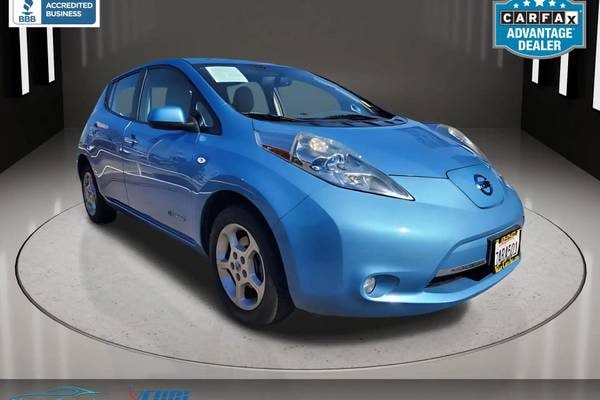
Located in National City, CA / 1,959 miles away from Columbus, OH
Discover the Future of Driving with the 2011 Nissan Leaf SL HatchbackAre you ready to experience the future of driving? Look no further than the 2...
Accident Free Vehicle: Yes
Personal Use Only: Yes
History Provider: AutoCheck
Title Details: Clean Title
Salvage Vehicle: No
Frame Damage: No
Theft History: No
Lemon Status: No
Free History Report: No
Features and Specs:
Listing Information:
VIN: JN1AZ0CP7BT005316
Stock: 10491
Certified Pre-Owned: No
Listed since: 02-19-2024
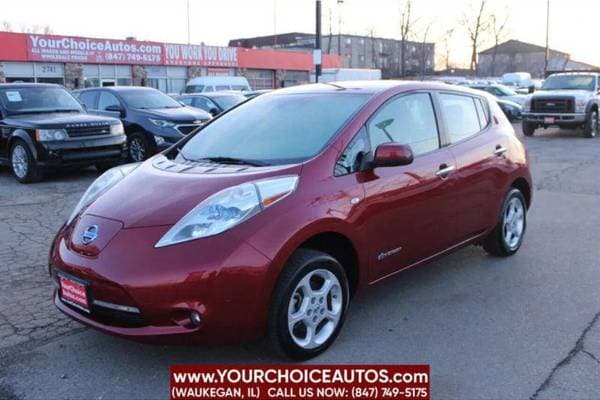
Located in Waukegan, IL / 305 miles away from Columbus, OH
1-OWNER ELECTRIC HATCHBACK BACKUP CAMERA AUDIO PLAYER KEYLESS ENTRY ALLOY WHEEL GOOD TIRES LARGE VARIETY OF VEHICLES AT YOUR CHOICE AUTOS AT TRUE AF...
Accident Free Vehicle: No
Personal Use Only: No
History Provider: AutoCheck
Title Details: Clean Title
Salvage Vehicle: No
Frame Damage: No
Theft History: No
Lemon Status: No
Free History Report: No
Features and Specs:
Listing Information:
VIN: JN1AZ0CP3BT005099
Stock: WYC-005099
Certified Pre-Owned: No
Listed since: 02-13-2024
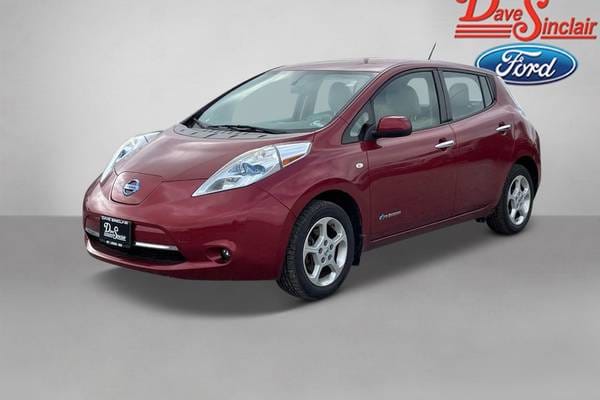
Located in Saint Louis, MO / 413 miles away from Columbus, OH
Think Green with our Accident Free, Low Mile, all-electric 2012 Nissan Leaf SL Hatchback shown off in Cayenne Red Metallic! Powered by an advanced ele...
Accident Free Vehicle: Yes
Personal Use Only: No
History Provider: AutoCheck
Title Details: Clean Title
Salvage Vehicle: No
Frame Damage: No
Theft History: No
Lemon Status: No
Free History Report: No
Features and Specs:
Listing Information:
VIN: JN1AZ0CP3CT021532
Stock: 3142401
Certified Pre-Owned: No

Located in Cleveland, OH / 116 miles away from Columbus, OH
At Carvana, we go miles beyond the extra mile. That's why we provide you with a convenient, fast, and hassle-free car buying experience that puts you ...
Accident Free Vehicle: Yes
Personal Use Only: Yes
History Provider: AutoCheck
Title Details: Clean Title
Salvage Vehicle: No
Frame Damage: No
Theft History: No
Lemon Status: No
Free History Report: No
Features and Specs:
Listing Information:
VIN: JN1AZ0CPXCT019261
Stock: 2002873612
Certified Pre-Owned: No
Listed since: 05-06-2024
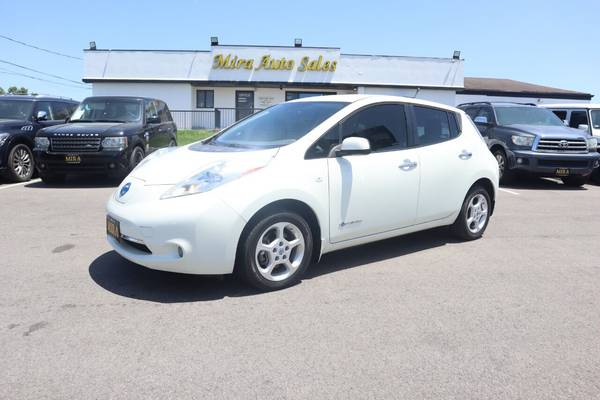
Located in Cincinnati, OH / 100 miles away from Columbus, OH
**2012 Nissan Leaf SL**Electric**54K Miles**FWD**Navigation**Backup Camera**Many Other Features You'll Love** **Looks and Runs Great**Don't Wait Too...
Accident Free Vehicle: Yes
Personal Use Only: No
History Provider: AutoCheck
Title Details: Clean Title
Salvage Vehicle: No
Frame Damage: No
Theft History: No
Lemon Status: No
Free History Report: No
Features and Specs:
Listing Information:
VIN: JN1AZ0CP9CT018361
Stock: 018361
Certified Pre-Owned: No
Listed since: 05-26-2023
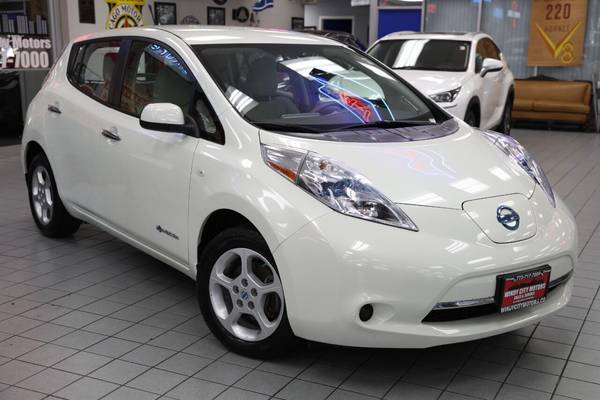
Located in Chicago, IL / 286 miles away from Columbus, OH
2012 NISSAN LEAF SV-FREE GAS FOREVER--NAVIGATION---HEATED STEERING WHEEL---HEATED SEATS---TOUCH SCREEN AM/FM/XM RADIO---USB/AUX INPUT --- FLEXIBLE FIN...
Accident Free Vehicle: Yes
Personal Use Only: No
History Provider: AutoCheck
Title Details: Clean Title
Salvage Vehicle: No
Frame Damage: No
Theft History: No
Lemon Status: No
Free History Report: No
Features and Specs:
Listing Information:
VIN: JN1AZ0CP9CT026377
Stock: W5545
Certified Pre-Owned: No
Listed since: 02-03-2024
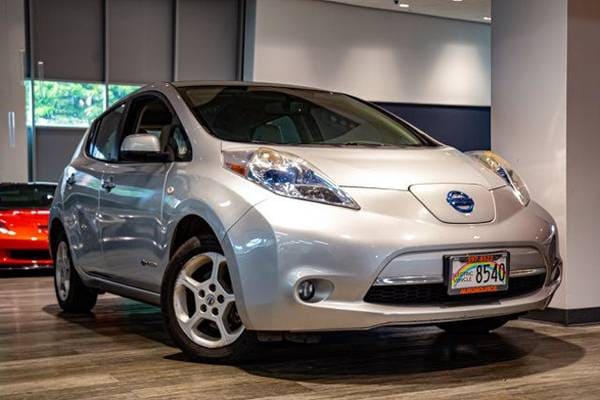
Located in Honolulu, HI / 4,509 miles away from Columbus, OH
Step into the future with the 2012 Nissan LEAF SL – a vehicle that has redefined the essence of eco-friendly sophistication. With an odometer that rea...
Accident Free Vehicle: Yes
Personal Use Only: Yes
History Provider: AutoCheck
Title Details: Clean Title
Salvage Vehicle: No
Frame Damage: No
Theft History: No
Lemon Status: No
Free History Report: No
Features and Specs:
Listing Information:
VIN: JN1AZ0CP4CT018932
Stock: M716250A
Certified Pre-Owned: No
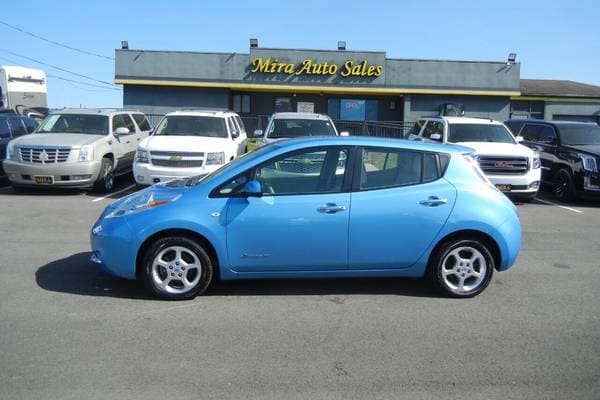
Located in Cincinnati, OH / 100 miles away from Columbus, OH
***Electric**Nissan LEAF***SL 4dr Hatchback***56xxmiles *** Looks and Runs Great, Don't Wait Too Long. Get ready to ENJOY! You won't find a better CAR...
Accident Free Vehicle: No
Personal Use Only: Yes
History Provider: AutoCheck
Title Details: Clean Title
Salvage Vehicle: No
Frame Damage: No
Theft History: No
Lemon Status: No
Free History Report: No
Features and Specs:
Listing Information:
VIN: JN1AZ0CPXCT020040
Stock: 020040
Certified Pre-Owned: No
Listed since: 10-14-2022
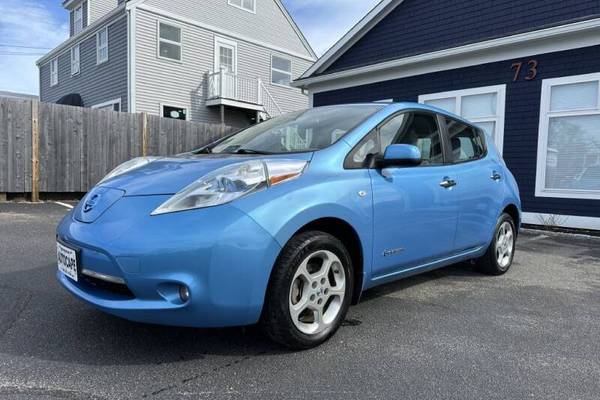
Located in Hyannis, MA / 666 miles away from Columbus, OH
This price is after EV tax credit is received from state of Massachusetts.
Accident Free Vehicle: Yes
Personal Use Only: Yes
History Provider: AutoCheck
Title Details: Clean Title
Salvage Vehicle: No
Frame Damage: No
Theft History: No
Lemon Status: No
Free History Report: No
Features and Specs:
Listing Information:
VIN: JN1AZ0CP4BT001031
Stock: 3178
Certified Pre-Owned: No
Listed since: 03-26-2024

Located in Duluth, GA / 426 miles away from Columbus, OH
At EchoPark, it’s all about offering you options for a happy experience. We have thousands of new-to-you makes and models that range from sedans to tr...
Accident Free Vehicle: Yes
Personal Use Only: Yes
History Provider: AutoCheck
Title Details: Clean Title
Salvage Vehicle: No
Frame Damage: No
Theft History: No
Lemon Status: No
Free History Report: No
Features and Specs:
Listing Information:
VIN: 1N4AZ0CP2DC423711
Stock: CDC423711
Certified Pre-Owned: No
Listed since: 03-23-2024
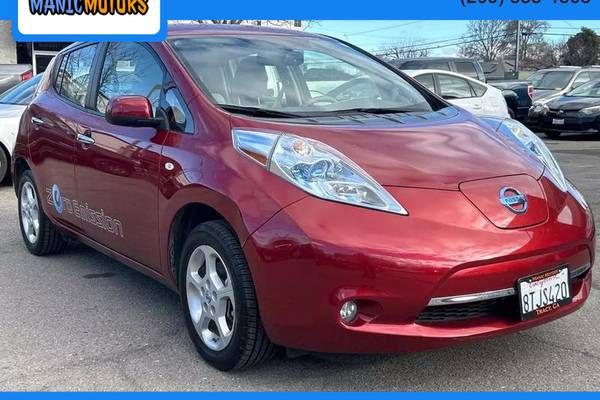
Located in Tracy, CA / 2,064 miles away from Columbus, OH
Please Call (209) 440-0902 We promise to not be JACK ASS salesmen and to always have the skanky banks for the challenged credit. We don't look like a ...
Accident Free Vehicle: Yes
Personal Use Only: Yes
History Provider: AutoCheck
Title Details: Clean Title
Salvage Vehicle: No
Frame Damage: No
Theft History: No
Lemon Status: No
Free History Report: No
Features and Specs:
Listing Information:
VIN: JN1AZ0CP3BT000663
Stock: 000663P
Certified Pre-Owned: No
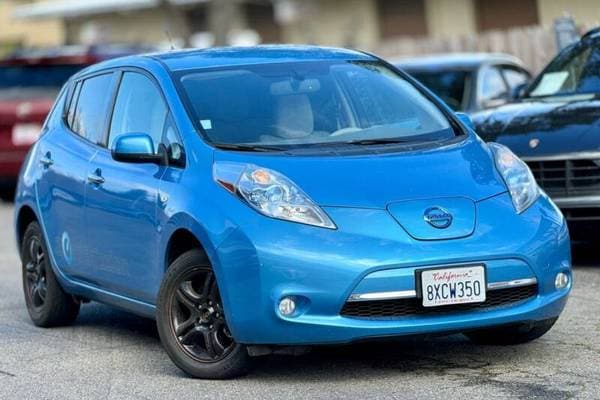
Located in San Ramon, CA / 2,092 miles away from Columbus, OH
?? Full disclosure, this Leaf only give up to 30 miles per full charge ?? Clean Title & Smog-Checked: Drive with confidence knowing that this Nissan L...
Accident Free Vehicle: Yes
Personal Use Only: No
History Provider: AutoCheck
Title Details: Clean Title
Salvage Vehicle: No
Frame Damage: No
Theft History: No
Lemon Status: No
Free History Report: No
Features and Specs:
Listing Information:
VIN: JN1AZ0CP9BT000599
Stock: 000599
Certified Pre-Owned: No
Listed since: 02-14-2024

Located in Hayward, CA / 2,100 miles away from Columbus, OH
[F01] Charger Pkg [M94] Recycling/Organizational Pkg [L92] Floor Mat/Cargo Mat Set [N10] Hologram Kick Plates Keyless Start Rear Spoiler [C03] 50 Stat...
Accident Free Vehicle: Yes
Personal Use Only: Yes
History Provider: AutoCheck
Title Details: Clean Title
Salvage Vehicle: No
Frame Damage: No
Theft History: No
Lemon Status: No
Free History Report: No
Features and Specs:
Listing Information:
VIN: 1N4AZ0CP0DC418605
Stock: DC418605
Certified Pre-Owned: No
Listed since: 04-29-2024

Located in Goleta, CA / 2,055 miles away from Columbus, OH
Recent Arrival! CARFAX One-Owner. Clean CARFAX.This 2011 Cayenne Red Nissan Leaf SL FWD is well equipped and includes these features and benefits:Odom...
Accident Free Vehicle: Yes
Personal Use Only: Yes
History Provider: AutoCheck
Title Details: Clean Title
Salvage Vehicle: No
Frame Damage: No
Theft History: No
Lemon Status: No
Free History Report: No
Features and Specs:
Listing Information:
VIN: JN1AZ0CP1BT006364
Stock: PT0978
Certified Pre-Owned: No
Listed since: 03-02-2024

Located in Honolulu, HI / 4,510 miles away from Columbus, OH
Visit J & J Cars to shop our great deals. You can contact us or call 8**-7**-8*** to schedule your test drive today. Child Safety Door Locks Power Doo...
Accident Free Vehicle: Yes
Personal Use Only: Yes
History Provider: AutoCheck
Title Details: Clean Title
Salvage Vehicle: No
Frame Damage: No
Theft History: No
Lemon Status: No
Free History Report: No
Features and Specs:
Listing Information:
VIN: JN1AZ0CP3BT000324
Stock: 2024-040
Certified Pre-Owned: No
Listed since: 05-03-2024

Located in Henderson, NV / 1,762 miles away from Columbus, OH
At EchoPark, it’s all about offering you options for a happy experience. We have thousands of new-to-you makes and models that range from sedans to tr...
Accident Free Vehicle: Yes
Personal Use Only: No
History Provider: AutoCheck
Title Details: Clean Title
Salvage Vehicle: No
Frame Damage: No
Theft History: No
Lemon Status: No
Free History Report: No
Features and Specs:
Listing Information:
VIN: 1N4AZ0CP2DC419884
Stock: YDC419884
Certified Pre-Owned: No
Listed since: 04-06-2024
* Delivery of any kind does not apply to Alaska and Hawaii. Contact the dealer for delivery details, restrictions and costs.