Used Nissan for Sale Near Me
Describe what you’re looking for
BETA
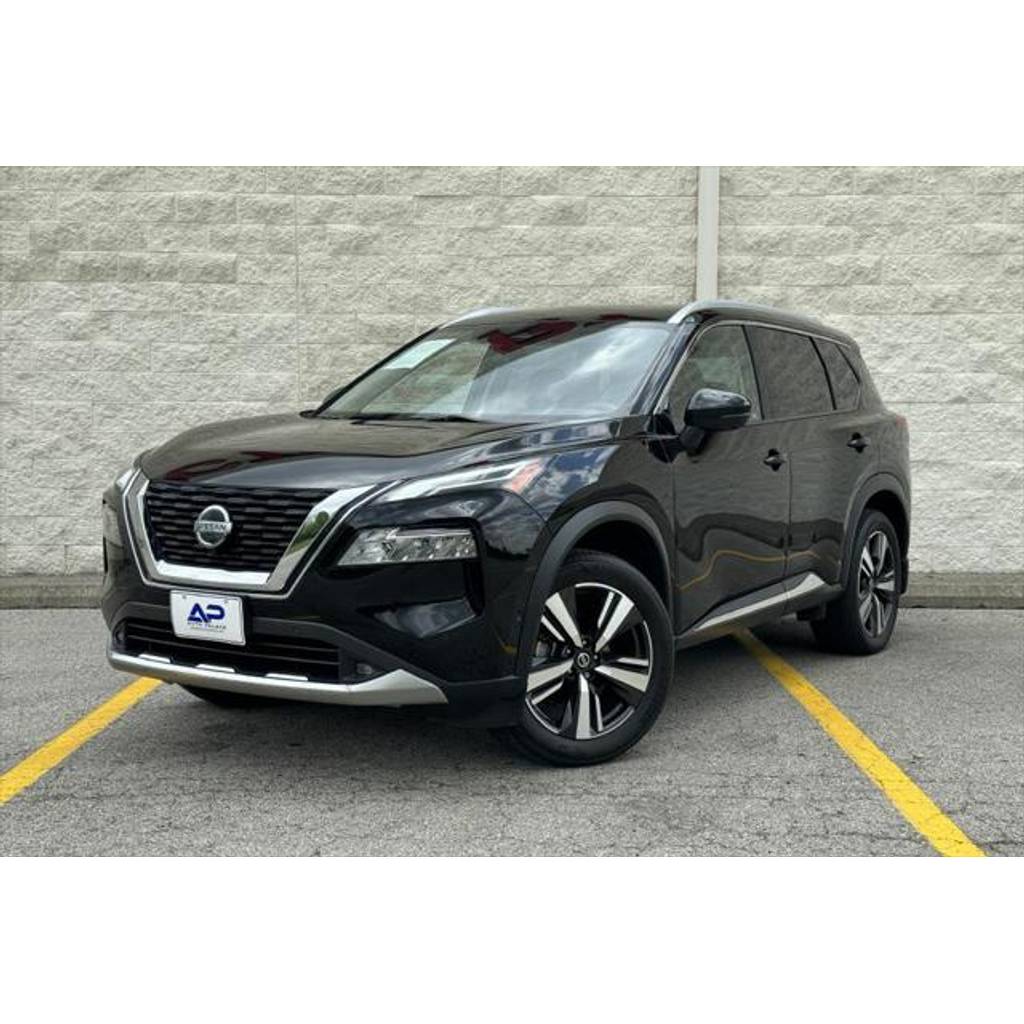
Located in Woodbridge, VA / 311 miles away from Columbus, OH
Recent Arrival! Priced below KBB Fair Purchase Price! 2023 Nissan Rogue SV Super Black AWD, Auto High-beam Headlights, Automatic temperature control,...
Accident Free Vehicle: Yes
Personal Use Only: No
History Provider: AutoCheck
Title Details: Clean Title
Salvage Vehicle: No
Frame Damage: No
Theft History: No
Lemon Status: No
Free History Report: No
Features and Specs:
31 Combined MPG (28 City/35 Highway)
Listing Information:
VIN: 5N1BT3BB5PC819056
Stock: 000Z5066
Certified Pre-Owned: No
Listed since: 04-10-2024

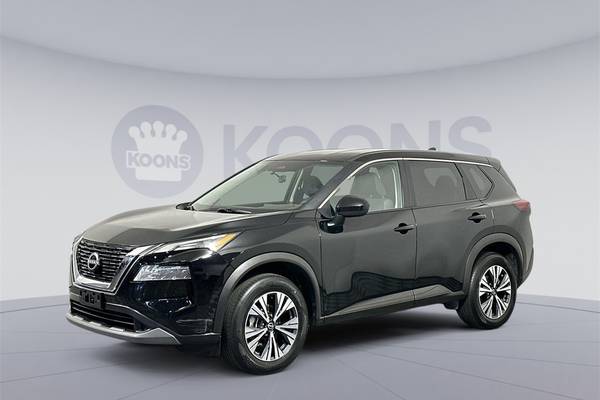
Located in Stafford, VA / 312 miles away from Columbus, OH
Accident Free Vehicle: No
Personal Use Only: No
History Provider: AutoCheck
Title Details: Clean Title
Salvage Vehicle: No
Frame Damage: No
Theft History: No
Lemon Status: No
Free History Report: No
Features and Specs:
21 Combined MPG (19 City/26 Highway)
Listing Information:
VIN: 5N1AR2MM3FC603997
Stock: EZA5142
Certified Pre-Owned: No
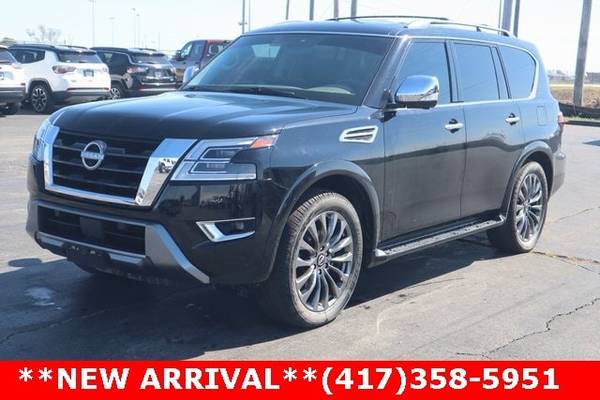
Located in Conway, AR / 625 miles away from Columbus, OH
New Price! Apple CarPlay, Android Auto, Aluminum Wheels, Alloy Wheels, Backup Camera, Bluetooth, Navigation System, 2nd Row Captain's Chairs, 2nd Row...
Accident Free Vehicle: Yes
Personal Use Only: Yes
History Provider: AutoCheck
Title Details: Clean Title
Salvage Vehicle: No
Frame Damage: No
Theft History: No
Lemon Status: No
Free History Report: No
Features and Specs:
16 Combined MPG (14 City/19 Highway)
Listing Information:
VIN: JN8AY2DA5P9402635
Stock: AH4710
Certified Pre-Owned: No
Listed since: 03-08-2024

Located in Clearwater, FL / 835 miles away from Columbus, OH
Certified. Super Black 2021 Nissan Rogue SV FWD CVT with Xtronic 2.5L I4 DOHC 16V26/34 City/Highway MPGCertification Program Details: At Hertz Car Sal...
Accident Free Vehicle: No
Personal Use Only: No
History Provider: AutoCheck
Title Details: Clean Title
Salvage Vehicle: No
Frame Damage: No
Theft History: No
Lemon Status: No
Free History Report: No
Features and Specs:
29 Combined MPG (26 City/34 Highway)
Listing Information:
VIN: 5N1AT3BA1MC749005
Stock: 54470
Certified Pre-Owned: No
Listed since: 01-10-2024

Located in Chantilly, VA / 297 miles away from Columbus, OH
2014 NISSAN ROGUE SELECT AWD with powerful 2.5L DOHC 16-VALVE I-4 engine and driven only 74328 miles! FINANCING AVAILABLE** Contact Auto Motion at 571...
Accident Free Vehicle: No
Personal Use Only: Yes
History Provider: AutoCheck
Title Details: Clean Title
Salvage Vehicle: No
Frame Damage: No
Theft History: No
Lemon Status: No
Free History Report: No
Features and Specs:
24 Combined MPG (22 City/27 Highway)
Listing Information:
VIN: JN8AS5MV4EW203225
Stock: AMN3635
Certified Pre-Owned: No

Located in Fredericksburg, VA / 313 miles away from Columbus, OH
Autos Direct is pleased to offer this Beautiful 2016 Nissan Titan XD. This Platinum Reserve Titan XD comes well equipped with .Deep Blue Pearl 2016 Ni...
Accident Free Vehicle: No
Personal Use Only: Yes
History Provider: AutoCheck
Title Details: Clean Title
Salvage Vehicle: No
Frame Damage: No
Theft History: No
Lemon Status: No
Free History Report: No
Features and Specs:
Listing Information:
VIN: 1N6BA1F26GN512523
Stock: D12489
Certified Pre-Owned: No

Located in Georgetown, KY / 155 miles away from Columbus, OH
2022 Nissan Frontier SV 4WD 3.8L DI DOHC 24V V6 9-Speed Automatic 4D Crew Cab Tactical Green Metallic 4WD.Clean CARFAX. CARFAX One-Owner.**THIS VEHICL...
Accident Free Vehicle: Yes
Personal Use Only: Yes
History Provider: AutoCheck
Title Details: Clean Title
Salvage Vehicle: No
Frame Damage: No
Theft History: No
Lemon Status: No
Free History Report: No
Features and Specs:
19 Combined MPG (17 City/22 Highway)
Listing Information:
VIN: 1N6ED1EK1NN673140
Stock: 7105A
Certified Pre-Owned: No
Listed since: 03-30-2024
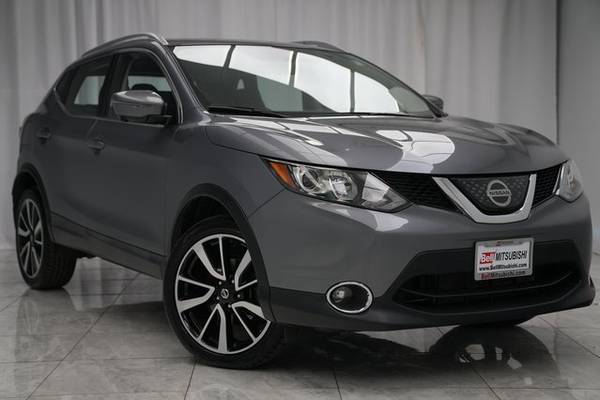
Located in Rahway, NJ / 454 miles away from Columbus, OH
Priced below KBB Fair Purchase Price! Clean CARFAX. Gun Metallic 2018 Nissan Rogue Sport SL 4D Sport Utility AWD CVT with Xtronic 2.0L DOHC 4-Wheel Di...
Accident Free Vehicle: Yes
Personal Use Only: No
History Provider: AutoCheck
Title Details: Clean Title
Salvage Vehicle: No
Frame Damage: No
Theft History: No
Lemon Status: No
Free History Report: No
Features and Specs:
27 Combined MPG (24 City/30 Highway)
Listing Information:
VIN: JN1BJ1CR5JW286581
Stock: 34313AAM
Certified Pre-Owned: No
Listed since: 10-28-2023

Located in Rahway, NJ / 454 miles away from Columbus, OH
Priced below KBB Fair Purchase Price! CARFAX One-Owner. Scarlet Ember Tintcoat 2021 Nissan Sentra SV 4D Sedan FWD CVT with Xtronic 2.0L DOHC CVT with ...
Accident Free Vehicle: Yes
Personal Use Only: Yes
History Provider: AutoCheck
Title Details: Clean Title
Salvage Vehicle: No
Frame Damage: No
Theft History: No
Lemon Status: No
Free History Report: No
Features and Specs:
33 Combined MPG (29 City/39 Highway)
Listing Information:
VIN: 3N1AB8CV1MY280126
Stock: 35190M
Certified Pre-Owned: No
Listed since: 11-13-2023

Located in Rahway, NJ / 454 miles away from Columbus, OH
Priced below KBB Fair Purchase Price! Clean CARFAX. CARFAX One-Owner. Gun Metallic 2023 Nissan Sentra SR 4D Sedan FWD CVT with Xtronic 2.0L DOHC CVT w...
Accident Free Vehicle: Yes
Personal Use Only: No
History Provider: AutoCheck
Title Details: Clean Title
Salvage Vehicle: No
Frame Damage: No
Theft History: No
Lemon Status: No
Free History Report: No
Features and Specs:
32 Combined MPG (28 City/37 Highway)
Listing Information:
VIN: 3N1AB8DV0PY232913
Stock: 35095M
Certified Pre-Owned: No
Listed since: 09-23-2023

Located in Holland, MI / 253 miles away from Columbus, OH
Priced below KBB Fair Purchase Price! bluetooth, sunroof, panoramic roof, leather interior, heated seats, Apple carplay, Android auto, back-up camera,...
Accident Free Vehicle: Yes
Personal Use Only: Yes
History Provider: AutoCheck
Title Details: Clean Title
Salvage Vehicle: No
Frame Damage: No
Theft History: No
Lemon Status: No
Free History Report: No
Features and Specs:
31 Combined MPG (28 City/35 Highway)
Listing Information:
VIN: JN8BT3BB8PW183420
Stock: PW183420
Certified Pre-Owned: No
Listed since: 02-20-2024

Located in Tampa, FL / 829 miles away from Columbus, OH
At Hertz Car Sales, view our thousands of vehicles with pricing often below market value! Take advantage of no-haggle pricing, our 7 day/250 mile Buy ...
AutoCheck Vehicle History Summary Unavailable.
Features and Specs:
32 Combined MPG (29 City/37 Highway)
Listing Information:
VIN: 3N1AB7AP7KY238362
Stock: 54372
Certified Pre-Owned: No
Listed since: 04-16-2024
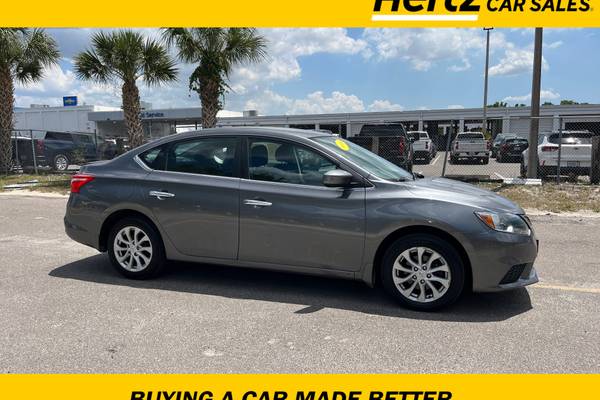
Located in Tampa, FL / 829 miles away from Columbus, OH
At Hertz Car Sales, view our thousands of vehicles with pricing often below market value! Take advantage of no-haggle pricing, our 7 day/250 mile Buy ...
Accident Free Vehicle: No
Personal Use Only: No
History Provider: AutoCheck
Title Details: Clean Title
Salvage Vehicle: No
Frame Damage: No
Theft History: No
Lemon Status: No
Free History Report: No
Features and Specs:
32 Combined MPG (29 City/37 Highway)
Listing Information:
VIN: 3N1AB7AP8KY333402
Stock: 54376
Certified Pre-Owned: No
Listed since: 04-16-2024
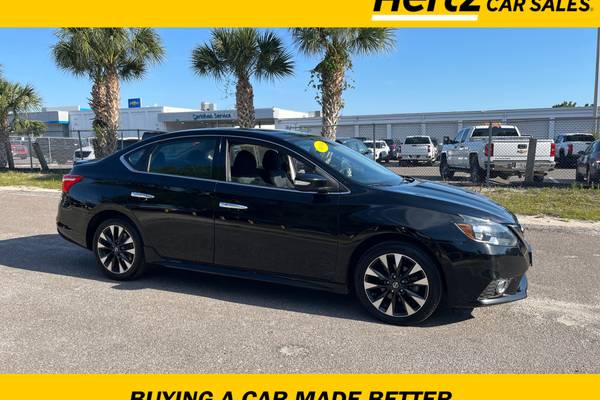
Located in Tampa, FL / 829 miles away from Columbus, OH
At Hertz Car Sales, view our thousands of vehicles with pricing often below market value! Take advantage of no-haggle pricing, our 7 day/250 mile Buy ...
Accident Free Vehicle: Yes
Personal Use Only: No
History Provider: AutoCheck
Title Details: Clean Title
Salvage Vehicle: No
Frame Damage: No
Theft History: No
Lemon Status: No
Free History Report: No
Features and Specs:
32 Combined MPG (28 City/39 Highway)
Listing Information:
VIN: 1N4BL4BV8MN382874
Stock: 54277
Certified Pre-Owned: No
Listed since: 04-04-2024

Located in Tampa, FL / 829 miles away from Columbus, OH
At Hertz Car Sales, view our thousands of vehicles with pricing often below market value! Take advantage of no-haggle pricing, our 7 day/250 mile Buy ...
Accident Free Vehicle: No
Personal Use Only: No
History Provider: AutoCheck
Title Details: Clean Title
Salvage Vehicle: No
Frame Damage: No
Theft History: No
Lemon Status: No
Free History Report: No
Features and Specs:
23 Combined MPG (20 City/28 Highway)
Listing Information:
VIN: 5N1AZ2ASXLN126102
Stock: 53952
Certified Pre-Owned: No
Listed since: 02-02-2024

Located in Hamden, CT / 529 miles away from Columbus, OH
Gun Metallic 2021 Nissan Sentra S FWD CVT with Xtronic 2.0L DOHC ONE OWNER, BACK UP CAMERA, BLUETOOTH/HANDS FREE/CELL PHONE, AUTOMATIC EMERGENCY BRAKI...
Accident Free Vehicle: No
Personal Use Only: Yes
History Provider: AutoCheck
Title Details: Clean Title
Salvage Vehicle: No
Frame Damage: No
Theft History: No
Lemon Status: No
Free History Report: No
Features and Specs:
33 Combined MPG (29 City/39 Highway)
Listing Information:
VIN: 3N1AB8BV0MY263772
Stock: P4761
Certified Pre-Owned: No
Listed since: 04-11-2024
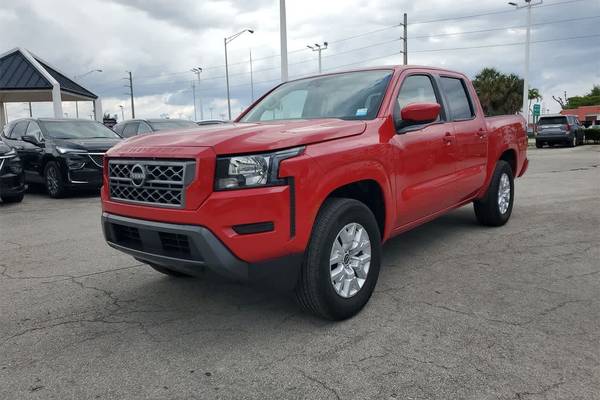
Located in Miami, FL / 984 miles away from Columbus, OH
CLEAN CARFAX NO ACCIDENTS REPORTED, ONE OWNER, REAR BACK UP CAMERA, BLUETOOTH HANDS FREE CELL PHONE, NAVIGATION/GPS, WIFI, APPLE CAR PLAY, TRAILER TOW...
Accident Free Vehicle: Yes
Personal Use Only: No
History Provider: AutoCheck
Title Details: Clean Title
Salvage Vehicle: No
Frame Damage: No
Theft History: No
Lemon Status: No
Free History Report: No
Features and Specs:
20 Combined MPG (18 City/24 Highway)
Listing Information:
VIN: 1N6ED1EJ9NN636392
Stock: PBNN636392
Certified Pre-Owned: No
Listed since: 04-15-2024


Located in Middletown, CT / 543 miles away from Columbus, OH
Nissan Certified Details:* Transferable Warranty* 167-Point Inspection Process, 7 Year/100,000 Mile Limited Warranty, 24/7 Hour Roadside Assistance, C...
Accident Free Vehicle: No
Personal Use Only: Yes
History Provider: AutoCheck
Title Details: Clean Title
Salvage Vehicle: No
Frame Damage: No
Theft History: No
Lemon Status: No
Free History Report: No
Features and Specs:
29 Combined MPG (25 City/35 Highway)
Listing Information:
VIN: 1N4BL4FW9MN376441
Stock: RN324194A
Certified Pre-Owned: Yes
Listed since: 03-30-2024

Located in Middletown, CT / 543 miles away from Columbus, OH
ONE OWNER, CLEAN CARFAX/NO ACCIDENTS REPORTED, REMAINDER OF FACTORY WARRANTY, ALL WHEEL DRIVE, BACK UP CAMERA, BLUETOOTH/HANDS FREE/CELL PHONE, AUTOMA...
Accident Free Vehicle: Yes
Personal Use Only: Yes
History Provider: AutoCheck
Title Details: Clean Title
Salvage Vehicle: No
Frame Damage: No
Theft History: No
Lemon Status: No
Free History Report: No
Features and Specs:
31 Combined MPG (28 City/35 Highway)
Listing Information:
VIN: 5N1BT3AB2PC682854
Stock: PY315733A
Certified Pre-Owned: No
Listed since: 09-06-2023
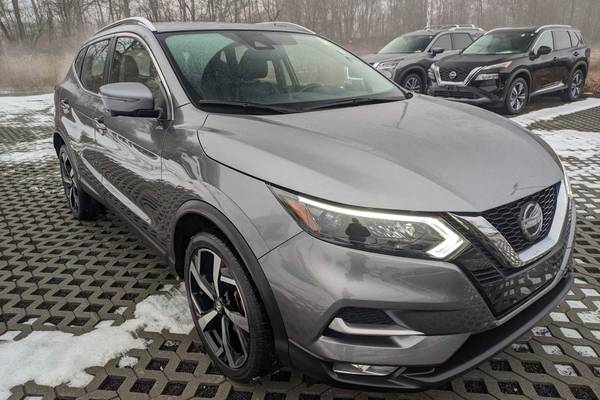
Located in Middletown, CT / 543 miles away from Columbus, OH
Nissan Certified Details:* Transferable Warranty* Warranty Deductible: $100* 167-Point Inspection Process, 7 Year/100,000 Mile Limited Warranty, 24/7 ...
Accident Free Vehicle: Yes
Personal Use Only: Yes
History Provider: AutoCheck
Title Details: Clean Title
Salvage Vehicle: No
Frame Damage: No
Theft History: No
Lemon Status: No
Free History Report: No
Features and Specs:
27 Combined MPG (24 City/30 Highway)
Listing Information:
VIN: JN1BJ1CW3LW650926
Stock: PC897461A
Certified Pre-Owned: Yes
Listed since: 01-13-2024

Located in Middletown, CT / 543 miles away from Columbus, OH
Nissan Certified Details:* Warranty Deductible: $100* 167-Point Inspection Process, 7 Year/100,000 Mile Limited Warranty, 24/7 Hour Roadside Assistanc...
Accident Free Vehicle: Yes
Personal Use Only: Yes
History Provider: AutoCheck
Title Details: Clean Title
Salvage Vehicle: No
Frame Damage: No
Theft History: No
Lemon Status: No
Free History Report: No
Features and Specs:
28 Combined MPG (25 City/32 Highway)
Listing Information:
VIN: 5N1AT3BB8MC753304
Stock: F38024A
Certified Pre-Owned: Yes
Listed since: 12-20-2023