Used 2008 Mitsubishi Lancer for Sale Near Me
Describe what you’re looking for
BETA
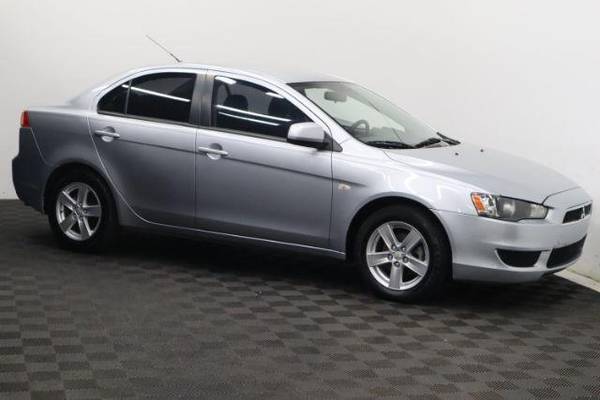
Located in Chantilly, VA / 295 miles away from Columbus, OH
We at Precise Automotive Group will now provide customers with FREE and FAST shipping on all vehicles to your front door within 300 miles, if your fur...
Accident Free Vehicle: Yes
Personal Use Only: Yes
History Provider: AutoCheck
Title Details: Clean Title
Salvage Vehicle: No
Frame Damage: No
Theft History: No
Lemon Status: No
Free History Report: No
Features and Specs:
24 Combined MPG (22 City/29 Highway)
Listing Information:
VIN: JA3AU26U78U013488
Stock: P3488
Certified Pre-Owned: No
Listed since: 04-09-2024

Located in League City, TX / 1,006 miles away from Columbus, OH
Only 166,420 Miles! This Mitsubishi Lancer boasts a Gas I4 2.0L/122 engine powering it's sleek transmission. Variable intermittent windshield wipers w...
Accident Free Vehicle: Yes
Personal Use Only: Yes
History Provider: AutoCheck
Title Details: Clean Title
Salvage Vehicle: No
Frame Damage: No
Theft History: No
Lemon Status: No
Free History Report: No
Features and Specs:
25 Combined MPG (22 City/30 Highway)
Listing Information:
VIN: JA3AU26UX9U037902
Stock: P13946
Certified Pre-Owned: No
Listed since: 05-02-2024

Located in Stafford, VA / 312 miles away from Columbus, OH
Accident Free Vehicle: Yes
Personal Use Only: Yes
History Provider: AutoCheck
Title Details: Clean Title
Salvage Vehicle: No
Frame Damage: No
Theft History: No
Lemon Status: No
Free History Report: No
Features and Specs:
25 Combined MPG (22 City/29 Highway)
Listing Information:
VIN: JA32U8FW8AU012705
Stock: 012705
Certified Pre-Owned: No
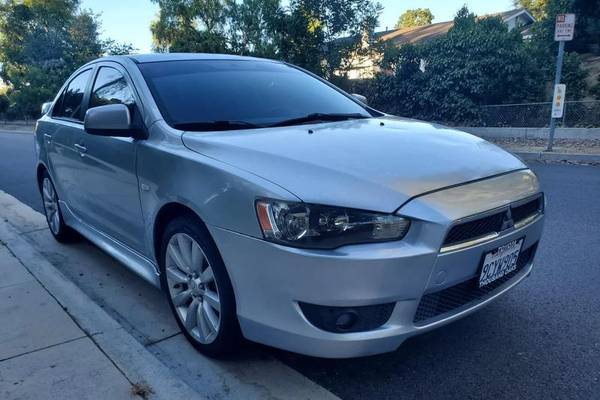
Located in Thousand Oaks, CA / 2,013 miles away from Columbus, OH
We're located at:1282 Newbury Rd, Newbury Park CA 91320,off the 101 Freeway Exit VentuGreat deal on this one!!Car shopping? We are the number one auto...
Accident Free Vehicle: Yes
Personal Use Only: Yes
History Provider: AutoCheck
Title Details: Clean Title
Salvage Vehicle: No
Frame Damage: No
Theft History: No
Lemon Status: No
Free History Report: No
Features and Specs:
25 Combined MPG (22 City/29 Highway)
Listing Information:
VIN: JA32U8FW8AU029116
Stock: 339
Certified Pre-Owned: No

Located in Covina, CA / 1,961 miles away from Columbus, OH
NICE CLEAN 2008 MITSUBISHI LANCER DE SEDAN 2.0 4-CYL AUTO A/C PS PB POWER WINDOWS PDL MEDIA SILVER ON BLACK INTERIOR JUST SERVICED ORIGINAL CONDITION ...
Accident Free Vehicle: Yes
Personal Use Only: Yes
History Provider: AutoCheck
Title Details: Clean Title
Salvage Vehicle: No
Frame Damage: No
Theft History: No
Lemon Status: No
Free History Report: No
Features and Specs:
24 Combined MPG (22 City/29 Highway)
Listing Information:
VIN: JA3AU16U28U031035
Stock: 031035
Certified Pre-Owned: No
Listed since: 05-02-2024

Located in St. Louis, MO / 410 miles away from Columbus, OH
Chase Auto Group outstanding inventory, best prices and excellent customer service is what sets us apart from the crowd in terms of integrity and valu...
Accident Free Vehicle: Yes
Personal Use Only: No
History Provider: AutoCheck
Title Details: Clean Title
Salvage Vehicle: No
Frame Damage: No
Theft History: No
Lemon Status: No
Free History Report: No
Features and Specs:
Listing Information:
VIN: JA3AU26U48U017921
Stock: 017921
Certified Pre-Owned: No
Listed since: 04-28-2024

Located in Fremont, CA / 2,097 miles away from Columbus, OH
2008 Mitsubishi Lancer GTS (Hi 5 Auto) *Clean Title *Mileage: 88,712 Low Miles *Runs Excellent *Very Clean In and Out *Made In Japan It Features: -4-C...
Accident Free Vehicle: Yes
Personal Use Only: Yes
History Provider: AutoCheck
Title Details: Clean Title
Salvage Vehicle: No
Frame Damage: No
Theft History: No
Lemon Status: No
Free History Report: No
Features and Specs:
24 Combined MPG (22 City/29 Highway)
Listing Information:
VIN: JA3AU86U68U022993
Stock: 022993
Certified Pre-Owned: No
Listed since: 05-08-2024
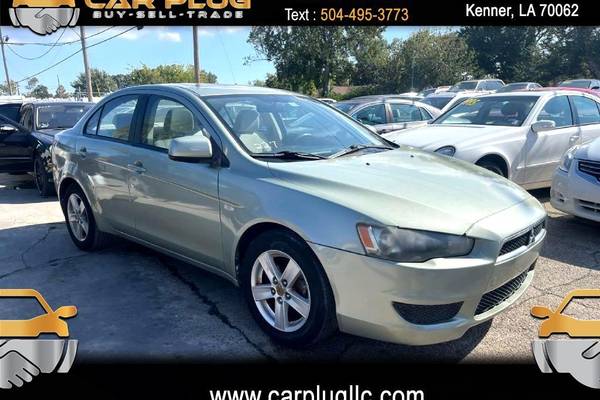
Located in Kenner, LA / 811 miles away from Columbus, OH
Visit Car Plug LLC online at https://carplugllc.com to see more pictures of this vehicle or call us at 5**-4**-5*** today to schedule your test drive....
Accident Free Vehicle: Yes
Personal Use Only: No
History Provider: AutoCheck
Title Details: Clean Title
Salvage Vehicle: No
Frame Damage: No
Theft History: No
Lemon Status: No
Free History Report: No
Features and Specs:
24 Combined MPG (22 City/29 Highway)
Listing Information:
VIN: JA3AU26U58U004126
Stock: 227-190-C
Certified Pre-Owned: No
Listed since: 10-25-2023

Located in Rome, GA / 420 miles away from Columbus, OH
This car is in excellent condition. Come and test drive.
Accident Free Vehicle: No
Personal Use Only: Yes
History Provider: AutoCheck
Title Details: Clean Title
Salvage Vehicle: No
Frame Damage: No
Theft History: No
Lemon Status: No
Free History Report: No
Features and Specs:
24 Combined MPG (22 City/29 Highway)
Listing Information:
VIN: JA3AU26U18U037544
Stock: 1033
Certified Pre-Owned: No
Listed since: 01-05-2023

Located in Beach Park, IL / 306 miles away from Columbus, OH
2008 MITSUBISHI LANCER GTS WITH 133,134 MILES CLEAN AND CLEAR TITLE MANUAL TRANSMISSION LOADED, CD RADIO AM FM, CRUISE CONTROL, POWER WINDOWS, POWER D...
Accident Free Vehicle: No
Personal Use Only: Yes
History Provider: AutoCheck
Title Details: Clean Title
Salvage Vehicle: No
Frame Damage: No
Theft History: No
Lemon Status: No
Free History Report: No
Features and Specs:
24 Combined MPG (21 City/29 Highway)
Listing Information:
VIN: JA3AU86U28U022327
Stock: 2807
Certified Pre-Owned: No
Listed since: 11-15-2023

Located in Manhattan, KS / 730 miles away from Columbus, OH
2008 Mitsubishi Lancer GTS, FWD (front wheel drive). black cloth interior, rear spoiler, alloys with great tires, bucket seats, steering wheel contro...
Accident Free Vehicle: No
Personal Use Only: Yes
History Provider: AutoCheck
Title Details: Clean Title
Salvage Vehicle: No
Frame Damage: No
Theft History: No
Lemon Status: No
Free History Report: No
Features and Specs:
24 Combined MPG (22 City/29 Highway)
Listing Information:
VIN: JA3AU86U28U026507
Stock: 026507
Certified Pre-Owned: No
Listed since: 05-09-2024
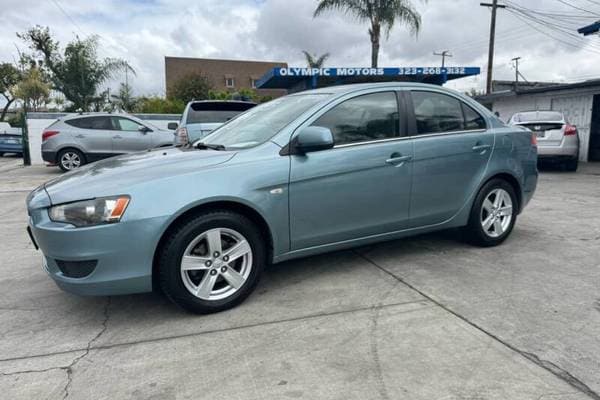
Located in Los Angeles, CA / 1,978 miles away from Columbus, OH
2008 MITSUBISHI LANCER 151K MILES AUTOMATIC CLEAN TITLE SMOG READY ADVERTISED PRICE IS CASH PRICE PLUS TAX, LICENSE & REGISTRATION FEES ***Advertised ...
Accident Free Vehicle: No
Personal Use Only: Yes
History Provider: AutoCheck
Title Details: Clean Title
Salvage Vehicle: No
Frame Damage: No
Theft History: No
Lemon Status: No
Free History Report: No
Features and Specs:
24 Combined MPG (22 City/29 Highway)
Listing Information:
VIN: JA3AU26U68U032775
Stock: 3334
Certified Pre-Owned: No
Listed since: 04-19-2024

Located in Louisville, KY / 199 miles away from Columbus, OH
PLEASE CALL US AT 5**-5**-7*** OR TEXT US AT 5**-7**-3*** WITH ANY QUESTIONS...PRICED AT WHOLESALE..$7.990.. CASH OR BANK FINANCING...EMAIL US...@. *...
Accident Free Vehicle: No
Personal Use Only: Yes
History Provider: AutoCheck
Title Details: Clean Title
Salvage Vehicle: No
Frame Damage: No
Theft History: No
Lemon Status: No
Free History Report: No
Features and Specs:
24 Combined MPG (22 City/28 Highway)
Listing Information:
VIN: JA3AU26U09U036533
Stock: F0365
Certified Pre-Owned: No
Listed since: 12-06-2023
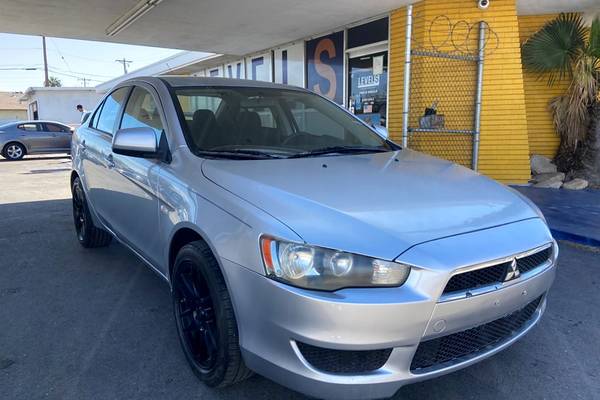
Located in Tucson, AZ / 1,651 miles away from Columbus, OH
A rare find with this low mileage. Only 71,930 miles and the automatic transmission makes driving easier in stop-and-go traffic and on hilly roads.Thi...
Accident Free Vehicle: Yes
Personal Use Only: No
History Provider: AutoCheck
Title Details: Clean Title
Salvage Vehicle: No
Frame Damage: No
Theft History: No
Lemon Status: No
Free History Report: No
Features and Specs:
24 Combined MPG (22 City/28 Highway)
Listing Information:
VIN: JA3AU26U59U037337
Stock: 10448
Certified Pre-Owned: No
Listed since: 12-17-2022
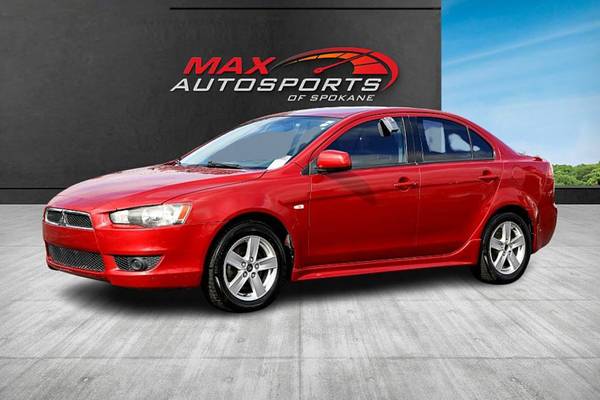
Located in Spokane, WA / 1,784 miles away from Columbus, OH
This RED 2009 Mitsubishi Lancer GTS would be a welcomed addition to your family/business.=== Convenience === * Cruise control with steering wheel mo...
Accident Free Vehicle: Yes
Personal Use Only: Yes
History Provider: AutoCheck
Title Details: Title issue reported
Salvage Vehicle: No
Frame Damage: No
Theft History: No
Lemon Status: No
Free History Report: No
Features and Specs:
23 Combined MPG (21 City/28 Highway)
Listing Information:
VIN: JA3AU86W59U011891
Stock: 83492
Certified Pre-Owned: No
Listed since: 10-13-2023
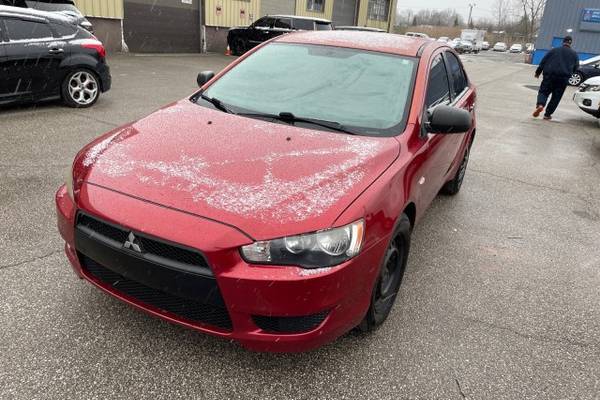
Located in Cleveland, OH / 111 miles away from Columbus, OH
We have been Cleveland's leading Independent dealership for over 50 years. Every vehicle we sell has been safety inspected and serviced and is ready f...
Accident Free Vehicle: No
Personal Use Only: Yes
History Provider: AutoCheck
Title Details: Clean Title
Salvage Vehicle: No
Frame Damage: No
Theft History: No
Lemon Status: No
Free History Report: No
Features and Specs:
25 Combined MPG (22 City/30 Highway)
Listing Information:
VIN: JA3AU16U79U022798
Stock: 41371
Certified Pre-Owned: No
Listed since: 03-15-2024

Located in Stafford, VA / 312 miles away from Columbus, OH
2012 Mitsubishi Lancer GT Sedan 4D - Sedan 4-Cyl, 2.4 Liter - 168 Horse Power - Manual, 5-SpdFWD - 4 Doors - Gasoline JA32U8FW3CU018379 102,737 MILESS...
Accident Free Vehicle: Yes
Personal Use Only: Yes
History Provider: AutoCheck
Title Details: Clean Title
Salvage Vehicle: No
Frame Damage: No
Theft History: No
Lemon Status: No
Free History Report: No
Features and Specs:
26 Combined MPG (22 City/31 Highway)
Listing Information:
VIN: JA32U8FW3CU018379
Stock: 018379ROV
Certified Pre-Owned: No
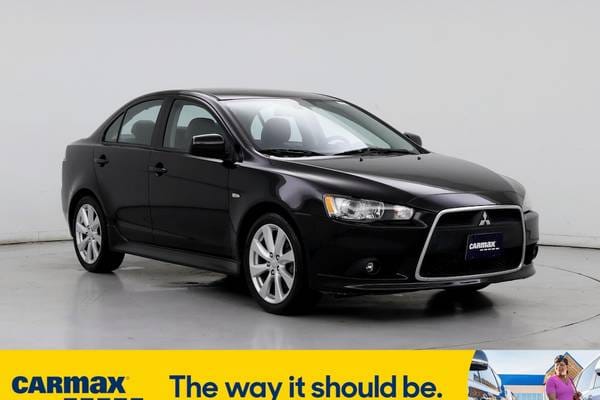
Located in Irving, TX / 924 miles away from Columbus, OH
CarMax values transparency and wants you to love your next car, not settle on it. Certain vehicles may have unrepaired safety recalls. Check nhtsa.gov...
Accident Free Vehicle: Yes
Personal Use Only: Yes
History Provider: AutoCheck
Title Details: Clean Title
Salvage Vehicle: No
Frame Damage: No
Theft History: No
Lemon Status: No
Free History Report: No
Features and Specs:
26 Combined MPG (23 City/30 Highway)
Listing Information:
VIN: JA32U8FW1CU017554
Stock: 25249120
Certified Pre-Owned: No

Located in West Haven, CT / 525 miles away from Columbus, OH
2012 Mitsubishi Lancer ES Sedan: CERTIFIED VEHICLE W/ 90 DAY POWERTRAIN WARRANTY INCLUDED!! This 2012 Lancer ES by Mitsubishi is a Sharp Looking Seda...
Accident Free Vehicle: Yes
Personal Use Only: Yes
History Provider: AutoCheck
Title Details: Clean Title
Salvage Vehicle: No
Frame Damage: No
Theft History: No
Lemon Status: No
Free History Report: No
Features and Specs:
28 Combined MPG (25 City/34 Highway)
Listing Information:
VIN: JA32U2FU1CU021759
Stock: 7712
Certified Pre-Owned: No
Listed since: 04-22-2024
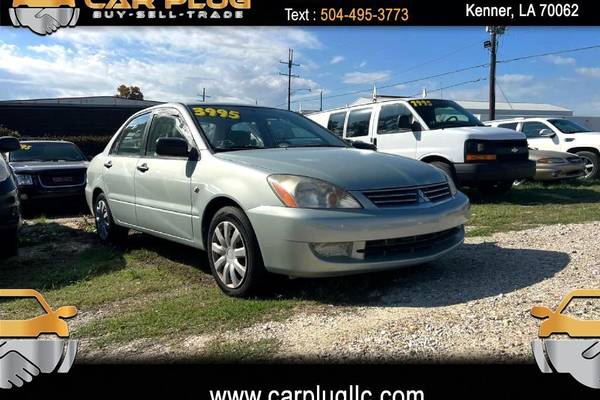
Located in Kenner, LA / 811 miles away from Columbus, OH
Visit Car Plug LLC online at https://carplugllc.com to see more pictures of this vehicle or call us at 5**-4**-5*** today to schedule your test drive....
Accident Free Vehicle: Yes
Personal Use Only: No
History Provider: AutoCheck
Title Details: Clean Title
Salvage Vehicle: No
Frame Damage: No
Theft History: No
Lemon Status: No
Free History Report: No
Features and Specs:
Listing Information:
VIN: JA3AJ26E16U069294
Stock: 73-TMU-CM
Certified Pre-Owned: No
Listed since: 10-19-2023

Located in West Allis, WI / 338 miles away from Columbus, OH
Only 157,000 miles on this 2010 Mitsubishi Lancer with Aux. port and alloy wheels. Great miles per gallon.Stop into Car King today! We are celebrating...
Accident Free Vehicle: No
Personal Use Only: Yes
History Provider: AutoCheck
Title Details: Clean Title
Salvage Vehicle: No
Frame Damage: No
Theft History: No
Lemon Status: No
Free History Report: No
Features and Specs:
26 Combined MPG (23 City/30 Highway)
Listing Information:
VIN: JA32U2FU4AU027195
Stock: 11876
Certified Pre-Owned: No
Listed since: 04-30-2024
* Delivery of any kind does not apply to Alaska and Hawaii. Contact the dealer for delivery details, restrictions and costs.