Used Mitsubishi for Sale Near Me
Describe what you’re looking for
BETA

Located in Doylestown, PA / 408 miles away from Columbus, OH
You must call us at 267-655-2055 to confirm vehicle availability. We offer pre owned vehicles at excellent price. We do not negitoate on the price. T...
Accident Free Vehicle: No
Personal Use Only: Yes
History Provider: AutoCheck
Title Details: Clean Title
Salvage Vehicle: No
Frame Damage: No
Theft History: No
Lemon Status: No
Free History Report: No
Features and Specs:
24 Combined MPG (23 City/26 Highway)
Listing Information:
VIN: 4A4AR4AW5FE028885
Stock: P11019
Certified Pre-Owned: No
Listed since: 05-01-2024
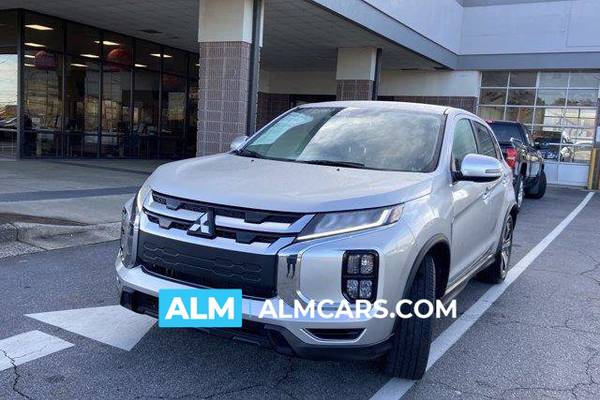
Located in Athens, GA / 423 miles away from Columbus, OH
HEATED FRONT SEATS..BLIND SPOT..LANE DEPART..BACKUP CAMERA..CRUISE CONTROL..BRAKE ASSIST..KEYLESS ENTRY..BLUETOOTH..ALL PWR FULLY LOADED OPTIONS SUPER...
Accident Free Vehicle: Yes
Personal Use Only: No
History Provider: AutoCheck
Title Details: Clean Title
Salvage Vehicle: No
Frame Damage: No
Theft History: No
Lemon Status: No
Free History Report: No
Features and Specs:
27 Combined MPG (24 City/30 Highway)
Listing Information:
VIN: JA4AP4AU8LU023008
Stock: LU023008
Certified Pre-Owned: No
Listed since: 11-16-2023

Located in Wall, NJ / 461 miles away from Columbus, OH
Just arrived is this three-row, comfortable, FACTORY FRESH, NO-ACCIDENT, ONE-OWNER, NONSMOKER 2023 Mitsubishi Outlander SE PHEV 4x4 with SUPER-ALL WHE...
Accident Free Vehicle: Yes
Personal Use Only: Yes
History Provider: AutoCheck
Title Details: Clean Title
Salvage Vehicle: No
Frame Damage: No
Theft History: No
Lemon Status: No
Free History Report: No
Features and Specs:
26 Combined MPG (25 City/27 Highway)
Listing Information:
VIN: JA4T5UA91PZ028389
Stock: 46709
Certified Pre-Owned: No
Listed since: 04-29-2024

Located in Davie, FL / 978 miles away from Columbus, OH
Florida's Only True Wholesale to the Public Dealer! All of our vehicles are priced at or below the current auction market wholesale price. 2020 Mitsu...
Accident Free Vehicle: Yes
Personal Use Only: Yes
History Provider: AutoCheck
Title Details: Clean Title
Salvage Vehicle: No
Frame Damage: No
Theft History: No
Lemon Status: No
Free History Report: No
Features and Specs:
27 Combined MPG (25 City/30 Highway)
Listing Information:
VIN: JA4AD3A3XLZ014694
Stock: T4T041045A
Certified Pre-Owned: Yes
Listed since: 04-09-2024
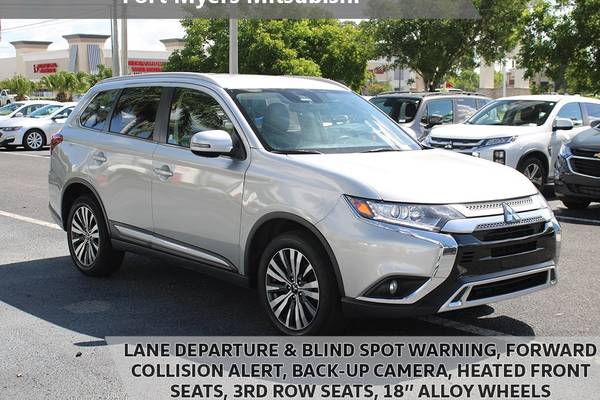
Located in Fort Myers, FL / 931 miles away from Columbus, OH
2020 Mitsubishi Outlander SEL Alloy Silver Metallic I4 FWD Forward collision alert, Lane departure warning, 3rd row seats: split-bench, Android Auto &...
Accident Free Vehicle: Yes
Personal Use Only: No
History Provider: AutoCheck
Title Details: Clean Title
Salvage Vehicle: No
Frame Damage: No
Theft History: No
Lemon Status: No
Free History Report: No
Features and Specs:
27 Combined MPG (25 City/30 Highway)
Listing Information:
VIN: JA4AD3A35LZ020161
Stock: 020161T02
Certified Pre-Owned: No
Listed since: 04-09-2024
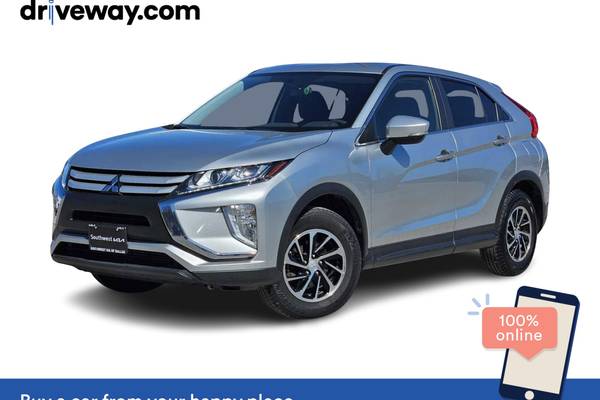
Located in Dallas, TX / 930 miles away from Columbus, OH
CarFax 1-Owner,High Demand,Rare Find,Back-Up Camera,Bluetooth,Brake Assist,Turbo/Supercharged,Power Door Locks,Brake Assist,Floor Mats,Front Wheel Dri...
Accident Free Vehicle: No
Personal Use Only: No
History Provider: AutoCheck
Title Details: Clean Title
Salvage Vehicle: No
Frame Damage: No
Theft History: No
Lemon Status: No
Free History Report: No
Features and Specs:
27 Combined MPG (26 City/29 Highway)
Listing Information:
VIN: JA4AS3AA4LZ043113
Stock: LZ043113P
Certified Pre-Owned: No

Located in Winter Haven, FL / 831 miles away from Columbus, OH
Priced below KBB Fair Purchase Price! Certified. PRICE LOWERED!!, Fully Serviced and Inspected, LEATHER SEATING, THIRD ROW SEATING, FUEL SAVER, 360 DE...
Accident Free Vehicle: Yes
Personal Use Only: Yes
History Provider: AutoCheck
Title Details: Clean Title
Salvage Vehicle: No
Frame Damage: No
Theft History: No
Lemon Status: No
Free History Report: No
Features and Specs:
26 Combined MPG (25 City/27 Highway)
Listing Information:
VIN: JA4T5VA91PZ030567
Stock: 22819A
Certified Pre-Owned: No
Listed since: 03-19-2024

Located in Trooper, PA / 395 miles away from Columbus, OH
VEHICLE OVERVIEW Introducing the 2020 Mitsubishi Eclipse Cross, a versatile and stylish compact SUV that offers a perfect blend of performance, comfor...
Accident Free Vehicle: No
Personal Use Only: No
History Provider: AutoCheck
Title Details: Clean Title
Salvage Vehicle: No
Frame Damage: No
Theft History: No
Lemon Status: No
Free History Report: No
Features and Specs:
25 Combined MPG (25 City/26 Highway)
Listing Information:
VIN: JA4AT4AA4LZ005559
Stock: 005559
Certified Pre-Owned: No
Listed since: 02-13-2024

Located in Trooper, PA / 395 miles away from Columbus, OH
VEHICLE OVERVIEW Experience the perfect blend of style, versatility, and value with our 2020 Mitsubishi Outlander Sport 2.0 SE. This compact SUV offer...
Accident Free Vehicle: Yes
Personal Use Only: No
History Provider: AutoCheck
Title Details: Clean Title
Salvage Vehicle: No
Frame Damage: No
Theft History: No
Lemon Status: No
Free History Report: No
Features and Specs:
27 Combined MPG (24 City/30 Highway)
Listing Information:
VIN: JA4AP4AU0LU024654
Stock: 024654A
Certified Pre-Owned: No
Listed since: 03-14-2024

Located in Bixby, OK / 763 miles away from Columbus, OH
You must call us at 539-500-1010 to confirm vehicle availability. We offer pre owned vehicles at excellent price. Get a better vehicle with us for le...
Accident Free Vehicle: No
Personal Use Only: No
History Provider: AutoCheck
Title Details: Clean Title
Salvage Vehicle: No
Frame Damage: No
Theft History: No
Lemon Status: No
Free History Report: No
Features and Specs:
37 Combined MPG (35 City/41 Highway)
Listing Information:
VIN: ML32FUFJ5NHF03942
Stock: T11870
Certified Pre-Owned: No
Listed since: 03-12-2024

Located in Carlstadt, NJ / 465 miles away from Columbus, OH
2019 Mitsubishi Eclipse Cross SEL 4WD 1.5L 4 Cylinder Turbo Engine 66,981 Miles · Outboard Front Lap And Shoulder Safety Belts · Lane Change Assi...
Accident Free Vehicle: No
Personal Use Only: No
History Provider: AutoCheck
Title Details: Clean Title
Salvage Vehicle: No
Frame Damage: No
Theft History: No
Lemon Status: No
Free History Report: No
Features and Specs:
25 Combined MPG (25 City/26 Highway)
Listing Information:
VIN: JA4AT5AA9KZ024628
Stock: 15822
Certified Pre-Owned: No
Listed since: 05-01-2024
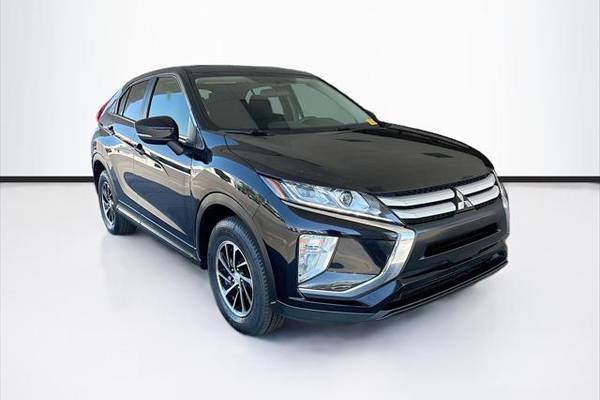
Located in Winter Park, FL / 795 miles away from Columbus, OH
This Tarmac Black Metallic 2020 Mitsubishi Eclipse Cross ES would be a welcomed addition to your family/business. No Accidents! This Eclipse Cross h...
Accident Free Vehicle: Yes
Personal Use Only: No
History Provider: AutoCheck
Title Details: Clean Title
Salvage Vehicle: No
Frame Damage: No
Theft History: No
Lemon Status: No
Free History Report: No
Features and Specs:
27 Combined MPG (26 City/29 Highway)
Listing Information:
VIN: JA4AS3AA2LZ033695
Stock: LZ033695
Certified Pre-Owned: No
Listed since: 03-26-2024
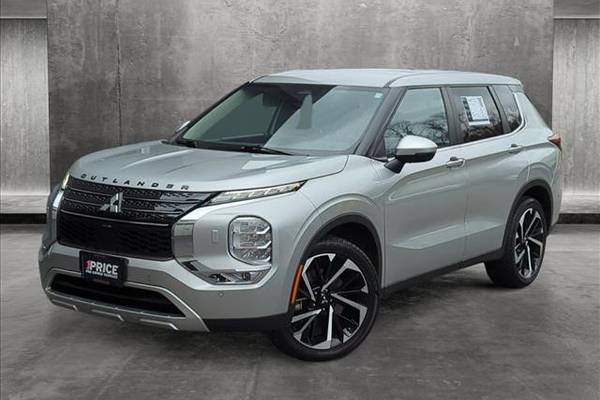
Located in Elmsford, NY / 480 miles away from Columbus, OH
The following items have been reconditioned on this vehicle: new brakes! Panoramic Roof Navigation System 3rd Row Seat Keyless Start Rear Spoiler A...
Accident Free Vehicle: Yes
Personal Use Only: Yes
History Provider: AutoCheck
Title Details: Clean Title
Salvage Vehicle: No
Frame Damage: No
Theft History: No
Lemon Status: No
Free History Report: No
Features and Specs:
26 Combined MPG (24 City/30 Highway)
Listing Information:
VIN: JA4J4UA86NZ009836
Stock: NZ009836
Certified Pre-Owned: No
Listed since: 04-15-2024

Located in Grand Prairie, TX / 938 miles away from Columbus, OH
At EchoPark, it’s all about offering you options for a happy experience. We have thousands of new-to-you makes and models that range from sedans to tr...
Accident Free Vehicle: Yes
Personal Use Only: Yes
History Provider: AutoCheck
Title Details: Clean Title
Salvage Vehicle: No
Frame Damage: No
Theft History: No
Lemon Status: No
Free History Report: No
Features and Specs:
26 Combined MPG (25 City/28 Highway)
Listing Information:
VIN: JA4ASWAA2NZ060092
Stock: RNZ060092
Certified Pre-Owned: No
Listed since: 04-10-2024

Located in Maumee, OH / 115 miles away from Columbus, OH
*** This vehicle is priced including the IRC 25E tax credit of $4000 or 30% of the sale price, whichever is less. The sale price assumes the assignmen...
Accident Free Vehicle: Yes
Personal Use Only: No
History Provider: AutoCheck
Title Details: Clean Title
Salvage Vehicle: No
Frame Damage: No
Theft History: No
Lemon Status: No
Free History Report: No
Features and Specs:
25 Combined MPG (25 City/26 Highway)
Listing Information:
VIN: JA4J24A52LZ041661
Stock: CV22484D
Certified Pre-Owned: No
Listed since: 03-29-2024

Located in Woodside, NY / 474 miles away from Columbus, OH
<b>Equipment</b> See what's behind you with the back up camera on the Mitsubishi Outlander. Lane Keep Assist in this model helps maintain safe driving...
Accident Free Vehicle: No
Personal Use Only: Yes
History Provider: AutoCheck
Title Details: Clean Title
Salvage Vehicle: No
Frame Damage: No
Theft History: No
Lemon Status: No
Free History Report: No
Features and Specs:
26 Combined MPG (24 City/30 Highway)
Listing Information:
VIN: JA4J4VA88NZ062009
Stock: UT6805
Certified Pre-Owned: No
Listed since: 04-19-2024
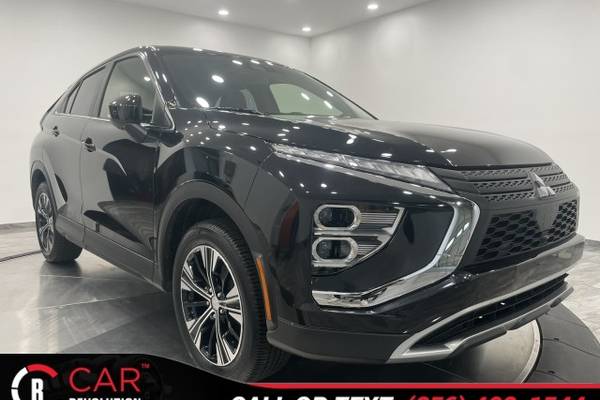
Located in Maple Shade, NJ / 417 miles away from Columbus, OH
Car Revolution is honored to present a wonderful example of pure vehicle design... this 2022 Mitsubishi Eclipse Cross SEL only has 12,324mi on it and ...
Accident Free Vehicle: No
Personal Use Only: Yes
History Provider: AutoCheck
Title Details: Clean Title
Salvage Vehicle: No
Frame Damage: No
Theft History: No
Lemon Status: No
Free History Report: No
Features and Specs:
25 Combined MPG (25 City/26 Highway)
Listing Information:
VIN: JA4ATWAA6NZ004217
Stock: 105050
Certified Pre-Owned: No
Listed since: 07-18-2023
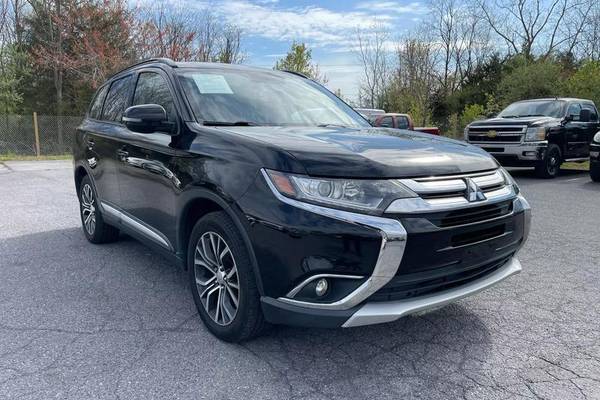
Located in Winchester, VA / 258 miles away from Columbus, OH
3 MONTH NATIONWIDE WARRANTY INCLUDED !!! CLEAN TITLE !!! 7 SEAT SUV !!! LEATHER INTERIOR WITH SUNROOF AND MOONROOF !!! BACK-UP CAMERA !!! NAVIGATION !...
Accident Free Vehicle: No
Personal Use Only: Yes
History Provider: AutoCheck
Title Details: Clean Title
Salvage Vehicle: No
Frame Damage: No
Theft History: No
Lemon Status: No
Free History Report: No
Features and Specs:
27 Combined MPG (25 City/31 Highway)
Listing Information:
VIN: JA4AD3A33GZ018401
Stock: 018401
Certified Pre-Owned: No
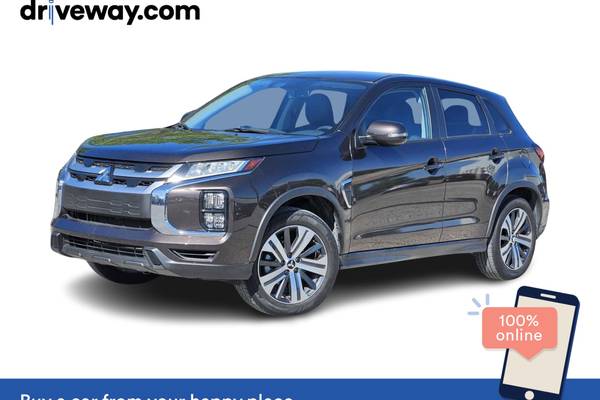
Located in Dallas, TX / 930 miles away from Columbus, OH
CarFax No Accidents Reported,CarFax 1-Owner,Rare Find,Apple CarPlay,Back-Up Camera,Blind Spot Monitor,Bluetooth,Brake Assist,Heated Seats,Keyless Star...
Accident Free Vehicle: Yes
Personal Use Only: Yes
History Provider: AutoCheck
Title Details: Clean Title
Salvage Vehicle: No
Frame Damage: No
Theft History: No
Lemon Status: No
Free History Report: No
Features and Specs:
27 Combined MPG (24 City/30 Highway)
Listing Information:
VIN: JA4APVAU7NU011134
Stock: NU011134P
Certified Pre-Owned: No
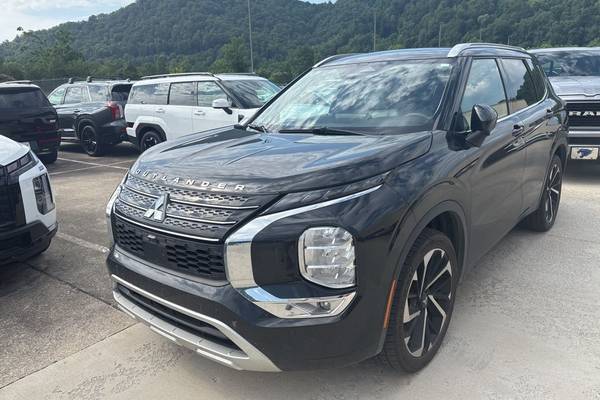
Located in Vienna, VA / 309 miles away from Columbus, OH
2023 Mitsubishi Outlander 4D Sport Utility, 2.5L 4-Cylinder DOHC, Automatic, 4WD, Black, Gry, 3rd row seats: split-bench, 4-Wheel Disc Brakes, ABS bra...
Accident Free Vehicle: Yes
Personal Use Only: Yes
History Provider: AutoCheck
Title Details: Clean Title
Salvage Vehicle: No
Frame Damage: No
Theft History: No
Lemon Status: No
Free History Report: No
Features and Specs:
26 Combined MPG (24 City/30 Highway)
Listing Information:
VIN: JA4J4VA81PZ017691
Stock: 0PB48604
Certified Pre-Owned: No
Listed since: 04-22-2024
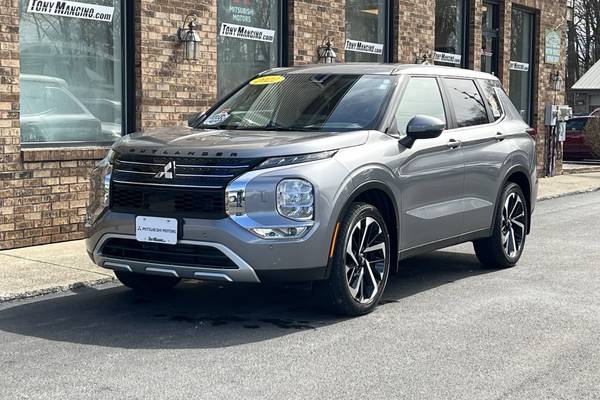
Located in Clifton Park, NY / 509 miles away from Columbus, OH
Scores 30 Highway MPG and 24 City MPG! Carfax One-Owner Vehicle. Eligible for Certified Pre-Owned*. This nicely optioned Mitsubishi Outlander SE in Me...
Accident Free Vehicle: Yes
Personal Use Only: Yes
History Provider: AutoCheck
Title Details: Clean Title
Salvage Vehicle: No
Frame Damage: No
Theft History: No
Lemon Status: No
Free History Report: No
Features and Specs:
26 Combined MPG (24 City/30 Highway)
Listing Information:
VIN: JA4J4UA86NZ032095
Stock: D10977
Certified Pre-Owned: Yes
Listed since: 03-22-2024
* Delivery of any kind does not apply to Alaska and Hawaii. Contact the dealer for delivery details, restrictions and costs.

