Used 2009 MINI Cooper for Sale Near Me
Describe what you’re looking for
BETA
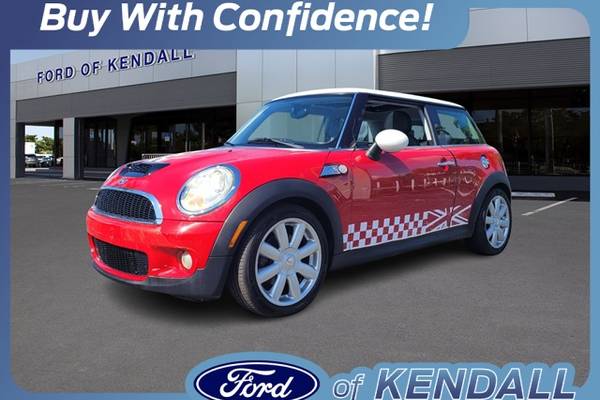
Located in Miami, FL / 1,007 miles away from Columbus, OH
Priced below KBB Fair Purchase Price! Clean CARFAX. Leather, Rear Backup Camera, Bluetooth, Carfax Certified, MUST SEE!, WON'T LAST!, NONSmoker, All b...
Accident Free Vehicle: Yes
Personal Use Only: No
History Provider: AutoCheck
Title Details: Clean Title
Salvage Vehicle: No
Frame Damage: No
Theft History: No
Lemon Status: No
Free History Report: No
Features and Specs:
29 Combined MPG (26 City/34 Highway)
Listing Information:
VIN: WMWMF73579TW82609
Stock: 9TW82609
Certified Pre-Owned: No
Listed since: 04-29-2023

Located in Virginia Beach, VA / 425 miles away from Columbus, OH
2 OWNERS SINCE NEW, CARFAX CERTIFIED NO ACCIDENTS, ...
Accident Free Vehicle: Yes
Personal Use Only: Yes
History Provider: AutoCheck
Title Details: Clean Title
Salvage Vehicle: No
Frame Damage: No
Theft History: No
Lemon Status: No
Free History Report: No
Features and Specs:
29 Combined MPG (26 City/34 Highway)
Listing Information:
VIN: WMWMF73509TT94964
Stock: T94964
Certified Pre-Owned: No

Located in Bellevue, WA / 2,005 miles away from Columbus, OH
Horizon Blue Metallic Rear Spoiler Grey/Carbon Black; Leatherette Seat Trim This vehicle includes a Money-Back Guarantee* and passed our precise ins...
Accident Free Vehicle: No
Personal Use Only: Yes
History Provider: AutoCheck
Title Details: Clean Title
Salvage Vehicle: No
Frame Damage: No
Theft History: No
Lemon Status: No
Free History Report: No
Features and Specs:
29 Combined MPG (26 City/34 Highway)
Listing Information:
VIN: WMWMF73539TT98586
Stock: 9TT98586
Certified Pre-Owned: No
Listed since: 05-05-2024
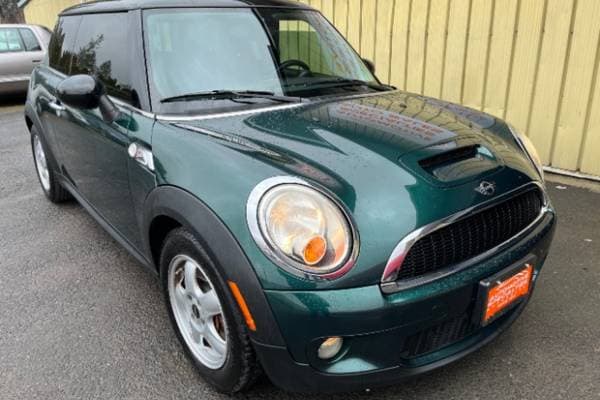
Located in Spokane, WA / 1,784 miles away from Columbus, OH
This 2009 MINI Cooper Hardtop S is offered to you for sale by Automotive Specialties. Start enjoying more time in your new ride and less time at the g...
Accident Free Vehicle: Yes
Personal Use Only: Yes
History Provider: AutoCheck
Title Details: Clean Title
Salvage Vehicle: No
Frame Damage: No
Theft History: No
Lemon Status: No
Free History Report: No
Features and Specs:
29 Combined MPG (26 City/34 Highway)
Listing Information:
VIN: WMWMF73549TT96250
Stock: P9TT96250
Certified Pre-Owned: No
Listed since: 03-01-2023

Located in Merriam, KS / 635 miles away from Columbus, OH
This vehicle has been Inspected and serviced and ready to go, come experience the Allen Automotive difference. Call or Text Brad at 913-638-3858**WE F...
Accident Free Vehicle: Yes
Personal Use Only: Yes
History Provider: AutoCheck
Title Details: Clean Title
Salvage Vehicle: No
Frame Damage: No
Theft History: No
Lemon Status: No
Free History Report: No
Features and Specs:
32 Combined MPG (28 City/37 Highway)
Listing Information:
VIN: WMWMF33599TU71324
Stock: AA3202
Certified Pre-Owned: No

Located in Spokane Valley, WA / 1,778 miles away from Columbus, OH
Rear Spoiler This vehicle includes a Money-Back Guarantee* and passed our precise inspection process. Best of all the price you see is the price you...
AutoCheck Vehicle History Summary Unavailable.
Features and Specs:
29 Combined MPG (26 City/34 Highway)
Listing Information:
VIN: WMWMF73599TW80604
Stock: 9TW80604
Certified Pre-Owned: No
Listed since: 05-11-2024

Located in National City, CA / 1,959 miles away from Columbus, OH
Fast, fun, and fuel-efficient, our SUPER CLEAN, ULTRA LOW MILES, FULLY LOADED, SUPER CLEAN, STUNNING BEAUTY, 2009 MINI Cooper S Convertible is ready t...
Accident Free Vehicle: No
Personal Use Only: Yes
History Provider: AutoCheck
Title Details: Clean Title
Salvage Vehicle: No
Frame Damage: No
Theft History: No
Lemon Status: No
Free History Report: No
Features and Specs:
32 Combined MPG (28 City/36 Highway)
Listing Information:
VIN: WMWMR335X9TU96370
Stock: 13252
Certified Pre-Owned: No
Listed since: 05-08-2024
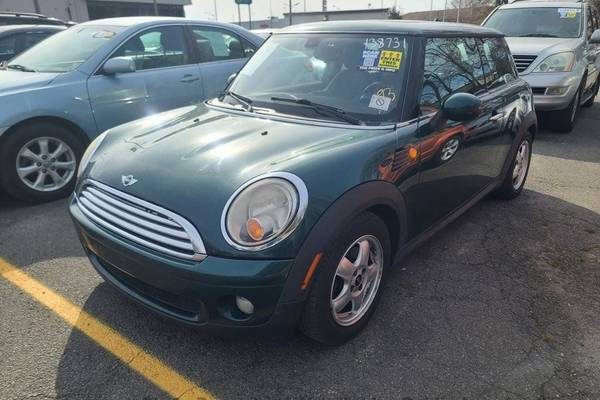
Located in Woodbridge, VA / 314 miles away from Columbus, OH
KEY FEATURES AND OPTIONS Comes equipped with: Air Conditioning. This MINI Cooper Hardtop 2 Door also includes Climate Control, Tachometer, Power Steer...
Accident Free Vehicle: Yes
Personal Use Only: Yes
History Provider: AutoCheck
Title Details: Clean Title
Salvage Vehicle: No
Frame Damage: No
Theft History: No
Lemon Status: No
Free History Report: No
Features and Specs:
32 Combined MPG (28 City/37 Highway)
Listing Information:
VIN: WMWMF33528TT60855
Stock: 138731
Certified Pre-Owned: No
Listed since: 03-21-2024

Located in Fort Myers, FL / 931 miles away from Columbus, OH
Recent Arrival! 2010 MINI Cooper S Base Sparkling Silver Metallic 1.6L I4 DOHC 16V Turbocharged FWD Clean CARFAX. 26/34 City/Highway MPG Priced below ...
Accident Free Vehicle: Yes
Personal Use Only: Yes
History Provider: AutoCheck
Title Details: Clean Title
Salvage Vehicle: No
Frame Damage: No
Theft History: No
Lemon Status: No
Free History Report: No
Features and Specs:
29 Combined MPG (26 City/34 Highway)
Listing Information:
VIN: WMWMS3C5XATY51126
Stock: Y51126T01
Certified Pre-Owned: No
Listed since: 05-10-2024
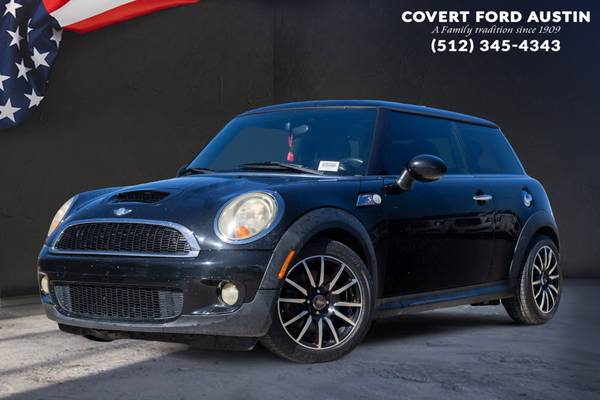
Located in Austin, TX / 1,069 miles away from Columbus, OH
Midnight Black Metallic Midnight Black Metallic, Carbon Black Checkered Cloth, 6 Speakers, AM/FM radio, AM/FM/CD w/6 Speakers, Body-Color Roof, CD pla...
Accident Free Vehicle: No
Personal Use Only: Yes
History Provider: AutoCheck
Title Details: Clean Title
Salvage Vehicle: No
Frame Damage: No
Theft History: No
Lemon Status: No
Free History Report: No
Features and Specs:
29 Combined MPG (26 City/34 Highway)
Listing Information:
VIN: WMWMF7C52ATX42459
Stock: KBB1402
Certified Pre-Owned: No
Listed since: 03-29-2024

Located in Pasadena, TX / 999 miles away from Columbus, OH
Moonroof, Aluminum Wheels, iPod/MP3 Input, CD Player. KEY FEATURES INCLUDE Sunroof, iPod/MP3 Input, CD Player, Aluminum Wheels. VEHICLE REVIEWS Edmund...
Accident Free Vehicle: Yes
Personal Use Only: Yes
History Provider: AutoCheck
Title Details: Clean Title
Salvage Vehicle: No
Frame Damage: No
Theft History: No
Lemon Status: No
Free History Report: No
Features and Specs:
31 Combined MPG (28 City/36 Highway)
Listing Information:
VIN: WMWMR3C5XATU96969
Stock: P5376
Certified Pre-Owned: No
Listed since: 04-24-2024

Located in Cincinnati, OH / 93 miles away from Columbus, OH
25/33 City/Highway MPG Chili Red 2010 MINI Cooper FWD 6-Speed Automatic Steptronic 1.6L I4 DOHC 16V Buy with confidence at Kings Toyota! We offer a 72...
Accident Free Vehicle: Yes
Personal Use Only: Yes
History Provider: AutoCheck
Title Details: Clean Title
Salvage Vehicle: No
Frame Damage: No
Theft History: No
Lemon Status: No
Free History Report: No
Features and Specs:
32 Combined MPG (28 City/37 Highway)
Listing Information:
VIN: WMWMF3C5XATZ24967
Stock: ATZ24967
Certified Pre-Owned: No
Listed since: 05-08-2024

Located in Houston, TX / 1,013 miles away from Columbus, OH
2010 Mini Cooper. Red with Black cloth interior. Drives great. Call Rodney at 281-923-9814 for more details on this internet special. $5,888.00 Cash P...
Accident Free Vehicle: Yes
Personal Use Only: Yes
History Provider: AutoCheck
Title Details: Title issue reported
Salvage Vehicle: No
Frame Damage: No
Theft History: No
Lemon Status: No
Free History Report: No
Features and Specs:
32 Combined MPG (28 City/37 Highway)
Listing Information:
VIN: WMWMF3C53ATZ23563
Stock: Z23563
Certified Pre-Owned: No
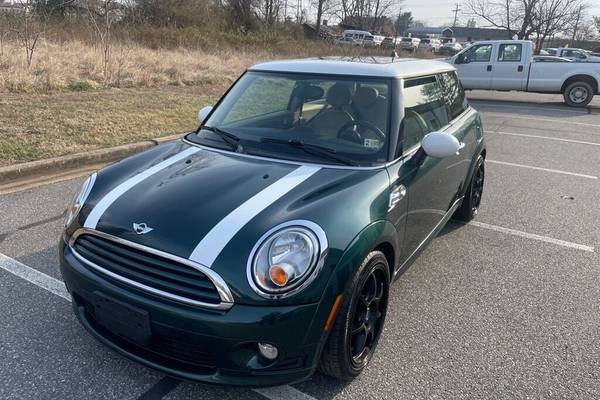
Located in Fredericksburg, VA / 311 miles away from Columbus, OH
We offered bank financing. No Credit, Bad Credit - Its ok. All sales are based on cash or certified funds, processing fee $599, Tax , Tag , finance ch...
Accident Free Vehicle: No
Personal Use Only: Yes
History Provider: AutoCheck
Title Details: Clean Title
Salvage Vehicle: No
Frame Damage: No
Theft History: No
Lemon Status: No
Free History Report: No
Features and Specs:
32 Combined MPG (28 City/37 Highway)
Listing Information:
VIN: WMWMF3C59ATZ26354
Stock: AL-7350
Certified Pre-Owned: No
Listed since: 02-20-2024

Located in Saint Robert, MO / 522 miles away from Columbus, OH
16" x 6.5" Alloy S-Winder Design Wheels, Front fog lights, Power door mirrors, Rear window defroster, Remote keyless entry. 2010 MINI Cooper S Base FW...
Accident Free Vehicle: No
Personal Use Only: Yes
History Provider: AutoCheck
Title Details: Clean Title
Salvage Vehicle: No
Frame Damage: No
Theft History: No
Lemon Status: No
Free History Report: No
Features and Specs:
29 Combined MPG (26 City/34 Highway)
Listing Information:
VIN: WMWMF7C59ATX45228
Stock: ATX45228
Certified Pre-Owned: No
Listed since: 04-22-2024

Located in Woodbridge, VA / 314 miles away from Columbus, OH
KEY FEATURES AND OPTIONS Comes equipped with: Air Conditioning. This MINI Cooper Convertible also includes Clock, Tachometer, Power Steering, Power Mi...
Accident Free Vehicle: No
Personal Use Only: Yes
History Provider: AutoCheck
Title Details: Title issue reported
Salvage Vehicle: No
Frame Damage: No
Theft History: No
Lemon Status: No
Free History Report: No
Features and Specs:
26 Combined MPG (23 City/32 Highway)
Listing Information:
VIN: WMWRF33558TG18732
Stock: 129649
Certified Pre-Owned: No
Listed since: 04-20-2022

Located in Charlotte, NC / 356 miles away from Columbus, OH
2010 MINI Cooper Base * Local Trade *, WON'T LAST!, NON-Smoker, NEW PRICE!, 1.6L I4 DOHC 16V, 6-Speed Manual, Grey Carbon Black Artificial Leather. Th...
Accident Free Vehicle: No
Personal Use Only: Yes
History Provider: AutoCheck
Title Details: Clean Title
Salvage Vehicle: No
Frame Damage: No
Theft History: No
Lemon Status: No
Free History Report: No
Features and Specs:
31 Combined MPG (28 City/36 Highway)
Listing Information:
VIN: WMWMR3C50ATZ19154
Stock: 11680A
Certified Pre-Owned: No
Listed since: 04-30-2024

Located in Oklahoma City, OK / 862 miles away from Columbus, OH
** WE LOVE WHAT WE DO , AND WE WANT YOU TO LOVE YOUR NEXT VEHICLE ** ...
Accident Free Vehicle: Yes
Personal Use Only: No
History Provider: AutoCheck
Title Details: Clean Title
Salvage Vehicle: No
Frame Damage: No
Theft History: No
Lemon Status: No
Free History Report: No
Features and Specs:
29 Combined MPG (26 City/34 Highway)
Listing Information:
VIN: WMWMF7C59ATZ72144
Stock: 881
Certified Pre-Owned: No
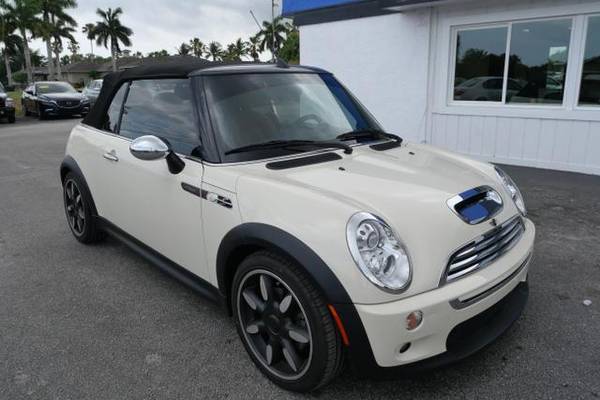
Located in Stuart, FL / 902 miles away from Columbus, OH
Victory Auto Store is a family pre-owned car dealership. The store has been operating since 2011. We are located in Stuart, Florida - the 'Sailfish Ca...
Accident Free Vehicle: No
Personal Use Only: Yes
History Provider: AutoCheck
Title Details: Clean Title
Salvage Vehicle: No
Frame Damage: No
Theft History: No
Lemon Status: No
Free History Report: No
Features and Specs:
24 Combined MPG (21 City/29 Highway)
Listing Information:
VIN: WMWRH335X8TL96809
Stock: C23-753
Certified Pre-Owned: No
Listed since: 04-22-2024

Located in Oceanside, CA / 1,956 miles away from Columbus, OH
Unbelievably clean condition, clean Carfax report with no accidents or damages, only a 2 owner vehicle, runs, drives and feels like a super low mileag...
Accident Free Vehicle: Yes
Personal Use Only: Yes
History Provider: AutoCheck
Title Details: Clean Title
Salvage Vehicle: No
Frame Damage: No
Theft History: No
Lemon Status: No
Free History Report: No
Features and Specs:
29 Combined MPG (26 City/34 Highway)
Listing Information:
VIN: WMWMF73579TW83954
Stock: W83954BLK65K
Certified Pre-Owned: No
Listed since: 05-02-2024

Located in Langhorne, PA / 421 miles away from Columbus, OH
**WHOLESALE UNIT ONLY**, **RECENT OIL CHANGE!**. FREE Vehicle History Report, Easy 10 Minute Credit Approvals. Sales Tax, Tag, Doc, Title, Registratio...
AutoCheck Vehicle History Summary Unavailable.
Features and Specs:
32 Combined MPG (28 City/37 Highway)
Listing Information:
VIN: WMWMF33548TT60890
Stock: 2208M
Certified Pre-Owned: No
Listed since: 05-12-2024