Used 2007 MINI Cooper for Sale Near Me
Describe what you’re looking for
BETA
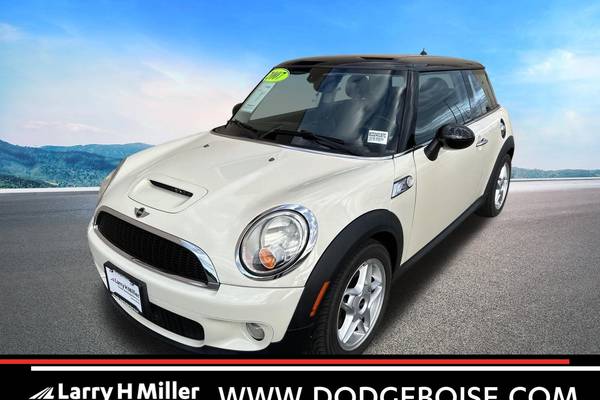
Located in Boise, ID / 1,726 miles away from Columbus, OH
2007 MINI Cooper Hardtop S 6.5J x 16' Alloy S-Winder Design Wheels,Front Sport Seats,Leatherette Upholstery,AM/FM/CD w/6 Speakers,Hi-Fi Sound System,4...
Accident Free Vehicle: Yes
Personal Use Only: Yes
History Provider: AutoCheck
Title Details: Clean Title
Salvage Vehicle: No
Frame Damage: No
Theft History: No
Lemon Status: No
Free History Report: No
Features and Specs:
28 Combined MPG (25 City/32 Highway)
Listing Information:
VIN: WMWMF73507TL90815
Stock: BCD240187C
Certified Pre-Owned: No
Listed since: 03-28-2024

Located in Cary, NC / 369 miles away from Columbus, OH
4-Wheel Disc Brakes, 5.5J x 15" 5-Star Alloy Spooler Design Wheels, 6 Speakers, ABS brakes, Air Conditioning, Alloy wheels, AM/FM radio, AM/FM/CD w/6 ...
Accident Free Vehicle: No
Personal Use Only: Yes
History Provider: AutoCheck
Title Details: Clean Title
Salvage Vehicle: No
Frame Damage: No
Theft History: No
Lemon Status: No
Free History Report: No
Features and Specs:
31 Combined MPG (27 City/36 Highway)
Listing Information:
VIN: WMWMF33557TT52814
Stock: 53658
Certified Pre-Owned: No
Listed since: 04-27-2024
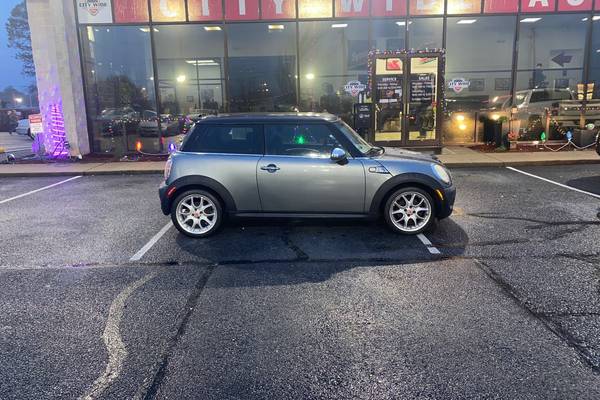
Located in Richmond, VA / 336 miles away from Columbus, OH
2007 hardtop mini cooper s local car clean 6 speed ready to zoom
Accident Free Vehicle: Yes
Personal Use Only: Yes
History Provider: AutoCheck
Title Details: Clean Title
Salvage Vehicle: No
Frame Damage: No
Theft History: No
Lemon Status: No
Free History Report: No
Features and Specs:
28 Combined MPG (25 City/32 Highway)
Listing Information:
VIN: WMWMF73597TT81370
Stock: 1877
Certified Pre-Owned: No
Listed since: 12-22-2023
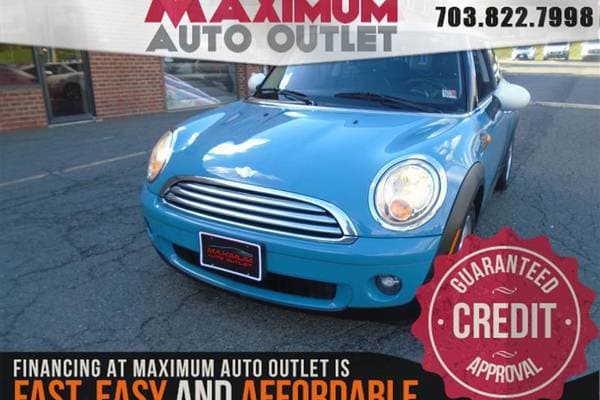
Located in Manassas, VA / 302 miles away from Columbus, OH
***LOW MILEAGE 6-SPEED MANUAL MINI COOPER.......................................2007 MINI COOPER HARDTOP FINISHED IN LIGHTING BLUE METALLIC WITH A CAR...
Accident Free Vehicle: Yes
Personal Use Only: Yes
History Provider: AutoCheck
Title Details: Clean Title
Salvage Vehicle: No
Frame Damage: No
Theft History: No
Lemon Status: No
Free History Report: No
Features and Specs:
31 Combined MPG (27 City/36 Highway)
Listing Information:
VIN: WMWMF33527TU62686
Stock: 7TU62686
Certified Pre-Owned: No
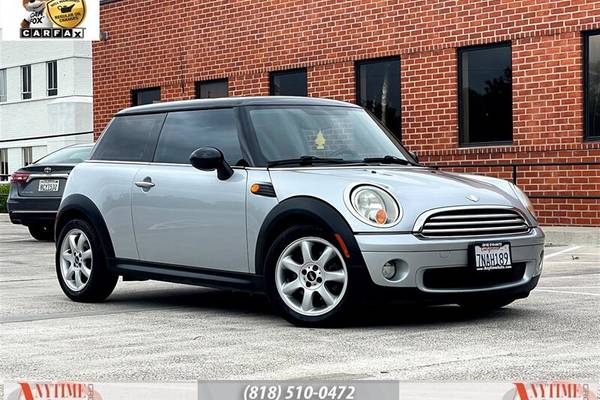
Located in Sherman Oaks, CA / 1,989 miles away from Columbus, OH
WE HAVE NO DEALER FEES EVER ON ANY ACCESSORIES** NO PAINT PROTECTION FEE** NO WINDOW TINTING FEE** NO THEFT PROTECTION FEE** 2007 Pure Silver Metalli...
Accident Free Vehicle: Yes
Personal Use Only: Yes
History Provider: AutoCheck
Title Details: Clean Title
Salvage Vehicle: No
Frame Damage: No
Theft History: No
Lemon Status: No
Free History Report: No
Features and Specs:
31 Combined MPG (27 City/36 Highway)
Listing Information:
VIN: WMWMF33557TL77163
Stock: 15668
Certified Pre-Owned: No

Located in Pinellas Park, FL / 843 miles away from Columbus, OH
The following items have been reconditioned on this vehicle: new brakes and new pair of tires! Metallic Paint Convertible Soft Top This vehicle i...
Accident Free Vehicle: Yes
Personal Use Only: Yes
History Provider: AutoCheck
Title Details: Clean Title
Salvage Vehicle: No
Frame Damage: No
Theft History: No
Lemon Status: No
Free History Report: No
Features and Specs:
26 Combined MPG (23 City/32 Highway)
Listing Information:
VIN: WMWRF33547TF66573
Stock: 7TF66573
Certified Pre-Owned: No
Listed since: 04-29-2024
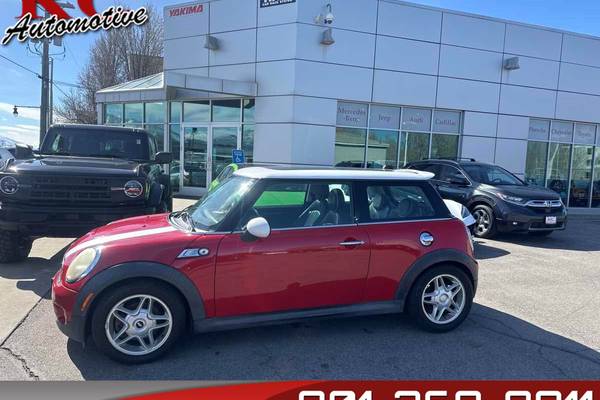
Located in Salt Lake City, UT / 1,522 miles away from Columbus, OH
New Price! 2007 MINI Cooper S Base Red FWD 6-Speed 1.6L I4 DOHC 16V Turbocharged 29/36 City/Highway MPG RC Automotive. Your One Stop Shop For Vehic...
Accident Free Vehicle: Yes
Personal Use Only: No
History Provider: AutoCheck
Title Details: Clean Title
Salvage Vehicle: No
Frame Damage: No
Theft History: No
Lemon Status: No
Free History Report: No
Features and Specs:
28 Combined MPG (25 City/32 Highway)
Listing Information:
VIN: WMWMF73557TL84444
Stock: C7382
Certified Pre-Owned: No
Listed since: 10-26-2023
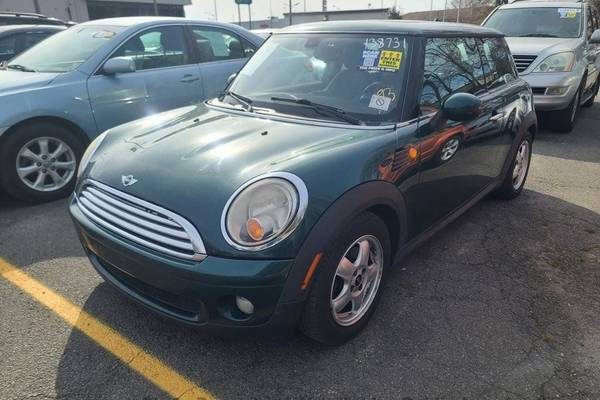
Located in Woodbridge, VA / 314 miles away from Columbus, OH
KEY FEATURES AND OPTIONS Comes equipped with: Air Conditioning. This MINI Cooper Hardtop 2 Door also includes Climate Control, Tachometer, Power Steer...
Accident Free Vehicle: Yes
Personal Use Only: Yes
History Provider: AutoCheck
Title Details: Clean Title
Salvage Vehicle: No
Frame Damage: No
Theft History: No
Lemon Status: No
Free History Report: No
Features and Specs:
32 Combined MPG (28 City/37 Highway)
Listing Information:
VIN: WMWMF33528TT60855
Stock: 138731
Certified Pre-Owned: No
Listed since: 03-21-2024

Located in Georgetown, KY / 155 miles away from Columbus, OH
THIS IS A FRESH TRADE THAT HAS NOT AND WILL NOT BE SERVICED. SOLD COMPLETELY AS IS AS WAS TRADED. SOLD WITH ABSOLUTELY NO GUARANTEES AT ALL. THIS IS J...
Accident Free Vehicle: Yes
Personal Use Only: Yes
History Provider: AutoCheck
Title Details: Clean Title
Salvage Vehicle: No
Frame Damage: No
Theft History: No
Lemon Status: No
Free History Report: No
Features and Specs:
24 Combined MPG (22 City/29 Highway)
Listing Information:
VIN: WMWRE33536TJ38640
Stock: 15001A
Certified Pre-Owned: No
Listed since: 04-25-2024
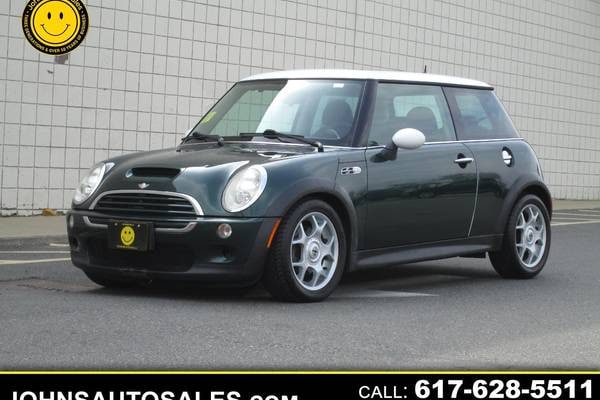
Located in Somerville, MA / 632 miles away from Columbus, OH
Are you ready to zip around town in style and make heads turn? Look no further than this vibrant Green 2006 MINI Cooper Hardtop! This compact car is n...
Accident Free Vehicle: Yes
Personal Use Only: Yes
History Provider: AutoCheck
Title Details: Clean Title
Salvage Vehicle: No
Frame Damage: No
Theft History: No
Lemon Status: No
Free History Report: No
Features and Specs:
24 Combined MPG (22 City/29 Highway)
Listing Information:
VIN: WMWRE33516TJ38801
Stock: j38801
Certified Pre-Owned: No
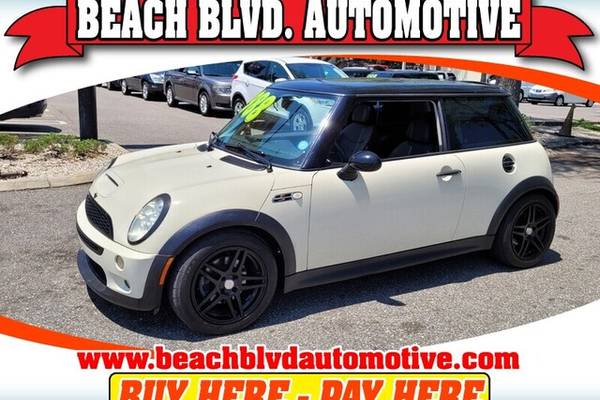
Located in Jacksonville, FL / 678 miles away from Columbus, OH
76,415 MILES WARRANTY LEATHER SUNROOF 4CYL 6SP A/C BUY HERE PAY HERE FINANCING AVAILABLE ON OVER 250 VEHICLES! KING OF DEALERS! MILITARY DISCOUNT! HUG...
Accident Free Vehicle: Yes
Personal Use Only: Yes
History Provider: AutoCheck
Title Details: Clean Title
Salvage Vehicle: No
Frame Damage: No
Theft History: No
Lemon Status: No
Free History Report: No
Features and Specs:
24 Combined MPG (22 City/29 Highway)
Listing Information:
VIN: WMWRE33516TN27907
Stock: VIN7907
Certified Pre-Owned: No

Located in Woodbridge, VA / 314 miles away from Columbus, OH
LOADED WITH VALUE! Comes equipped with: Air Conditioning. This MINI Cooper S Hardtop 2 Door also includes Clock, Tachometer, Cruise Control, Power Ste...
AutoCheck Vehicle History Summary Unavailable.
Features and Specs:
24 Combined MPG (22 City/29 Highway)
Listing Information:
VIN: WMWRE33576TN26017
Stock: 139338
Certified Pre-Owned: No
Listed since: 05-11-2024

Located in Irvine, CA / 1,965 miles away from Columbus, OH
The following items have been reconditioned on this vehicle: all new tires! Sport Pkg Premium Pkg 6-Speed Automatic Transmission Leather Seat Trim ...
Accident Free Vehicle: No
Personal Use Only: Yes
History Provider: AutoCheck
Title Details: Clean Title
Salvage Vehicle: No
Frame Damage: No
Theft History: No
Lemon Status: No
Free History Report: No
Features and Specs:
24 Combined MPG (22 City/29 Highway)
Listing Information:
VIN: WMWRH33576TK57671
Stock: 6TK57671
Certified Pre-Owned: No
Listed since: 04-22-2024

Located in Lakewood, CO / 1,175 miles away from Columbus, OH
- Anti-Theft System - Curtain Airbags - Electronic Braking System - Extended Moonroof / Sunroof - FWD - Front Bucket Seats - Leather Ste...
Accident Free Vehicle: Yes
Personal Use Only: Yes
History Provider: AutoCheck
Title Details: Clean Title
Salvage Vehicle: No
Frame Damage: No
Theft History: No
Lemon Status: No
Free History Report: No
Features and Specs:
28 Combined MPG (24 City/33 Highway)
Listing Information:
VIN: WMWRC33506TJ76834
Stock: 06TJ76834
Certified Pre-Owned: No
Listed since: 02-09-2024

Located in Oregon City, OR / 2,031 miles away from Columbus, OH
Clean Title 117K Miles 3 Owners Runs great Carfax Available Visit Jesakarzor. Com 2007 Mini Cooper S Coupe! This is a nice car. Great on gas!! Full p...
Accident Free Vehicle: Yes
Personal Use Only: No
History Provider: AutoCheck
Title Details: Clean Title
Salvage Vehicle: No
Frame Damage: No
Theft History: No
Lemon Status: No
Free History Report: No
Features and Specs:
28 Combined MPG (25 City/32 Highway)
Listing Information:
VIN: WMWMF73557TV31894
Stock: 10329
Certified Pre-Owned: No
Listed since: 05-07-2024

Located in Woodbridge, VA / 314 miles away from Columbus, OH
KEY FEATURES AND OPTIONS Comes equipped with: Air Conditioning. This MINI Cooper Convertible also includes Clock, Tachometer, Power Steering, Power Mi...
Accident Free Vehicle: No
Personal Use Only: Yes
History Provider: AutoCheck
Title Details: Title issue reported
Salvage Vehicle: No
Frame Damage: No
Theft History: No
Lemon Status: No
Free History Report: No
Features and Specs:
26 Combined MPG (23 City/32 Highway)
Listing Information:
VIN: WMWRF33558TG18732
Stock: 129649
Certified Pre-Owned: No
Listed since: 04-20-2022

Located in Feasterville Trevose, PA / 415 miles away from Columbus, OH
LOCATED AT 2907 OLD LINCOLN HWY, FEASTERVILLE, PA 19053 2007 MINI COOPER S CONVERTIBLE !!! ONE OWNER !!! LOW MILES !!! CLEAN CARFAX !!! HEATED SEATS !...
Accident Free Vehicle: Yes
Personal Use Only: Yes
History Provider: AutoCheck
Title Details: Clean Title
Salvage Vehicle: No
Frame Damage: No
Theft History: No
Lemon Status: No
Free History Report: No
Features and Specs:
24 Combined MPG (21 City/28 Highway)
Listing Information:
VIN: WMWRH33577TL95485
Stock: L95485
Certified Pre-Owned: No
Listed since: 05-04-2024
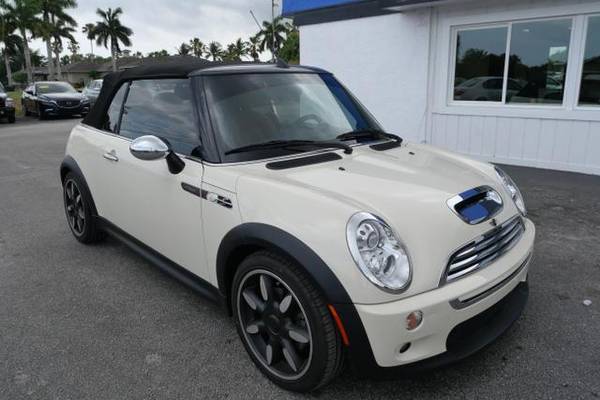
Located in Stuart, FL / 902 miles away from Columbus, OH
Victory Auto Store is a family pre-owned car dealership. The store has been operating since 2011. We are located in Stuart, Florida - the 'Sailfish Ca...
Accident Free Vehicle: No
Personal Use Only: Yes
History Provider: AutoCheck
Title Details: Clean Title
Salvage Vehicle: No
Frame Damage: No
Theft History: No
Lemon Status: No
Free History Report: No
Features and Specs:
24 Combined MPG (21 City/29 Highway)
Listing Information:
VIN: WMWRH335X8TL96809
Stock: C23-753
Certified Pre-Owned: No
Listed since: 04-22-2024

Located in East Clayton, NC / 389 miles away from Columbus, OH
Visit Olympia Pre-Owned Autos online at www.olympiaautonc.com to see more pictures of this vehicle or call us at 919-301-8551 today to schedule your...
Accident Free Vehicle: Yes
Personal Use Only: Yes
History Provider: AutoCheck
Title Details: Clean Title
Salvage Vehicle: No
Frame Damage: No
Theft History: No
Lemon Status: No
Free History Report: No
Features and Specs:
27 Combined MPG (24 City/32 Highway)
Listing Information:
VIN: WMWRF33506TF65046
Stock: F65046
Certified Pre-Owned: No

Located in Union City, NJ / 466 miles away from Columbus, OH
Our inventory is Banks Owned Repossessions or Lease Return. Our transparency and honesty have been our normal way of conducting Business for the last ...
Accident Free Vehicle: Yes
Personal Use Only: Yes
History Provider: AutoCheck
Title Details: Clean Title
Salvage Vehicle: No
Frame Damage: No
Theft History: No
Lemon Status: No
Free History Report: No
Features and Specs:
28 Combined MPG (25 City/32 Highway)
Listing Information:
VIN: WMWMF73597TT86228
Stock: T86228
Certified Pre-Owned: No
Listed since: 05-02-2024
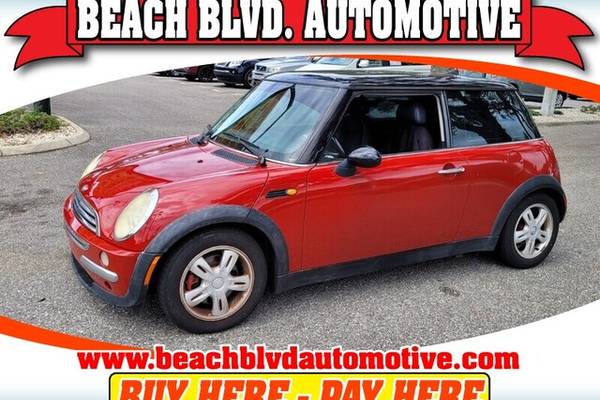
Located in Jacksonville, FL / 678 miles away from Columbus, OH
4CYL AT A/C BUY HERE PAY HERE FINANCING AVAILABLE ON OVER 250 VEHICLES! KING OF DEALERS! MILITARY DISCOUNT! HUGE SAVINGS!! WOW TOP DOLLAR FOR YOUR TR...
Accident Free Vehicle: No
Personal Use Only: Yes
History Provider: AutoCheck
Title Details: Clean Title
Salvage Vehicle: No
Frame Damage: No
Theft History: No
Lemon Status: No
Free History Report: No
Features and Specs:
28 Combined MPG (24 City/33 Highway)
Listing Information:
VIN: WMWRC33536TJ79307
Stock: VIN9307
Certified Pre-Owned: No