Used Mercedes-Benz for Sale Near Me
Describe what you’re looking for
BETA
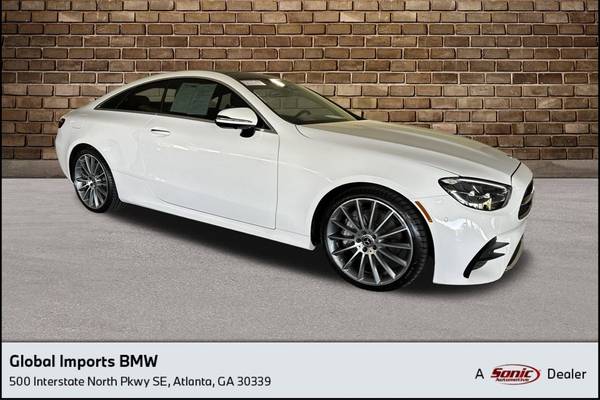
Located in Atlanta, GA / 434 miles away from Columbus, OH
Scores 30 Highway MPG and 23 City MPG! This Mercedes-Benz E-Class delivers a Intercooled Turbo Gas/Electric I-6 3.0 L/183 engine powering this Automat...
Accident Free Vehicle: Yes
Personal Use Only: Yes
History Provider: AutoCheck
Title Details: Clean Title
Salvage Vehicle: No
Frame Damage: No
Theft History: No
Lemon Status: No
Free History Report: No
Features and Specs:
25 Combined MPG (23 City/30 Highway)
Listing Information:
VIN: W1K1J5JB7PF195509
Stock: TPF195509
Certified Pre-Owned: No
Listed since: 04-17-2024

Located in Houston, TX / 992 miles away from Columbus, OH
Lamborghini Houston proudly offers this beautiful <b>2023 Mercedes-Benz G-Class G 550 4MATIC®</b> in <b>Gray</b> over a <b>White/Black</b> interior wi...
Accident Free Vehicle: Yes
Personal Use Only: Yes
History Provider: AutoCheck
Title Details: Clean Title
Salvage Vehicle: No
Frame Damage: No
Theft History: No
Lemon Status: No
Free History Report: No
Features and Specs:
14 Combined MPG (13 City/16 Highway)
Listing Information:
VIN: W1NYC6BJ4PX487040
Stock: JPX487040
Certified Pre-Owned: No
Listed since: 03-14-2024
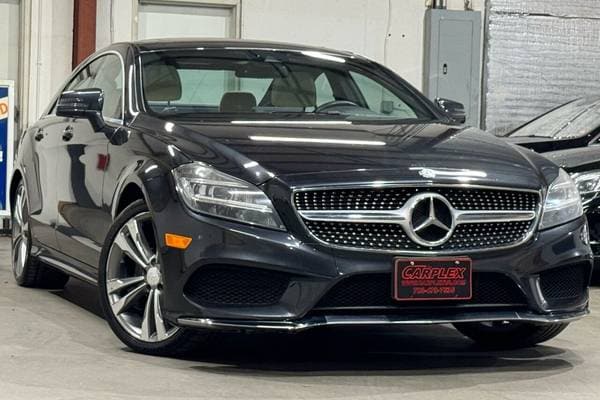
Located in Manassas, VA / 302 miles away from Columbus, OH
PRICE EXCLUDES PROCESSING FEE OF $699.OO. (((---> CARPLEX IS NOT RESPONSIBLE FOR ANY MISPRINT ON FEATURES EQUIPMENT PRICE ETC. <--- ))). WE ARE LOCATE...
Accident Free Vehicle: No
Personal Use Only: No
History Provider: AutoCheck
Title Details: Clean Title
Salvage Vehicle: No
Frame Damage: No
Theft History: No
Lemon Status: No
Free History Report: No
Features and Specs:
22 Combined MPG (19 City/26 Highway)
Listing Information:
VIN: WDDLJ6HB8GA181748
Stock: 9765
Certified Pre-Owned: No
Listed since: 12-19-2023

Located in Manassas, VA / 302 miles away from Columbus, OH
PRICE EXCLUDES PROCESSING FEE OF $699.OO. (((---> CARPLEX IS NOT RESPONSIBLE FOR ANY MISPRINT ON FEATURES EQUIPMENT PRICE ETC. <--- ))). WE ARE LOCATE...
Accident Free Vehicle: Yes
Personal Use Only: Yes
History Provider: AutoCheck
Title Details: Clean Title
Salvage Vehicle: No
Frame Damage: No
Theft History: No
Lemon Status: No
Free History Report: No
Features and Specs:
19 Combined MPG (16 City/25 Highway)
Listing Information:
VIN: WDBKK65F41F225618
Stock: 9858
Certified Pre-Owned: No
Listed since: 04-13-2024

Located in Anchorage, AK / 3,104 miles away from Columbus, OH
***3 month/3,000 mile powertrain warranty*** 2021 Mercedes-Benz C-Class C 43 AMG 4MATIC Black 4MATIC 3.0L V6 BiTurbo 9-Speed Automatic 4MATIC , 13 Spe...
Accident Free Vehicle: Yes
Personal Use Only: Yes
History Provider: AutoCheck
Title Details: Clean Title
Salvage Vehicle: No
Frame Damage: No
Theft History: No
Lemon Status: No
Free History Report: No
Features and Specs:
21 Combined MPG (18 City/27 Highway)
Listing Information:
VIN: W1KWF6EB4MR627880
Stock: 773020A
Certified Pre-Owned: No
Listed since: 07-07-2023
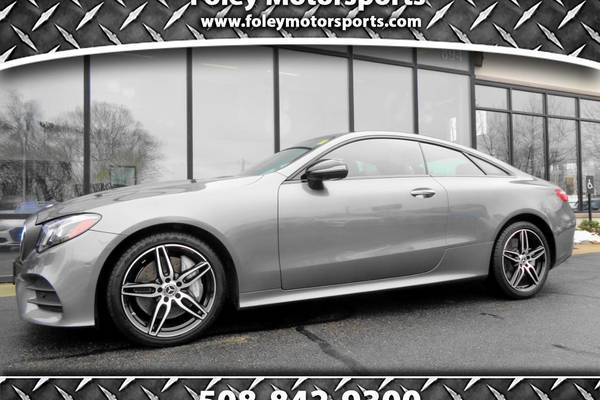
Located in Shrewsbury, MA / 601 miles away from Columbus, OH
2020 Mercedes-Benz E 450 4MATIC Coupe... Selenite Grey Metallic on Classic Red/Black Perforated Nappa Leather... Natural Grain Black Ash Wood... ONLY ...
Accident Free Vehicle: No
Personal Use Only: Yes
History Provider: AutoCheck
Title Details: Clean Title
Salvage Vehicle: No
Frame Damage: No
Theft History: No
Lemon Status: No
Free History Report: No
Features and Specs:
22 Combined MPG (19 City/26 Highway)
Listing Information:
VIN: W1K1J6JB3LF133668
Stock: 19320
Certified Pre-Owned: No
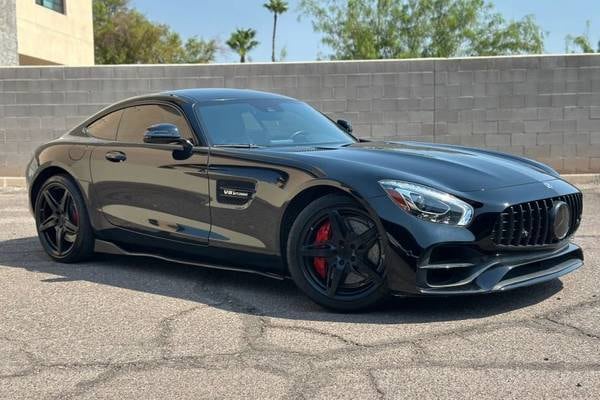
Located in Los Angeles, CA / 1,989 miles away from Columbus, OH
This vehicle information is subject to the dealer website and the Carfax history record! This Internet Price is Vehicle Cash Price, Call us for Financ...
Accident Free Vehicle: Yes
Personal Use Only: Yes
History Provider: AutoCheck
Title Details: Clean Title
Salvage Vehicle: No
Frame Damage: No
Theft History: No
Lemon Status: No
Free History Report: No
Features and Specs:
18 Combined MPG (16 City/22 Highway)
Listing Information:
VIN: WDDYJ7HA1KA023666
Stock: 023666
Certified Pre-Owned: No

Located in Naugatuck, CT / 524 miles away from Columbus, OH
- Pristine 2017 Mercedes-Benz AMG C 43 with only 29,100 miles - Striking white exterior paired with luxurious brown leather interior - Powerful 3.0L...
Accident Free Vehicle: Yes
Personal Use Only: Yes
History Provider: AutoCheck
Title Details: Clean Title
Salvage Vehicle: No
Frame Damage: No
Theft History: No
Lemon Status: No
Free History Report: No
Features and Specs:
23 Combined MPG (20 City/28 Highway)
Listing Information:
VIN: WDDWJ6EB6HF592670
Stock: 592670A
Certified Pre-Owned: No
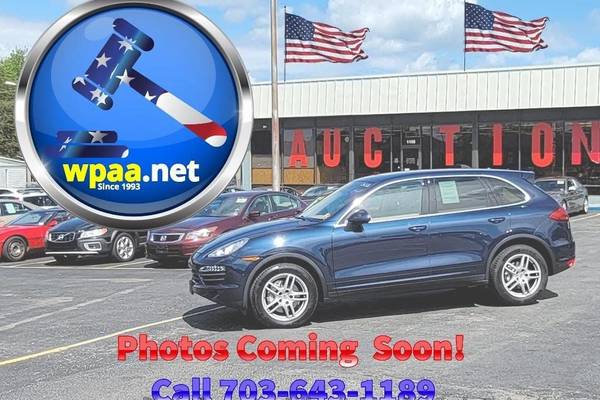
Located in Woodbridge, VA / 314 miles away from Columbus, OH
- Contact Internet Sales at 703-643-1189 or woodbridgeautoauction@gmail.com for more information. -
AutoCheck Vehicle History Summary Unavailable.
Features and Specs:
20 Combined MPG (17 City/26 Highway)
Listing Information:
VIN: WDDKJ5GB5AF013793
Stock: 138989
Certified Pre-Owned: No
Listed since: 04-23-2024

Located in Chantilly, VA / 297 miles away from Columbus, OH
2010 Mercedes-Benz C-Class C 300 4MATIC Luxury Sedan 4D - Sedan V6, 3.0 Liter - 228 Horse Power - Auto, 7-Spd Overdrive4MATIC AWD - 4 Doors - Gasoline...
Accident Free Vehicle: No
Personal Use Only: Yes
History Provider: AutoCheck
Title Details: Clean Title
Salvage Vehicle: No
Frame Damage: No
Theft History: No
Lemon Status: No
Free History Report: No
Features and Specs:
20 Combined MPG (18 City/25 Highway)
Listing Information:
VIN: WDDGF8BB9AF473717
Stock: 473717
Certified Pre-Owned: No

Located in Torrance, CA / 1,993 miles away from Columbus, OH
Sun/Moonroof Leather Seats Navigation System Keyless Start Cooled Front Seat(S) This vehicle includes a Money-Back Guarantee* and passed our precise...
Accident Free Vehicle: Yes
Personal Use Only: Yes
History Provider: AutoCheck
Title Details: Clean Title
Salvage Vehicle: No
Frame Damage: No
Theft History: No
Lemon Status: No
Free History Report: No
Features and Specs:
12 Combined MPG (11 City/15 Highway)
Listing Information:
VIN: 4JGBB77E99A445806
Stock: 9A445806
Certified Pre-Owned: No
Listed since: 04-21-2024

Located in Parker, CO / 1,161 miles away from Columbus, OH
Dealer Handling fee of $599 is included in our advertised price. Government fees and licensing are additional costs.
Accident Free Vehicle: Yes
Personal Use Only: Yes
History Provider: AutoCheck
Title Details: Clean Title
Salvage Vehicle: No
Frame Damage: No
Theft History: No
Lemon Status: No
Free History Report: No
Features and Specs:
Listing Information:
VIN: W1Y70BGY8PT128108
Stock: P128108
Certified Pre-Owned: No
Listed since: 04-19-2024

Located in Commack, NY / 507 miles away from Columbus, OH
ABS brakes, Air Conditioning, Brake assist, Exterior Parking Camera Rear, Power steering, Power windows, Remote keyless entry, Steering wheel mounted ...
Accident Free Vehicle: Yes
Personal Use Only: Yes
History Provider: AutoCheck
Title Details: Clean Title
Salvage Vehicle: No
Frame Damage: No
Theft History: No
Lemon Status: No
Free History Report: No
Features and Specs:
Listing Information:
VIN: W1Y40CHY1NT103653
Stock: 51230
Certified Pre-Owned: No
Listed since: 02-26-2024

Located in Commack, NY / 507 miles away from Columbus, OH
4MATIC®, Black Leather, ABS brakes, Adaptive suspension, Apple CarPlay®/Android Auto®, Brake assist, Burmester® 3D Surround Sound System, Front dual z...
Accident Free Vehicle: Yes
Personal Use Only: No
History Provider: AutoCheck
Title Details: Clean Title
Salvage Vehicle: No
Frame Damage: No
Theft History: No
Lemon Status: No
Free History Report: No
Features and Specs:
24 Combined MPG (21 City/30 Highway)
Listing Information:
VIN: W1K6G6DB6NA126407
Stock: 51430
Certified Pre-Owned: No
Listed since: 03-20-2024
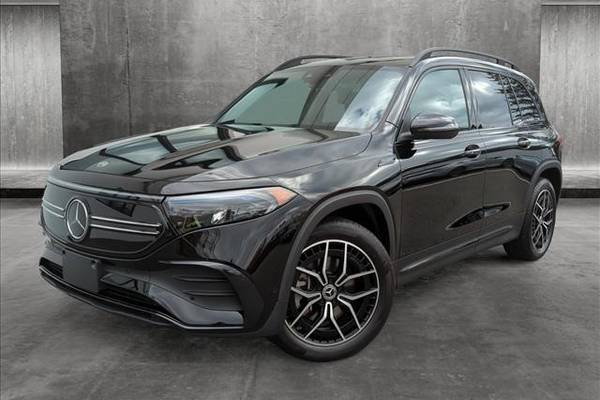
Located in Summit, NJ / 449 miles away from Columbus, OH
Panoramic Roof Navigation System Keyless Start Rear Spoiler Black; Mb-Tex Upholstery Night Black Aston Martin Summit is proud to present 2023 Merced...
Accident Free Vehicle: Yes
Personal Use Only: Yes
History Provider: AutoCheck
Title Details: Clean Title
Salvage Vehicle: No
Frame Damage: No
Theft History: No
Lemon Status: No
Free History Report: No
Features and Specs:
Listing Information:
VIN: W1N9M1DB9PN015860
Stock: PN015860
Certified Pre-Owned: No
Listed since: 04-05-2024

Located in Levittown, PA / 424 miles away from Columbus, OH
*.E-Z FINANCE Everyone Approved* *Bad Credit No Problem A Job Is Your Credit* *For fast loan approval click FINANCING at www.bristollautomall.com* *AL...
Accident Free Vehicle: Yes
Personal Use Only: No
History Provider: AutoCheck
Title Details: Clean Title
Salvage Vehicle: No
Frame Damage: No
Theft History: No
Lemon Status: No
Free History Report: No
Features and Specs:
18 Combined MPG (16 City/21 Highway)
Listing Information:
VIN: WDCGG8HB1AF292460
Stock: 9637ai
Certified Pre-Owned: No
Listed since: 08-15-2023

Located in Highland Park, IL / 296 miles away from Columbus, OH
2021 Mercedes-Benz Sprinter 2500 Cargo 144 WB RWD Clean CARFAX. At McGrath KIA of Highland Park, we take pride in treating our customers like family,...
Accident Free Vehicle: Yes
Personal Use Only: Yes
History Provider: AutoCheck
Title Details: Clean Title
Salvage Vehicle: No
Frame Damage: No
Theft History: No
Lemon Status: No
Free History Report: No
Features and Specs:
Listing Information:
VIN: W1W40BHYXMT050131
Stock: PB00446
Certified Pre-Owned: No
Listed since: 02-07-2024

Located in Manassas, VA / 301 miles away from Columbus, OH
BUYING A CAR HAS NEVER BEEN THIS EASY.We specialize in 100% GUARANTEED APPROVAL. BAD CREDIT, NO CREDIT, BANKRUPTCY, REPO, FORECLOSURE...NO PROBLEM. NO...
Accident Free Vehicle: Yes
Personal Use Only: No
History Provider: AutoCheck
Title Details: Clean Title
Salvage Vehicle: No
Frame Damage: No
Theft History: No
Lemon Status: No
Free History Report: No
Features and Specs:
24 Combined MPG (21 City/28 Highway)
Listing Information:
VIN: WDDZF6BB4LA756300
Stock: KMM6146
Certified Pre-Owned: No
Listed since: 07-21-2023
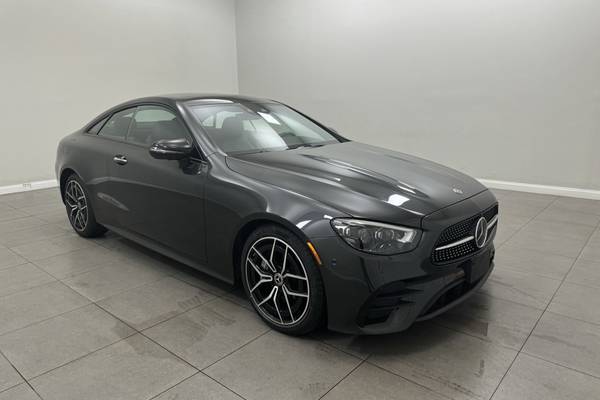
Located in New York, NY / 469 miles away from Columbus, OH
Certified. Clean CARFAX. 23/30 City/Highway MPGMercedes-Benz Manhattan features a 330,000 square foot state-of-the-art facility, knowledgeable staff, ...
Accident Free Vehicle: Yes
Personal Use Only: Yes
History Provider: AutoCheck
Title Details: Clean Title
Salvage Vehicle: No
Frame Damage: No
Theft History: No
Lemon Status: No
Free History Report: No
Features and Specs:
25 Combined MPG (23 City/30 Highway)
Listing Information:
VIN: W1K1J5KB4MF151784
Stock: 240975A
Certified Pre-Owned: Yes
Listed since: 03-28-2024
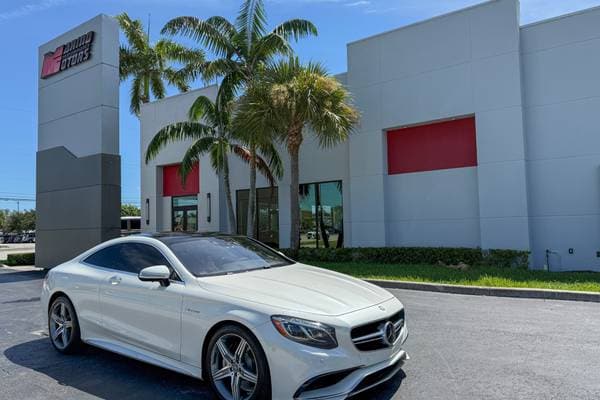
Located in Portland, OR / 2,030 miles away from Columbus, OH
Simply Drive Home. Clean CARFAX. Come and see only the finest Mercedes-Benzs at D&C Motor Company. Please call for additional details and to reserve a...
Accident Free Vehicle: Yes
Personal Use Only: Yes
History Provider: AutoCheck
Title Details: Clean Title
Salvage Vehicle: No
Frame Damage: No
Theft History: No
Lemon Status: No
Free History Report: No
Features and Specs:
18 Combined MPG (15 City/23 Highway)
Listing Information:
VIN: WDDXJ7JB2FA009506
Stock: Q009506
Certified Pre-Owned: No
Listed since: 06-28-2023
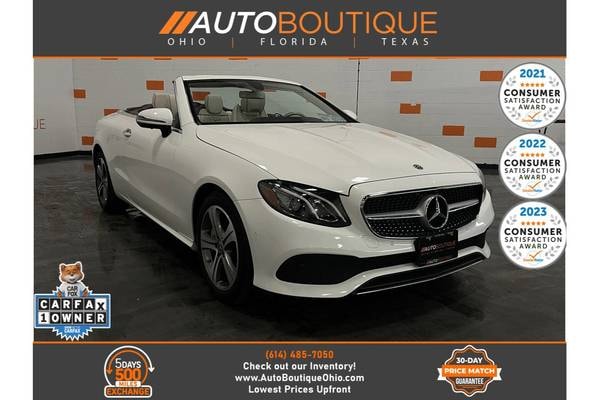
Located in Columbus, OH / 16 miles away from Columbus, OH
Auto Boutique is proud to offer excellent, pre-owned vehicles. With our no haggle pricing policy you can be sure you're getting the best deal possible...
Accident Free Vehicle: No
Personal Use Only: Yes
History Provider: AutoCheck
Title Details: Clean Title
Salvage Vehicle: No
Frame Damage: No
Theft History: No
Lemon Status: No
Free History Report: No
Features and Specs:
22 Combined MPG (19 City/26 Highway)
Listing Information:
VIN: W1K1K6JB0LF134905
Stock: X3619
Certified Pre-Owned: No
Listed since: 11-02-2023
* Delivery of any kind does not apply to Alaska and Hawaii. Contact the dealer for delivery details, restrictions and costs.