Used McLaren for Sale Near Me
Describe what you’re looking for
BETA
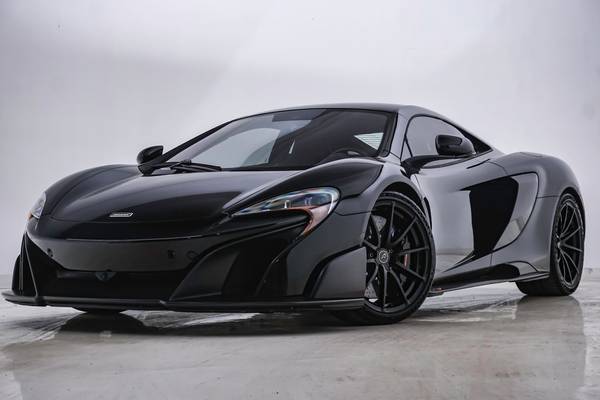
Located in Downers Grove, IL / 294 miles away from Columbus, OH
McLaren 675LT finished in Onyx Black with a Black leather & alcantara interior featuring Orange contrast stitching. Exceptionally maintained trade-in....
Accident Free Vehicle: Yes
Personal Use Only: Yes
History Provider: AutoCheck
Title Details: Clean Title
Salvage Vehicle: No
Frame Damage: No
Theft History: No
Lemon Status: No
Free History Report: No
Features and Specs:
18 Combined MPG (16 City/22 Highway)
Listing Information:
VIN: SBM11RAA1GW675304
Stock: PLB4589A
Certified Pre-Owned: No
Listed since: 12-29-2023
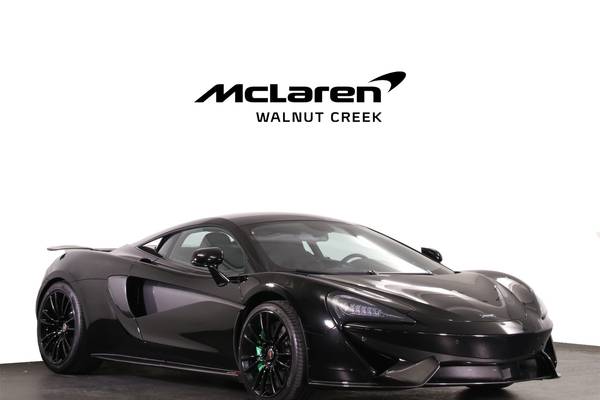
Located in Walnut Creek, CA / 2,094 miles away from Columbus, OH
The 2017 McLaren 570S is an exceptional supercar that truly embodies the spirit of automotive innovation and performance. From its striking design to ...
Accident Free Vehicle: Yes
Personal Use Only: Yes
History Provider: AutoCheck
Title Details: Clean Title
Salvage Vehicle: No
Frame Damage: No
Theft History: No
Lemon Status: No
Free History Report: No
Features and Specs:
19 Combined MPG (16 City/23 Highway)
Listing Information:
VIN: SBM13DAA1HW003516
Stock: UP003516
Certified Pre-Owned: No
Listed since: 03-21-2024
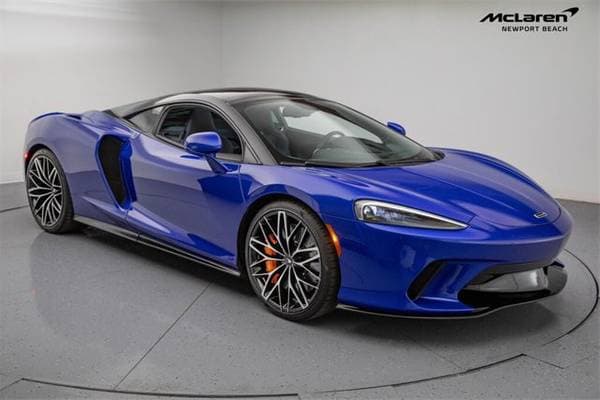
Located in Irvine, CA / 1,965 miles away from Columbus, OH
This 2023 McLaren GT, enveloped in a stunning "Aurora Blue" exterior, redefines grand touring with its breathtaking aesthetics and unparalleled perfor...
Accident Free Vehicle: Yes
Personal Use Only: Yes
History Provider: AutoCheck
Title Details: Clean Title
Salvage Vehicle: No
Frame Damage: No
Theft History: No
Lemon Status: No
Free History Report: No
Features and Specs:
18 Combined MPG (15 City/22 Highway)
Listing Information:
VIN: SBM22GCA9PW002697
Stock: PW002697
Certified Pre-Owned: No
Listed since: 02-29-2024

Located in Irvine, CA / 1,965 miles away from Columbus, OH
This 2023 McLaren GT, cloaked in the iconic "McLaren Orange" and cherished by a single owner, stands as a pinnacle of automotive craftsmanship and inn...
Accident Free Vehicle: Yes
Personal Use Only: Yes
History Provider: AutoCheck
Title Details: Clean Title
Salvage Vehicle: No
Frame Damage: No
Theft History: No
Lemon Status: No
Free History Report: No
Features and Specs:
18 Combined MPG (15 City/22 Highway)
Listing Information:
VIN: SBM22GCAXPW002630
Stock: PW002630
Certified Pre-Owned: No
Listed since: 03-20-2024

Located in Garland, TX / 910 miles away from Columbus, OH
Saros 2018 McLaren 720S Performance 4.0L V8 SMPI Turbocharged DOHC 32V ULEV II 710hp 7-Speed Automatic Clean CARFAX. PROFESSIONALLY WRAPPED (CAN BE ...
Accident Free Vehicle: Yes
Personal Use Only: Yes
History Provider: AutoCheck
Title Details: Clean Title
Salvage Vehicle: No
Frame Damage: No
Theft History: No
Lemon Status: No
Free History Report: No
Features and Specs:
18 Combined MPG (15 City/22 Highway)
Listing Information:
VIN: SBM14DCA1JW000390
Stock: 000390
Certified Pre-Owned: No
Listed since: 03-08-2024

Located in Westfield, IN / 174 miles away from Columbus, OH
Navigation, Back Up Camera, Bluetooth, Heated Seats, Touch Screen, 2D Coupe, 3.8L V8 Twin Turbocharged, 7-Speed Automatic, RWD, Sicilian Yellow. Clean...
Accident Free Vehicle: Yes
Personal Use Only: Yes
History Provider: AutoCheck
Title Details: Clean Title
Salvage Vehicle: No
Frame Damage: No
Theft History: No
Lemon Status: No
Free History Report: No
Features and Specs:
18 Combined MPG (15 City/23 Highway)
Listing Information:
VIN: SBM13RAA7KW008353
Stock: STK008353
Certified Pre-Owned: No
Listed since: 04-24-2024

Located in Coral Gables, FL / 1,000 miles away from Columbus, OH
Located at The Collection at 200 Bird Rd, Coral Gables, FL 33146. Please contact our sales team at 786-628-7454, for more information. The Collection ...
Accident Free Vehicle: Yes
Personal Use Only: Yes
History Provider: AutoCheck
Title Details: Clean Title
Salvage Vehicle: No
Frame Damage: No
Theft History: No
Lemon Status: No
Free History Report: No
Features and Specs:
18 Combined MPG (15 City/22 Highway)
Listing Information:
VIN: SBM14DCA4LW005585
Stock: P24046
Certified Pre-Owned: No
Listed since: 05-10-2024

Located in Rahway, NJ / 454 miles away from Columbus, OH
Papaya Spark 2020 McLaren GT 2D Coupe RWD 7-Speed Automatic 4.0L DOHC 2D Coupe, 4.0L DOHC, RWD, Papaya Spark, Carbon Black w/Nappa Leather Seat Trim, ...
Accident Free Vehicle: No
Personal Use Only: Yes
History Provider: AutoCheck
Title Details: Clean Title
Salvage Vehicle: No
Frame Damage: No
Theft History: No
Lemon Status: No
Free History Report: No
Features and Specs:
18 Combined MPG (15 City/22 Highway)
Listing Information:
VIN: SBM22GCAXLW000516
Stock: 35318AM
Certified Pre-Owned: No
Listed since: 03-06-2024

Located in Maitland, FL / 793 miles away from Columbus, OH
Memphis Red Leather Seats Navigation System Keyless Start Rear Spoiler Convertible Hardtop Jet Black; Alcantara/Nappa Leather Seat Trim This vehicle...
Accident Free Vehicle: Yes
Personal Use Only: Yes
History Provider: AutoCheck
Title Details: Clean Title
Salvage Vehicle: No
Frame Damage: No
Theft History: No
Lemon Status: No
Free History Report: No
Features and Specs:
18 Combined MPG (15 City/22 Highway)
Listing Information:
VIN: SBM14FCA2LW004723
Stock: LW004723
Certified Pre-Owned: No
Listed since: 02-28-2024

Located in Baltimore, MD / 328 miles away from Columbus, OH
2020 McLaren GT in Onyx Black, ***** PREMIUM PKG, ***** NAVIGATION, ** REARVIEW CAMERA **, CALL NOW, DONT MISS OUT.
Accident Free Vehicle: Yes
Personal Use Only: Yes
History Provider: AutoCheck
Title Details: Clean Title
Salvage Vehicle: No
Frame Damage: No
Theft History: No
Lemon Status: No
Free History Report: No
Features and Specs:
18 Combined MPG (15 City/22 Highway)
Listing Information:
VIN: SBM22GCAXLW000841
Stock: 000P7105
Certified Pre-Owned: No
Listed since: 03-21-2024

Located in North Miami Beach, FL / 989 miles away from Columbus, OH
This outstanding example of a 2020 McLaren 720S Performance is offered by Prestige Imports. For those who are ready to drive something more than just ...
Accident Free Vehicle: Yes
Personal Use Only: Yes
History Provider: AutoCheck
Title Details: Clean Title
Salvage Vehicle: No
Frame Damage: No
Theft History: No
Lemon Status: No
Free History Report: No
Features and Specs:
18 Combined MPG (15 City/22 Highway)
Listing Information:
VIN: SBM14DCAXLW005588
Stock: CSL1601B
Certified Pre-Owned: No
Listed since: 02-29-2024

Located in Canton, OH / 93 miles away from Columbus, OH
Just Arrived***2017 McLaren 570S RWD Coupe***Luxury Package***Interior Trim By McLaren Design Package***Navigation w/Portrait Screen Infotainment Syst...
Accident Free Vehicle: Yes
Personal Use Only: Yes
History Provider: AutoCheck
Title Details: Clean Title
Salvage Vehicle: No
Frame Damage: No
Theft History: No
Lemon Status: No
Free History Report: No
Features and Specs:
19 Combined MPG (16 City/23 Highway)
Listing Information:
VIN: SBM13DAA4HW001338
Stock: G2281
Certified Pre-Owned: No
Listed since: 04-11-2024
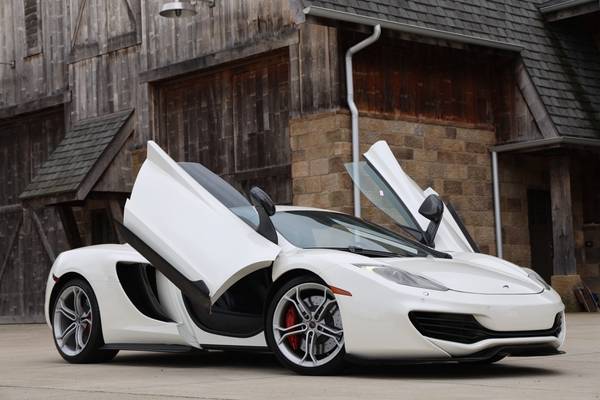
Located in Canton, OH / 93 miles away from Columbus, OH
Super Rare Opportunity to own a 7,000 mile well maintained McLaren. All photos and complete details coming soon!
Accident Free Vehicle: Yes
Personal Use Only: Yes
History Provider: AutoCheck
Title Details: Clean Title
Salvage Vehicle: No
Frame Damage: No
Theft History: No
Lemon Status: No
Free History Report: No
Features and Specs:
18 Combined MPG (15 City/22 Highway)
Listing Information:
VIN: SBM11AAA3CW000324
Stock: G2298
Certified Pre-Owned: No
Listed since: 04-20-2024

Located in Ypsilanti, MI / 157 miles away from Columbus, OH
**BY APPOINTMENT ONLY** Must See To Appreciate How Nice This Vehicle Is!!, NON SMOKER, T, 720S Performance, 2D Coupe, 4.0L DOHC, 7-Speed Automatic, RW...
Accident Free Vehicle: Yes
Personal Use Only: Yes
History Provider: AutoCheck
Title Details: Clean Title
Salvage Vehicle: No
Frame Damage: No
Theft History: No
Lemon Status: No
Free History Report: No
Features and Specs:
18 Combined MPG (15 City/22 Highway)
Listing Information:
VIN: SBM14DCA5KW002600
Stock: P6671
Certified Pre-Owned: No
Listed since: 10-12-2022

Located in Manassas, VA / 302 miles away from Columbus, OH
Clean CARFAX. Autos Direct is pleased to offer this Beautiful 2017 McLaren 570GT. This 570GT comes well equipped with . Ice Silver 2017 McLaren 570G...
Accident Free Vehicle: Yes
Personal Use Only: Yes
History Provider: AutoCheck
Title Details: Clean Title
Salvage Vehicle: No
Frame Damage: No
Theft History: No
Lemon Status: No
Free History Report: No
Features and Specs:
19 Combined MPG (16 City/23 Highway)
Listing Information:
VIN: SBM13GAA4HW003298
Stock: D12475
Certified Pre-Owned: No
Listed since: 11-03-2023
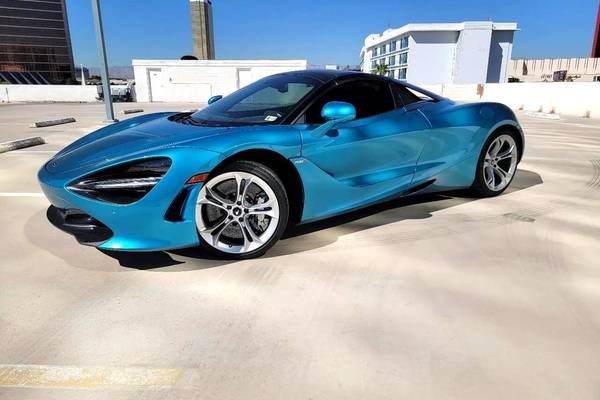
Located in Las Vegas, NV / 1,768 miles away from Columbus, OH
All prices shown are cash prices, do not include doc fee, recon fee , state taxes and bank fees ( if applicable )All vehicles are sold as is- warranty...
Accident Free Vehicle: No
Personal Use Only: Yes
History Provider: AutoCheck
Title Details: Clean Title
Salvage Vehicle: No
Frame Damage: No
Theft History: No
Lemon Status: No
Free History Report: No
Features and Specs:
18 Combined MPG (15 City/22 Highway)
Listing Information:
VIN: SBM14FCA2LW005466
Stock: LVCEE005466
Certified Pre-Owned: No

Located in Columbus, OH / 16 miles away from Columbus, OH
Lots of MSO carbon fiber sticker over 400k! Ryft Downpipes, Ryft Exhaust, Hre wheels, full adjustable coilers.Auto Boutique is proud to offer excellen...
Accident Free Vehicle: Yes
Personal Use Only: Yes
History Provider: AutoCheck
Title Details: Clean Title
Salvage Vehicle: No
Frame Damage: No
Theft History: No
Lemon Status: No
Free History Report: No
Features and Specs:
18 Combined MPG (15 City/22 Highway)
Listing Information:
VIN: SBM14DCA3JW000679
Stock: X1927W
Certified Pre-Owned: No
Listed since: 06-22-2023

Located in Mckinney, TX / 897 miles away from Columbus, OH
Recent Arrival! 2019 McLaren 600LT Burnt Orange Alcantara Interior Door Inserts, Carbon Black & Burnt Orange By McLaren Designer LT Interior, Carbon B...
Accident Free Vehicle: Yes
Personal Use Only: Yes
History Provider: AutoCheck
Title Details: Clean Title
Salvage Vehicle: No
Frame Damage: No
Theft History: No
Lemon Status: No
Free History Report: No
Features and Specs:
18 Combined MPG (15 City/23 Highway)
Listing Information:
VIN: SBM13RAA3KW007149
Stock: KW007149
Certified Pre-Owned: No
Listed since: 05-02-2024

Located in Fort Lauderdale, FL / 976 miles away from Columbus, OH
Air Conditioning, Climate Control, Dual Zone Climate Control, Cruise Control, Power Steering, Power Windows, Power Mirrors, Leather Steering Wheel, Po...
Accident Free Vehicle: Yes
Personal Use Only: Yes
History Provider: AutoCheck
Title Details: Clean Title
Salvage Vehicle: No
Frame Damage: No
Theft History: No
Lemon Status: No
Free History Report: No
Features and Specs:
18 Combined MPG (15 City/22 Highway)
Listing Information:
VIN: SBM14DCA6JW001826
Stock: 001826
Certified Pre-Owned: No
Listed since: 05-09-2024
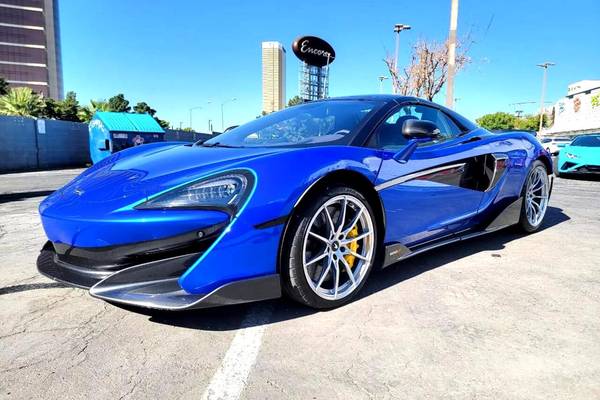
Located in Las Vegas, NV / 1,768 miles away from Columbus, OH
All prices shown are cash prices, do not include doc fee, recon fee , state taxes and bank fees ( if applicable )All vehicles are sold as is- warranty...
Accident Free Vehicle: Yes
Personal Use Only: Yes
History Provider: AutoCheck
Title Details: Clean Title
Salvage Vehicle: No
Frame Damage: No
Theft History: No
Lemon Status: No
Free History Report: No
Features and Specs:
18 Combined MPG (15 City/22 Highway)
Listing Information:
VIN: SBM13SAA7LW007678
Stock: LVCEE007678
Certified Pre-Owned: No
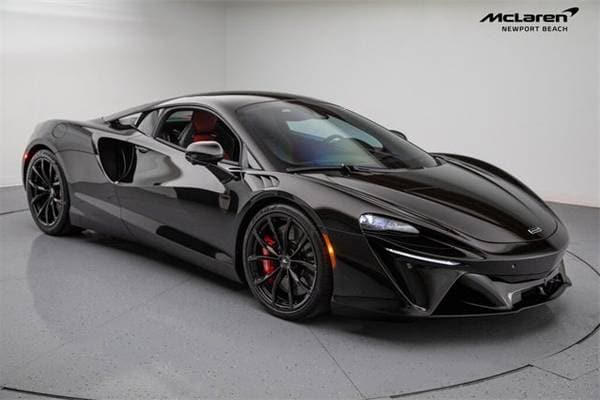
Located in Irvine, CA / 1,965 miles away from Columbus, OH
This 2023 McLaren Artura Techlux, presented in the menacing "Onyx Black" exterior, is a singular testament to innovation and high-performance luxury a...
Accident Free Vehicle: Yes
Personal Use Only: Yes
History Provider: AutoCheck
Title Details: Clean Title
Salvage Vehicle: No
Frame Damage: No
Theft History: No
Lemon Status: No
Free History Report: No
Features and Specs:
18 Combined MPG (17 City/21 Highway)
Listing Information:
VIN: SBM16AEA0PW001755
Stock: PW001755
Certified Pre-Owned: No
Listed since: 01-16-2024
* Delivery of any kind does not apply to Alaska and Hawaii. Contact the dealer for delivery details, restrictions and costs.