Used Hyundai Genesis for Sale Near Me
Describe what you’re looking for
BETA

Located in Dallas, TX / 920 miles away from Columbus, OH
At Carvana, we go miles beyond the extra mile. That's why we provide you with a convenient, fast, and hassle-free car buying experience that puts you ...
Accident Free Vehicle: Yes
Personal Use Only: Yes
History Provider: AutoCheck
Title Details: Clean Title
Salvage Vehicle: No
Frame Damage: No
Theft History: No
Lemon Status: No
Free History Report: No
Features and Specs:
22 Combined MPG (18 City/29 Highway)
Listing Information:
VIN: KMHGN4JE1FU090550
Stock: 2002870977
Certified Pre-Owned: No
Listed since: 04-17-2024

Located in Oklahoma City, OK / 856 miles away from Columbus, OH
Call 405-475-9600 for more information! Joe Cooper Lincoln in Edmond offers quality Pre-owned at below market pricing. Shop at JOECOOPERLINCOLN.COM Lo...
Accident Free Vehicle: Yes
Personal Use Only: Yes
History Provider: AutoCheck
Title Details: Clean Title
Salvage Vehicle: No
Frame Damage: No
Theft History: No
Lemon Status: No
Free History Report: No
Features and Specs:
22 Combined MPG (18 City/29 Highway)
Listing Information:
VIN: KMHGN4JE7FU015237
Stock: R015237
Certified Pre-Owned: No
Listed since: 03-25-2024
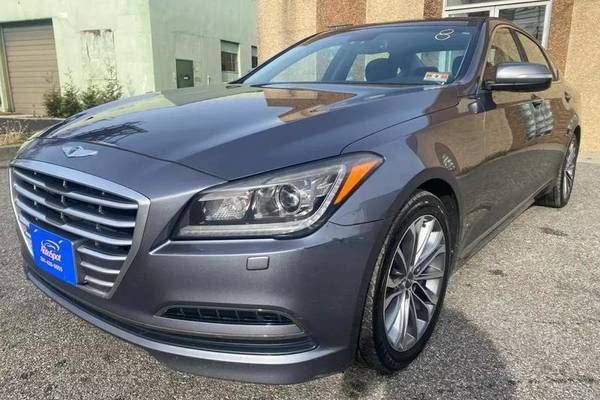
Located in South Hackensack, NJ / 467 miles away from Columbus, OH
Price includes all costs to be paid by consumer, except for licensing costs, registration fees, title and taxes. Any monetary discount coupon cannot b...
Accident Free Vehicle: Yes
Personal Use Only: Yes
History Provider: AutoCheck
Title Details: Clean Title
Salvage Vehicle: No
Frame Damage: No
Theft History: No
Lemon Status: No
Free History Report: No
Features and Specs:
19 Combined MPG (16 City/25 Highway)
Listing Information:
VIN: KMHGN4JE5FU019108
Stock: 019108-8
Certified Pre-Owned: No
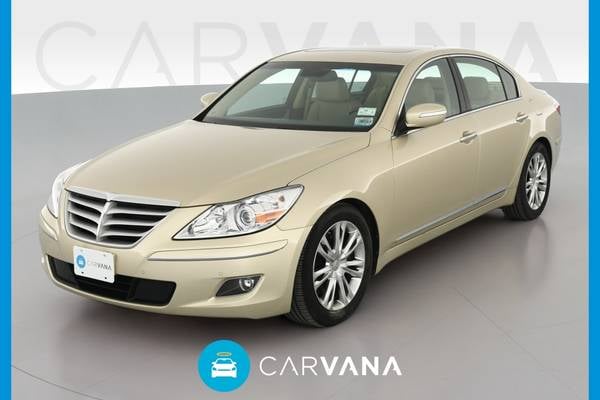
Located in Cleveland, OH / 116 miles away from Columbus, OH
At Carvana, we go miles beyond the extra mile. That's why we provide you with a convenient, fast, and hassle-free car buying experience that puts you ...
Accident Free Vehicle: Yes
Personal Use Only: Yes
History Provider: AutoCheck
Title Details: Clean Title
Salvage Vehicle: No
Frame Damage: No
Theft History: No
Lemon Status: No
Free History Report: No
Features and Specs:
20 Combined MPG (17 City/25 Highway)
Listing Information:
VIN: KMHGC4DF0BU125938
Stock: 2002805513
Certified Pre-Owned: No
Listed since: 03-15-2024
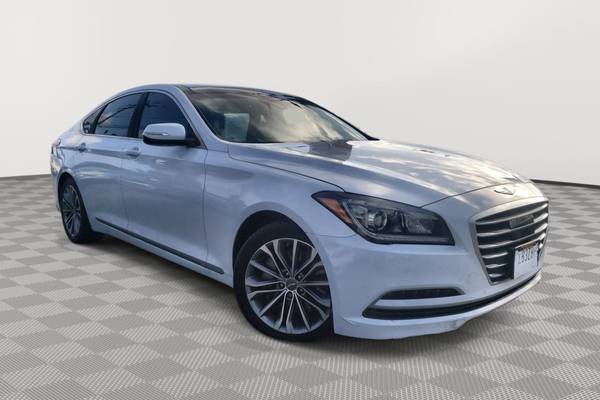
Located in Hawthorne, CA / 1,990 miles away from Columbus, OH
Our impressive 2015 Hyundai Genesis 3.8 Sedan in gorgeous Casablanca White resembles an athlete ready to attack! Powered by a 3.8 Liter V6 that offers...
Accident Free Vehicle: No
Personal Use Only: Yes
History Provider: AutoCheck
Title Details: Clean Title
Salvage Vehicle: No
Frame Damage: No
Theft History: No
Lemon Status: No
Free History Report: No
Features and Specs:
22 Combined MPG (18 City/29 Highway)
Listing Information:
VIN: KMHGN4JE5FU097050
Stock: U097050
Certified Pre-Owned: No
Listed since: 01-10-2024
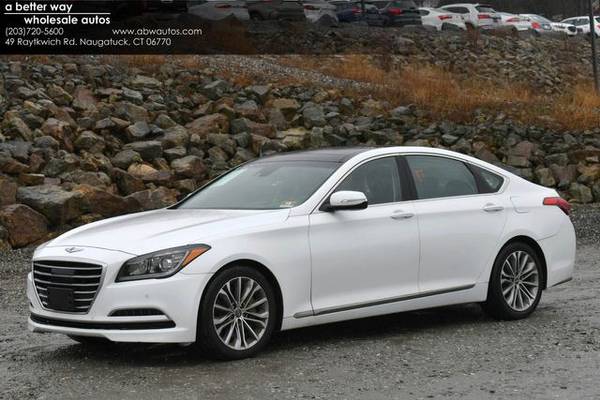
Located in Naugatuck, CT / 524 miles away from Columbus, OH
- Immaculate 2015 Hyundai Genesis 3.8L with a stunning white exterior and luxurious black leather interior - Powered by a robust 3.8L V6 engine deliv...
Accident Free Vehicle: No
Personal Use Only: No
History Provider: AutoCheck
Title Details: Clean Title
Salvage Vehicle: No
Frame Damage: No
Theft History: No
Lemon Status: No
Free History Report: No
Features and Specs:
22 Combined MPG (18 City/29 Highway)
Listing Information:
VIN: KMHGN4JE4FU058322
Stock: 58322A
Certified Pre-Owned: No

Located in Dallas, TX / 920 miles away from Columbus, OH
At Carvana, we go miles beyond the extra mile. That's why we provide you with a convenient, fast, and hassle-free car buying experience that puts you ...
Accident Free Vehicle: Yes
Personal Use Only: Yes
History Provider: AutoCheck
Title Details: Clean Title
Salvage Vehicle: No
Frame Damage: No
Theft History: No
Lemon Status: No
Free History Report: No
Features and Specs:
19 Combined MPG (16 City/25 Highway)
Listing Information:
VIN: KMHGN4JE1GU118557
Stock: 2002807352
Certified Pre-Owned: No
Listed since: 03-21-2024
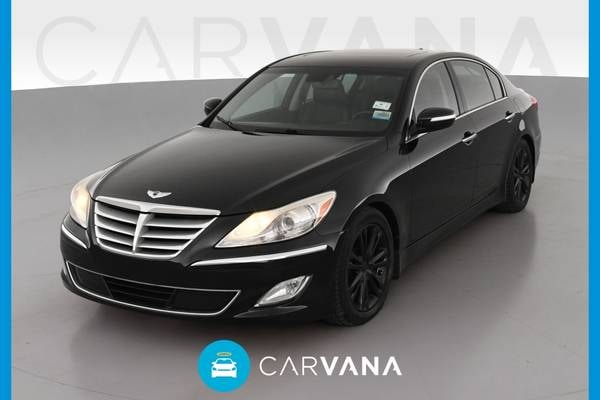
Located in Boston, MA / 632 miles away from Columbus, OH
At Carvana, we go miles beyond the extra mile. That's why we provide you with a convenient, fast, and hassle-free car buying experience that puts you ...
Accident Free Vehicle: No
Personal Use Only: Yes
History Provider: AutoCheck
Title Details: Clean Title
Salvage Vehicle: No
Frame Damage: No
Theft History: No
Lemon Status: No
Free History Report: No
Features and Specs:
22 Combined MPG (18 City/28 Highway)
Listing Information:
VIN: KMHGC4DD3DU233858
Stock: 2002789127
Certified Pre-Owned: No
Listed since: 03-12-2024
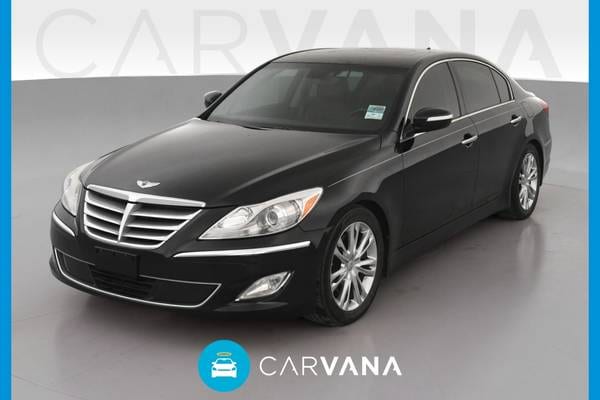
Located in Birmingham, AL / 501 miles away from Columbus, OH
At Carvana, we go miles beyond the extra mile. That's why we provide you with a convenient, fast, and hassle-free car buying experience that puts you ...
Accident Free Vehicle: Yes
Personal Use Only: Yes
History Provider: AutoCheck
Title Details: Clean Title
Salvage Vehicle: No
Frame Damage: No
Theft History: No
Lemon Status: No
Free History Report: No
Features and Specs:
22 Combined MPG (18 City/28 Highway)
Listing Information:
VIN: KMHGC4DD8CU161165
Stock: 2002778235
Certified Pre-Owned: No
Listed since: 03-06-2024
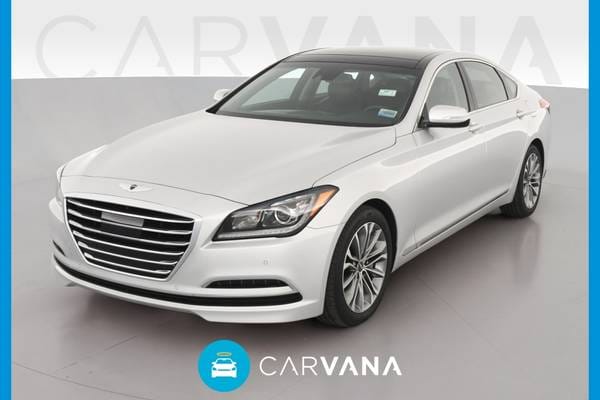
Located in Tampa, FL / 836 miles away from Columbus, OH
At Carvana, we go miles beyond the extra mile. That's why we provide you with a convenient, fast, and hassle-free car buying experience that puts you ...
Accident Free Vehicle: Yes
Personal Use Only: Yes
History Provider: AutoCheck
Title Details: Clean Title
Salvage Vehicle: No
Frame Damage: No
Theft History: No
Lemon Status: No
Free History Report: No
Features and Specs:
22 Combined MPG (18 City/29 Highway)
Listing Information:
VIN: KMHGN4JE2FU068458
Stock: 2002559457
Certified Pre-Owned: No
Listed since: 10-22-2023
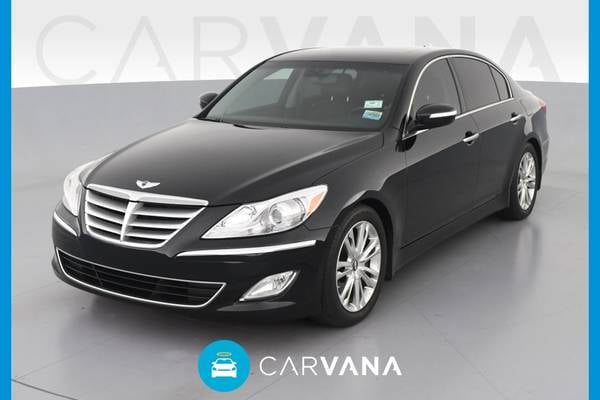
Located in Tampa, FL / 836 miles away from Columbus, OH
At Carvana, we go miles beyond the extra mile. That's why we provide you with a convenient, fast, and hassle-free car buying experience that puts you ...
Accident Free Vehicle: Yes
Personal Use Only: Yes
History Provider: AutoCheck
Title Details: Clean Title
Salvage Vehicle: No
Frame Damage: No
Theft History: No
Lemon Status: No
Free History Report: No
Features and Specs:
22 Combined MPG (18 City/28 Highway)
Listing Information:
VIN: KMHGC4DD0DU240704
Stock: 2002847758
Certified Pre-Owned: No
Listed since: 04-19-2024
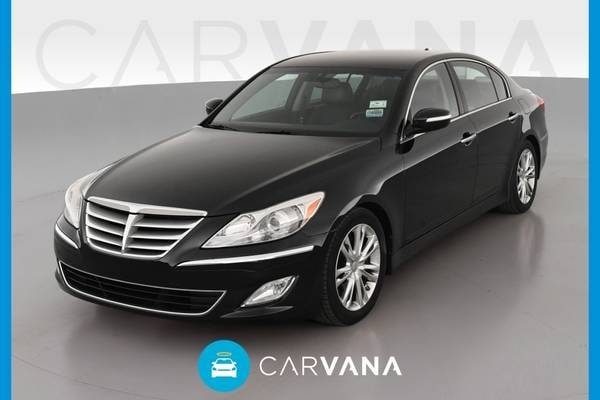
Located in Philadelphia, PA / 409 miles away from Columbus, OH
At Carvana, we go miles beyond the extra mile. That's why we provide you with a convenient, fast, and hassle-free car buying experience that puts you ...
Accident Free Vehicle: Yes
Personal Use Only: Yes
History Provider: AutoCheck
Title Details: Clean Title
Salvage Vehicle: No
Frame Damage: No
Theft History: No
Lemon Status: No
Free History Report: No
Features and Specs:
21 Combined MPG (18 City/27 Highway)
Listing Information:
VIN: KMHGC4DD2EU261653
Stock: 2002762651
Certified Pre-Owned: No
Listed since: 02-22-2024
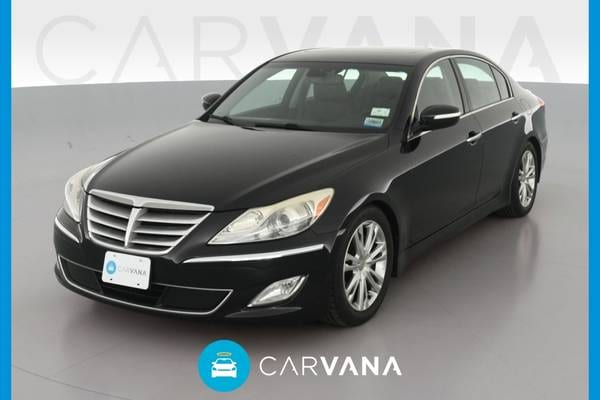
Located in Cleveland, OH / 116 miles away from Columbus, OH
At Carvana, we go miles beyond the extra mile. That's why we provide you with a convenient, fast, and hassle-free car buying experience that puts you ...
Accident Free Vehicle: Yes
Personal Use Only: No
History Provider: AutoCheck
Title Details: Clean Title
Salvage Vehicle: No
Frame Damage: No
Theft History: No
Lemon Status: No
Free History Report: No
Features and Specs:
21 Combined MPG (18 City/27 Highway)
Listing Information:
VIN: KMHGC4DD2EU263306
Stock: 2002824976
Certified Pre-Owned: No
Listed since: 04-16-2024
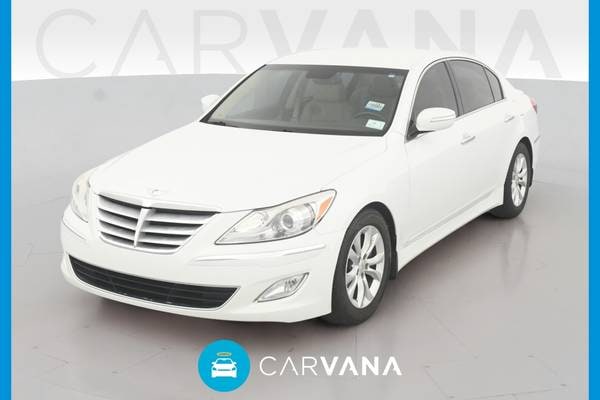
Located in Atlanta, GA / 441 miles away from Columbus, OH
At Carvana, we go miles beyond the extra mile. That's why we provide you with a convenient, fast, and hassle-free car buying experience that puts you ...
Accident Free Vehicle: Yes
Personal Use Only: Yes
History Provider: AutoCheck
Title Details: Clean Title
Salvage Vehicle: No
Frame Damage: No
Theft History: No
Lemon Status: No
Free History Report: No
Features and Specs:
22 Combined MPG (18 City/28 Highway)
Listing Information:
VIN: KMHGC4DD6DU228203
Stock: 2002858972
Certified Pre-Owned: No
Listed since: 04-11-2024

Located in San Antonio, TX / 1,149 miles away from Columbus, OH
At Carvana, we go miles beyond the extra mile. That's why we provide you with a convenient, fast, and hassle-free car buying experience that puts you ...
Accident Free Vehicle: Yes
Personal Use Only: Yes
History Provider: AutoCheck
Title Details: Clean Title
Salvage Vehicle: No
Frame Damage: No
Theft History: No
Lemon Status: No
Free History Report: No
Features and Specs:
22 Combined MPG (18 City/28 Highway)
Listing Information:
VIN: KMHGC4DD5DU252119
Stock: 2002841447
Certified Pre-Owned: No
Listed since: 04-09-2024
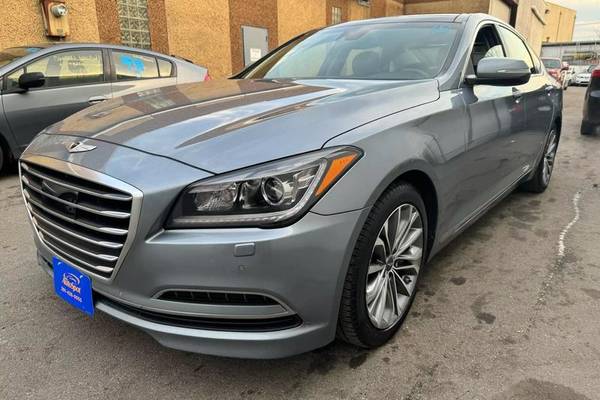
Located in South Hackensack, NJ / 467 miles away from Columbus, OH
Price includes all costs to be paid by consumer, except for licensing costs, registration fees, retail package, title and taxes. Any monetary discount...
Accident Free Vehicle: Yes
Personal Use Only: Yes
History Provider: AutoCheck
Title Details: Clean Title
Salvage Vehicle: No
Frame Damage: No
Theft History: No
Lemon Status: No
Free History Report: No
Features and Specs:
19 Combined MPG (16 City/25 Highway)
Listing Information:
VIN: KMHGN4JE4FU101718
Stock: 101718-18
Certified Pre-Owned: No
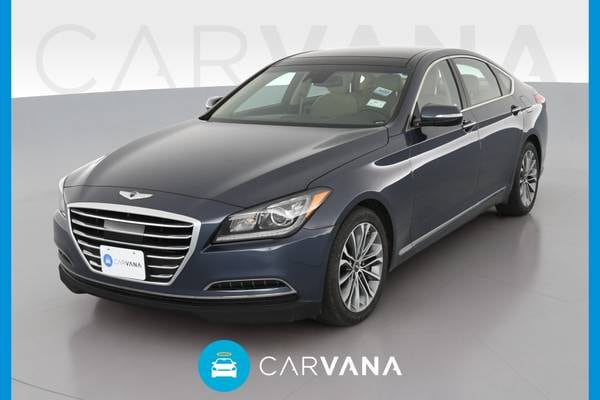
Located in Sacramento, CA / 2,051 miles away from Columbus, OH
At Carvana, we go miles beyond the extra mile. That's why we provide you with a convenient, fast, and hassle-free car buying experience that puts you ...
Accident Free Vehicle: Yes
Personal Use Only: Yes
History Provider: AutoCheck
Title Details: Clean Title
Salvage Vehicle: No
Frame Damage: No
Theft History: No
Lemon Status: No
Free History Report: No
Features and Specs:
22 Combined MPG (18 City/29 Highway)
Listing Information:
VIN: KMHGN4JE3FU095216
Stock: 2002738802
Certified Pre-Owned: No
Listed since: 02-12-2024

Located in Sacramento, CA / 2,051 miles away from Columbus, OH
At Carvana, we go miles beyond the extra mile. That's why we provide you with a convenient, fast, and hassle-free car buying experience that puts you ...
Accident Free Vehicle: Yes
Personal Use Only: Yes
History Provider: AutoCheck
Title Details: Clean Title
Salvage Vehicle: No
Frame Damage: No
Theft History: No
Lemon Status: No
Free History Report: No
Features and Specs:
22 Combined MPG (18 City/29 Highway)
Listing Information:
VIN: KMHGN4JE4FU083947
Stock: 2002838298
Certified Pre-Owned: No
Listed since: 04-02-2024

Located in Dallas, TX / 920 miles away from Columbus, OH
At Carvana, we go miles beyond the extra mile. That's why we provide you with a convenient, fast, and hassle-free car buying experience that puts you ...
Accident Free Vehicle: Yes
Personal Use Only: Yes
History Provider: AutoCheck
Title Details: Clean Title
Salvage Vehicle: No
Frame Damage: No
Theft History: No
Lemon Status: No
Free History Report: No
Features and Specs:
18 Combined MPG (15 City/23 Highway)
Listing Information:
VIN: KMHGN4JF2FU026395
Stock: 2002859167
Certified Pre-Owned: No
Listed since: 04-15-2024
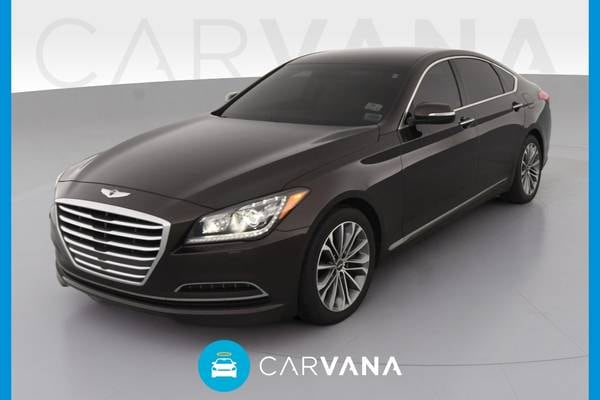
Located in Indianapolis, IN / 177 miles away from Columbus, OH
At Carvana, we go miles beyond the extra mile. That's why we provide you with a convenient, fast, and hassle-free car buying experience that puts you ...
Accident Free Vehicle: Yes
Personal Use Only: No
History Provider: AutoCheck
Title Details: Clean Title
Salvage Vehicle: No
Frame Damage: No
Theft History: No
Lemon Status: No
Free History Report: No
Features and Specs:
19 Combined MPG (16 City/25 Highway)
Listing Information:
VIN: KMHGN4JEXGU111798
Stock: 2002813077
Certified Pre-Owned: No
Listed since: 04-10-2024
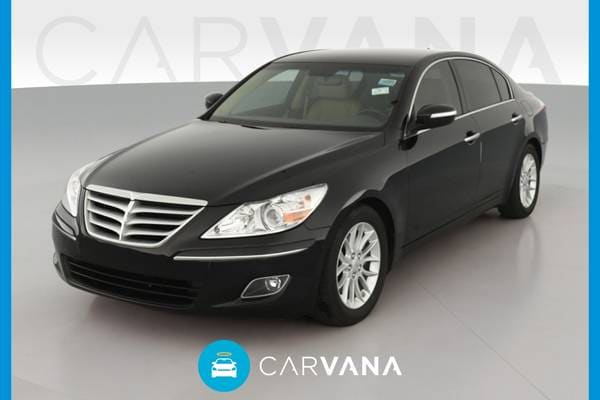
Located in Phoenix, AZ / 1,668 miles away from Columbus, OH
At Carvana, we go miles beyond the extra mile. That's why we provide you with a convenient, fast, and hassle-free car buying experience that puts you ...
AutoCheck Vehicle History Summary Unavailable.
Features and Specs:
21 Combined MPG (18 City/27 Highway)
Listing Information:
VIN: KMHGC4DE1AU084838
Stock: 2002839424
Certified Pre-Owned: No
Listed since: 04-02-2024
Edmunds has 694 Used Hyundai Genesises for sale near you, including a 2015 Genesis 3.8 Sedan and a 2015 Genesis 3.8 Sedan ranging in price from $9,999 to $22,590.
* Delivery of any kind does not apply to Alaska and Hawaii. Contact the dealer for delivery details, restrictions and costs.