Used 2011 Kia Optima for Sale Near Me
Describe what you’re looking for
BETA

Located in Brighton, MI / 179 miles away from Columbus, OH
*WHOLESALE TO THE PUBLIC, Voice Recognition, Bluetooth Hands-Free.Ebony Black 2011 Kia Optima LX FWD 4D Sedan 2.4L I4 DOHC 6-Speed Automatic with Spor...
Accident Free Vehicle: Yes
Personal Use Only: Yes
History Provider: AutoCheck
Title Details: Clean Title
Salvage Vehicle: No
Frame Damage: No
Theft History: No
Lemon Status: No
Free History Report: No
Features and Specs:
27 Combined MPG (24 City/34 Highway)
Listing Information:
VIN: KNAGM4A78B5164914
Stock: M1802B
Certified Pre-Owned: No
Listed since: 03-11-2024
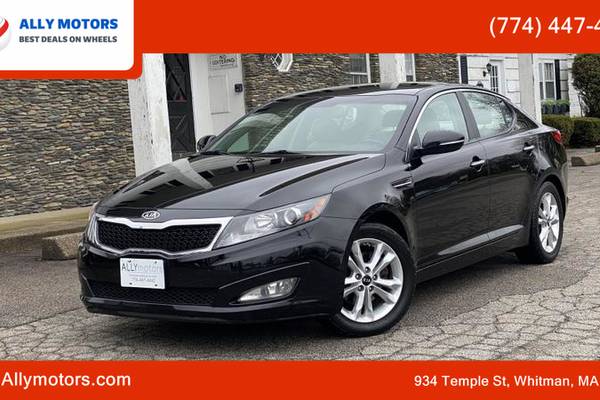
Located in Whitman, MA / 634 miles away from Columbus, OH
Please call for details 774-447-4442CALL NOW 774-447-44422011 *KIA OPTIMA EX* 2.4L FWD!AUTOMATIC TRANSMISSION!CLEAN CARFAX!NO ACCIDENTS OR DAMAGE!SERV...
Accident Free Vehicle: Yes
Personal Use Only: Yes
History Provider: AutoCheck
Title Details: Clean Title
Salvage Vehicle: No
Frame Damage: No
Theft History: No
Lemon Status: No
Free History Report: No
Features and Specs:
27 Combined MPG (24 City/34 Highway)
Listing Information:
VIN: KNAGN4A77B5070343
Stock: 21-4634
Certified Pre-Owned: No

Located in Stafford, VA / 312 miles away from Columbus, OH
Discover the ultimate blend of power, luxury, and style in this 2011 KIA OPTIMA FRONT WHEEL DRIVE offered exclusively by Car Cloud Auto Group. Featuri...
Accident Free Vehicle: Yes
Personal Use Only: Yes
History Provider: AutoCheck
Title Details: Clean Title
Salvage Vehicle: No
Frame Damage: No
Theft History: No
Lemon Status: No
Free History Report: No
Features and Specs:
26 Combined MPG (22 City/34 Highway)
Listing Information:
VIN: KNAGR4A65B5133905
Stock: CCA3632
Certified Pre-Owned: No

Located in Newport, OR / 2,105 miles away from Columbus, OH
This 2011 Kia Optima EX is offered to you for sale by Power Ford Chrysler. You don't have to sacrifice style or comfort with this fuel-efficient Kia O...
Accident Free Vehicle: Yes
Personal Use Only: Yes
History Provider: AutoCheck
Title Details: Clean Title
Salvage Vehicle: No
Frame Damage: No
Theft History: No
Lemon Status: No
Free History Report: No
Features and Specs:
27 Combined MPG (24 City/34 Highway)
Listing Information:
VIN: KNAGN4A77B5079480
Stock: PL79480
Certified Pre-Owned: No
Listed since: 04-15-2024

Located in Wayne, MI / 157 miles away from Columbus, OH
WE FINANCE!No credit, damaged credit, excellent credit and everything between we can work with. Just give us a call at 734-722-5200 to discuss your op...
Accident Free Vehicle: No
Personal Use Only: Yes
History Provider: AutoCheck
Title Details: Title issue reported
Salvage Vehicle: No
Frame Damage: No
Theft History: No
Lemon Status: No
Free History Report: No
Features and Specs:
27 Combined MPG (24 City/34 Highway)
Listing Information:
VIN: KNAGN4A72B5049125
Stock: 34189
Certified Pre-Owned: No
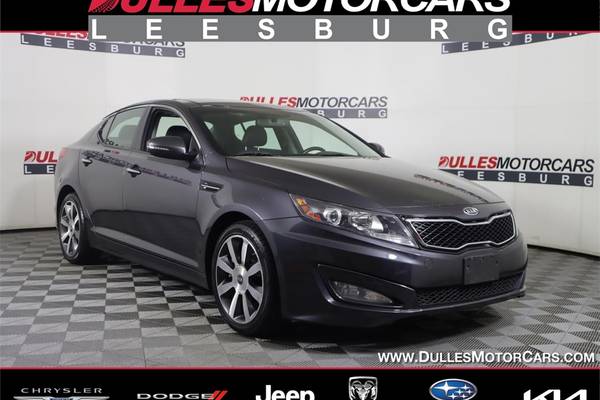
Located in Leesburg, VA / 289 miles away from Columbus, OH
CLEAN CARFAX, WELL SERVICED, PREMIUM TOURING PACKAGE, TURBO, HEATED/COOLED SEATS, PANORAMIC ROOF, 2-TONE LEATHER WOVEN SEATS, 18" WHEELS, 34MPG Premi...
Accident Free Vehicle: Yes
Personal Use Only: Yes
History Provider: AutoCheck
Title Details: Clean Title
Salvage Vehicle: No
Frame Damage: No
Theft History: No
Lemon Status: No
Free History Report: No
Features and Specs:
26 Combined MPG (22 City/34 Highway)
Listing Information:
VIN: KNAGR4A66B5142371
Stock: 22973A
Certified Pre-Owned: No
Listed since: 04-06-2024

Located in Loveland, OH / 91 miles away from Columbus, OH
Our outstanding 2011 Kia Optima LX Sedan in Platinum Graphite offers you a family sedan you will look forward to driving daily! Powered by a 2.4 Liter...
Accident Free Vehicle: No
Personal Use Only: Yes
History Provider: AutoCheck
Title Details: Clean Title
Salvage Vehicle: No
Frame Damage: No
Theft History: No
Lemon Status: No
Free History Report: No
Features and Specs:
27 Combined MPG (24 City/34 Highway)
Listing Information:
VIN: KNAGM4A71B5152703
Stock: 3104
Certified Pre-Owned: No
Listed since: 06-30-2023
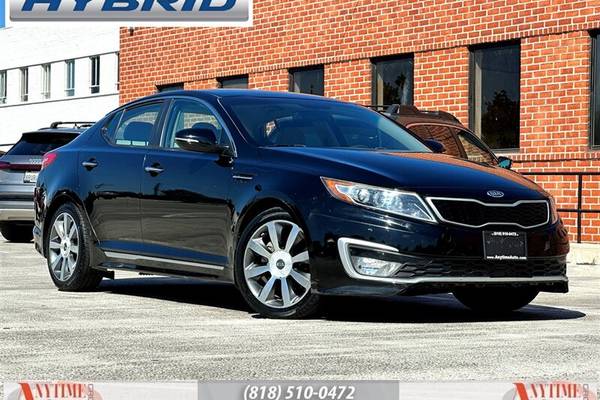
Located in Sherman Oaks, CA / 1,989 miles away from Columbus, OH
WE HAVE NO DEALER FEES EVER ON ANY ACCESSORIES** NO PAINT PROTECTION FEE** NO WINDOW TINTING FEE** NO THEFT PROTECTION FEE** 2011 Ebony Black Kia Opt...
Accident Free Vehicle: No
Personal Use Only: Yes
History Provider: AutoCheck
Title Details: Clean Title
Salvage Vehicle: No
Frame Damage: No
Theft History: No
Lemon Status: No
Free History Report: No
Features and Specs:
36 Combined MPG (34 City/39 Highway)
Listing Information:
VIN: KNAGM4AD0B5001258
Stock: 15519
Certified Pre-Owned: No

Located in Jacksonville, FL / 678 miles away from Columbus, OH
WARRANTY LEATHER PANORAMIC SUNROOF 4CYL AT A/C BUY HERE PAY HERE FINANCING AVAILABLE ON OVER 250 VEHICLES! KING OF DEALERS! MILITARY DISCOUNT! HUGE SA...
Accident Free Vehicle: Yes
Personal Use Only: Yes
History Provider: AutoCheck
Title Details: Clean Title
Salvage Vehicle: No
Frame Damage: No
Theft History: No
Lemon Status: No
Free History Report: No
Features and Specs:
27 Combined MPG (24 City/34 Highway)
Listing Information:
VIN: KNAGN4A77B5111019
Stock: VIN1019
Certified Pre-Owned: No
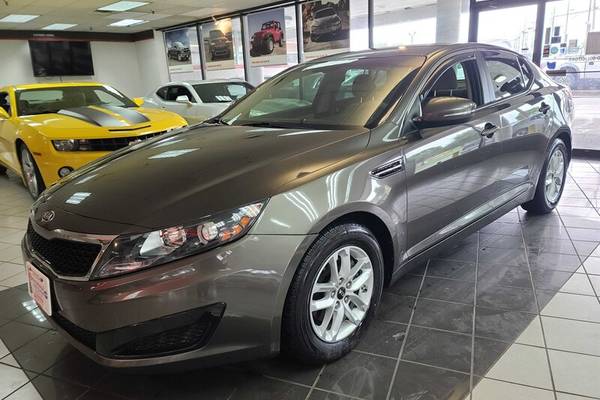
Located in Hamilton, OH / 101 miles away from Columbus, OH
2011 KIA OPTIMA LX -- 2.4L - 4DOOR SEDAN -- POWER WINDOWS AND LOCKS -- POWER MIRROR -- CRUISE CONTROL -- AM/FM STEREO -- SIRIUS SATELLITE RADIO CD...
Accident Free Vehicle: No
Personal Use Only: Yes
History Provider: AutoCheck
Title Details: Clean Title
Salvage Vehicle: No
Frame Damage: No
Theft History: No
Lemon Status: No
Free History Report: No
Features and Specs:
27 Combined MPG (24 City/34 Highway)
Listing Information:
VIN: KNAGM4A75B5074703
Stock: 074703
Certified Pre-Owned: No

Located in Sacramento, CA / 2,051 miles away from Columbus, OH
At Carvana, we go miles beyond the extra mile. That's why we provide you with a convenient, fast, and hassle-free car buying experience that puts you ...
Accident Free Vehicle: Yes
Personal Use Only: Yes
History Provider: AutoCheck
Title Details: Clean Title
Salvage Vehicle: No
Frame Damage: No
Theft History: No
Lemon Status: No
Free History Report: No
Features and Specs:
27 Combined MPG (24 City/34 Highway)
Listing Information:
VIN: KNAGN4A76B5188626
Stock: 2002833448
Certified Pre-Owned: No
Listed since: 04-05-2024

Located in Woodbridge, VA / 314 miles away from Columbus, OH
LOADED WITH VALUE! Comes equipped with: Air Conditioning. This Kia Optima also includes Cruise Control, Power Steering, Telescoping Steering Wheel, Po...
Accident Free Vehicle: No
Personal Use Only: Yes
History Provider: AutoCheck
Title Details: Clean Title
Salvage Vehicle: No
Frame Damage: No
Theft History: No
Lemon Status: No
Free History Report: No
Features and Specs:
28 Combined MPG (24 City/35 Highway)
Listing Information:
VIN: 5XXGM4A75CG047484
Stock: 139054
Certified Pre-Owned: No
Listed since: 04-18-2024

Located in Brookfield, WI / 345 miles away from Columbus, OH
Snow White Pearl 2012 Kia Optima EX FWD 6-Speed Automatic with Sportmatic 2.4L I4 DOHC Gray Leather, 17 x 6.5 Alloy Wheels, 4-Wheel Disc Brakes, 6 Spe...
Accident Free Vehicle: Yes
Personal Use Only: Yes
History Provider: AutoCheck
Title Details: Clean Title
Salvage Vehicle: No
Frame Damage: No
Theft History: No
Lemon Status: No
Free History Report: No
Features and Specs:
28 Combined MPG (24 City/35 Highway)
Listing Information:
VIN: 5XXGN4A7XCG086360
Stock: BX1347A
Certified Pre-Owned: No
Listed since: 03-27-2024
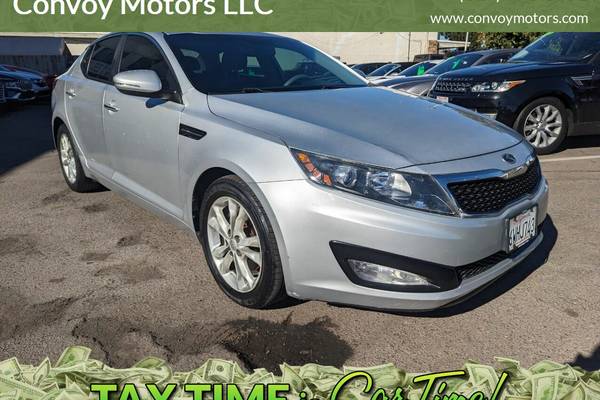
Located in National City, CA / 1,959 miles away from Columbus, OH
2012 KIA Optima EX Sedan 4DR VIN: 5XXGN4A75CG081292 4-Cyl, 2.4 Liter Engine, Automatic, 6-Spd Sportmatic Transmission, FWD. Hill Start Assist Contr...
Accident Free Vehicle: Yes
Personal Use Only: Yes
History Provider: AutoCheck
Title Details: Clean Title
Salvage Vehicle: No
Frame Damage: No
Theft History: No
Lemon Status: No
Free History Report: No
Features and Specs:
28 Combined MPG (24 City/35 Highway)
Listing Information:
VIN: 5XXGN4A75CG081292
Stock: 081292
Certified Pre-Owned: No
Listed since: 04-09-2024
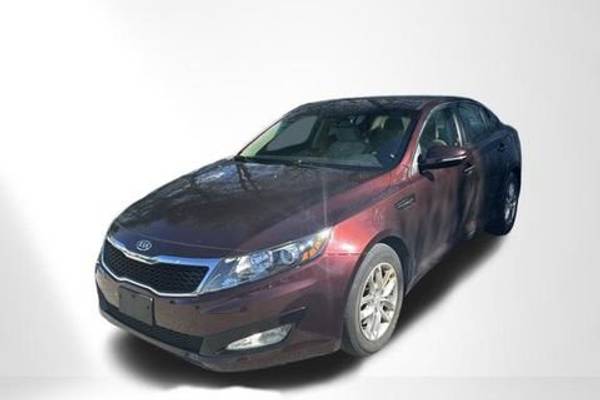
Located in Mentor, OH / 138 miles away from Columbus, OH
Ken Ganley Kia of Mentor offers some of the best values in the market. We have a huge selection of new and used Kia vehicles as well as an extensive U...
Accident Free Vehicle: Yes
Personal Use Only: Yes
History Provider: AutoCheck
Title Details: Clean Title
Salvage Vehicle: No
Frame Damage: No
Theft History: No
Lemon Status: No
Free History Report: No
Features and Specs:
28 Combined MPG (24 City/35 Highway)
Listing Information:
VIN: 5XXGM4A76CG079439
Stock: 6240T
Certified Pre-Owned: No
Listed since: 04-06-2024
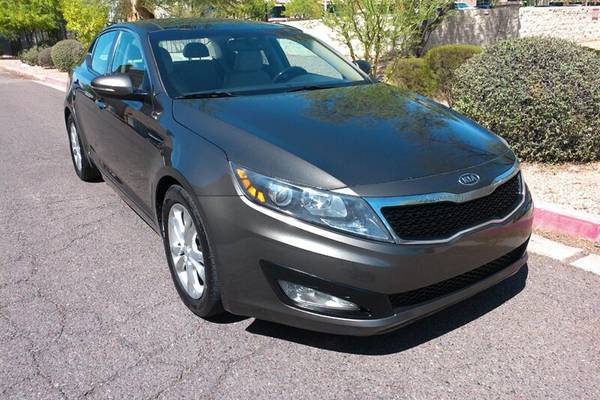
Located in Mesa, AZ / 1,663 miles away from Columbus, OH
Well Maintained inside and out! Loaded up with Navigation & Panorama Roof! Heated and Cooled Seats! Back Up Camera! Financing Options Available! Pleas...
Accident Free Vehicle: Yes
Personal Use Only: Yes
History Provider: AutoCheck
Title Details: Clean Title
Salvage Vehicle: No
Frame Damage: No
Theft History: No
Lemon Status: No
Free History Report: No
Features and Specs:
28 Combined MPG (24 City/35 Highway)
Listing Information:
VIN: 5XXGN4A72CG023947
Stock: 023947
Certified Pre-Owned: No
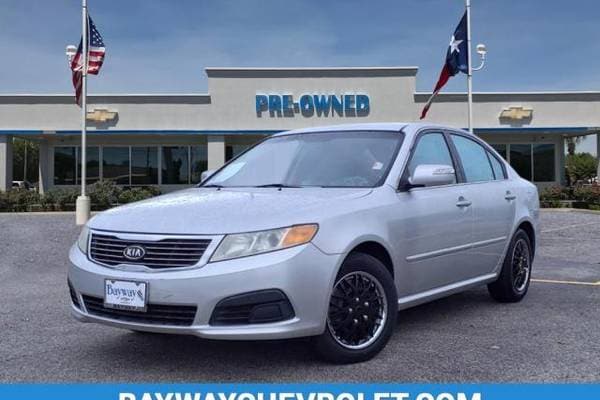
Located in Pearland, TX / 1,010 miles away from Columbus, OH
Clean CARFAX. Gray w/Cloth Seat Trim. If you work full-time, we can help at Bayway Chevrolet, located just 8 minutes from Beltway 8 and 288. 22/32 Cit...
Accident Free Vehicle: Yes
Personal Use Only: No
History Provider: AutoCheck
Title Details: Clean Title
Salvage Vehicle: No
Frame Damage: No
Theft History: No
Lemon Status: No
Free History Report: No
Features and Specs:
25 Combined MPG (22 City/32 Highway)
Listing Information:
VIN: KNAGG4A82A5381891
Stock: C24512C
Certified Pre-Owned: No
Listed since: 02-27-2024
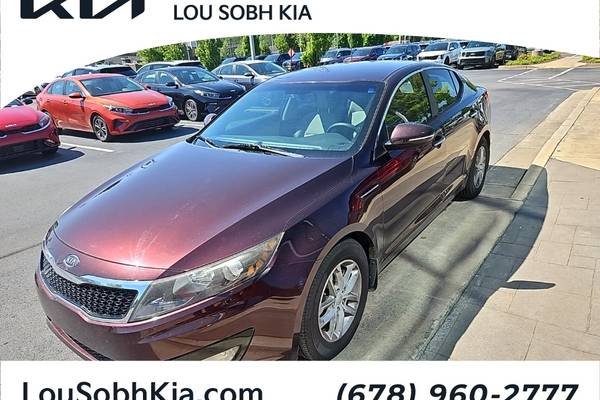
Located in Cumming, GA / 411 miles away from Columbus, OH
2012 Kia Optima LX Dark Cherry Call today to check AVAILABILTY and ADDITIONAL INFO. 24/35 City/Highway MPG CHOOSE YOUR NEXT USED CAR WITH CONFIDENCE! ...
Accident Free Vehicle: Yes
Personal Use Only: Yes
History Provider: AutoCheck
Title Details: Clean Title
Salvage Vehicle: No
Frame Damage: No
Theft History: No
Lemon Status: No
Free History Report: No
Features and Specs:
28 Combined MPG (24 City/35 Highway)
Listing Information:
VIN: 5XXGM4A71CG047773
Stock: CG047773
Certified Pre-Owned: No
Listed since: 04-22-2024
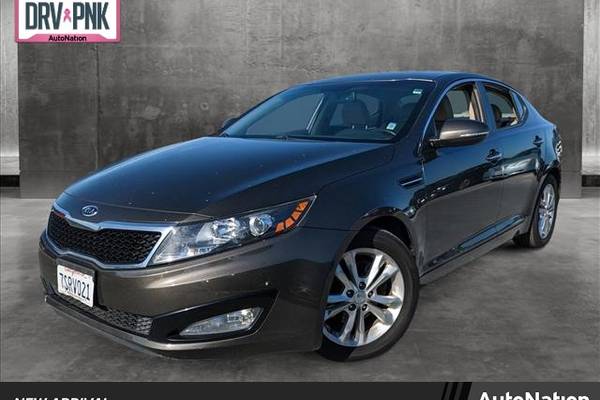
Located in San Jose, CA / 2,102 miles away from Columbus, OH
Leather Seats Cargo Mat Rear Bumper Applique Keyless Start Cargo Net Wheel Locks Beige; Seat Trim Metal Bronze This vehicle includes a Money-Back Gu...
Accident Free Vehicle: Yes
Personal Use Only: Yes
History Provider: AutoCheck
Title Details: Clean Title
Salvage Vehicle: No
Frame Damage: No
Theft History: No
Lemon Status: No
Free History Report: No
Features and Specs:
28 Combined MPG (24 City/35 Highway)
Listing Information:
VIN: 5XXGN4A73CG080545
Stock: CG080545
Certified Pre-Owned: No
Listed since: 04-17-2024

Located in Chantilly, VA / 295 miles away from Columbus, OH
Welcome to Precise Automotive Group! Get ready for a seamless car-buying experience with FREE and FAST shipping within 300 miles. For those farther aw...
Accident Free Vehicle: Yes
Personal Use Only: Yes
History Provider: AutoCheck
Title Details: Clean Title
Salvage Vehicle: No
Frame Damage: No
Theft History: No
Lemon Status: No
Free History Report: No
Features and Specs:
28 Combined MPG (24 City/35 Highway)
Listing Information:
VIN: 5XXGM4A7XCG035377
Stock: P5377_2
Certified Pre-Owned: No
Listed since: 01-10-2024

Located in Ramsey, NJ / 463 miles away from Columbus, OH
CarFax No Accidents Reported,CarFax 1-Owner,Green Vehicle,Bluetooth,Keyless Start,Satellite Radio,4 Cylinder Engine,4-Wheel Disc Brakes,6-Speed A/T,A/...
Accident Free Vehicle: Yes
Personal Use Only: Yes
History Provider: AutoCheck
Title Details: Clean Title
Salvage Vehicle: No
Frame Damage: No
Theft History: No
Lemon Status: No
Free History Report: No
Features and Specs:
37 Combined MPG (35 City/40 Highway)
Listing Information:
VIN: KNAGM4AD1C5011976
Stock: RU632268A
Certified Pre-Owned: No
* Delivery of any kind does not apply to Alaska and Hawaii. Contact the dealer for delivery details, restrictions and costs.