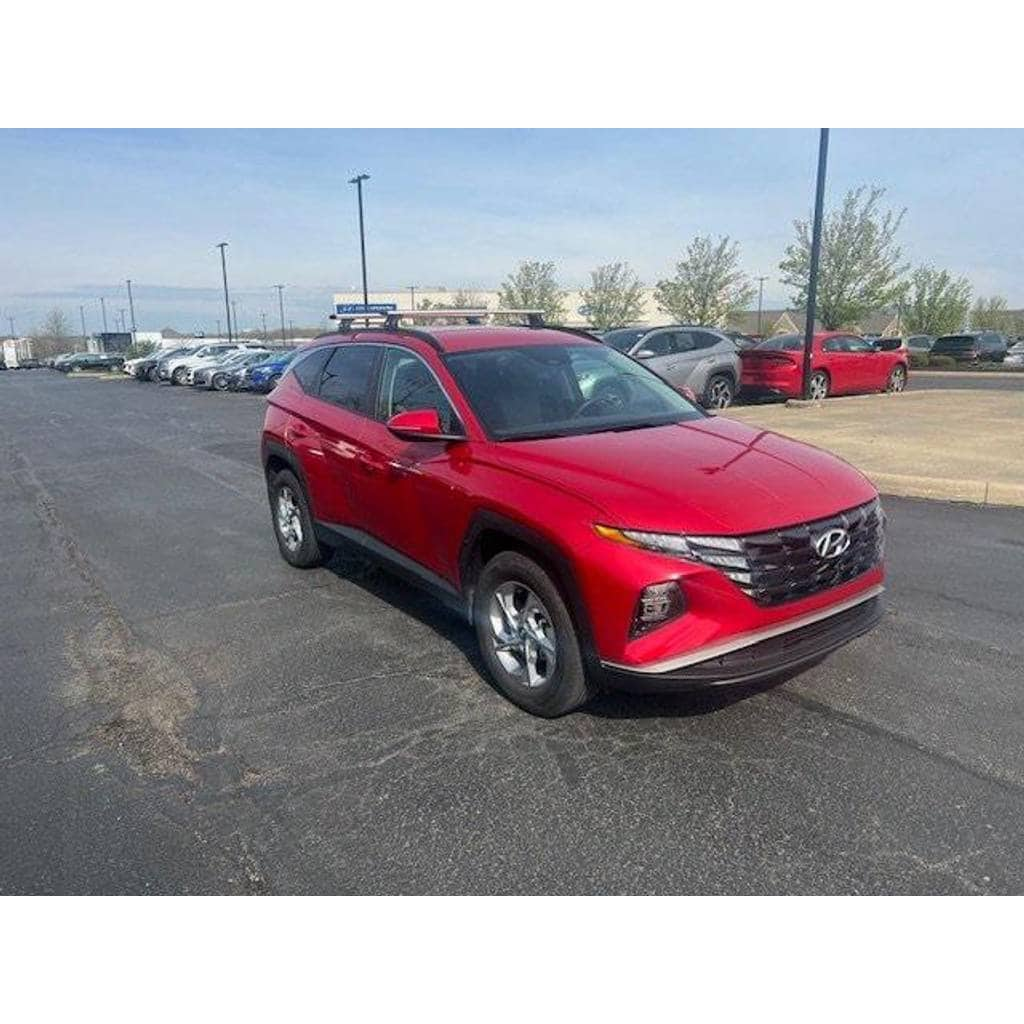
Used 2010 Hyundai Tucson for Sale Near Me
Describe what you’re looking for
BETA

Located in Magnolia, NJ / 414 miles away from Columbus, OH
JUST SERVICED, NEW TIRES
Accident Free Vehicle: Yes
Personal Use Only: Yes
History Provider: AutoCheck
Title Details: Clean Title
Salvage Vehicle: No
Frame Damage: No
Theft History: No
Lemon Status: No
Free History Report: No
Features and Specs:
24 Combined MPG (21 City/28 Highway)
Listing Information:
VIN: KM8JUCAC4AU024729
Stock: KM8JUCAC4AU024729
Certified Pre-Owned: No
Listed since: 04-15-2024

Located in North Ridgeville, OH / 100 miles away from Columbus, OH
Visit our website http://www.centerroadautosales.com for more information and photos on this or any of our other vehicles or call us today for a test...
Accident Free Vehicle: Yes
Personal Use Only: Yes
History Provider: AutoCheck
Title Details: Clean Title
Salvage Vehicle: No
Frame Damage: No
Theft History: No
Lemon Status: No
Free History Report: No
Features and Specs:
23 Combined MPG (21 City/28 Highway)
Listing Information:
VIN: KM8JUCAC8BU248930
Stock: 17319
Certified Pre-Owned: No

Located in Lake Park, FL / 928 miles away from Columbus, OH
2010 Hyundai Tucson GLS 2.4L 4-Cylinder MPI DOHC AWD 6-Speed Automatic with Overdrive Recent Arrival! 21/28 City/Highway MPG
Accident Free Vehicle: No
Personal Use Only: Yes
History Provider: AutoCheck
Title Details: Clean Title
Salvage Vehicle: No
Frame Damage: No
Theft History: No
Lemon Status: No
Free History Report: No
Features and Specs:
24 Combined MPG (21 City/28 Highway)
Listing Information:
VIN: KM8JUCAC6AU024991
Stock: HTDB024991
Certified Pre-Owned: No
Listed since: 04-12-2024

Located in Paris, KY / 148 miles away from Columbus, OH
THIS IS A FRESH TRADE THAT HAS NOT AND WILL NOT BE SERVICED. SOLD COMPLETELY AS IS AS WAS TRADED. SOLD WITH ABSOLUTELY NO GUARANTEES AT ALL. THIS IS J...
Accident Free Vehicle: No
Personal Use Only: No
History Provider: AutoCheck
Title Details: Clean Title
Salvage Vehicle: No
Frame Damage: No
Theft History: No
Lemon Status: No
Free History Report: No
Features and Specs:
23 Combined MPG (21 City/28 Highway)
Listing Information:
VIN: KM8JUCACXBU207571
Stock: 59837A
Certified Pre-Owned: No
Listed since: 03-28-2024
Located in Louisville, KY / 206 miles away from Columbus, OH
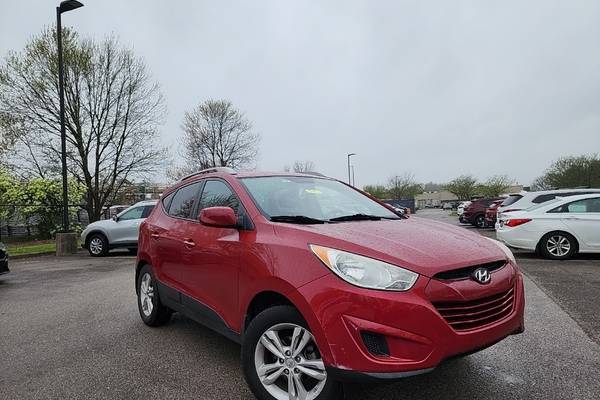
Odometer is 6638 miles below market average! Garnet Red 2011 Hyundai Tucson GLS 6-Speed Automatic with Overdrive FWD 2.4L I4 MPI DOHC CVVT 16V Theta...
Accident Free Vehicle: Yes
Personal Use Only: Yes
History Provider: AutoCheck
Title Details: Clean Title
Salvage Vehicle: No
Frame Damage: No
Theft History: No
Lemon Status: No
Free History Report: No
Features and Specs:
25 Combined MPG (22 City/31 Highway)
Listing Information:
VIN: KM8JU3AC3BU169164
Stock: 8H24119A
Certified Pre-Owned: No
Listed since: 03-22-2024

Located in Cincinnati, OH / 93 miles away from Columbus, OH
This *2011 Hyundai Tucson Limited* is loaded with convenient features like: AWD, Leather, PanoRoof, Navigation, Moonroof, Recent Trade, Heated Seats, ...
Accident Free Vehicle: Yes
Personal Use Only: Yes
History Provider: AutoCheck
Title Details: Clean Title
Salvage Vehicle: No
Frame Damage: No
Theft History: No
Lemon Status: No
Free History Report: No
Features and Specs:
23 Combined MPG (21 City/28 Highway)
Listing Information:
VIN: KM8JUCAC6BU314455
Stock: BU314455
Certified Pre-Owned: No
Listed since: 03-21-2024
Located in Epsom, NH / 632 miles away from Columbus, OH
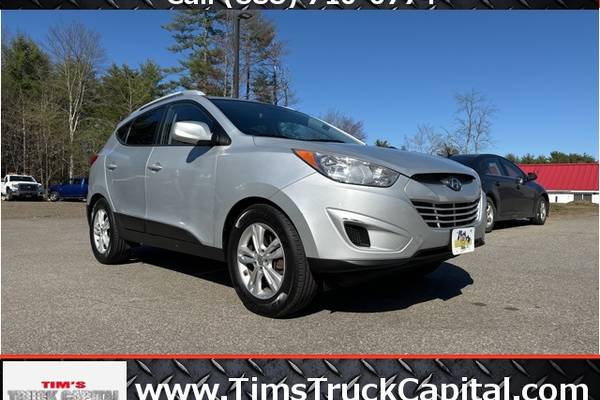
AWD. Tim's Truck Capital is pumped up to offer this fantastic-looking 2011 Hyundai Tucson GLS in Diamond Silver Beautifully equipped with AWD, 17" x ...
Accident Free Vehicle: Yes
Personal Use Only: Yes
History Provider: AutoCheck
Title Details: Clean Title
Salvage Vehicle: No
Frame Damage: No
Theft History: No
Lemon Status: No
Free History Report: No
Features and Specs:
23 Combined MPG (21 City/28 Highway)
Listing Information:
VIN: KM8JUCAC5BU300031
Stock: TAZ1210
Certified Pre-Owned: No
Listed since: 04-19-2024

Located in Indianapolis, IN / 177 miles away from Columbus, OH
At Carvana, we go miles beyond the extra mile. That's why we provide you with a convenient, fast, and hassle-free car buying experience that puts you ...
Accident Free Vehicle: Yes
Personal Use Only: Yes
History Provider: AutoCheck
Title Details: Clean Title
Salvage Vehicle: No
Frame Damage: No
Theft History: No
Lemon Status: No
Free History Report: No
Features and Specs:
25 Combined MPG (22 City/31 Highway)
Listing Information:
VIN: KM8JU3AC9BU291351
Stock: 2002789207
Certified Pre-Owned: No
Listed since: 03-12-2024

Located in Norfolk, VA / 420 miles away from Columbus, OH
STATUS - AVAILABLE IN STOCK ON LOT FOR SALE WARRANTY INCLUDED - YES CERTIFIED UNIT - YES INCLUDED IN SALE - YES - APRIL MAKE IT RAIN SALES EVENT!!! AV...
Accident Free Vehicle: No
Personal Use Only: No
History Provider: AutoCheck
Title Details: Clean Title
Salvage Vehicle: No
Frame Damage: No
Theft History: No
Lemon Status: No
Free History Report: No
Features and Specs:
22 Combined MPG (20 City/25 Highway)
Listing Information:
VIN: KM8JM12B89U970998
Stock: ZC5152A
Certified Pre-Owned: No
Listed since: 02-16-2024
Located in Fairfield, OH / 102 miles away from Columbus, OH
Please visit WWW.AUTOCONNECTIONOH.COM for more information, photos, and FREE Car Fax or Call Us Today at 513-858-6555. We sell our inventory near whol...
Accident Free Vehicle: Yes
Personal Use Only: No
History Provider: AutoCheck
Title Details: Clean Title
Salvage Vehicle: No
Frame Damage: No
Theft History: No
Lemon Status: No
Free History Report: No
Features and Specs:
25 Combined MPG (21 City/30 Highway)
Listing Information:
VIN: KM8JU3AC2CU362679
Stock: A230622T
Certified Pre-Owned: No
Listed since: 03-08-2024

Located in Peoria, AZ / 1,676 miles away from Columbus, OH
Capet Floor Mats W/Rubber Border Beige; Cloth Seat Trim Desert Sage This vehicle includes a Money-Back Guarantee* and passed our precise inspection ...
Accident Free Vehicle: Yes
Personal Use Only: Yes
History Provider: AutoCheck
Title Details: Clean Title
Salvage Vehicle: No
Frame Damage: No
Theft History: No
Lemon Status: No
Free History Report: No
Features and Specs:
20 Combined MPG (18 City/23 Highway)
Listing Information:
VIN: KM8JN72D49U938678
Stock: 9U938678
Certified Pre-Owned: No
Listed since: 04-13-2024

Located in Anderson, SC / 379 miles away from Columbus, OH
Check out all these great option's 17 x 6.5 Alloy Wheels, 3.195 Axle Ratio, 4-Wheel Disc Brakes, 4-Wheel Disc Brakes w/ABS, 4-Wheel Independent Suspen...
Accident Free Vehicle: No
Personal Use Only: Yes
History Provider: AutoCheck
Title Details: Clean Title
Salvage Vehicle: No
Frame Damage: No
Theft History: No
Lemon Status: No
Free History Report: No
Features and Specs:
25 Combined MPG (22 City/31 Highway)
Listing Information:
VIN: KM8JU3AC4BU273436
Stock: M247137B
Certified Pre-Owned: No
Listed since: 04-04-2024
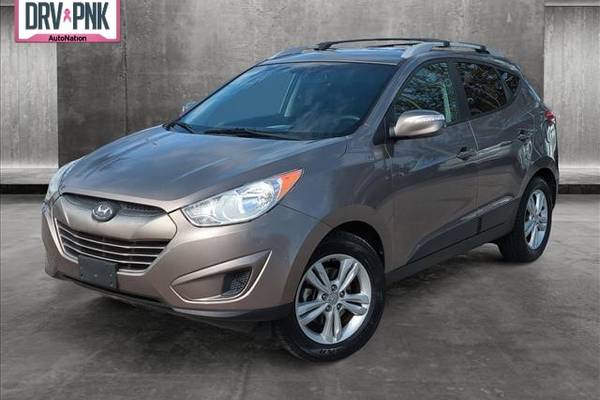
Located in Fort Myers, FL / 931 miles away from Columbus, OH
The following items have been reconditioned on this vehicle: new brakes and new pair of tires! Auto-Dimming Rearview Mirror W/Homelink/Compass Carg...
Accident Free Vehicle: Yes
Personal Use Only: Yes
History Provider: AutoCheck
Title Details: Clean Title
Salvage Vehicle: No
Frame Damage: No
Theft History: No
Lemon Status: No
Free History Report: No
Features and Specs:
25 Combined MPG (21 City/30 Highway)
Listing Information:
VIN: KM8JU3AC4CU485089
Stock: CU485089
Certified Pre-Owned: No
Listed since: 03-16-2024

Located in Richmond, VA / 333 miles away from Columbus, OH
2010 Hyundai Tucson Limited AWD at Sheehy Ford Lincoln of Richmond! This Tucson has an exterior color of Ash Black with Black/Saddle Leather interior....
Accident Free Vehicle: Yes
Personal Use Only: Yes
History Provider: AutoCheck
Title Details: Clean Title
Salvage Vehicle: No
Frame Damage: No
Theft History: No
Lemon Status: No
Free History Report: No
Features and Specs:
24 Combined MPG (21 City/28 Highway)
Listing Information:
VIN: KM8JUCAC2AU024289
Stock: NB73642B
Certified Pre-Owned: No
Listed since: 03-30-2024
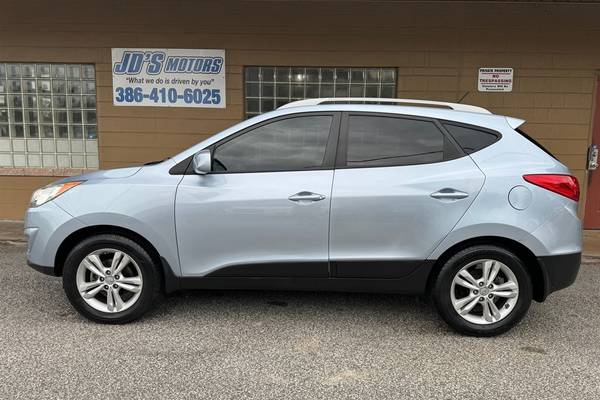
Located in Edgewater, FL / 771 miles away from Columbus, OH
2010 Hyundai Tucson GLS. 2.4L I-4. 2WD. 145K miles. WELL MAINTAINED. This Tuscon runs and drives great! Paint is in good condition, the seats are nic...
Accident Free Vehicle: No
Personal Use Only: Yes
History Provider: AutoCheck
Title Details: Clean Title
Salvage Vehicle: No
Frame Damage: No
Theft History: No
Lemon Status: No
Free History Report: No
Features and Specs:
26 Combined MPG (23 City/31 Highway)
Listing Information:
VIN: KM8JU3AC9AU071304
Stock: 3011
Certified Pre-Owned: No
Listed since: 04-09-2024

Located in Westlake, OH / 110 miles away from Columbus, OH
Premium Pkg Panoramic Roof Leather Seats Navigation System Remote Start Cargo Net Rear Spoiler First Aid Kit Black; Leather Seat Trim Diamond Silver ...
Accident Free Vehicle: No
Personal Use Only: Yes
History Provider: AutoCheck
Title Details: Clean Title
Salvage Vehicle: No
Frame Damage: No
Theft History: No
Lemon Status: No
Free History Report: No
Features and Specs:
23 Combined MPG (20 City/27 Highway)
Listing Information:
VIN: KM8JUCACXCU404242
Stock: CU404242
Certified Pre-Owned: No
Listed since: 02-23-2024

Located in Cerritos, CA / 1,979 miles away from Columbus, OH
Auto-Dimming Rearview Mirror W/Homelink/Compass Roof Rack Cross Rails W/Truss Support Carpeted Floor Mats Cargo Mat Mud Guards Cargo Net Rear Spoiler ...
Accident Free Vehicle: Yes
Personal Use Only: Yes
History Provider: AutoCheck
Title Details: Clean Title
Salvage Vehicle: No
Frame Damage: No
Theft History: No
Lemon Status: No
Free History Report: No
Features and Specs:
25 Combined MPG (21 City/30 Highway)
Listing Information:
VIN: KM8JU3AC9CU522024
Stock: CU522024
Certified Pre-Owned: No
Listed since: 04-04-2024
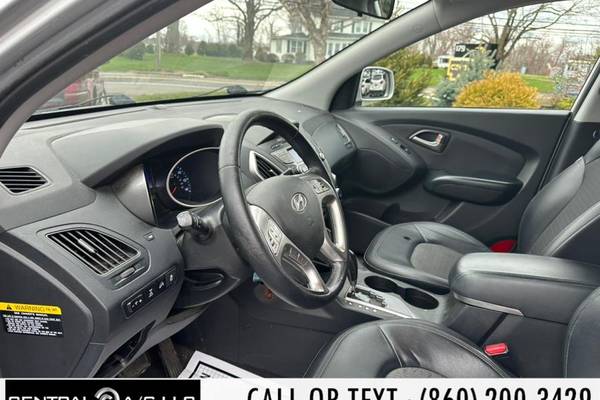
Located in East Windsor, CT / 549 miles away from Columbus, OH
Ask about our IN HOUSE financing Program Call for more details 1 (8**) 7**-7***
Accident Free Vehicle: Yes
Personal Use Only: Yes
History Provider: AutoCheck
Title Details: Clean Title
Salvage Vehicle: No
Frame Damage: No
Theft History: No
Lemon Status: No
Free History Report: No
Features and Specs:
24 Combined MPG (21 City/28 Highway)
Listing Information:
VIN: KM8JUCAC2AU022896
Stock: |022896 LOT A
Certified Pre-Owned: No
Listed since: 04-03-2024

Located in Dublin, CA / 2,088 miles away from Columbus, OH
OFFERING HOME DELIVERY NOW! ASK FOR DETAILS! Backup Camera, Bluetooth®, Alloy Wheels, Appointed Seat Trim, Audio Package, Climate Package, Comfort Pac...
Accident Free Vehicle: Yes
Personal Use Only: Yes
History Provider: AutoCheck
Title Details: Clean Title
Salvage Vehicle: No
Frame Damage: No
Theft History: No
Lemon Status: No
Free History Report: No
Features and Specs:
23 Combined MPG (20 City/27 Highway)
Listing Information:
VIN: KM8JUCAC2CU537237
Stock: 506645A
Certified Pre-Owned: No
Listed since: 04-21-2024
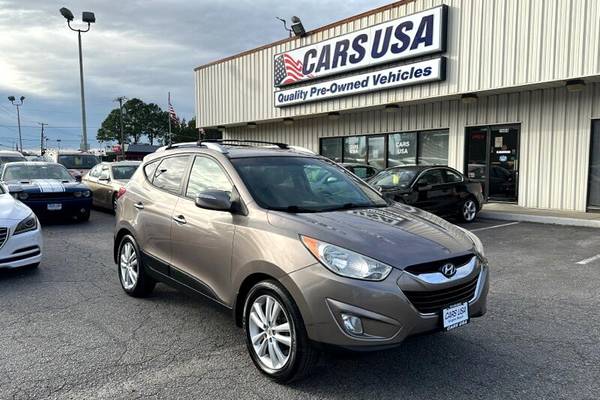
Located in Virginia Beach, VA / 425 miles away from Columbus, OH
2 OWNERS SINCE NEW, CARFAX CERTIFIED, ...
Accident Free Vehicle: Yes
Personal Use Only: Yes
History Provider: AutoCheck
Title Details: Clean Title
Salvage Vehicle: No
Frame Damage: No
Theft History: No
Lemon Status: No
Free History Report: No
Features and Specs:
25 Combined MPG (21 City/30 Highway)
Listing Information:
VIN: KM8JU3AC5CU440744
Stock: 440744
Certified Pre-Owned: No
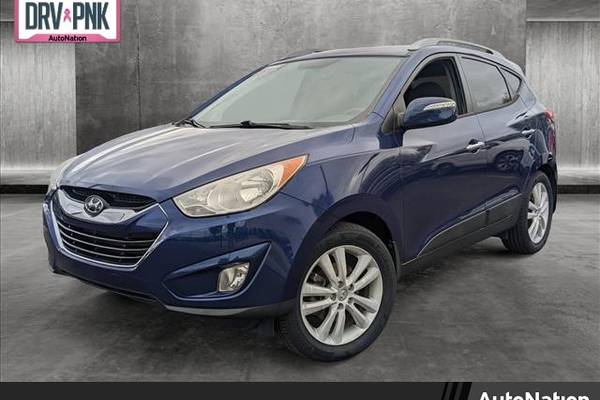
Located in Knoxville, TN / 294 miles away from Columbus, OH
The following items have been reconditioned on this vehicle: new brakes and all new tires! Leather Seats Cargo Tray Carpeted Floor Mats Cargo Mat M...
Accident Free Vehicle: Yes
Personal Use Only: Yes
History Provider: AutoCheck
Title Details: Clean Title
Salvage Vehicle: No
Frame Damage: No
Theft History: No
Lemon Status: No
Free History Report: No
Features and Specs:
25 Combined MPG (21 City/30 Highway)
Listing Information:
VIN: KM8JU3AC6CU355203
Stock: CU355203
Certified Pre-Owned: No
Listed since: 03-22-2024
* Delivery of any kind does not apply to Alaska and Hawaii. Contact the dealer for delivery details, restrictions and costs.