Used 2017 Honda Clarity for Sale Near Me
Describe what you’re looking for
BETA
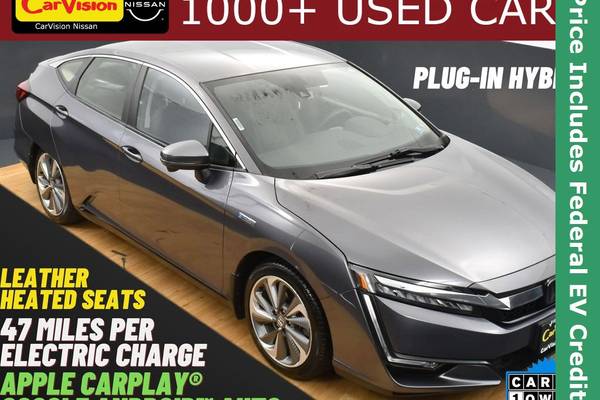
Located in Hazel township, PA / 366 miles away from Columbus, OH
VEHICLE OVERVIEWPrice without rebates: $20,999. The advertised price includes Federal EV Tax Credits of $16,999. Prior to purchase, please determine y...
Accident Free Vehicle: Yes
Personal Use Only: Yes
History Provider: AutoCheck
Title Details: Clean Title
Salvage Vehicle: No
Frame Damage: No
Theft History: No
Lemon Status: No
Free History Report: No
Features and Specs:
42 Combined MPG (44 City/40 Highway)
Listing Information:
VIN: JHMZC5F30JC002858
Stock: 002858
Certified Pre-Owned: No
Listed since: 04-04-2024
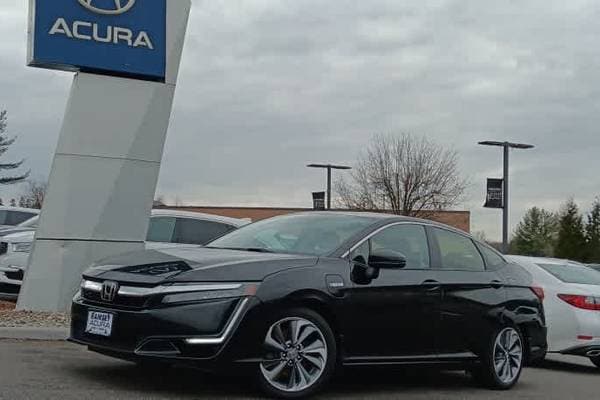
Located in Ramsey, NJ / 464 miles away from Columbus, OH
Crystal Black Pearl exterior and Black interior. Heated Leather Seats, NAV, Satellite Radio, Alloy Wheels, Back-Up Camera. KEY FEATURES INCLUDE Leat...
Accident Free Vehicle: Yes
Personal Use Only: Yes
History Provider: AutoCheck
Title Details: Clean Title
Salvage Vehicle: No
Frame Damage: No
Theft History: No
Lemon Status: No
Free History Report: No
Features and Specs:
42 Combined MPG (44 City/40 Highway)
Listing Information:
VIN: JHMZC5F34JC009554
Stock: P2939
Certified Pre-Owned: No
Listed since: 02-26-2024
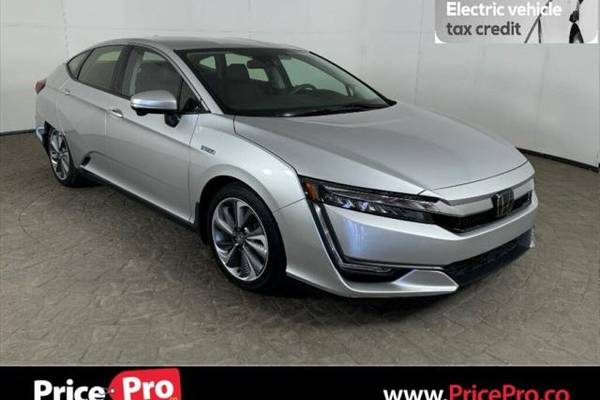
Located in Maumee, OH / 115 miles away from Columbus, OH
*** This vehicle is priced including the IRC 25E tax credit of $4000 or 30% of the sale price, whichever is less. The sale price assumes the assignmen...
Accident Free Vehicle: Yes
Personal Use Only: Yes
History Provider: AutoCheck
Title Details: Clean Title
Salvage Vehicle: No
Frame Damage: No
Theft History: No
Lemon Status: No
Free History Report: No
Features and Specs:
42 Combined MPG (44 City/40 Highway)
Listing Information:
VIN: JHMZC5F12JC012239
Stock: CV22941GB
Certified Pre-Owned: No
Listed since: 04-18-2024
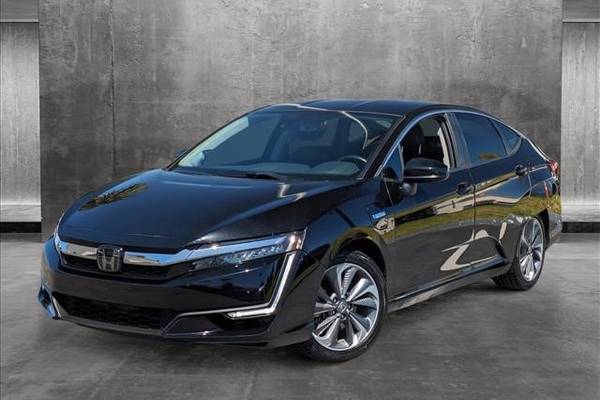
Located in Carlsbad, CA / 1,958 miles away from Columbus, OH
Leather Seats Navigation System Lane Keeping Assist Keyless Start Rear Spoiler Black; Perforated Leather-Trimmed Seats Modern Steel Metallic This ve...
Accident Free Vehicle: Yes
Personal Use Only: Yes
History Provider: AutoCheck
Title Details: Clean Title
Salvage Vehicle: No
Frame Damage: No
Theft History: No
Lemon Status: No
Free History Report: No
Features and Specs:
42 Combined MPG (44 City/40 Highway)
Listing Information:
VIN: JHMZC5F31JC002156
Stock: JC002156
Certified Pre-Owned: No
Listed since: 03-26-2024

Located in Akron, OH / 103 miles away from Columbus, OH
Excellent service history at a Dealership, Completely serviced and safety inspected, buy with confidence, Originally purchased at a nearby Honda deale...
Accident Free Vehicle: Yes
Personal Use Only: Yes
History Provider: AutoCheck
Title Details: Clean Title
Salvage Vehicle: No
Frame Damage: No
Theft History: No
Lemon Status: No
Free History Report: No
Features and Specs:
42 Combined MPG (44 City/40 Highway)
Listing Information:
VIN: JHMZC5F18JC001990
Stock: P11486J
Certified Pre-Owned: No
Listed since: 03-11-2024

Located in Manassas, VA / 302 miles away from Columbus, OH
Priced below KBB Fair Purchase Price! Autos Direct is pleased to offer this Beautiful 2018 Honda Clarity Plug-In Hybrid. This Touring Clarity Plug-In...
Accident Free Vehicle: No
Personal Use Only: No
History Provider: AutoCheck
Title Details: Clean Title
Salvage Vehicle: No
Frame Damage: No
Theft History: No
Lemon Status: No
Free History Report: No
Features and Specs:
42 Combined MPG (44 City/40 Highway)
Listing Information:
VIN: JHMZC5F38JC023313
Stock: D12770A
Certified Pre-Owned: No
Listed since: 02-14-2024

Located in North Little Rock, AR / 628 miles away from Columbus, OH
CLEAN CARFAX, 4D Sedan, I4, CVT, FWD, Solar Silver Metallic, Black w/Cloth Seat Trim. Legendary Low Pricing at Mark McLarty Toyota. 2018 Honda Clari...
Accident Free Vehicle: Yes
Personal Use Only: Yes
History Provider: AutoCheck
Title Details: Clean Title
Salvage Vehicle: No
Frame Damage: No
Theft History: No
Lemon Status: No
Free History Report: No
Features and Specs:
42 Combined MPG (44 City/40 Highway)
Listing Information:
VIN: JHMZC5F18JC016215
Stock: JC016215
Certified Pre-Owned: No
Listed since: 03-14-2024

Located in Streamwood, IL / 308 miles away from Columbus, OH
***BIGGEST AUTO BARN WITH OVER 30,000 MECHANICAL HORSES! GET YOURS APPROVED!*** FINANCING AVAILABLE! GOOD CREDIT! NO CREDIT! BAD CREDIT! Our finance p...
Accident Free Vehicle: No
Personal Use Only: No
History Provider: AutoCheck
Title Details: Clean Title
Salvage Vehicle: No
Frame Damage: No
Theft History: No
Lemon Status: No
Free History Report: No
Features and Specs:
42 Combined MPG (44 City/40 Highway)
Listing Information:
VIN: JHMZC5F3XJC023698
Stock: 11344
Certified Pre-Owned: No
Listed since: 03-15-2024

Located in Fresno, CA / 1,997 miles away from Columbus, OH
CarMax values transparency and wants you to love your next car, not settle on it. Certain vehicles may have unrepaired safety recalls. Check nhtsa.gov...
Accident Free Vehicle: Yes
Personal Use Only: Yes
History Provider: AutoCheck
Title Details: Clean Title
Salvage Vehicle: No
Frame Damage: No
Theft History: No
Lemon Status: No
Free History Report: No
Features and Specs:
42 Combined MPG (44 City/40 Highway)
Listing Information:
VIN: JHMZC5F37JC013081
Stock: 25494531
Certified Pre-Owned: No

Located in Las Vegas, NV / 1,768 miles away from Columbus, OH
Lane Keeping Assist Keyless Start Rear Spoiler Beige; Cloth Seat Trim Platinum White Pearl This vehicle includes a Money-Back Guarantee* and passed ...
Accident Free Vehicle: Yes
Personal Use Only: Yes
History Provider: AutoCheck
Title Details: Clean Title
Salvage Vehicle: No
Frame Damage: No
Theft History: No
Lemon Status: No
Free History Report: No
Features and Specs:
42 Combined MPG (44 City/40 Highway)
Listing Information:
VIN: JHMZC5F11JC014564
Stock: JC014564
Certified Pre-Owned: No
Listed since: 04-19-2024

Located in Riverside, CA / 1,942 miles away from Columbus, OH
$4,000 Nationwide Federal Tax Credit>>>Our Dealership is Registered with the IRS add this vehicle IS eligible for a $4000 tax credit that we can Recor...
Accident Free Vehicle: Yes
Personal Use Only: No
History Provider: AutoCheck
Title Details: Clean Title
Salvage Vehicle: No
Frame Damage: No
Theft History: No
Lemon Status: No
Free History Report: No
Features and Specs:
42 Combined MPG (44 City/40 Highway)
Listing Information:
VIN: JHMZC5F14JC005289
Stock: EV5289
Certified Pre-Owned: No
Listed since: 04-10-2024
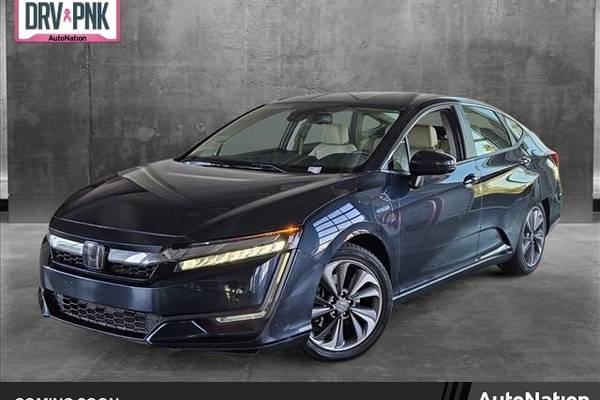
Located in Henderson, NV / 1,762 miles away from Columbus, OH
Lane Keeping Assist Keyless Start Rear Spoiler Beige; Cloth Seat Trim Moonlit Forest Pearl This vehicle includes a Money-Back Guarantee* and passed ...
Accident Free Vehicle: Yes
Personal Use Only: Yes
History Provider: AutoCheck
Title Details: Clean Title
Salvage Vehicle: No
Frame Damage: No
Theft History: No
Lemon Status: No
Free History Report: No
Features and Specs:
42 Combined MPG (44 City/40 Highway)
Listing Information:
VIN: JHMZC5F17JC022054
Stock: JC022054
Certified Pre-Owned: No
Listed since: 04-06-2024
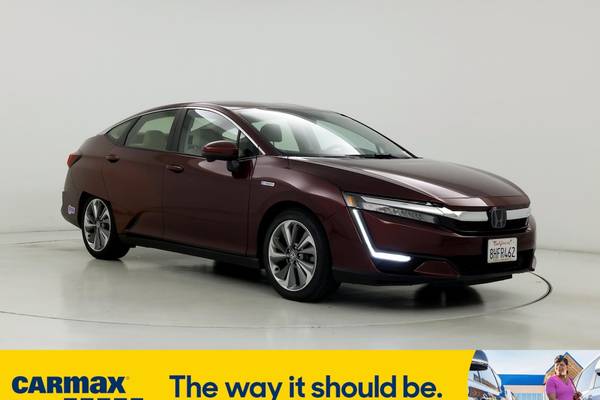
Located in Duarte, CA / 1,965 miles away from Columbus, OH
CarMax values transparency and wants you to love your next car, not settle on it. Certain vehicles may have unrepaired safety recalls. Check nhtsa.gov...
Accident Free Vehicle: Yes
Personal Use Only: Yes
History Provider: AutoCheck
Title Details: Clean Title
Salvage Vehicle: No
Frame Damage: No
Theft History: No
Lemon Status: No
Free History Report: No
Features and Specs:
42 Combined MPG (44 City/40 Highway)
Listing Information:
VIN: JHMZC5F18JC022533
Stock: 25371783
Certified Pre-Owned: No

Located in Buena Park, CA / 1,973 miles away from Columbus, OH
CarMax values transparency and wants you to love your next car, not settle on it. Certain vehicles may have unrepaired safety recalls. Check nhtsa.gov...
Accident Free Vehicle: Yes
Personal Use Only: Yes
History Provider: AutoCheck
Title Details: Clean Title
Salvage Vehicle: No
Frame Damage: No
Theft History: No
Lemon Status: No
Free History Report: No
Features and Specs:
42 Combined MPG (44 City/40 Highway)
Listing Information:
VIN: JHMZC5F16JC010851
Stock: 25562842
Certified Pre-Owned: No

Located in Orem, UT / 1,516 miles away from Columbus, OH
2018 HONDA CLARITY PLUG-IN HYBRID with {Equipment Bulleted}Come in TODAY or call or text anytime for more information! We have customers from all ove...
Accident Free Vehicle: Yes
Personal Use Only: Yes
History Provider: AutoCheck
Title Details: Clean Title
Salvage Vehicle: No
Frame Damage: No
Theft History: No
Lemon Status: No
Free History Report: No
Features and Specs:
42 Combined MPG (44 City/40 Highway)
Listing Information:
VIN: JHMZC5F14JC023808
Stock: M15967
Certified Pre-Owned: No
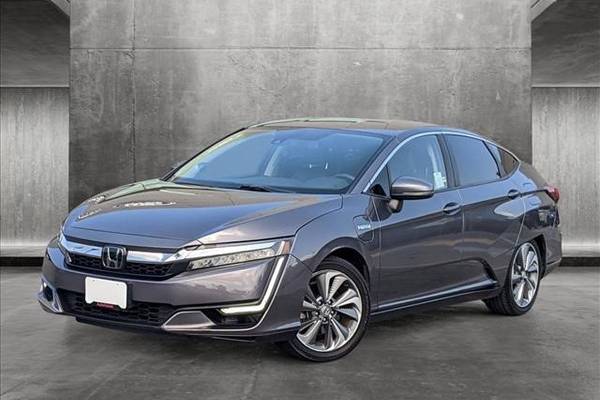
Located in Torrance, CA / 1,993 miles away from Columbus, OH
Leather Seats Navigation System Lane Keeping Assist Keyless Start Rear Spoiler Black; Perforated Leather-Trimmed Seats Modern Steel Metallic This ve...
Accident Free Vehicle: Yes
Personal Use Only: Yes
History Provider: AutoCheck
Title Details: Clean Title
Salvage Vehicle: No
Frame Damage: No
Theft History: No
Lemon Status: No
Free History Report: No
Features and Specs:
42 Combined MPG (44 City/40 Highway)
Listing Information:
VIN: JHMZC5F3XJC008733
Stock: JC008733
Certified Pre-Owned: No
Listed since: 04-16-2024
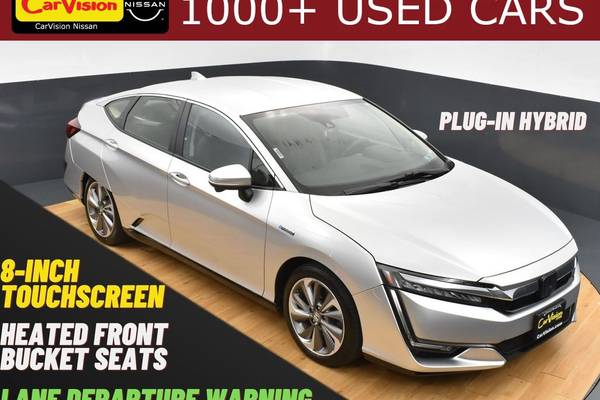
Located in Hazel township, PA / 366 miles away from Columbus, OH
VEHICLE OVERVIEWPrice without rebates: $16,999. The advertised price includes Federal EV Tax Credits of $12,999. Prior to purchase, please determine y...
Accident Free Vehicle: No
Personal Use Only: No
History Provider: AutoCheck
Title Details: Title issue reported
Salvage Vehicle: No
Frame Damage: Yes
Theft History: No
Lemon Status: No
Free History Report: No
Features and Specs:
42 Combined MPG (44 City/40 Highway)
Listing Information:
VIN: JHMZC5F15JC004278
Stock: 004278SD
Certified Pre-Owned: No
Listed since: 04-05-2024
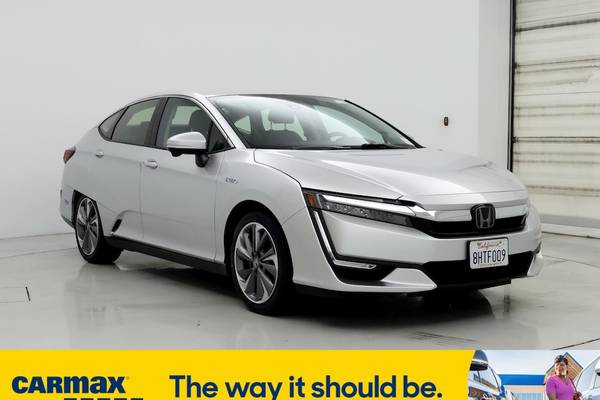
Located in Stockton, CA / 2,050 miles away from Columbus, OH
CarMax values transparency and wants you to love your next car, not settle on it. Certain vehicles may have unrepaired safety recalls. Check nhtsa.gov...
Accident Free Vehicle: Yes
Personal Use Only: Yes
History Provider: AutoCheck
Title Details: Clean Title
Salvage Vehicle: No
Frame Damage: No
Theft History: No
Lemon Status: No
Free History Report: No
Features and Specs:
42 Combined MPG (44 City/40 Highway)
Listing Information:
VIN: JHMZC5F12JC021636
Stock: 25399021
Certified Pre-Owned: No
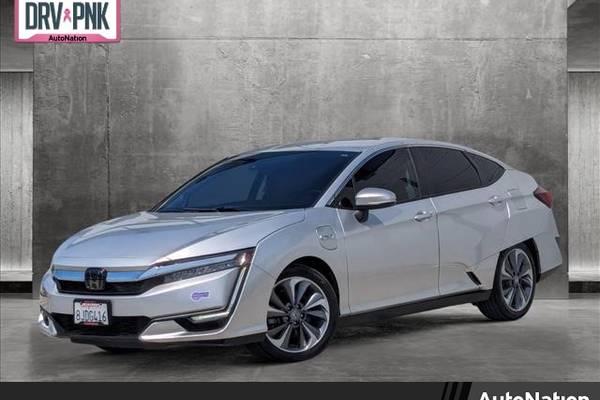
Located in Santa Clara, CA / 2,102 miles away from Columbus, OH
The following items have been reconditioned on this vehicle: all new tires and new battery! Lane Keeping Assist Keyless Start Rear Spoiler Solar Si...
Accident Free Vehicle: Yes
Personal Use Only: Yes
History Provider: AutoCheck
Title Details: Clean Title
Salvage Vehicle: No
Frame Damage: No
Theft History: No
Lemon Status: No
Free History Report: No
Features and Specs:
42 Combined MPG (44 City/40 Highway)
Listing Information:
VIN: JHMZC5F18JC023942
Stock: JC023942
Certified Pre-Owned: No
Listed since: 04-06-2024
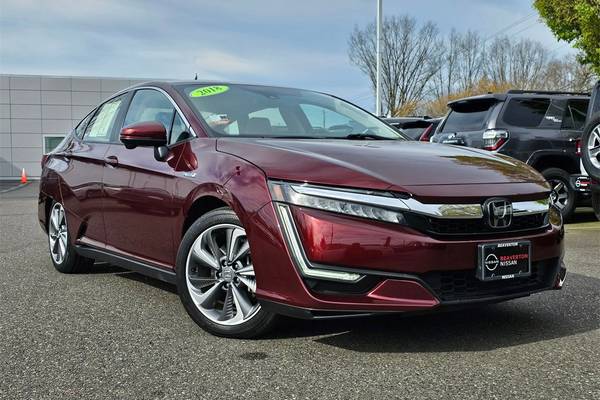
Located in Beaverton, OR / 2,039 miles away from Columbus, OH
Clarity Plug-In Hybrid Touring, 4D Sedan, I4, Red, Black Leather.FWDCome and see only the finest Hondas at Beaverton Nissan.Please call for additional...
Accident Free Vehicle: No
Personal Use Only: Yes
History Provider: AutoCheck
Title Details: Clean Title
Salvage Vehicle: No
Frame Damage: No
Theft History: No
Lemon Status: No
Free History Report: No
Features and Specs:
42 Combined MPG (44 City/40 Highway)
Listing Information:
VIN: JHMZC5F35JC011135
Stock: T011135
Certified Pre-Owned: No
Listed since: 04-05-2024
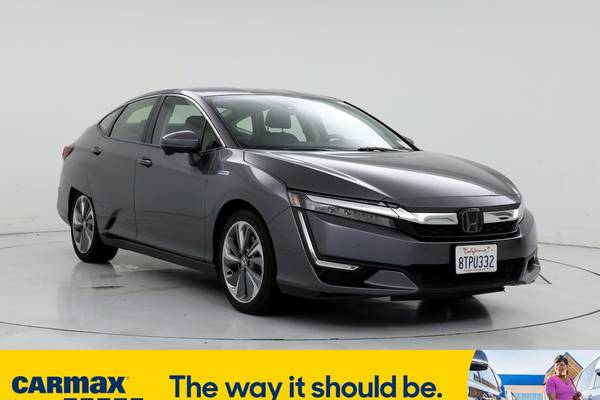
Located in Stockton, CA / 2,050 miles away from Columbus, OH
CarMax values transparency and wants you to love your next car, not settle on it. Certain vehicles may have unrepaired safety recalls. Check nhtsa.gov...
Accident Free Vehicle: Yes
Personal Use Only: Yes
History Provider: AutoCheck
Title Details: Clean Title
Salvage Vehicle: No
Frame Damage: No
Theft History: No
Lemon Status: No
Free History Report: No
Features and Specs:
42 Combined MPG (44 City/40 Highway)
Listing Information:
VIN: JHMZC5F11JC015309
Stock: 25223427
Certified Pre-Owned: No
* Delivery of any kind does not apply to Alaska and Hawaii. Contact the dealer for delivery details, restrictions and costs.