Used 2011 Ford Shelby GT500 for Sale Near Me
Describe what you’re looking for
BETA
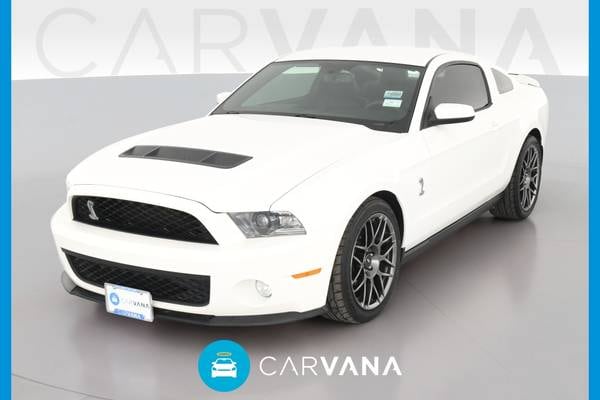
Located in San Antonio, TX / 1,149 miles away from Columbus, OH
At Carvana, we go miles beyond the extra mile. That's why we provide you with a convenient, fast, and hassle-free car buying experience that puts you ...
Accident Free Vehicle: Yes
Personal Use Only: Yes
History Provider: AutoCheck
Title Details: Clean Title
Salvage Vehicle: No
Frame Damage: No
Theft History: No
Lemon Status: No
Free History Report: No
Features and Specs:
17 Combined MPG (15 City/23 Highway)
Listing Information:
VIN: 1ZVBP8JS5B5144830
Stock: 2002798981
Certified Pre-Owned: No
Listed since: 03-21-2024

Located in San Antonio, TX / 1,149 miles away from Columbus, OH
At Carvana, we go miles beyond the extra mile. That's why we provide you with a convenient, fast, and hassle-free car buying experience that puts you ...
Accident Free Vehicle: Yes
Personal Use Only: Yes
History Provider: AutoCheck
Title Details: Clean Title
Salvage Vehicle: No
Frame Damage: No
Theft History: No
Lemon Status: No
Free History Report: No
Features and Specs:
17 Combined MPG (15 City/23 Highway)
Listing Information:
VIN: 1ZVBP8JS3B5121773
Stock: 2002882829
Certified Pre-Owned: No
Listed since: 05-06-2024
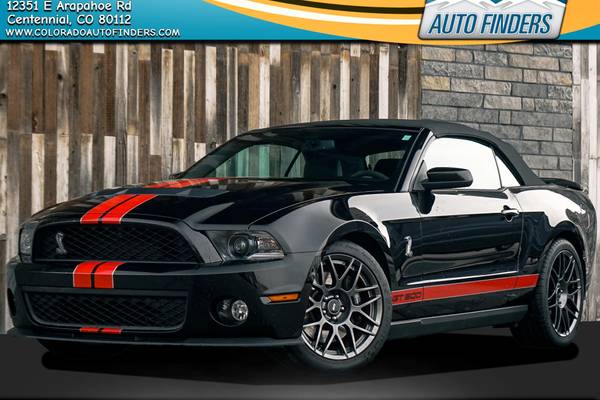
Located in Centennial, CO / 1,164 miles away from Columbus, OH
The 2012 Ford Mustang GT500 Shelby is a high-performance icon that embodies the spirit of American muscle cars. Under the hood, this beast is powered ...
Accident Free Vehicle: Yes
Personal Use Only: Yes
History Provider: AutoCheck
Title Details: Clean Title
Salvage Vehicle: No
Frame Damage: No
Theft History: No
Lemon Status: No
Free History Report: No
Features and Specs:
Listing Information:
VIN: 1ZVBP8KS4C5256292
Stock: O14779Z
Certified Pre-Owned: No

Located in Corpus Christi, TX / 1,188 miles away from Columbus, OH
Svt Performance Pkg Electronics Pkg Charcoal Black & Black Accents; Leather Recaro Seat Trim Leather Seats Navigation System Weathershield Full Vehicl...
Accident Free Vehicle: Yes
Personal Use Only: No
History Provider: AutoCheck
Title Details: Clean Title
Salvage Vehicle: No
Frame Damage: No
Theft History: No
Lemon Status: No
Free History Report: No
Features and Specs:
17 Combined MPG (15 City/23 Highway)
Listing Information:
VIN: 1ZVBP8JS6C5234490
Stock: C5234490
Certified Pre-Owned: No
Listed since: 05-06-2024

Located in Warrenton, VA / 285 miles away from Columbus, OH
2010 Ford Mustang Shelby GT500 Grabber Blue RWD 5.4L V8 32V Supercharged Tremec 6-Speed Manual **VA State Inspected**, **BLUETOOTH**, **BACKUP CAMERA*...
Accident Free Vehicle: Yes
Personal Use Only: Yes
History Provider: AutoCheck
Title Details: Clean Title
Salvage Vehicle: No
Frame Damage: No
Theft History: No
Lemon Status: No
Free History Report: No
Features and Specs:
17 Combined MPG (14 City/22 Highway)
Listing Information:
VIN: 1ZVBP8JS3A5100078
Stock: P7534
Certified Pre-Owned: No
Listed since: 04-19-2024

Located in Randolph, OH / 109 miles away from Columbus, OH
Only 327 Miles***2012 Mustang Shelby GT500 RWD Coupe***Ford 820A Package***SVT Performance Package***Electronics Package w/Navigation System***Shaker ...
Accident Free Vehicle: Yes
Personal Use Only: Yes
History Provider: AutoCheck
Title Details: Clean Title
Salvage Vehicle: No
Frame Damage: No
Theft History: No
Lemon Status: No
Free History Report: No
Features and Specs:
17 Combined MPG (15 City/23 Highway)
Listing Information:
VIN: 1ZVBP8JS6C5200257
Stock: 6028B
Certified Pre-Owned: No
Listed since: 03-29-2024

Located in Oxnard, CA / 2,025 miles away from Columbus, OH
CarMax values transparency and wants you to love your next car, not settle on it. Certain vehicles may have unrepaired safety recalls. Check nhtsa.gov...
Accident Free Vehicle: Yes
Personal Use Only: No
History Provider: AutoCheck
Title Details: Clean Title
Salvage Vehicle: No
Frame Damage: No
Theft History: No
Lemon Status: No
Free History Report: No
Features and Specs:
17 Combined MPG (15 City/23 Highway)
Listing Information:
VIN: 1ZVBP8JS7C5234238
Stock: 25897180
Certified Pre-Owned: No

Located in Agawam, MA / 550 miles away from Columbus, OH
Check out this pre-owned 2010 Ford Mustang we recently got in. This sporty Ford Mustang convertible leads the class in performance and refinement. Put...
Accident Free Vehicle: Yes
Personal Use Only: Yes
History Provider: AutoCheck
Title Details: Clean Title
Salvage Vehicle: No
Frame Damage: No
Theft History: No
Lemon Status: No
Free History Report: No
Features and Specs:
17 Combined MPG (14 City/22 Highway)
Listing Information:
VIN: 1ZVBP8KS0A5161175
Stock: 995PA
Certified Pre-Owned: No
Listed since: 05-02-2024

Located in Birmingham, AL / 501 miles away from Columbus, OH
At Carvana, we go miles beyond the extra mile. That's why we provide you with a convenient, fast, and hassle-free car buying experience that puts you ...
Accident Free Vehicle: Yes
Personal Use Only: Yes
History Provider: AutoCheck
Title Details: Clean Title
Salvage Vehicle: No
Frame Damage: No
Theft History: No
Lemon Status: No
Free History Report: No
Features and Specs:
Listing Information:
VIN: 1ZVBP8KS4C5229173
Stock: 2002848947
Certified Pre-Owned: No
Listed since: 05-03-2024

Located in Portland, OR / 2,033 miles away from Columbus, OH
MS MOTORS IS PROUD TO PRESENT TO YOU THIS BEAUTIFUL, POWERFUL, 2010 FORD MUSTANG GT500! FULLY BUILT! *720 WHP! *SAUGHT AFTER *SVT PERFORMANCE PACKAGE*...
Accident Free Vehicle: Yes
Personal Use Only: Yes
History Provider: AutoCheck
Title Details: Clean Title
Salvage Vehicle: No
Frame Damage: No
Theft History: No
Lemon Status: No
Free History Report: No
Features and Specs:
17 Combined MPG (14 City/22 Highway)
Listing Information:
VIN: 1ZVBP8JS4A5171256
Stock: 171256
Certified Pre-Owned: No
Listed since: 12-01-2023
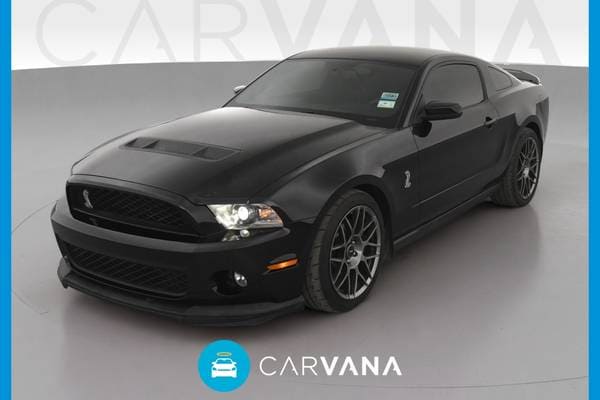
Located in Dallas, TX / 920 miles away from Columbus, OH
At Carvana, we go miles beyond the extra mile. That's why we provide you with a convenient, fast, and hassle-free car buying experience that puts you ...
Accident Free Vehicle: Yes
Personal Use Only: Yes
History Provider: AutoCheck
Title Details: Clean Title
Salvage Vehicle: No
Frame Damage: No
Theft History: No
Lemon Status: No
Free History Report: No
Features and Specs:
17 Combined MPG (15 City/23 Highway)
Listing Information:
VIN: 1ZVBP8JSXC5254225
Stock: 2002832599
Certified Pre-Owned: No
Listed since: 04-24-2024

Located in Naples, FL / 961 miles away from Columbus, OH
CARFAX One-Owner. Clean CARFAX. 2012 Ford Mustang Shelby GT500 5.4L V8 32V Supercharged 2D Convertible Race Red RWD Tremec 6-Speed Manual Equipment ...
Accident Free Vehicle: Yes
Personal Use Only: Yes
History Provider: AutoCheck
Title Details: Clean Title
Salvage Vehicle: No
Frame Damage: No
Theft History: No
Lemon Status: No
Free History Report: No
Features and Specs:
Listing Information:
VIN: 1ZVBP8KS6C5253720
Stock: C525372A
Certified Pre-Owned: No
Listed since: 03-03-2024
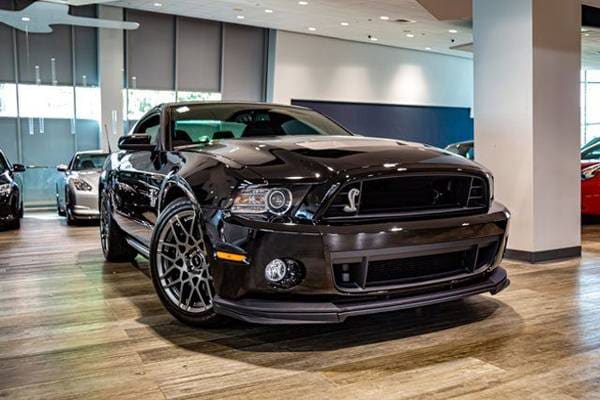
Located in Honolulu, HI / 4,509 miles away from Columbus, OH
Step into the realm of exhilarating power and unmatched style with the 2013 Ford Mustang Shelby GT500, a vehicle that not only promises an adrenaline-...
Accident Free Vehicle: Yes
Personal Use Only: Yes
History Provider: AutoCheck
Title Details: Clean Title
Salvage Vehicle: No
Frame Damage: No
Theft History: No
Lemon Status: No
Free History Report: No
Features and Specs:
18 Combined MPG (15 City/24 Highway)
Listing Information:
VIN: 1ZVBP8JZ5D5275742
Stock: D5275742
Certified Pre-Owned: No
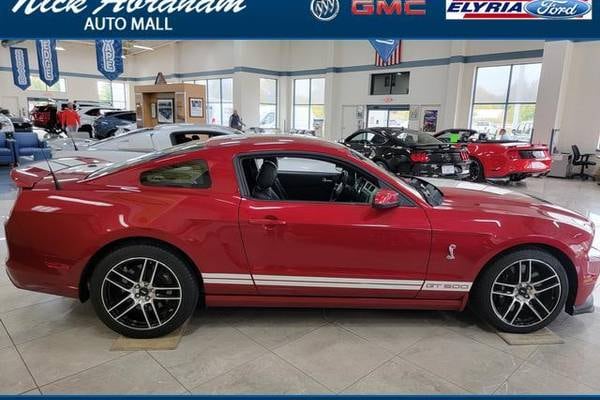
Located in Elyria, OH / 100 miles away from Columbus, OH
Low Miles! 4-Wheel Disc Brakes|A/C|ABS|Adjustable Steering Wheel|Aluminum Wheels|AM/FM Stereo|Auxiliary Audio Input|Bluetooth Connection|Bucket Seats|...
Accident Free Vehicle: Yes
Personal Use Only: Yes
History Provider: AutoCheck
Title Details: Clean Title
Salvage Vehicle: No
Frame Damage: No
Theft History: No
Lemon Status: No
Free History Report: No
Features and Specs:
18 Combined MPG (15 City/24 Highway)
Listing Information:
VIN: 1ZVBP8JZXD5225774
Stock: F1598200
Certified Pre-Owned: No
Listed since: 10-10-2023
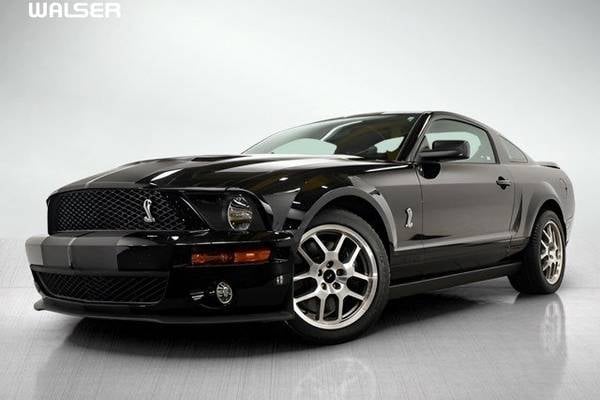
Located in White Bear Lake, MN / 622 miles away from Columbus, OH
At Walser, you’ll get an exceptional car-buying experience. Our *streamlined process* means you’ll work with one dedicated customer specialist to help...
Accident Free Vehicle: Yes
Personal Use Only: Yes
History Provider: AutoCheck
Title Details: Clean Title
Salvage Vehicle: No
Frame Damage: No
Theft History: No
Lemon Status: No
Free History Report: No
Features and Specs:
16 Combined MPG (14 City/20 Highway)
Listing Information:
VIN: 1ZVHT88S895125842
Stock: 14CP415P
Certified Pre-Owned: No
Listed since: 03-27-2024

Located in Downers Grove, IL / 297 miles away from Columbus, OH
Thank you for visiting another one of Chicago Auto Place's exclusive listings! CALL US NOW FOR A FREE QUOTE 630-422-1122 FOR MORE PHOTOS VISIT WWW.CHI...
Accident Free Vehicle: Yes
Personal Use Only: Yes
History Provider: AutoCheck
Title Details: Clean Title
Salvage Vehicle: No
Frame Damage: No
Theft History: No
Lemon Status: No
Free History Report: No
Features and Specs:
16 Combined MPG (14 City/20 Highway)
Listing Information:
VIN: 1ZVHT88S595132490
Stock: H8474A
Certified Pre-Owned: No
Listed since: 12-08-2023
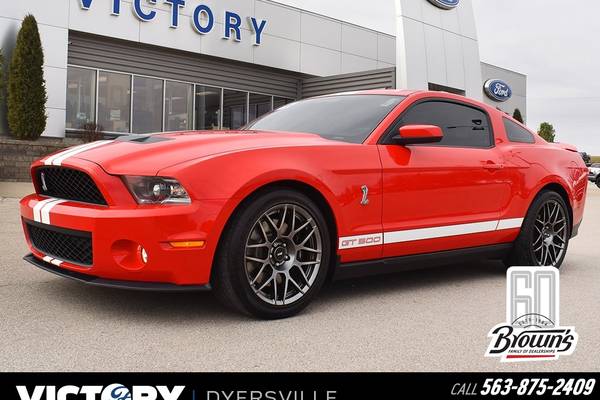
Located in Dyersville, IA / 459 miles away from Columbus, OH
**LOCAL TRADE** **CLEAN HISTORY REPORT** **LOW MILES** **820A GT500 PKG** **5.4L SUPERCHARGED V8** **3.73 LOCKING REAR AXLE** **SVT PERFORMANCE PKG...
Accident Free Vehicle: Yes
Personal Use Only: Yes
History Provider: AutoCheck
Title Details: Clean Title
Salvage Vehicle: No
Frame Damage: No
Theft History: No
Lemon Status: No
Free History Report: No
Features and Specs:
17 Combined MPG (15 City/23 Highway)
Listing Information:
VIN: 1ZVBP8JS6B5118818
Stock: DR389A
Certified Pre-Owned: No
Listed since: 03-15-2024

Located in Corpus Christi, TX / 1,188 miles away from Columbus, OH
2011 Ford Mustang GT500, a true American muscle car that embodies the spirit of speed and power! This beast comes equipped with the coveted SVT perfor...
Accident Free Vehicle: No
Personal Use Only: Yes
History Provider: AutoCheck
Title Details: Clean Title
Salvage Vehicle: No
Frame Damage: No
Theft History: No
Lemon Status: No
Free History Report: No
Features and Specs:
17 Combined MPG (15 City/23 Highway)
Listing Information:
VIN: 1ZVBP8JSXB5149182
Stock: 149182
Certified Pre-Owned: No
Listed since: 05-07-2024

Located in Charlotte, NC / 355 miles away from Columbus, OH
2011 FORD SHELBY GT500 -CLEAN CARFAX! -Only 9K Miles -VMP Supercharged 5.4L V8 -Automatic -Keyless Entry -Power Leather Seating -Steering wheel contro...
Accident Free Vehicle: Yes
Personal Use Only: Yes
History Provider: AutoCheck
Title Details: Clean Title
Salvage Vehicle: No
Frame Damage: No
Theft History: No
Lemon Status: No
Free History Report: No
Features and Specs:
17 Combined MPG (15 City/23 Highway)
Listing Information:
VIN: 1ZVBP8JS2B5135728
Stock: 135728
Certified Pre-Owned: No
Listed since: 01-17-2024

Located in O Fallon, MO / 429 miles away from Columbus, OH
2011 Ford Mustang Shelby GT500 2D Coupe 5.4L V8 32V Supercharged Tremec 6-Speed Manual Black RWD 19" x 9.5" Premium Painted Forged Aluminum Wheels, 4-...
Accident Free Vehicle: No
Personal Use Only: Yes
History Provider: AutoCheck
Title Details: Clean Title
Salvage Vehicle: No
Frame Damage: No
Theft History: No
Lemon Status: No
Free History Report: No
Features and Specs:
17 Combined MPG (15 City/23 Highway)
Listing Information:
VIN: 1ZVBP8JS6B5145792
Stock: PK1473
Certified Pre-Owned: No
Listed since: 12-12-2023

Located in Roswell, GA / 423 miles away from Columbus, OH
MORE PHOTOS COMING SOON!---2011 FORD MUSTANG GT500- LOW MILES - SUPER CLEAN - WELL MAINTAINED- NON SMOKER - SUPERCHARGED - CAR IS REALLY NICE - N...
Accident Free Vehicle: Yes
Personal Use Only: Yes
History Provider: AutoCheck
Title Details: Clean Title
Salvage Vehicle: No
Frame Damage: No
Theft History: No
Lemon Status: No
Free History Report: No
Features and Specs:
17 Combined MPG (15 City/23 Highway)
Listing Information:
VIN: 1ZVBP8JS4B5155737
Stock: AMS2759
Certified Pre-Owned: No
Listed since: 04-27-2024
* Delivery of any kind does not apply to Alaska and Hawaii. Contact the dealer for delivery details, restrictions and costs.