Used 2012 Ford Mustang for Sale Near Me
Describe what you’re looking for
BETA
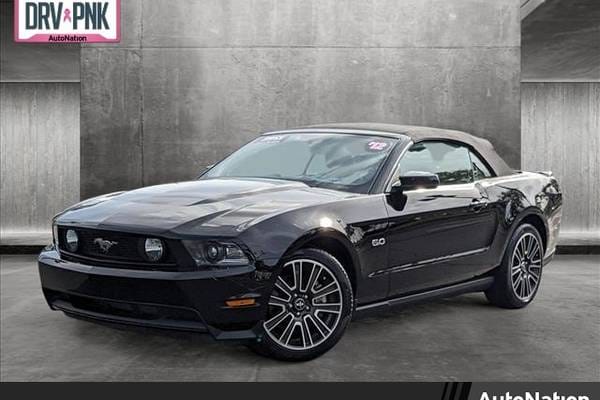
Located in Sanford, FL / 782 miles away from Columbus, OH
Electronics Pkg 6-Speed Automatic Transmission 19" Bright Machined Aluminum Wheels Hid Headlamps & Security Pkg Security Pkg Comfort Pkg Leather Seats...
Accident Free Vehicle: No
Personal Use Only: Yes
History Provider: AutoCheck
Title Details: Clean Title
Salvage Vehicle: No
Frame Damage: No
Theft History: No
Lemon Status: No
Free History Report: No
Features and Specs:
N/A Combined MPG (16 City/24 Highway)
Listing Information:
VIN: 1ZVBP8FFXC5206509
Stock: C5206509
Certified Pre-Owned: No
Listed since: 01-08-2024

Located in Cary, NC / 372 miles away from Columbus, OH
At EchoPark, it’s all about offering you options for a happy experience. We have thousands of new-to-you makes and models that range from sedans to tr...
Accident Free Vehicle: No
Personal Use Only: Yes
History Provider: AutoCheck
Title Details: Clean Title
Salvage Vehicle: No
Frame Damage: No
Theft History: No
Lemon Status: No
Free History Report: No
Features and Specs:
22 Combined MPG (19 City/29 Highway)
Listing Information:
VIN: 1ZVBP8AM1C5280178
Stock: YC5280178
Certified Pre-Owned: No
Listed since: 04-20-2024
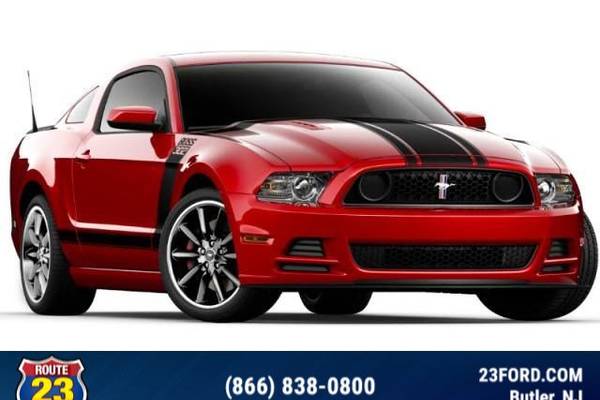
Located in Butler, NJ / 452 miles away from Columbus, OH
Boss 302 Car Cover, Boss 302 Floor Mats, Cloth RECARO Sport Seats, Equipment Group 500A, RECARO Seat & TORSEN Differential Package, TORSEN Helical Dif...
Accident Free Vehicle: Yes
Personal Use Only: Yes
History Provider: AutoCheck
Title Details: Clean Title
Salvage Vehicle: No
Frame Damage: No
Theft History: No
Lemon Status: No
Free History Report: No
Features and Specs:
20 Combined MPG (17 City/26 Highway)
Listing Information:
VIN: 1ZVBP8CU9C5236491
Stock: P10846
Certified Pre-Owned: No
Listed since: 02-06-2024
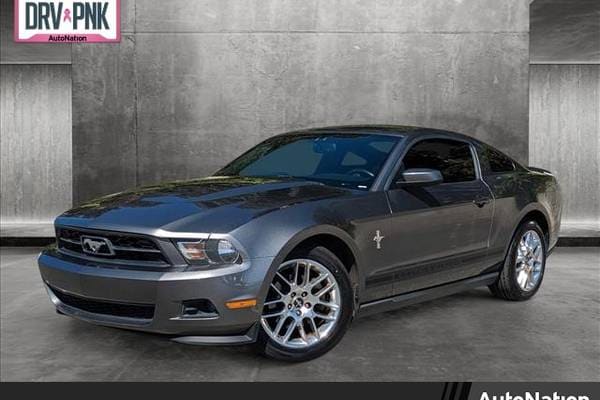
Located in Costa Mesa, CA / 1,974 miles away from Columbus, OH
The following items have been reconditioned on this vehicle: new suspension parts and new battery! 6-Speed Automatic Transmission 202A Equipment Gr...
Accident Free Vehicle: Yes
Personal Use Only: Yes
History Provider: AutoCheck
Title Details: Clean Title
Salvage Vehicle: No
Frame Damage: No
Theft History: No
Lemon Status: No
Free History Report: No
Features and Specs:
22 Combined MPG (19 City/29 Highway)
Listing Information:
VIN: 1ZVBP8AM9C5259076
Stock: C5259076
Certified Pre-Owned: No
Listed since: 04-06-2024

Located in Boise, ID / 1,726 miles away from Columbus, OH
2012 Ford Mustang V6 4 Speakers,AM/FM radio,CD player,Premium AM/FM Stereo w/Single CD/Clock,Radio data system,Air Conditioning,Rear window defroster,...
Accident Free Vehicle: Yes
Personal Use Only: Yes
History Provider: AutoCheck
Title Details: Clean Title
Salvage Vehicle: No
Frame Damage: No
Theft History: No
Lemon Status: No
Free History Report: No
Features and Specs:
22 Combined MPG (19 City/29 Highway)
Listing Information:
VIN: 1ZVBP8AM8C5272479
Stock: BCD240029B
Certified Pre-Owned: No
Listed since: 04-11-2024

Located in Stuart, FL / 902 miles away from Columbus, OH
Victory Auto Store is a family pre-owned car dealership. The store has been operating since 2011. We are located in Stuart, Florida - the 'Sailfish Ca...
Accident Free Vehicle: No
Personal Use Only: Yes
History Provider: AutoCheck
Title Details: Clean Title
Salvage Vehicle: No
Frame Damage: No
Theft History: No
Lemon Status: No
Free History Report: No
Features and Specs:
22 Combined MPG (19 City/29 Highway)
Listing Information:
VIN: 1ZVBP8AM7C5209292
Stock: C23-589
Certified Pre-Owned: No
Listed since: 01-03-2024
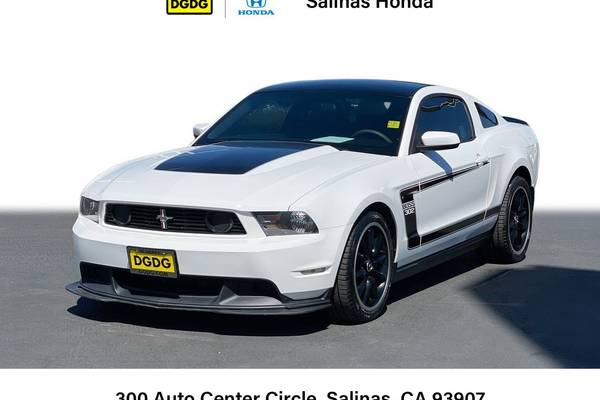
Located in Salinas, CA / 2,098 miles away from Columbus, OH
This Used 2012 Ford Mustang Boss 302 with 63,461 miles was inspected and reconditioned by our service team.*Vehicle Features:* RWD Gas V8 5.0L/302 Man...
Accident Free Vehicle: Yes
Personal Use Only: No
History Provider: AutoCheck
Title Details: Clean Title
Salvage Vehicle: No
Frame Damage: No
Theft History: No
Lemon Status: No
Free History Report: No
Features and Specs:
20 Combined MPG (17 City/26 Highway)
Listing Information:
VIN: 1ZVBP8CU4C5268197
Stock: UHS1082
Certified Pre-Owned: No
Listed since: 03-14-2024

Located in Chambersburg, PA / 276 miles away from Columbus, OH
2012 Ford Mustang V6, Black, 3.7L V6 Ti-VCT 24V, 6-Speed Automatic, Local Trade, Accident Free AutoCheck History Report, Power Locks - Windows and Mir...
Accident Free Vehicle: Yes
Personal Use Only: Yes
History Provider: AutoCheck
Title Details: Clean Title
Salvage Vehicle: No
Frame Damage: No
Theft History: No
Lemon Status: No
Free History Report: No
Features and Specs:
22 Combined MPG (19 City/29 Highway)
Listing Information:
VIN: 1ZVBP8AM1C5220546
Stock: 124547
Certified Pre-Owned: No
Listed since: 04-13-2024
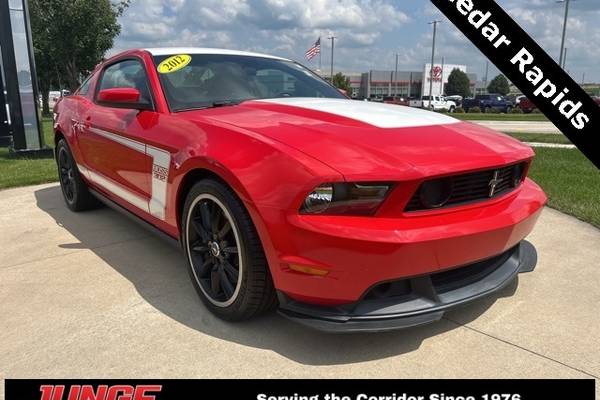
Located in Baltimore, MD / 328 miles away from Columbus, OH
2012 Ford Mustang in Race Red, ***** PREMIUM PKG * SUPER LOW MILES ** WE HAVE THE RACE KEY AND ALL MATERAL IT CAME WITH NEW *** BUY HERE WITH C...
Accident Free Vehicle: Yes
Personal Use Only: Yes
History Provider: AutoCheck
Title Details: Clean Title
Salvage Vehicle: No
Frame Damage: No
Theft History: No
Lemon Status: No
Free History Report: No
Features and Specs:
20 Combined MPG (17 City/26 Highway)
Listing Information:
VIN: 1ZVBP8CU7C5256013
Stock: 000P7176
Certified Pre-Owned: No
Listed since: 04-13-2024

Located in Woodland, CA / 2,065 miles away from Columbus, OH
3.7L, RWD, LEATHER, CONVERTIBLE, 4-PASSENGER, PONY PKG, EQUIPMENT GROUP, COMFORT PKG. This vehicle is being offered to the public AS/IS. We have ensu...
Accident Free Vehicle: Yes
Personal Use Only: Yes
History Provider: AutoCheck
Title Details: Clean Title
Salvage Vehicle: No
Frame Damage: No
Theft History: No
Lemon Status: No
Free History Report: No
Features and Specs:
23 Combined MPG (19 City/30 Highway)
Listing Information:
VIN: 1ZVBP8EM8C5234857
Stock: 22847
Certified Pre-Owned: No
Listed since: 04-09-2024

Located in Salt Lake City, UT / 1,519 miles away from Columbus, OH
At Carvana, we go miles beyond the extra mile. That's why we provide you with a convenient, fast, and hassle-free car buying experience that puts you ...
Accident Free Vehicle: Yes
Personal Use Only: Yes
History Provider: AutoCheck
Title Details: Clean Title
Salvage Vehicle: No
Frame Damage: No
Theft History: No
Lemon Status: No
Free History Report: No
Features and Specs:
20 Combined MPG (17 City/26 Highway)
Listing Information:
VIN: 1ZVBP8CU4C5214754
Stock: 2002897072
Certified Pre-Owned: No
Listed since: 05-07-2024

Located in Rockville, MD / 312 miles away from Columbus, OH
*2012 FORD MUSTANG, SPLIT FOLDING REAR SEAT, PERIMETER/APPROACH LIGHTS, REMOTE KEYLESS ENTRY, PANIC ALARM, SPEED CONTROL, LOW TIRE PRESSURE WARNING, R...
Accident Free Vehicle: Yes
Personal Use Only: Yes
History Provider: AutoCheck
Title Details: Clean Title
Salvage Vehicle: No
Frame Damage: No
Theft History: No
Lemon Status: No
Free History Report: No
Features and Specs:
22 Combined MPG (19 City/29 Highway)
Listing Information:
VIN: 1ZVBP8AM5C5236555
Stock: IC5236555
Certified Pre-Owned: No
Listed since: 04-17-2024
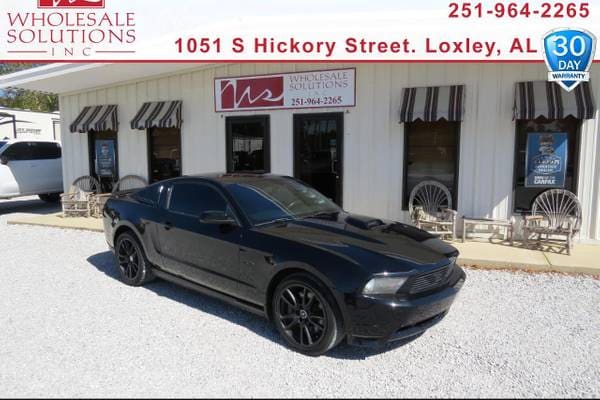
Located in Loxley, AL / 707 miles away from Columbus, OH
Black 2012 Ford Mustang GT Premium 8 Speakers, Alloy wheels, Electronic Stability Control, Front fog lights, Fully automatic headlights, Illuminated e...
Accident Free Vehicle: Yes
Personal Use Only: No
History Provider: AutoCheck
Title Details: Title issue reported
Salvage Vehicle: No
Frame Damage: Yes
Theft History: No
Lemon Status: No
Free History Report: No
Features and Specs:
20 Combined MPG (17 City/26 Highway)
Listing Information:
VIN: 1ZVBP8CF1C5236079
Stock: 15911
Certified Pre-Owned: No
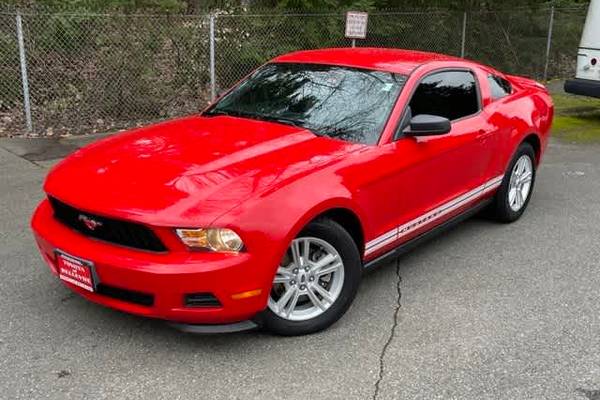
Located in Bellevue, WA / 2,003 miles away from Columbus, OH
Race Red exterior and Medium Stone interior. CD Player, iPod/MP3 Input, 101A EQUIPMENT GROUP ORDER CODE, Aluminum Wheels. KEY FEATURES INCLUDE iPod/...
Accident Free Vehicle: No
Personal Use Only: Yes
History Provider: AutoCheck
Title Details: Clean Title
Salvage Vehicle: No
Frame Damage: No
Theft History: No
Lemon Status: No
Free History Report: No
Features and Specs:
22 Combined MPG (19 City/29 Highway)
Listing Information:
VIN: 1ZVBP8AM6C5276045
Stock: C5276045P
Certified Pre-Owned: No
Listed since: 03-16-2024

Located in Rockwall, TX / 899 miles away from Columbus, OH
Race Red exterior and Charcoal Black interior. CD Player, iPod/MP3 Input, 6-SPEED AUTOMATIC TRANSMISSION, 101A EQUIPMENT GROUP ORDER CODE, Aluminum Wh...
Accident Free Vehicle: No
Personal Use Only: Yes
History Provider: AutoCheck
Title Details: Clean Title
Salvage Vehicle: No
Frame Damage: No
Theft History: No
Lemon Status: No
Free History Report: No
Features and Specs:
22 Combined MPG (19 City/29 Highway)
Listing Information:
VIN: 1ZVBP8AM1C5236732
Stock: C5236732P
Certified Pre-Owned: No
Listed since: 04-23-2024

Located in Chantilly, VA / 297 miles away from Columbus, OH
ALL EPIC MOTOR CARS COME WITH FRESH VA STATE SAFETY INSPECTION !!! GREAT LOOKING CAR !!! AFTER MARKET BIG RIMS AND TIRES !!! FAST !!! SPORT CAR UNDER ...
Accident Free Vehicle: No
Personal Use Only: Yes
History Provider: AutoCheck
Title Details: Clean Title
Salvage Vehicle: No
Frame Damage: No
Theft History: No
Lemon Status: No
Free History Report: No
Features and Specs:
22 Combined MPG (19 City/29 Highway)
Listing Information:
VIN: 1ZVBP8AMXC5221016
Stock: 221016
Certified Pre-Owned: No
Listed since: 04-13-2024

Located in Sacramento, CA / 2,051 miles away from Columbus, OH
At Carvana, we go miles beyond the extra mile. That's why we provide you with a convenient, fast, and hassle-free car buying experience that puts you ...
AutoCheck Vehicle History Summary Unavailable.
Features and Specs:
20 Combined MPG (17 City/26 Highway)
Listing Information:
VIN: 1ZVBP8CU0C5225847
Stock: 2002851575
Certified Pre-Owned: No
Listed since: 04-10-2024

Located in Torrance, CA / 1,993 miles away from Columbus, OH
The following items have been reconditioned on this vehicle: all new tires and new battery! 6-Speed Automatic Transmission 100A Equipment Group Ord...
Accident Free Vehicle: No
Personal Use Only: Yes
History Provider: AutoCheck
Title Details: Clean Title
Salvage Vehicle: No
Frame Damage: No
Theft History: No
Lemon Status: No
Free History Report: No
Features and Specs:
22 Combined MPG (19 City/29 Highway)
Listing Information:
VIN: 1ZVBP8AM1C5272808
Stock: C5272808
Certified Pre-Owned: No
Listed since: 04-26-2024

Located in Tomball, TX / 995 miles away from Columbus, OH
As one of the largest online vehicle sales platforms in the nation, we sell and deliver vehicles all over the country every day and we offer guarantee...
Accident Free Vehicle: No
Personal Use Only: No
History Provider: AutoCheck
Title Details: Clean Title
Salvage Vehicle: No
Frame Damage: No
Theft History: No
Lemon Status: No
Free History Report: No
Features and Specs:
23 Combined MPG (19 City/30 Highway)
Listing Information:
VIN: 1ZVBP8EM5C5212377
Stock: P5212377
Certified Pre-Owned: No
Listed since: 05-11-2024

Located in Sacramento, CA / 2,051 miles away from Columbus, OH
At Carvana, we go miles beyond the extra mile. That's why we provide you with a convenient, fast, and hassle-free car buying experience that puts you ...
Accident Free Vehicle: Yes
Personal Use Only: Yes
History Provider: AutoCheck
Title Details: Clean Title
Salvage Vehicle: No
Frame Damage: No
Theft History: No
Lemon Status: No
Free History Report: No
Features and Specs:
20 Combined MPG (17 City/26 Highway)
Listing Information:
VIN: 1ZVBP8CF2C5282357
Stock: 2002856647
Certified Pre-Owned: No
Listed since: 05-06-2024

Located in South Easton, MA / 629 miles away from Columbus, OH
SEMSCARS.NET - PHONE: 508-238-1077 - TEXT: 508-717-8999 - ASK ABOUT OUR NO HASSLE, LOW INTEREST, FIRST TIME BUYER'S PROGRAM. PRICED BELOW MARKET AVERA...
Accident Free Vehicle: Yes
Personal Use Only: No
History Provider: AutoCheck
Title Details: Clean Title
Salvage Vehicle: No
Frame Damage: No
Theft History: No
Lemon Status: No
Free History Report: No
Features and Specs:
Listing Information:
VIN: 1ZVBP8AM6C5228299
Stock: 22506
Certified Pre-Owned: No
Listed since: 05-06-2024
* Delivery of any kind does not apply to Alaska and Hawaii. Contact the dealer for delivery details, restrictions and costs.