Used 2011 Ford Edge for Sale Near Me
Describe what you’re looking for
BETA

Located in Akron, OH / 97 miles away from Columbus, OH
SummaryBuy for wholesale before it goes to the auction! AS-IS / NO WARRANTYAdditional InformationToth is the best place to buy a new or used vehicle!!...
Accident Free Vehicle: Yes
Personal Use Only: Yes
History Provider: AutoCheck
Title Details: Clean Title
Salvage Vehicle: No
Frame Damage: No
Theft History: No
Lemon Status: No
Free History Report: No
Features and Specs:
20 Combined MPG (18 City/25 Highway)
Listing Information:
VIN: 2FMDK4KC6BBA68309
Stock: N0525A
Certified Pre-Owned: No
Listed since: 11-27-2023
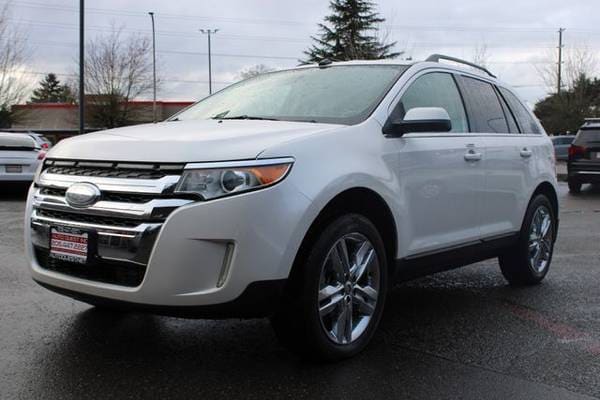
Located in Renton, WA / 2,006 miles away from Columbus, OH
This 2011 Ford Edge 4dr 4dr Limited FWD features a 3.5L V6 DOHC 24V 6cyl Gasoline engine. It is equipped with a 6 Speed Automatic transmission. The ve...
Accident Free Vehicle: Yes
Personal Use Only: Yes
History Provider: AutoCheck
Title Details: Clean Title
Salvage Vehicle: No
Frame Damage: No
Theft History: No
Lemon Status: No
Free History Report: No
Features and Specs:
22 Combined MPG (19 City/27 Highway)
Listing Information:
VIN: 2FMDK3KC8BBB15110
Stock: B15110
Certified Pre-Owned: No
Listed since: 01-13-2024

Located in Buffalo, MN / 662 miles away from Columbus, OH
* ACCIDENT FREE - NICELY EQUIPPED LIMITED PACKAGE - 18" CHROME CLAD WHEELS - HEATED LEATHER - MYFORD TOUCH - SONY PREMIUM AUDIO - AMBIENT LIGHTING - R...
Accident Free Vehicle: Yes
Personal Use Only: Yes
History Provider: AutoCheck
Title Details: Clean Title
Salvage Vehicle: No
Frame Damage: No
Theft History: No
Lemon Status: No
Free History Report: No
Features and Specs:
22 Combined MPG (19 City/27 Highway)
Listing Information:
VIN: 2FMDK3KC9BBA01083
Stock: BBA01083
Certified Pre-Owned: No
Listed since: 04-27-2024
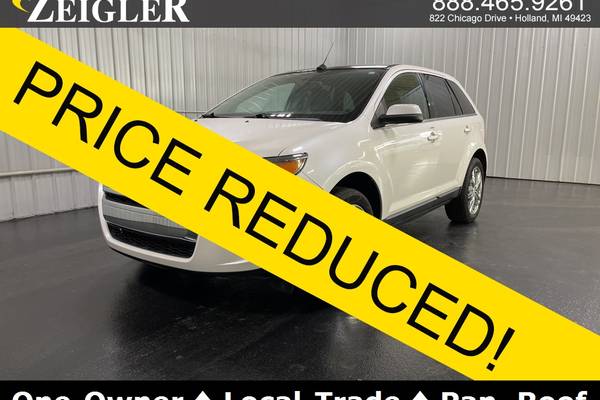
Located in Holland, MI / 253 miles away from Columbus, OH
Price Reduced! ** One Owner ** Local trade ** Bluetooth ** Sunroof ** Panoramic roof ** Leather interior ** Heated seats, AWD ** Keyless entry ** Prem...
Accident Free Vehicle: No
Personal Use Only: Yes
History Provider: AutoCheck
Title Details: Clean Title
Salvage Vehicle: No
Frame Damage: No
Theft History: No
Lemon Status: No
Free History Report: No
Features and Specs:
20 Combined MPG (18 City/25 Highway)
Listing Information:
VIN: 2FMDK4KC5BBB36258
Stock: BBB36258
Certified Pre-Owned: No
Listed since: 02-06-2024

Located in Westminster, MD / 313 miles away from Columbus, OH
2011 Ford Edge SEL, Bluetooth, Hands-Free, Sunroof, Keyless Entry, Alloy wheels, Automatic temperature control, Electronic Stability Control. All veh...
Accident Free Vehicle: Yes
Personal Use Only: Yes
History Provider: AutoCheck
Title Details: Clean Title
Salvage Vehicle: No
Frame Damage: No
Theft History: No
Lemon Status: No
Free History Report: No
Features and Specs:
22 Combined MPG (19 City/27 Highway)
Listing Information:
VIN: 2FMDK3JC7BBB59052
Stock: 0T40644A
Certified Pre-Owned: No
Listed since: 04-29-2024

Located in San Diego, CA / 1,958 miles away from Columbus, OH
This 2011 Ford Edge Sport, clad in a sleek exterior and a well-maintained interior, comes with a history of two previous owners. Notably, this vehicle...
Accident Free Vehicle: No
Personal Use Only: Yes
History Provider: AutoCheck
Title Details: Clean Title
Salvage Vehicle: No
Frame Damage: No
Theft History: No
Lemon Status: No
Free History Report: No
Features and Specs:
19 Combined MPG (17 City/23 Highway)
Listing Information:
VIN: 2FMDK4AK7BBA86469
Stock: 5P00505A
Certified Pre-Owned: No
Listed since: 04-29-2024
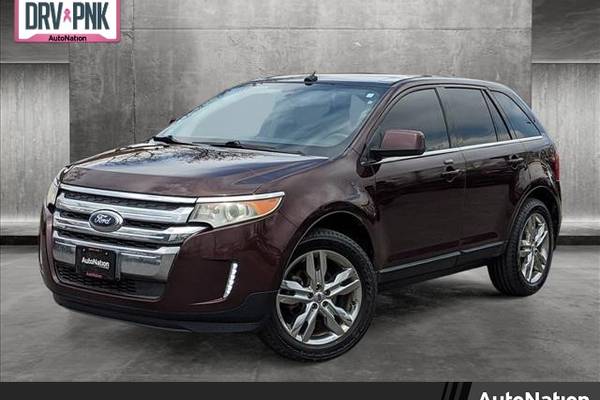
Located in Golden, CO / 1,181 miles away from Columbus, OH
The following items have been reconditioned on this vehicle: all new tires! 302A Rapid Spec Order Code Panoramic Vista Roof 20" Chrome-Clad Aluminu...
Accident Free Vehicle: No
Personal Use Only: Yes
History Provider: AutoCheck
Title Details: Clean Title
Salvage Vehicle: No
Frame Damage: No
Theft History: No
Lemon Status: No
Free History Report: No
Features and Specs:
20 Combined MPG (18 City/25 Highway)
Listing Information:
VIN: 2FMDK4KC2BBA56867
Stock: BBA56867
Certified Pre-Owned: No
Listed since: 04-13-2024
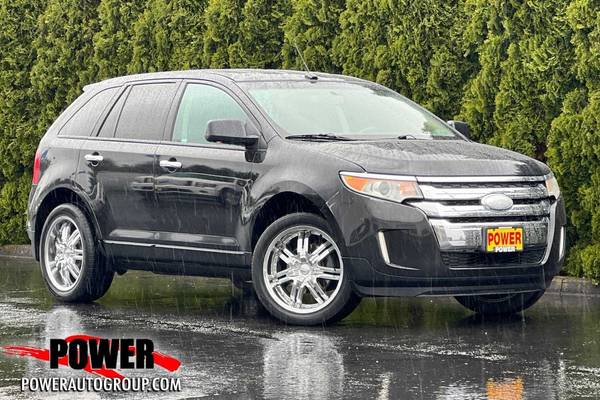
Located in Sublimity, OR / 2,042 miles away from Columbus, OH
Power Chevrolet is pleased to be currently offering this 2011 Ford Edge SEL with 147,945mi. Enjoy safety and stability with this all-wheel drive vehic...
Accident Free Vehicle: No
Personal Use Only: No
History Provider: AutoCheck
Title Details: Clean Title
Salvage Vehicle: No
Frame Damage: No
Theft History: No
Lemon Status: No
Free History Report: No
Features and Specs:
20 Combined MPG (18 City/25 Highway)
Listing Information:
VIN: 2FMDK4JC7BBA76596
Stock: D02218
Certified Pre-Owned: No
Listed since: 04-21-2024

Located in Cincinnati, OH / 93 miles away from Columbus, OH
This *2011 Ford Edge SEL* is loaded with convenient features like: Leather, Alloy-Wheels, Remote Entry.This stunning *2011 Ford Edge SEL* features a b...
Accident Free Vehicle: Yes
Personal Use Only: No
History Provider: AutoCheck
Title Details: Clean Title
Salvage Vehicle: No
Frame Damage: No
Theft History: No
Lemon Status: No
Free History Report: No
Features and Specs:
22 Combined MPG (19 City/27 Highway)
Listing Information:
VIN: 2FMDK3JCXBBA68714
Stock: BBA68714
Certified Pre-Owned: No
Listed since: 04-24-2024

Located in Pauls Valley, OK / 870 miles away from Columbus, OH
Recent Arrival! 2011 Bordeaux Reserve Red Metallic Ford Edge Limited 4D Sport Utility FWD 3.5L V6 Ti-VCT This Ford Edge has many features and is well ...
Accident Free Vehicle: Yes
Personal Use Only: No
History Provider: AutoCheck
Title Details: Title issue reported
Salvage Vehicle: No
Frame Damage: No
Theft History: No
Lemon Status: No
Free History Report: No
Features and Specs:
22 Combined MPG (19 City/27 Highway)
Listing Information:
VIN: 2FMDK3KC8BBA64983
Stock: CJ3661AA
Certified Pre-Owned: No
Listed since: 05-06-2024

Located in Burnsville, MN / 622 miles away from Columbus, OH
At Walser, you’ll get an exceptional car-buying experience. Our *streamlined process* means you’ll work with one dedicated customer specialist to help...
AutoCheck Vehicle History Summary Unavailable.
Features and Specs:
20 Combined MPG (18 City/25 Highway)
Listing Information:
VIN: 2FMDK4JC5BBA39899
Stock: 8BO215T
Certified Pre-Owned: No
Listed since: 05-11-2024

Located in Gaithersburg, MD / 309 miles away from Columbus, OH
Regularly maintained, Non-smoker owner, Vehicle Runs Well, Must test drive, MD Safety Inspection, Family friendly, Title in possession, New floor mats
Accident Free Vehicle: No
Personal Use Only: Yes
History Provider: AutoCheck
Title Details: Clean Title
Salvage Vehicle: No
Frame Damage: No
Theft History: No
Lemon Status: No
Free History Report: No
Features and Specs:
21 Combined MPG (19 City/26 Highway)
Listing Information:
VIN: 2FMDK3GCXBBB01895
Stock: YAB01895
Certified Pre-Owned: No

Located in Centennial, CO / 1,165 miles away from Columbus, OH
202A Rapid Spec Order Code Panoramic Vista Roof Voice-Activated Navigation System Panoramic Roof Leather Seats White Platinum Metallic Tri-Coat Naviga...
Accident Free Vehicle: Yes
Personal Use Only: No
History Provider: AutoCheck
Title Details: Clean Title
Salvage Vehicle: No
Frame Damage: No
Theft History: No
Lemon Status: No
Free History Report: No
Features and Specs:
20 Combined MPG (18 City/25 Highway)
Listing Information:
VIN: 2FMDK4JC1BBA74097
Stock: BBA74097
Certified Pre-Owned: No
Listed since: 04-13-2024
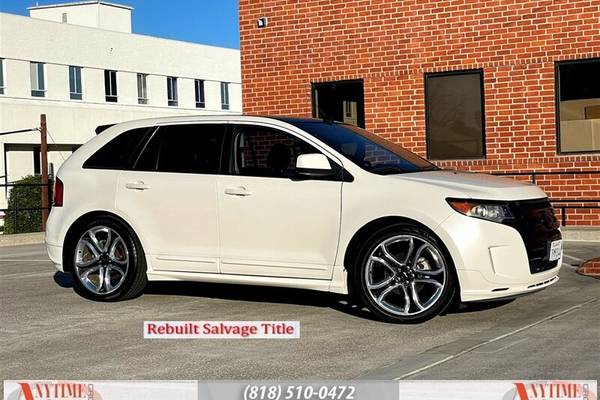
Located in Sherman Oaks, CA / 1,989 miles away from Columbus, OH
WE HAVE NO DEALER FEES EVER ON ANY ACCESSORIES** NO PAINT PROTECTION FEE** NO WINDOW TINTING FEE** NO THEFT PROTECTION FEE** Priced below KBB Fair Pu...
Accident Free Vehicle: No
Personal Use Only: Yes
History Provider: AutoCheck
Title Details: Title issue reported
Salvage Vehicle: No
Frame Damage: No
Theft History: No
Lemon Status: No
Free History Report: No
Features and Specs:
20 Combined MPG (18 City/25 Highway)
Listing Information:
VIN: 2FMDK3AK9BBA47893
Stock: TR15808
Certified Pre-Owned: No

Located in Highland, IL / 376 miles away from Columbus, OH
This 2011 Ford Edge SEL has some miles on it but it has gone through our shop and has passed our inspection to be a sell-able vehicle. Tons of people ...
Accident Free Vehicle: Yes
Personal Use Only: Yes
History Provider: AutoCheck
Title Details: Clean Title
Salvage Vehicle: No
Frame Damage: No
Theft History: No
Lemon Status: No
Free History Report: No
Features and Specs:
22 Combined MPG (19 City/27 Highway)
Listing Information:
VIN: 2FMDK3JC9BBB51549
Stock: U0157A
Certified Pre-Owned: No
Listed since: 04-27-2024

Located in Phoenix, AZ / 1,668 miles away from Columbus, OH
At Carvana, we go miles beyond the extra mile. That's why we provide you with a convenient, fast, and hassle-free car buying experience that puts you ...
Accident Free Vehicle: Yes
Personal Use Only: Yes
History Provider: AutoCheck
Title Details: Clean Title
Salvage Vehicle: No
Frame Damage: No
Theft History: No
Lemon Status: No
Free History Report: No
Features and Specs:
20 Combined MPG (18 City/25 Highway)
Listing Information:
VIN: 2FMDK4KCXBBB61706
Stock: 2002886663
Certified Pre-Owned: No
Listed since: 05-02-2024

Located in Easton, PA / 401 miles away from Columbus, OH
Alloy Wheels, Keyless Entry, Power Equipment Package, No Open Recalls. Mechanics Special - SOLD "AS IS" due to age and miles... vehicle has not been...
Accident Free Vehicle: Yes
Personal Use Only: Yes
History Provider: AutoCheck
Title Details: Clean Title
Salvage Vehicle: No
Frame Damage: No
Theft History: No
Lemon Status: No
Free History Report: No
Features and Specs:
22 Combined MPG (19 City/27 Highway)
Listing Information:
VIN: 2FMDK3JC9BBB37473
Stock: N24T8071B
Certified Pre-Owned: No
Listed since: 05-07-2024
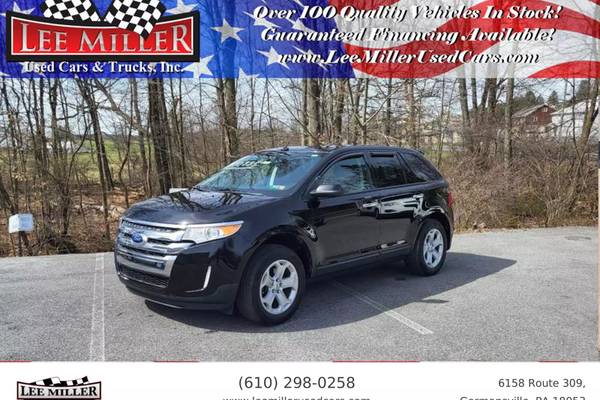
Located in Germansville, PA / 380 miles away from Columbus, OH
Lee Miller Used Cars and Trucks is proud to offer quality used cars, trucks and suvs in Germansville, PA since 1978! Ask about our Guaranteed Credit A...
Accident Free Vehicle: Yes
Personal Use Only: Yes
History Provider: AutoCheck
Title Details: Clean Title
Salvage Vehicle: No
Frame Damage: No
Theft History: No
Lemon Status: No
Free History Report: No
Features and Specs:
20 Combined MPG (18 City/25 Highway)
Listing Information:
VIN: 2FMDK4JC0BBB64468
Stock: 15762L
Certified Pre-Owned: No
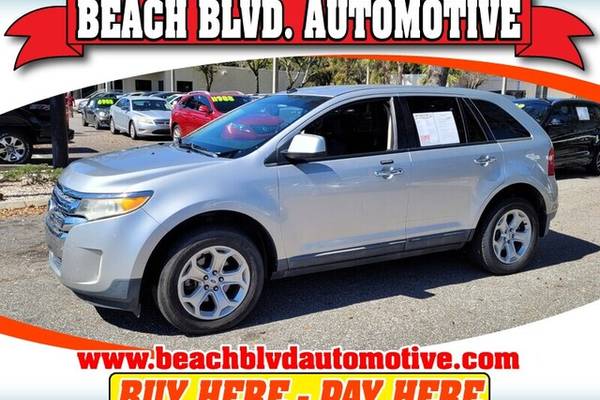
Located in Jacksonville, FL / 678 miles away from Columbus, OH
WARRANTY LEATHER DVD V6 AT A/C BUY HERE PAY HERE FINANCING AVAILABLE ON OVER 250 VEHICLES! KING OF DEALERS! MILITARY DISCOUNT! HUGE SAVINGS!! WOW TOP...
Accident Free Vehicle: No
Personal Use Only: No
History Provider: AutoCheck
Title Details: Clean Title
Salvage Vehicle: No
Frame Damage: No
Theft History: No
Lemon Status: No
Free History Report: No
Features and Specs:
22 Combined MPG (19 City/27 Highway)
Listing Information:
VIN: 2FMDK3JCXBBA12921
Stock: VIN2921
Certified Pre-Owned: No

Located in Akron, OH / 97 miles away from Columbus, OH
SummaryBuy for wholesale before it goes to the auction! AS-IS / NO WARRANTYPackagesEquipment Group 100A: 3.16 Axle Ratio; 3.5L Ti-VCT V6 Engine; Cloth...
Accident Free Vehicle: Yes
Personal Use Only: Yes
History Provider: AutoCheck
Title Details: Clean Title
Salvage Vehicle: No
Frame Damage: No
Theft History: No
Lemon Status: No
Free History Report: No
Features and Specs:
22 Combined MPG (19 City/27 Highway)
Listing Information:
VIN: 2FMDK3GC9CBA89076
Stock: N0574B
Certified Pre-Owned: No
Listed since: 02-07-2024
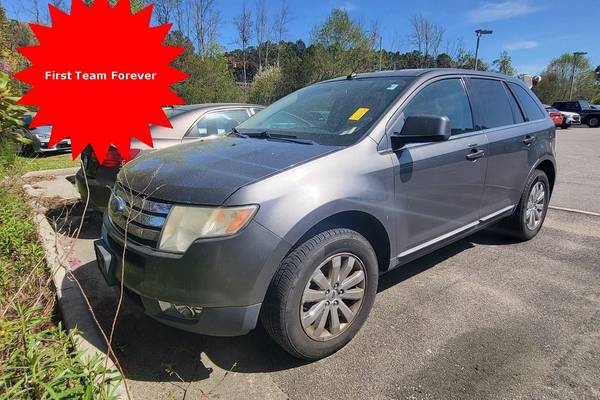
Located in Suffolk, VA / 411 miles away from Columbus, OH
2010 Ford Edge Limited 18" Premium Chrome-Clad Aluminum Wheels, Power driver seat, Rear Parking Sensors. ABOUT FIRST TEAM First Team Subaru Suffolk:...
Accident Free Vehicle: Yes
Personal Use Only: Yes
History Provider: AutoCheck
Title Details: Clean Title
Salvage Vehicle: No
Frame Damage: No
Theft History: No
Lemon Status: No
Free History Report: No
Features and Specs:
20 Combined MPG (18 City/25 Highway)
Listing Information:
VIN: 2FMDK3KC2ABB15845
Stock: S24450A
Certified Pre-Owned: No
Listed since: 04-02-2024
* Delivery of any kind does not apply to Alaska and Hawaii. Contact the dealer for delivery details, restrictions and costs.

