Used Nissan Juke for Sale Near Me
Describe what you’re looking for
BETA
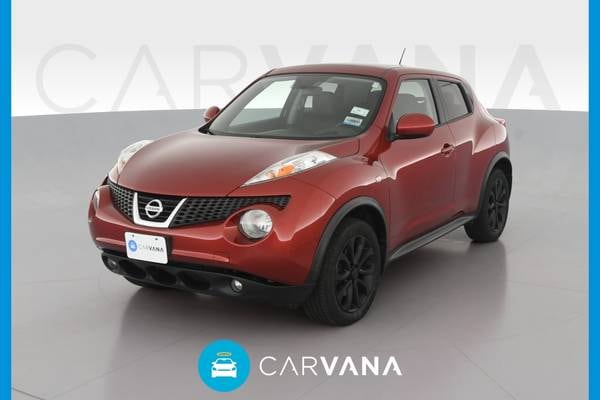
Located in Sacramento, CA / 2,051 miles away from Columbus, OH
At Carvana, we go miles beyond the extra mile. That's why we provide you with a convenient, fast, and hassle-free car buying experience that puts you ...
Accident Free Vehicle: Yes
Personal Use Only: Yes
History Provider: AutoCheck
Title Details: Clean Title
Salvage Vehicle: No
Frame Damage: No
Theft History: No
Lemon Status: No
Free History Report: No
Features and Specs:
29 Combined MPG (27 City/32 Highway)
Listing Information:
VIN: JN8AF5MR7ET452479
Stock: 2002861657
Certified Pre-Owned: No
Listed since: 04-12-2024

Located in Winter Park, FL / 795 miles away from Columbus, OH
This Gun Metallic 2014 Nissan JUKE SL would be a welcomed addition to your family/business. One Owner! This JUKE has the following features:<h4 cl...
Accident Free Vehicle: Yes
Personal Use Only: Yes
History Provider: AutoCheck
Title Details: Clean Title
Salvage Vehicle: No
Frame Damage: No
Theft History: No
Lemon Status: No
Free History Report: No
Features and Specs:
29 Combined MPG (27 City/32 Highway)
Listing Information:
VIN: JN8AF5MR9ET453410
Stock: ET453410
Certified Pre-Owned: No
Listed since: 03-26-2024
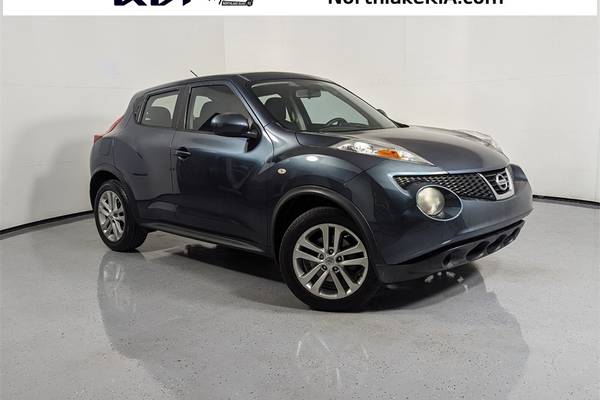
Located in Palm Beach Gardens, FL / 928 miles away from Columbus, OH
2014 Nissan Juke S Beautifully finished in Graphite Blue with Black Cloth interior. 1.6L I4 DOHC 16V 4D Sport Utility FWD CVT with Xtronic CARFAX One-...
Accident Free Vehicle: Yes
Personal Use Only: Yes
History Provider: AutoCheck
Title Details: Clean Title
Salvage Vehicle: No
Frame Damage: No
Theft History: No
Lemon Status: No
Free History Report: No
Features and Specs:
29 Combined MPG (27 City/32 Highway)
Listing Information:
VIN: JN8AF5MR7ET360496
Stock: KTDH360496
Certified Pre-Owned: No
Listed since: 04-20-2024

Located in Phoenix, AZ / 1,668 miles away from Columbus, OH
At Carvana, we go miles beyond the extra mile. That's why we provide you with a convenient, fast, and hassle-free car buying experience that puts you ...
Accident Free Vehicle: Yes
Personal Use Only: Yes
History Provider: AutoCheck
Title Details: Clean Title
Salvage Vehicle: No
Frame Damage: No
Theft History: No
Lemon Status: No
Free History Report: No
Features and Specs:
29 Combined MPG (27 City/32 Highway)
Listing Information:
VIN: JN8AF5MR2ET454222
Stock: 2002894077
Certified Pre-Owned: No
Listed since: 04-26-2024

Located in Sacramento, CA / 2,051 miles away from Columbus, OH
At Carvana, we go miles beyond the extra mile. That's why we provide you with a convenient, fast, and hassle-free car buying experience that puts you ...
Accident Free Vehicle: Yes
Personal Use Only: Yes
History Provider: AutoCheck
Title Details: Clean Title
Salvage Vehicle: No
Frame Damage: No
Theft History: No
Lemon Status: No
Free History Report: No
Features and Specs:
27 Combined MPG (25 City/30 Highway)
Listing Information:
VIN: JN8AF5MV7ET482952
Stock: 2002869399
Certified Pre-Owned: No
Listed since: 04-30-2024

Located in Columbus, OH / 9 miles away from Columbus, OH
At Carvana, we go miles beyond the extra mile. That's why we provide you with a convenient, fast, and hassle-free car buying experience that puts you ...
Accident Free Vehicle: Yes
Personal Use Only: Yes
History Provider: AutoCheck
Title Details: Clean Title
Salvage Vehicle: No
Frame Damage: No
Theft History: No
Lemon Status: No
Free History Report: No
Features and Specs:
28 Combined MPG (26 City/31 Highway)
Listing Information:
VIN: JN8AF5MV6GT656299
Stock: 2002885480
Certified Pre-Owned: No
Listed since: 05-06-2024

Located in Richmond, VA / 327 miles away from Columbus, OH
At Carvana, we go miles beyond the extra mile. That's why we provide you with a convenient, fast, and hassle-free car buying experience that puts you ...
Accident Free Vehicle: Yes
Personal Use Only: Yes
History Provider: AutoCheck
Title Details: Clean Title
Salvage Vehicle: No
Frame Damage: No
Theft History: No
Lemon Status: No
Free History Report: No
Features and Specs:
27 Combined MPG (25 City/30 Highway)
Listing Information:
VIN: JN8AF5MV8CT107990
Stock: 2002862448
Certified Pre-Owned: No
Listed since: 05-08-2024

Located in Chicago, IL / 320 miles away from Columbus, OH
At Carvana, we go miles beyond the extra mile. That's why we provide you with a convenient, fast, and hassle-free car buying experience that puts you ...
Accident Free Vehicle: Yes
Personal Use Only: Yes
History Provider: AutoCheck
Title Details: Clean Title
Salvage Vehicle: No
Frame Damage: No
Theft History: No
Lemon Status: No
Free History Report: No
Features and Specs:
30 Combined MPG (28 City/32 Highway)
Listing Information:
VIN: JN8AF5MR8FT505336
Stock: 2002535570
Certified Pre-Owned: No
Listed since: 09-26-2023

Located in Phoenix, AZ / 1,668 miles away from Columbus, OH
At Carvana, we go miles beyond the extra mile. That's why we provide you with a convenient, fast, and hassle-free car buying experience that puts you ...
Accident Free Vehicle: Yes
Personal Use Only: Yes
History Provider: AutoCheck
Title Details: Clean Title
Salvage Vehicle: No
Frame Damage: No
Theft History: No
Lemon Status: No
Free History Report: No
Features and Specs:
27 Combined MPG (25 City/30 Highway)
Listing Information:
VIN: JN8AF5MV5DT226033
Stock: 2002881539
Certified Pre-Owned: No
Listed since: 04-22-2024

Located in Sacramento, CA / 2,051 miles away from Columbus, OH
At Carvana, we go miles beyond the extra mile. That's why we provide you with a convenient, fast, and hassle-free car buying experience that puts you ...
Accident Free Vehicle: Yes
Personal Use Only: No
History Provider: AutoCheck
Title Details: Clean Title
Salvage Vehicle: No
Frame Damage: No
Theft History: No
Lemon Status: No
Free History Report: No
Features and Specs:
27 Combined MPG (25 City/30 Highway)
Listing Information:
VIN: JN8AF5MV2DT213028
Stock: 2002880522
Certified Pre-Owned: No
Listed since: 04-25-2024
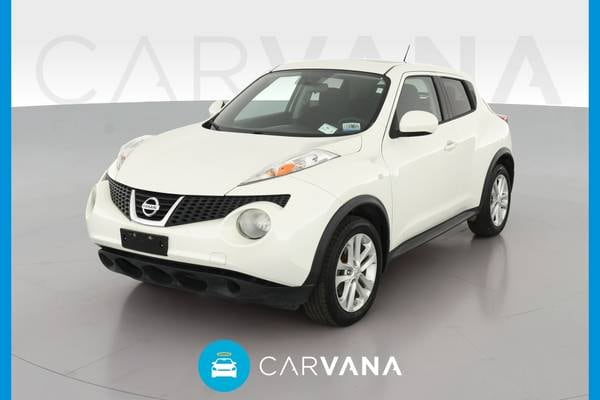
Located in Birmingham, AL / 501 miles away from Columbus, OH
At Carvana, we go miles beyond the extra mile. That's why we provide you with a convenient, fast, and hassle-free car buying experience that puts you ...
Accident Free Vehicle: Yes
Personal Use Only: No
History Provider: AutoCheck
Title Details: Clean Title
Salvage Vehicle: No
Frame Damage: No
Theft History: No
Lemon Status: No
Free History Report: No
Features and Specs:
29 Combined MPG (27 City/32 Highway)
Listing Information:
VIN: JN8AF5MR6ET358612
Stock: 2002793215
Certified Pre-Owned: No
Listed since: 03-14-2024

Located in Phoenix, AZ / 1,668 miles away from Columbus, OH
At Carvana, we go miles beyond the extra mile. That's why we provide you with a convenient, fast, and hassle-free car buying experience that puts you ...
Accident Free Vehicle: Yes
Personal Use Only: Yes
History Provider: AutoCheck
Title Details: Clean Title
Salvage Vehicle: No
Frame Damage: No
Theft History: No
Lemon Status: No
Free History Report: No
Features and Specs:
29 Combined MPG (27 City/32 Highway)
Listing Information:
VIN: JN8AF5MR6DT210734
Stock: 2002900295
Certified Pre-Owned: No
Listed since: 05-06-2024

Located in Phoenix, AZ / 1,668 miles away from Columbus, OH
At Carvana, we go miles beyond the extra mile. That's why we provide you with a convenient, fast, and hassle-free car buying experience that puts you ...
Accident Free Vehicle: Yes
Personal Use Only: Yes
History Provider: AutoCheck
Title Details: Clean Title
Salvage Vehicle: No
Frame Damage: No
Theft History: No
Lemon Status: No
Free History Report: No
Features and Specs:
27 Combined MPG (25 City/30 Highway)
Listing Information:
VIN: JN8AF5MV2DT230766
Stock: 2002902677
Certified Pre-Owned: No
Listed since: 05-06-2024

Located in Sacramento, CA / 2,051 miles away from Columbus, OH
At Carvana, we go miles beyond the extra mile. That's why we provide you with a convenient, fast, and hassle-free car buying experience that puts you ...
Accident Free Vehicle: Yes
Personal Use Only: No
History Provider: AutoCheck
Title Details: Clean Title
Salvage Vehicle: No
Frame Damage: No
Theft History: No
Lemon Status: No
Free History Report: No
Features and Specs:
29 Combined MPG (27 City/32 Highway)
Listing Information:
VIN: JN8AF5MR0CT103757
Stock: 2002882324
Certified Pre-Owned: No
Listed since: 04-30-2024

Located in Cincinnati, OH / 110 miles away from Columbus, OH
At Carvana, we go miles beyond the extra mile. That's why we provide you with a convenient, fast, and hassle-free car buying experience that puts you ...
Accident Free Vehicle: Yes
Personal Use Only: Yes
History Provider: AutoCheck
Title Details: Clean Title
Salvage Vehicle: No
Frame Damage: No
Theft History: No
Lemon Status: No
Free History Report: No
Features and Specs:
27 Combined MPG (25 City/31 Highway)
Listing Information:
VIN: JN8AF5MR0DT203794
Stock: 2002906280
Certified Pre-Owned: No
Listed since: 05-06-2024

Located in Dumfries, VA / 313 miles away from Columbus, OH
\Unique Price includes incentives and discounts that not all will qualify for please contact the dealer for complete details. Pricing is subject to ch...
Accident Free Vehicle: No
Personal Use Only: Yes
History Provider: AutoCheck
Title Details: Clean Title
Salvage Vehicle: No
Frame Damage: No
Theft History: No
Lemon Status: No
Free History Report: No
Features and Specs:
27 Combined MPG (25 City/30 Highway)
Listing Information:
VIN: JN8AF5MV2DT212316
Stock: 212316
Certified Pre-Owned: No
Listed since: 03-15-2024

Located in Fullerton, CA / 1,970 miles away from Columbus, OH
This Nissan Juke is a must see! Great interior and exterior, very well maintained. No accidents or damage reports, clean title guaranteed! Only 1 prev...
Accident Free Vehicle: Yes
Personal Use Only: Yes
History Provider: AutoCheck
Title Details: Clean Title
Salvage Vehicle: No
Frame Damage: No
Theft History: No
Lemon Status: No
Free History Report: No
Features and Specs:
27 Combined MPG (25 City/30 Highway)
Listing Information:
VIN: JN8AF5MVXCT126895
Stock: 126895
Certified Pre-Owned: No
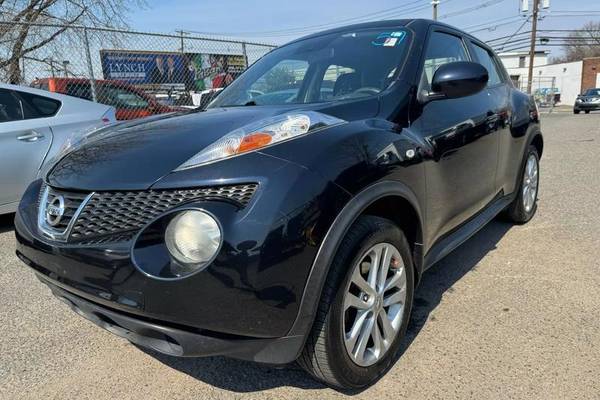
Located in South Hackensack, NJ / 467 miles away from Columbus, OH
Price includes all costs to be paid by consumer, except for licensing costs, registration fees, retail package, title and taxes. Any monetary discount...
Accident Free Vehicle: No
Personal Use Only: Yes
History Provider: AutoCheck
Title Details: Clean Title
Salvage Vehicle: No
Frame Damage: No
Theft History: No
Lemon Status: No
Free History Report: No
Features and Specs:
27 Combined MPG (25 City/30 Highway)
Listing Information:
VIN: JN8AF5MV8DT229959
Stock: 229959-59
Certified Pre-Owned: No

Located in Edmonds, WA / 2,013 miles away from Columbus, OH
2014 NISSAN JUKE SL AWD Automatic Transmission Two owner tradein, clean title, 18 service records. automatic transmission, all wheel drive, Rockford ...
Accident Free Vehicle: Yes
Personal Use Only: Yes
History Provider: AutoCheck
Title Details: Clean Title
Salvage Vehicle: No
Frame Damage: No
Theft History: No
Lemon Status: No
Free History Report: No
Features and Specs:
27 Combined MPG (25 City/30 Highway)
Listing Information:
VIN: JN8AF5MV8ET355417
Stock: 355417
Certified Pre-Owned: No
Listed since: 04-23-2024

Located in Westborough, MA / 603 miles away from Columbus, OH
INSPECTION COMPLETED Every Herb Chambers Certified pre-owned vehicles receives a complete multi-point inspection by factory trained technicians who in...
Accident Free Vehicle: Yes
Personal Use Only: Yes
History Provider: AutoCheck
Title Details: Clean Title
Salvage Vehicle: No
Frame Damage: No
Theft History: No
Lemon Status: No
Free History Report: No
Features and Specs:
28 Combined MPG (26 City/31 Highway)
Listing Information:
VIN: JN8AF5MVXGT651140
Stock: W3754A
Certified Pre-Owned: No
Listed since: 05-10-2024

Located in Streamwood, IL / 306 miles away from Columbus, OH
Scores 31 Highway MPG and 26 City MPG! This Nissan JUKE delivers a Intercooled Turbo Premium Unleaded I-4 1.6 L/99 engine powering this Variable trans...
Accident Free Vehicle: Yes
Personal Use Only: Yes
History Provider: AutoCheck
Title Details: Clean Title
Salvage Vehicle: No
Frame Damage: No
Theft History: No
Lemon Status: No
Free History Report: No
Features and Specs:
28 Combined MPG (26 City/31 Highway)
Listing Information:
VIN: JN8AF5MV1FT550664
Stock: B2006B
Certified Pre-Owned: No
Listed since: 04-13-2024
Edmunds has 974 Used Nissan Jukes for sale near you, including a 2014 Juke SL Hatchback and a 2016 Juke SV Hatchback ranging in price from $5,999 to $17,990.
* Delivery of any kind does not apply to Alaska and Hawaii. Contact the dealer for delivery details, restrictions and costs.
