Used 2001 Dodge Neon for Sale Near Me
Describe what you’re looking for
BETA

Located in Casa Grande, AZ / 1,672 miles away from Columbus, OH
Compact and Affordable: 2004 Dodge Neon SEDiscover the reliability and affordability of the 2004 Dodge Neon SE, available now at Heritage Motors. Our ...
Accident Free Vehicle: Yes
Personal Use Only: No
History Provider: AutoCheck
Title Details: Clean Title
Salvage Vehicle: No
Frame Damage: No
Theft History: No
Lemon Status: No
Free History Report: No
Features and Specs:
28 Combined MPG (25 City/32 Highway)
Listing Information:
VIN: 1B3ES26CX4D540209
Stock: 24102
Certified Pre-Owned: No
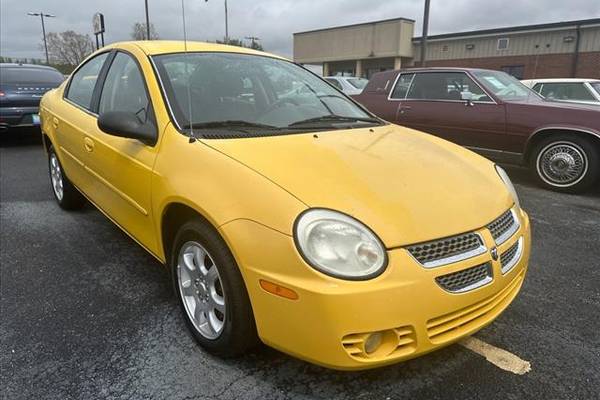
Located in Owensboro, KY / 275 miles away from Columbus, OH
This 2004 Dodge SXT 4dr Sedan is a reliable and efficient motorcar. It has a 2.0L NA I4 single overhead cam (SOHC) 16V engine that has been paired wit...
Accident Free Vehicle: Yes
Personal Use Only: Yes
History Provider: AutoCheck
Title Details: Clean Title
Salvage Vehicle: No
Frame Damage: No
Theft History: No
Lemon Status: No
Free History Report: No
Features and Specs:
Listing Information:
VIN: 1B3ES56C34D601448
Stock: 4D601448
Certified Pre-Owned: No
Listed since: 03-29-2024
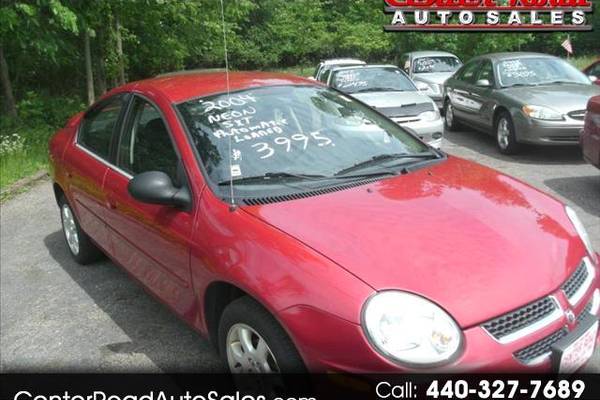
Located in North Ridgeville, OH / 100 miles away from Columbus, OH
Visit our website http://www.centerroadautosales.com for more information and photos on this or any of our other vehicles or call us today for a test...
Accident Free Vehicle: No
Personal Use Only: Yes
History Provider: AutoCheck
Title Details: Title issue reported
Salvage Vehicle: No
Frame Damage: No
Theft History: No
Lemon Status: No
Free History Report: No
Features and Specs:
Listing Information:
VIN: 1B3ES56C74D643346
Stock: 10583
Certified Pre-Owned: No
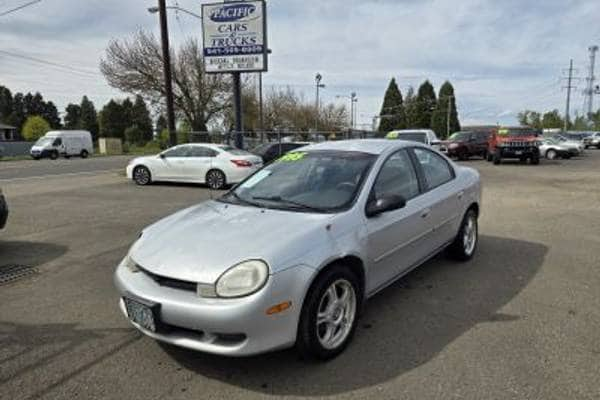
Located in Eugene, OR / 2,065 miles away from Columbus, OH
1735 Hwy 99 N Eugene OR 97402Bad Credit? No Credit? Pacific Cars and Trucks is here to help you get approved! We have nearly one hundred Used Cars and...
Accident Free Vehicle: No
Personal Use Only: No
History Provider: AutoCheck
Title Details: Clean Title
Salvage Vehicle: No
Frame Damage: No
Theft History: No
Lemon Status: No
Free History Report: No
Features and Specs:
Listing Information:
VIN: 1B3ES46C9YD725451
Stock: 725451
Certified Pre-Owned: No
Listed since: 04-12-2024
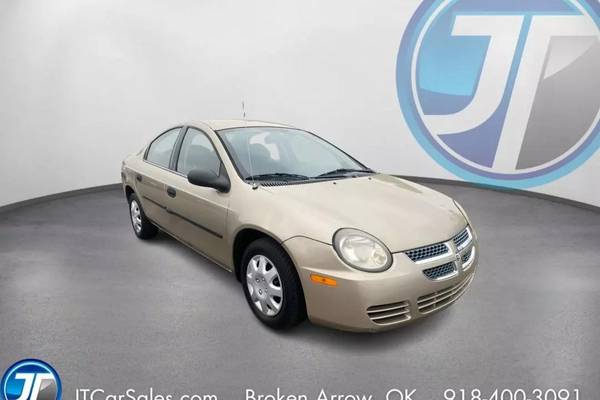
Located in Broken Arrow, OK / 751 miles away from Columbus, OH
JT Wholesale Auto24855 E Highway 51Broken Arrow, OK 740149**-4**-3***- All Vehicles Have CLEAN TITLES Unless Explicitly Disclosed- All Units Undergo ...
Accident Free Vehicle: Yes
Personal Use Only: No
History Provider: AutoCheck
Title Details: Clean Title
Salvage Vehicle: No
Frame Damage: No
Theft History: No
Lemon Status: No
Free History Report: No
Features and Specs:
28 Combined MPG (25 City/32 Highway)
Listing Information:
VIN: 1B3ES26C13D188958
Stock: 188958
Certified Pre-Owned: No
Listed since: 04-20-2024
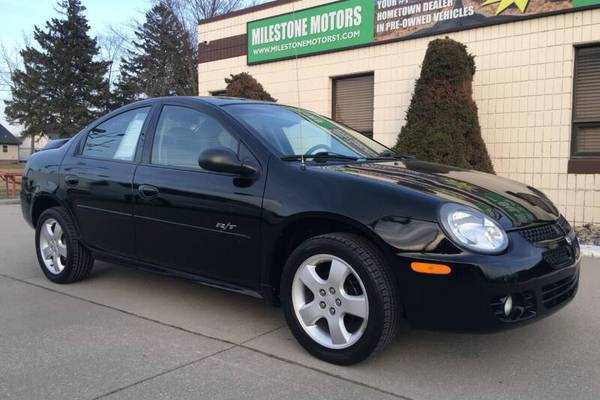
Located in New Baltimore, MI / 180 miles away from Columbus, OH
2003 Dodge Neon R/T 4dr Sedan, 2.0L I4. Southern History, super clean! Stick shift. Vroom Vroom! Super gas saver!! You won't find a cleaner one around...
Accident Free Vehicle: Yes
Personal Use Only: Yes
History Provider: AutoCheck
Title Details: Clean Title
Salvage Vehicle: No
Frame Damage: No
Theft History: No
Lemon Status: No
Free History Report: No
Features and Specs:
28 Combined MPG (25 City/32 Highway)
Listing Information:
VIN: 1B3ES76F63D174920
Stock: 3609
Certified Pre-Owned: No
Listed since: 03-01-2024
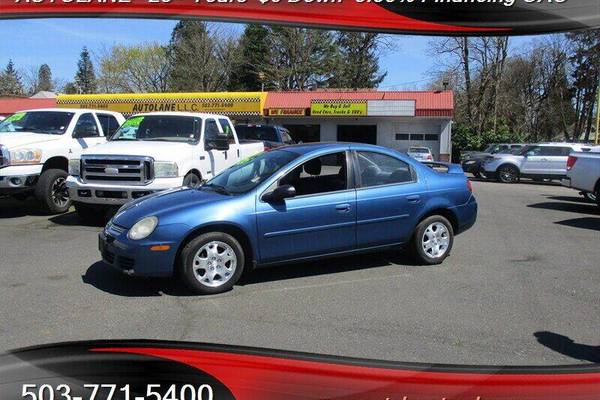
Located in Portland, OR / 2,028 miles away from Columbus, OH
Dealer# DA9675
Accident Free Vehicle: Yes
Personal Use Only: Yes
History Provider: AutoCheck
Title Details: Clean Title
Salvage Vehicle: No
Frame Damage: No
Theft History: No
Lemon Status: No
Free History Report: No
Features and Specs:
28 Combined MPG (25 City/32 Highway)
Listing Information:
VIN: 1B3ES56C93D224767
Stock: 1938
Certified Pre-Owned: No
Listed since: 04-19-2023
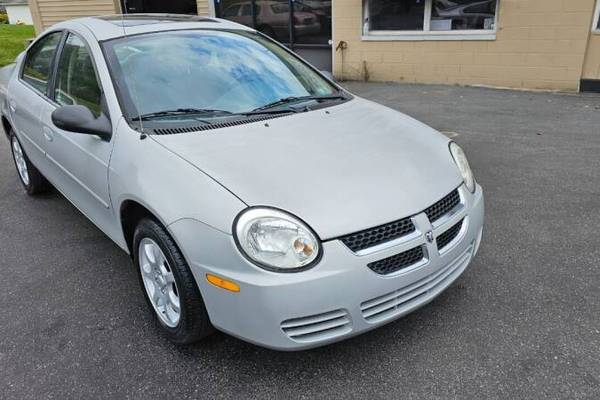
Located in York, PA / 323 miles away from Columbus, OH
***LOW MILES***ONE OWNER***CLEAN CARFAX***2004 DODGE NEON SXT, VIN: 1B3ES56CX4D585510, SEDAN 4 DR, 2.0L I4 F SOHC 16V, GASOLINE, FRONT WHEEL DRIVE, KE...
Accident Free Vehicle: Yes
Personal Use Only: Yes
History Provider: AutoCheck
Title Details: Clean Title
Salvage Vehicle: No
Frame Damage: No
Theft History: No
Lemon Status: No
Free History Report: No
Features and Specs:
Listing Information:
VIN: 1B3ES56CX4D585510
Stock: Y2187
Certified Pre-Owned: No
Listed since: 04-05-2024

Located in Dallas, TX / 928 miles away from Columbus, OH
MUST TEST DRIVE, CLEAN TITLE, DRIVES GREAT, GREAT FIRST VEHICLE, NO CHECK ENGINE LIGHT, NO LEAKS, NON-SMOKER VEHICLE AND A GREAT PRICE.---------------...
Accident Free Vehicle: Yes
Personal Use Only: Yes
History Provider: AutoCheck
Title Details: Title issue reported
Salvage Vehicle: No
Frame Damage: Yes
Theft History: No
Lemon Status: No
Free History Report: No
Features and Specs:
Listing Information:
VIN: 1B3ES56C14D535188
Stock: 14964
Certified Pre-Owned: No
Listed since: 03-13-2024
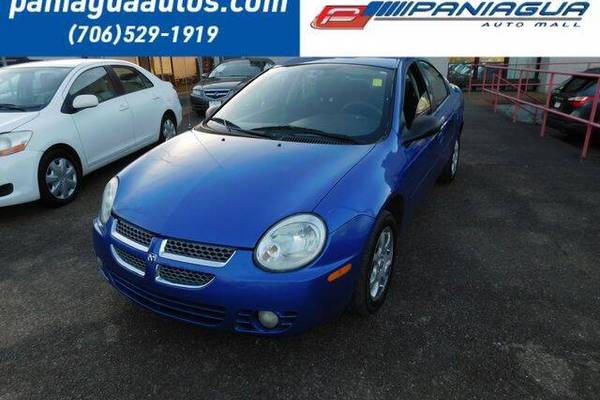
Located in Dalton, GA / 383 miles away from Columbus, OH
2005 DODGE NEAN STX 2.0L 4 CYLINDER AUTOMATIC CLOTH INTERIOR STOP BY TODAY AND CHECK OUT ALL OF OUR SPECIAL DEALS WE HAVE LOTS OF VEHICLES TO CHO...
Accident Free Vehicle: Yes
Personal Use Only: Yes
History Provider: AutoCheck
Title Details: Title issue reported
Salvage Vehicle: No
Frame Damage: Yes
Theft History: No
Lemon Status: No
Free History Report: No
Features and Specs:
28 Combined MPG (25 City/32 Highway)
Listing Information:
VIN: 1B3ES56C65D284640
Stock: 9586
Certified Pre-Owned: No
Listed since: 01-21-2023
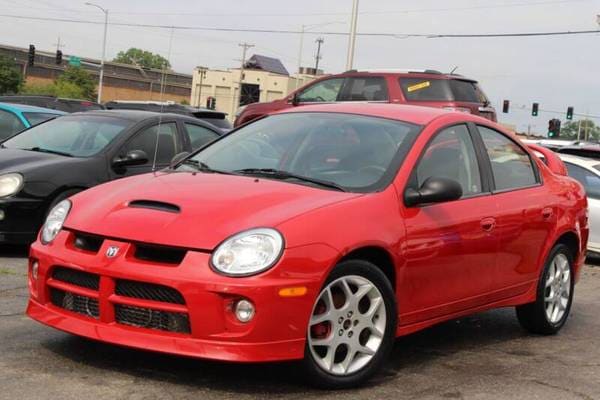
Located in Villa Park, IL / 297 miles away from Columbus, OH
**2005 DODGE NEON SRT-4!** *COLLECTOR EXAMPLE! YES, YOU READ THE MILES RIGHT! 5K ORIGINAL MILES WITH IT'S ENTIRE TIME SPENT IN SUNNY CALIFORNIA! THE A...
Accident Free Vehicle: Yes
Personal Use Only: No
History Provider: AutoCheck
Title Details: Clean Title
Salvage Vehicle: No
Frame Damage: No
Theft History: No
Lemon Status: No
Free History Report: No
Features and Specs:
22 Combined MPG (19 City/28 Highway)
Listing Information:
VIN: 1B3ES66S25D259733
Stock: X259733
Certified Pre-Owned: No
Listed since: 07-21-2022
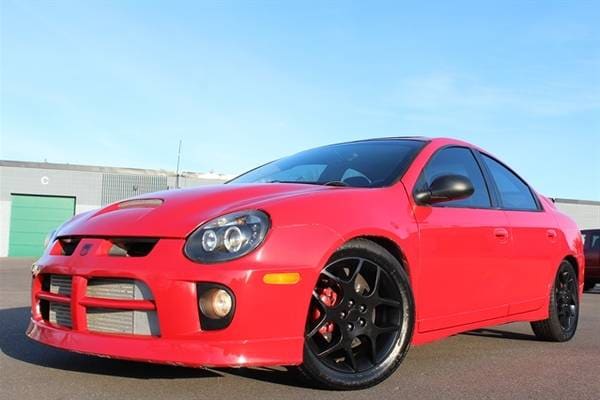
Located in Hopkins, MN / 635 miles away from Columbus, OH
We are open for normal business hours 10:30AM to 6PM Monday through Friday and 10:30AM to 3PM Saturdays. We are by appointment during those hours so p...
Accident Free Vehicle: Yes
Personal Use Only: Yes
History Provider: AutoCheck
Title Details: Clean Title
Salvage Vehicle: No
Frame Damage: No
Theft History: No
Lemon Status: No
Free History Report: No
Features and Specs:
22 Combined MPG (19 City/28 Highway)
Listing Information:
VIN: 1B3ES66S85D193852
Stock: 24058
Certified Pre-Owned: No
Listed since: 03-22-2024

Located in Edmonds, WA / 2,012 miles away from Columbus, OH
Recent Arrival! Clean CARFAX. 25/32 City/Highway MPG Proudly Serving The Northwest for 96 Years!!!
Accident Free Vehicle: Yes
Personal Use Only: Yes
History Provider: AutoCheck
Title Details: Clean Title
Salvage Vehicle: No
Frame Damage: No
Theft History: No
Lemon Status: No
Free History Report: No
Features and Specs:
28 Combined MPG (25 City/32 Highway)
Listing Information:
VIN: 1B3ES56CX3D213826
Stock: 241360A
Certified Pre-Owned: No
Listed since: 04-05-2024
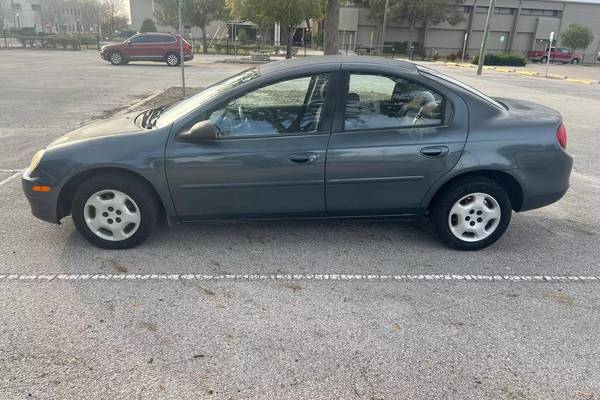
Located in Lakeland, FL / 830 miles away from Columbus, OH
Accident Free Vehicle: Yes
Personal Use Only: Yes
History Provider: AutoCheck
Title Details: Clean Title
Salvage Vehicle: No
Frame Damage: No
Theft History: No
Lemon Status: No
Free History Report: No
Features and Specs:
27 Combined MPG (24 City/31 Highway)
Listing Information:
VIN: 1B3ES26C52D550983
Stock: 550983
Certified Pre-Owned: No
Listed since: 01-05-2024
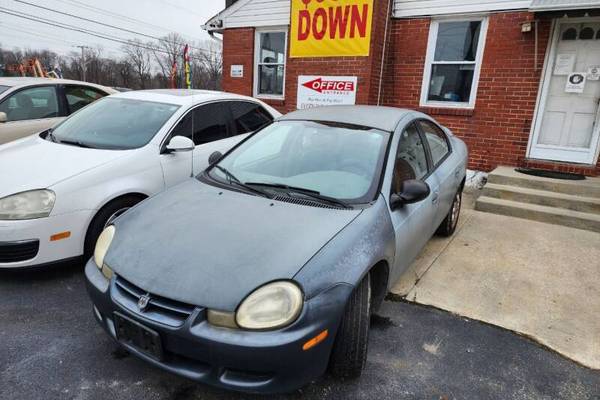
Located in New Castle, DE / 385 miles away from Columbus, OH
Accident Free Vehicle: Yes
Personal Use Only: Yes
History Provider: AutoCheck
Title Details: Clean Title
Salvage Vehicle: No
Frame Damage: No
Theft History: No
Lemon Status: No
Free History Report: No
Features and Specs:
27 Combined MPG (24 City/31 Highway)
Listing Information:
VIN: 1B3ES56C32D551924
Stock: D551924
Certified Pre-Owned: No
Listed since: 02-24-2024

Located in Quincy, MA / 636 miles away from Columbus, OH
Accident Free Vehicle: Yes
Personal Use Only: No
History Provider: AutoCheck
Title Details: Title issue reported
Salvage Vehicle: No
Frame Damage: No
Theft History: No
Lemon Status: No
Free History Report: No
Features and Specs:
27 Combined MPG (24 City/31 Highway)
Listing Information:
VIN: 1B3ES26C22D527628
Stock: 527628
Certified Pre-Owned: No
Listed since: 09-22-2023
Located in Louisville, TN / 295 miles away from Columbus, OH
This outstanding example of a 2005 Dodge Neon SXT is offered by Rusty Wallace Kia. The greater your fuel-efficiency, the less your carbon footprint. A...
Accident Free Vehicle: Yes
Personal Use Only: No
History Provider: AutoCheck
Title Details: Clean Title
Salvage Vehicle: No
Frame Damage: No
Theft History: No
Lemon Status: No
Free History Report: No
Features and Specs:
28 Combined MPG (25 City/32 Highway)
Listing Information:
VIN: 1B3ES56C75D175376
Stock: K14741A
Certified Pre-Owned: No
Listed since: 03-30-2024
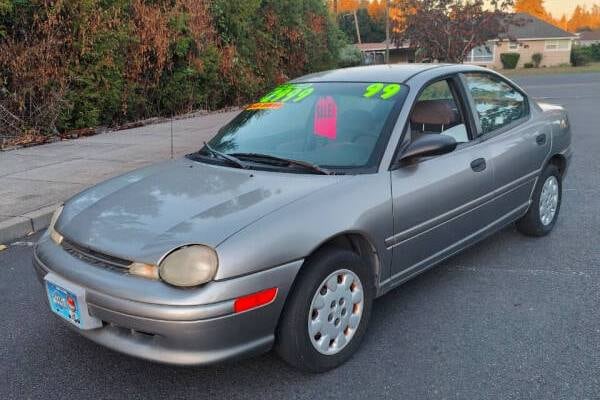
Located in Vancouver, WA / 2,031 miles away from Columbus, OH
Accident Free Vehicle: Yes
Personal Use Only: Yes
History Provider: AutoCheck
Title Details: Clean Title
Salvage Vehicle: No
Frame Damage: No
Theft History: No
Lemon Status: No
Free History Report: No
Features and Specs:
28 Combined MPG (24 City/36 Highway)
Listing Information:
VIN: 1B3ES47C3XD133248
Stock: 7173
Certified Pre-Owned: No
Listed since: 09-14-2023
Located in Waukesha, WI / 345 miles away from Columbus, OH
Aluminum Wheels, CD Player. KEY FEATURES INCLUDE CD Player, Aluminum Wheels. EXPERTS CONCLUDE Edmunds.com explains More fun in the curves than yo...
Accident Free Vehicle: Yes
Personal Use Only: Yes
History Provider: AutoCheck
Title Details: Clean Title
Salvage Vehicle: No
Frame Damage: No
Theft History: No
Lemon Status: No
Free History Report: No
Features and Specs:
28 Combined MPG (25 City/32 Highway)
Listing Information:
VIN: 1B3ES56C13D182837
Stock: 3D182837A
Certified Pre-Owned: No
Listed since: 04-13-2024
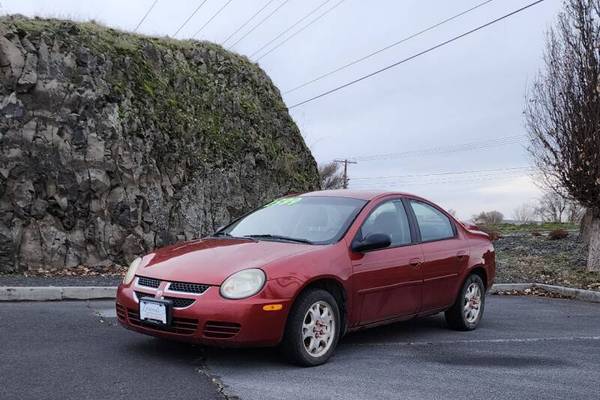
Located in Hermiston, OR / 1,870 miles away from Columbus, OH
Introducing a local trade special the 2003 Dodge Neon SXT. This manual transmission sedan with a 2.0L 4-cylinder engine is a good companion for your d...
Accident Free Vehicle: Yes
Personal Use Only: No
History Provider: AutoCheck
Title Details: Clean Title
Salvage Vehicle: No
Frame Damage: No
Theft History: No
Lemon Status: No
Free History Report: No
Features and Specs:
28 Combined MPG (25 City/32 Highway)
Listing Information:
VIN: 1B3ES56C13D144542
Stock: 2242
Certified Pre-Owned: No
Listed since: 01-07-2024
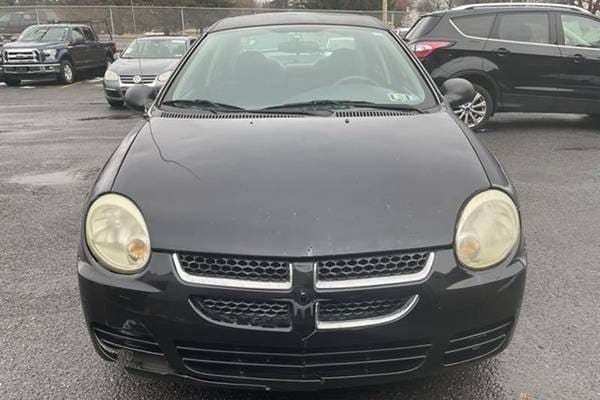
Located in Rockledge, PA / 410 miles away from Columbus, OH
Accident Free Vehicle: No
Personal Use Only: Yes
History Provider: AutoCheck
Title Details: Title issue reported
Salvage Vehicle: No
Frame Damage: No
Theft History: No
Lemon Status: No
Free History Report: No
Features and Specs:
28 Combined MPG (25 City/32 Highway)
Listing Information:
VIN: 1B3ES56C93D147821
Stock: 024-015
Certified Pre-Owned: No
Listed since: 01-27-2024