Used BMW for Sale Near Me
Describe what you’re looking for
BETA

Located in Wichita, KS / 788 miles away from Columbus, OH
2020 BMW ALPINA B7 xDrive, located at BMW of Wichita. Original MSRP $161,545. Dravit Gray Metallic with Smoke White/Black Merino Leather interior. Thi...
Accident Free Vehicle: Yes
Personal Use Only: Yes
History Provider: AutoCheck
Title Details: Clean Title
Salvage Vehicle: No
Frame Damage: No
Theft History: No
Lemon Status: No
Free History Report: No
Features and Specs:
19 Combined MPG (17 City/24 Highway)
Listing Information:
VIN: WBA7U2C15NCJ00763
Stock: 14CO693P
Certified Pre-Owned: No
Listed since: 02-23-2024

Located in Virginia Beach, VA / 425 miles away from Columbus, OH
757 AUTO OUTLET is a car dealer that specializes in MILITARY FINANCING AND TO THE PUBLIC. With over 80 Quality used cars in our inventory including A...
Accident Free Vehicle: No
Personal Use Only: Yes
History Provider: AutoCheck
Title Details: Clean Title
Salvage Vehicle: No
Frame Damage: No
Theft History: No
Lemon Status: No
Free History Report: No
Features and Specs:
20 Combined MPG (17 City/25 Highway)
Listing Information:
VIN: WBAPK53539A511722
Stock: AO-467
Certified Pre-Owned: No
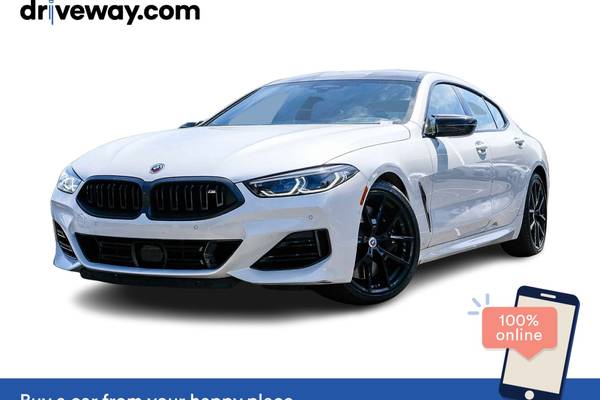
Located in Sherman Oaks, CA / 1,988 miles away from Columbus, OH
Rare Find,Apple CarPlay,Automatic Parking,Back-Up Camera,Blind Spot Monitor,Bluetooth,Brake Assist,Hands-Free Liftgate,Heated Seats,Heated Steering Wh...
Accident Free Vehicle: Yes
Personal Use Only: Yes
History Provider: AutoCheck
Title Details: Clean Title
Salvage Vehicle: No
Frame Damage: No
Theft History: No
Lemon Status: No
Free History Report: No
Features and Specs:
19 Combined MPG (17 City/24 Highway)
Listing Information:
VIN: WBAGV8C09PCK90349
Stock: PCK90349T
Certified Pre-Owned: No
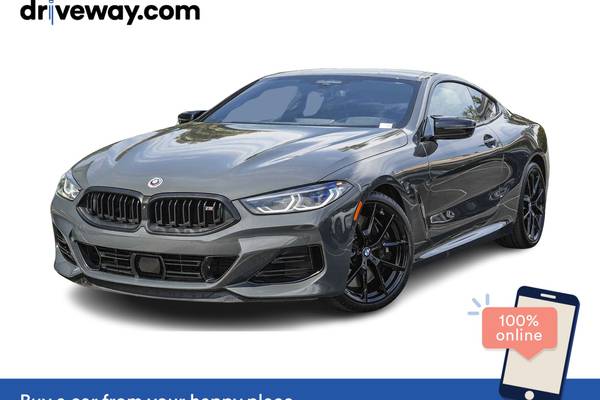
Located in Sherman Oaks, CA / 1,988 miles away from Columbus, OH
Rare Find,Apple CarPlay,Automatic Parking,Back-Up Camera,Blind Spot Monitor,Bluetooth,Brake Assist,Hands-Free Liftgate,Heated Seats,Heated Steering Wh...
Accident Free Vehicle: Yes
Personal Use Only: Yes
History Provider: AutoCheck
Title Details: Clean Title
Salvage Vehicle: No
Frame Damage: No
Theft History: No
Lemon Status: No
Free History Report: No
Features and Specs:
19 Combined MPG (17 City/24 Highway)
Listing Information:
VIN: WBABC4C01PCK29151
Stock: PCK29151T
Certified Pre-Owned: No
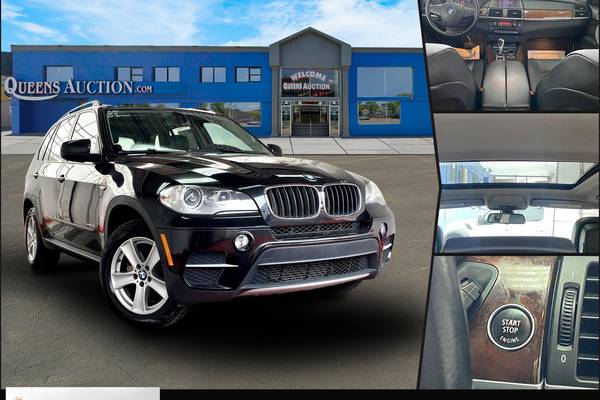
Located in Queens, NY / 478 miles away from Columbus, OH
Shop the best deals on hundreds of top quality preowned vehicles right in the heart of Queens, NY only at Queens Auto Mall! This BMW X5 xDrive35i Spor...
Accident Free Vehicle: No
Personal Use Only: Yes
History Provider: AutoCheck
Title Details: Clean Title
Salvage Vehicle: No
Frame Damage: No
Theft History: No
Lemon Status: No
Free History Report: No
Features and Specs:
19 Combined MPG (16 City/23 Highway)
Listing Information:
VIN: 5UXZV4C5XD0B07197
Stock: 083180
Certified Pre-Owned: No
Listed since: 01-25-2024

Located in Lynnwood, WA / 2,010 miles away from Columbus, OH
This BMW X6 sDrive35i, with a 3.0L Turbo I6 300hp 300ft. lbs. engine, features a 8-Speed Shiftable Automatic w/Sport Transmission transmission, and ge...
Accident Free Vehicle: No
Personal Use Only: No
History Provider: AutoCheck
Title Details: Clean Title
Salvage Vehicle: No
Frame Damage: No
Theft History: No
Lemon Status: No
Free History Report: No
Features and Specs:
21 Combined MPG (18 City/25 Highway)
Listing Information:
VIN: 5UXKU0C58H0F99781
Stock: LF99781
Certified Pre-Owned: No
Listed since: 01-22-2024

Located in Baltimore, MD / 328 miles away from Columbus, OH
JUST ARRIVED. PENDING INSPECTION. *MSRP: $55,685.00*, *Driving Assistance Package*, *Convenience Package*, Active Blind Spot Detection, Active Driving...
Accident Free Vehicle: Yes
Personal Use Only: Yes
History Provider: AutoCheck
Title Details: Clean Title
Salvage Vehicle: No
Frame Damage: No
Theft History: No
Lemon Status: No
Free History Report: No
Features and Specs:
25 Combined MPG (23 City/28 Highway)
Listing Information:
VIN: 5UX2V1C00LLE67516
Stock: 4P2137A
Certified Pre-Owned: No
Listed since: 04-30-2024
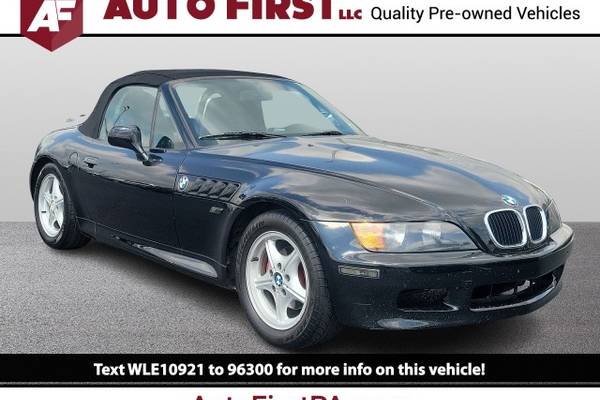
Located in Mechanicsburg, PA / 310 miles away from Columbus, OH
Auto First has been family owned and operated for over 20 Years ! This sporty BMW 3 Series convertible leads the class in performance and refinement. ...
Accident Free Vehicle: Yes
Personal Use Only: No
History Provider: AutoCheck
Title Details: Clean Title
Salvage Vehicle: No
Frame Damage: No
Theft History: No
Lemon Status: No
Free History Report: No
Features and Specs:
24 Combined MPG (20 City/29 Highway)
Listing Information:
VIN: 4USCH7339WLE10921
Stock: E10921P
Certified Pre-Owned: No
Listed since: 03-22-2023

Located in Whitesboro, TX / 891 miles away from Columbus, OH
Bluetooth, Hands-Free connection, Leather Seats, Heated Seats, Navigation, Keyless Entry, Convertible, 2 Series M 235i, 2D Convertible, I6, 8-Speed Sp...
Accident Free Vehicle: Yes
Personal Use Only: Yes
History Provider: AutoCheck
Title Details: Clean Title
Salvage Vehicle: No
Frame Damage: No
Theft History: No
Lemon Status: No
Free History Report: No
Features and Specs:
25 Combined MPG (21 City/32 Highway)
Listing Information:
VIN: WBA1M1C53FV393281
Stock: CU393281
Certified Pre-Owned: No
Listed since: 05-06-2024
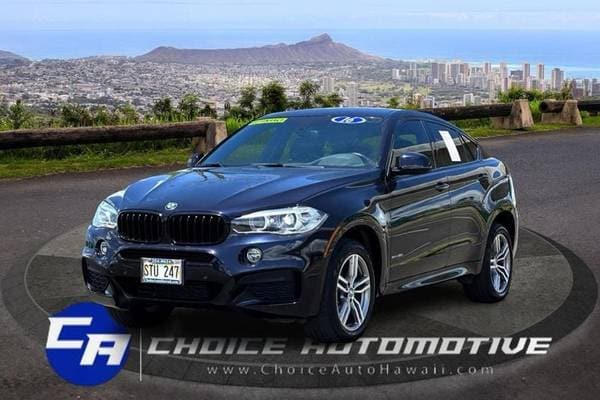
Located in Honolulu, HI / 4,510 miles away from Columbus, OH
This 2016 BMW X6 4dr sDrive35i features a 3.0L I6 DOHC 24V Turbocharged 6cyl Gasoline engine. It is equipped with a 8 Speed Automatic transmission. Th...
Accident Free Vehicle: Yes
Personal Use Only: Yes
History Provider: AutoCheck
Title Details: Clean Title
Salvage Vehicle: No
Frame Damage: No
Theft History: No
Lemon Status: No
Free History Report: No
Features and Specs:
21 Combined MPG (18 City/25 Highway)
Listing Information:
VIN: 5UXKU0C53G0F92655
Stock: G0F92655
Certified Pre-Owned: No
Listed since: 02-14-2024
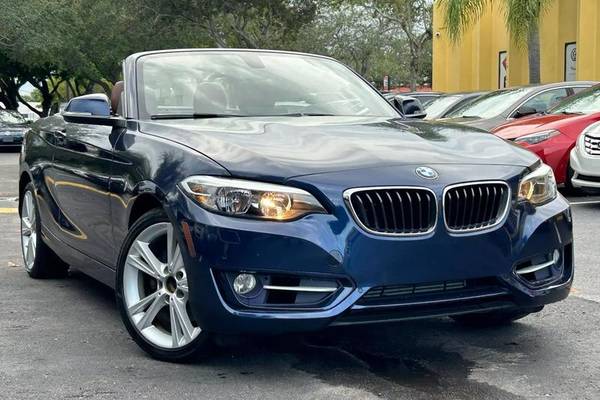
Located in Pompano Beach, FL / 965 miles away from Columbus, OH
Quality Pre-Owned Vehicles - Low Downpayments Available - Easy Finance for All - Warranty Available!Vehículos de Segunda Mano de Calidad - Bajo...
Accident Free Vehicle: No
Personal Use Only: Yes
History Provider: AutoCheck
Title Details: Clean Title
Salvage Vehicle: No
Frame Damage: No
Theft History: No
Lemon Status: No
Free History Report: No
Features and Specs:
27 Combined MPG (23 City/34 Highway)
Listing Information:
VIN: WBA1K5C52FV242882
Stock: 242882
Certified Pre-Owned: No
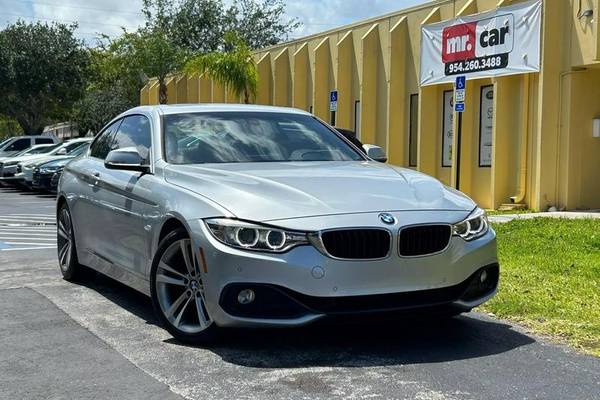
Located in Pompano Beach, FL / 965 miles away from Columbus, OH
Quality Pre-Owned Vehicles - Low Downpayments Available - Easy Finance for All - Warranty Available!Vehículos de Segunda Mano de Calidad - Bajo...
Accident Free Vehicle: No
Personal Use Only: Yes
History Provider: AutoCheck
Title Details: Clean Title
Salvage Vehicle: No
Frame Damage: No
Theft History: No
Lemon Status: No
Free History Report: No
Features and Specs:
27 Combined MPG (23 City/34 Highway)
Listing Information:
VIN: WBA4R7C58HK876514
Stock: 876514
Certified Pre-Owned: No
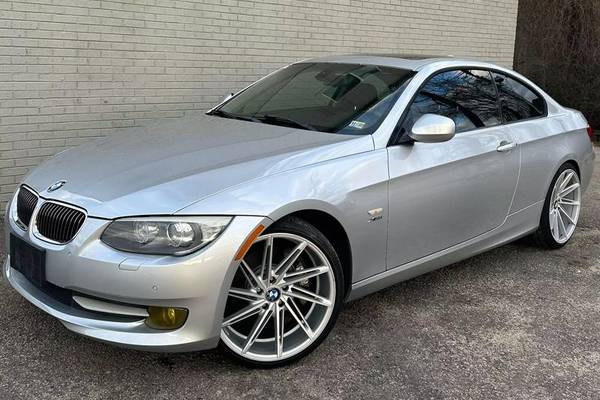
Located in Raleigh, NC / 373 miles away from Columbus, OH
Accident Free Vehicle: No
Personal Use Only: Yes
History Provider: AutoCheck
Title Details: Clean Title
Salvage Vehicle: No
Frame Damage: No
Theft History: No
Lemon Status: No
Free History Report: No
Features and Specs:
22 Combined MPG (19 City/26 Highway)
Listing Information:
VIN: WBAKF9C55BE671850
Stock: 671850
Certified Pre-Owned: No
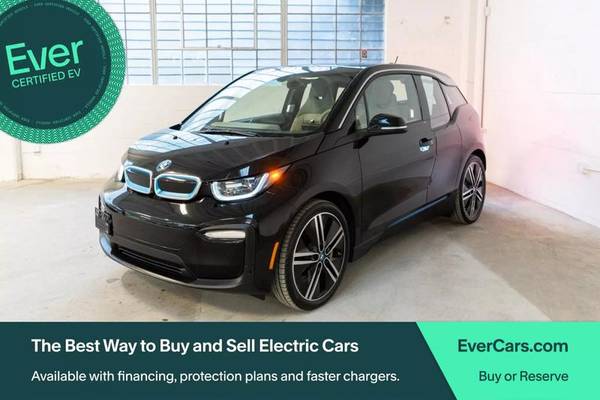
Located in San Francisco, CA / 2,114 miles away from Columbus, OH
EVER CERTIFIED electric vehicle. Tested for battery health. Inspected by ASE-certified, EV-expert mechanics. Comes with a home charger, 7-day/500-mile...
Accident Free Vehicle: Yes
Personal Use Only: Yes
History Provider: AutoCheck
Title Details: Clean Title
Salvage Vehicle: No
Frame Damage: No
Theft History: No
Lemon Status: No
Free History Report: No
Features and Specs:
Listing Information:
VIN: WBY8P2C06L7G53029
Stock: G53029
Certified Pre-Owned: No
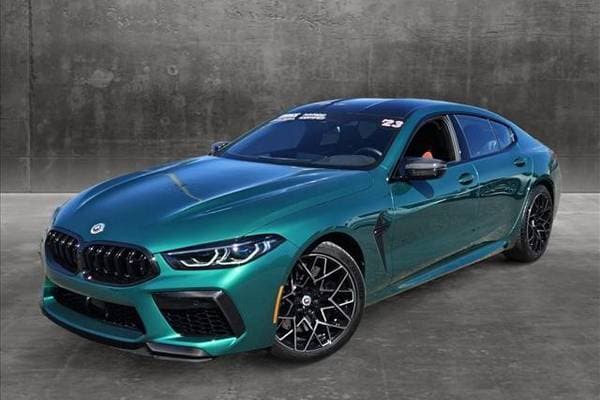
Located in Tucson, AZ / 1,650 miles away from Columbus, OH
M Carbon Exterior Package Black W/Sakhir Orange; Full Leather Merino/Alcantara Upholstery Driving Assistance Professional Package Ash Black Silver Woo...
Accident Free Vehicle: Yes
Personal Use Only: Yes
History Provider: AutoCheck
Title Details: Clean Title
Salvage Vehicle: No
Frame Damage: No
Theft History: No
Lemon Status: No
Free History Report: No
Features and Specs:
17 Combined MPG (15 City/22 Highway)
Listing Information:
VIN: WBSGV0C04PCL91876
Stock: PCL91876
Certified Pre-Owned: Yes
Listed since: 04-01-2024

Located in Carlsbad, CA / 1,958 miles away from Columbus, OH
Bmw Individual Composition Executive Package Driving Assistance Professional Package Dravit Grey Metallic Premium Package Wheels: 21" M Aerodynamic Je...
Accident Free Vehicle: Yes
Personal Use Only: Yes
History Provider: AutoCheck
Title Details: Clean Title
Salvage Vehicle: No
Frame Damage: No
Theft History: No
Lemon Status: No
Free History Report: No
Features and Specs:
28 Combined MPG (25 City/31 Highway)
Listing Information:
VIN: WBA23EH03RCP32374
Stock: RCP32374
Certified Pre-Owned: No
Listed since: 05-04-2024

Located in Alhambra, CA / 1,974 miles away from Columbus, OH
Navigation, Heated Seats, iPod/MP3 Input, Alloy Wheels, Back-Up Camera, Satellite Radio.KEY FEATURES INCLUDENavigation, Heated Driver Seat, Back-Up Ca...
Accident Free Vehicle: Yes
Personal Use Only: Yes
History Provider: AutoCheck
Title Details: Clean Title
Salvage Vehicle: No
Frame Damage: No
Theft History: No
Lemon Status: No
Free History Report: No
Features and Specs:
31 Combined MPG (30 City/31 Highway)
Listing Information:
VIN: WBY8P4C01M7H33383
Stock: P14648
Certified Pre-Owned: Yes
Listed since: 02-05-2024

Located in Alhambra, CA / 1,974 miles away from Columbus, OH
Only 39,028 Miles! Delivers 25 Highway MPG and 18 City MPG! Dealer Certified Pre-Owned. This BMW M850XI delivers a Twin Turbo Premium Unleaded V-8 4.4...
Accident Free Vehicle: Yes
Personal Use Only: Yes
History Provider: AutoCheck
Title Details: Clean Title
Salvage Vehicle: No
Frame Damage: No
Theft History: No
Lemon Status: No
Free History Report: No
Features and Specs:
20 Combined MPG (18 City/25 Highway)
Listing Information:
VIN: WBABC4C00LCE61625
Stock: 449377A
Certified Pre-Owned: Yes
Listed since: 03-08-2024
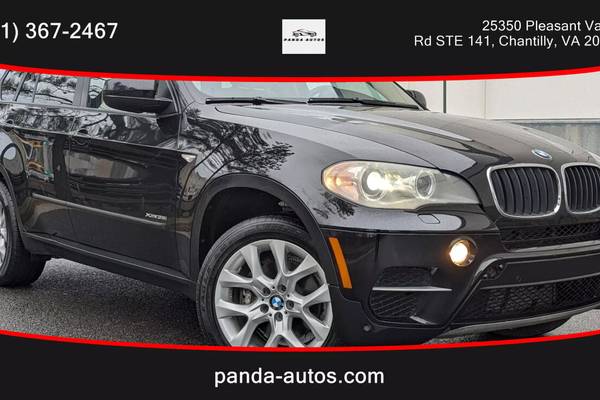
Located in Chantilly, VA / 297 miles away from Columbus, OH
Our 2012 BMW X5 xDrive35i is: Non-smoker owner, Vehicle Runs Well, Smooth ride, Always parked indoors, New tires, All records in possession, Upgraded ...
Accident Free Vehicle: No
Personal Use Only: Yes
History Provider: AutoCheck
Title Details: Clean Title
Salvage Vehicle: No
Frame Damage: No
Theft History: No
Lemon Status: No
Free History Report: No
Features and Specs:
19 Combined MPG (16 City/23 Highway)
Listing Information:
VIN: 5UXZV4C53CL744877
Stock: K4877B
Certified Pre-Owned: No
Listed since: 02-23-2024

Located in Naples, FL / 962 miles away from Columbus, OH
**LOCAL TRADE-IN, **ONE OWNER, **KEYLESS GO, 2023 BMW 230i MINERAL WHITE METALLIC WITH BLACK INTERIOR, EQUIPPED WITH PARKING ASSISTANCE PACKAGE, SURRO...
Accident Free Vehicle: No
Personal Use Only: Yes
History Provider: AutoCheck
Title Details: Clean Title
Salvage Vehicle: No
Frame Damage: No
Theft History: No
Lemon Status: No
Free History Report: No
Features and Specs:
29 Combined MPG (26 City/35 Highway)
Listing Information:
VIN: 3MW23CM0XP8D59235
Stock: 013671A
Certified Pre-Owned: No
Listed since: 05-10-2024
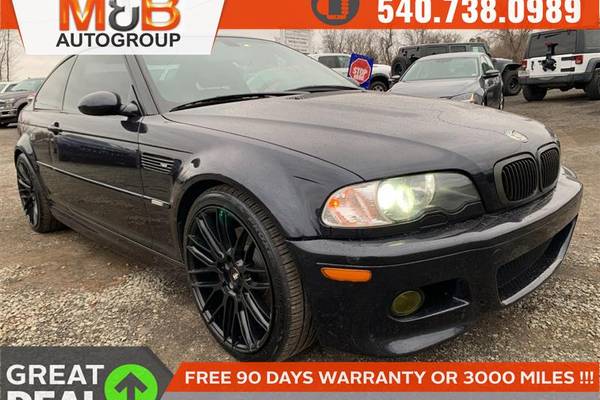
Located in Bealeton, VA / 288 miles away from Columbus, OH
2006 BMW 3 SERIES REAR WHEEL DRIVE with powerful 3.2L DOHC 24-VALVE I6 W/VARIABLE VALVE TIMING engine and driven 83850 miles!CARFAX CERTIFIED**FINAN...
Accident Free Vehicle: Yes
Personal Use Only: No
History Provider: AutoCheck
Title Details: Clean Title
Salvage Vehicle: No
Frame Damage: No
Theft History: No
Lemon Status: No
Free History Report: No
Features and Specs:
17 Combined MPG (14 City/22 Highway)
Listing Information:
VIN: WBSBL93406PN64811
Stock: mda4686
Certified Pre-Owned: No
* Delivery of any kind does not apply to Alaska and Hawaii. Contact the dealer for delivery details, restrictions and costs.