Used BMW for Sale Near Me
Describe what you’re looking for
BETA
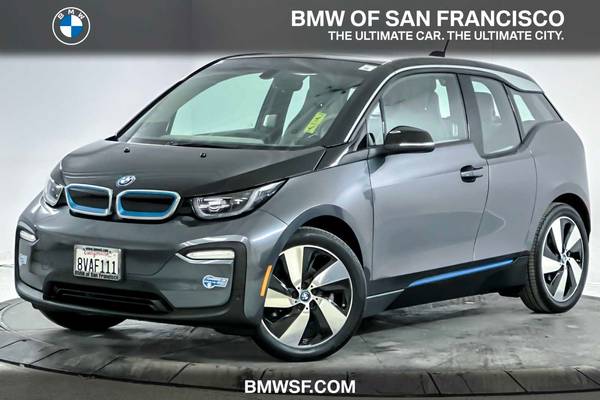
Located in San Francisco, CA / 2,115 miles away from Columbus, OH
Mineral Grey w/ BMW i Blue exterior and Mega Carum Spice Grey Sensa interior. Heated Seats, Moonroof, Nav System, Satellite Radio, iPod/MP3 Input, MEG...
Accident Free Vehicle: Yes
Personal Use Only: Yes
History Provider: AutoCheck
Title Details: Clean Title
Salvage Vehicle: No
Frame Damage: No
Theft History: No
Lemon Status: No
Free History Report: No
Features and Specs:
31 Combined MPG (30 City/31 Highway)
Listing Information:
VIN: WBY8P4C03L7G65120
Stock: L7G65120CL
Certified Pre-Owned: Yes
Listed since: 02-27-2024
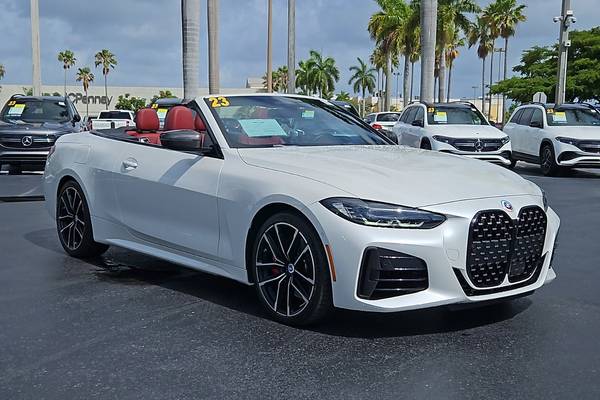
Located in Cutler Bay, FL / 1,010 miles away from Columbus, OH
CARFAX One-Owner. Clean CARFAX. Priced below KBB Fair Purchase Price! Mineral White Metallic 2023 BMW 4 Series M440i xDriveThis vehicle's options incl...
Accident Free Vehicle: Yes
Personal Use Only: Yes
History Provider: AutoCheck
Title Details: Clean Title
Salvage Vehicle: No
Frame Damage: No
Theft History: No
Lemon Status: No
Free History Report: No
Features and Specs:
25 Combined MPG (22 City/31 Highway)
Listing Information:
VIN: WBA63AT05PCL91865
Stock: UL91865
Certified Pre-Owned: No
Listed since: 04-20-2024
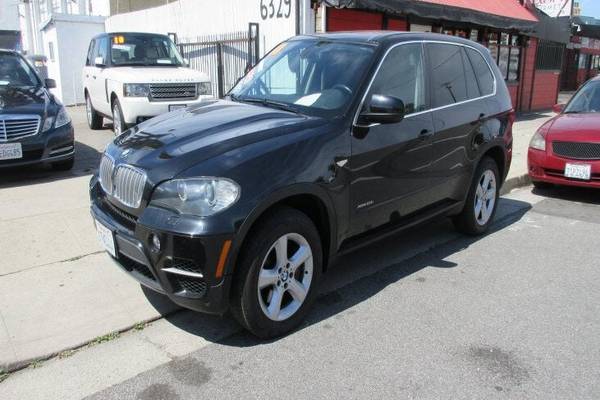
Located in North Hollywood, CA / 1,985 miles away from Columbus, OH
A/C blows ice cold, paint is nice and shining, leather in good condition, xenon head lights, Navigation, Back up camera, power rear gate, Financing ...
Accident Free Vehicle: Yes
Personal Use Only: Yes
History Provider: AutoCheck
Title Details: Clean Title
Salvage Vehicle: No
Frame Damage: No
Theft History: No
Lemon Status: No
Free History Report: No
Features and Specs:
16 Combined MPG (14 City/20 Highway)
Listing Information:
VIN: 5UXZV8C55BLL67572
Stock: 2038
Certified Pre-Owned: No
Listed since: 11-18-2023

Located in Riverdale, NJ / 454 miles away from Columbus, OH
Skyscraper Gray Metallic 2023 BMW M3 Base RWD 6-Speed Manual 3.0L I6 Turbocharged DOHC 24V LEV3-ULEV70 473hp Front and rear parking sensors, Power fol...
Accident Free Vehicle: Yes
Personal Use Only: Yes
History Provider: AutoCheck
Title Details: Clean Title
Salvage Vehicle: No
Frame Damage: No
Theft History: No
Lemon Status: No
Free History Report: No
Features and Specs:
19 Combined MPG (16 City/23 Highway)
Listing Information:
VIN: WBS53AY03PFN48615
Stock: N48615T01
Certified Pre-Owned: No
Listed since: 05-03-2024

Located in Hazelwood, MO / 410 miles away from Columbus, OH
10 Speakers, 4-Wheel Disc Brakes, ABS brakes, Air Conditioning, Alloy wheels, AM/FM radio: SiriusXM, Apple CarPlay & Android Auto Compatibility, Auto-...
Accident Free Vehicle: Yes
Personal Use Only: Yes
History Provider: AutoCheck
Title Details: Clean Title
Salvage Vehicle: No
Frame Damage: No
Theft History: No
Lemon Status: No
Free History Report: No
Features and Specs:
28 Combined MPG (25 City/33 Highway)
Listing Information:
VIN: 3MW33CM0XR8D89875
Stock: H240717A
Certified Pre-Owned: No
Listed since: 01-29-2024

Located in Carlsbad, CA / 1,958 miles away from Columbus, OH
Premium Package Driving Assistance Plus Package Black W/Contrast Stitch; Vernasca Leather Upholstery Panoramic Moonroof Harman/Kardon Surround Sound S...
Accident Free Vehicle: Yes
Personal Use Only: Yes
History Provider: AutoCheck
Title Details: Clean Title
Salvage Vehicle: No
Frame Damage: No
Theft History: No
Lemon Status: No
Free History Report: No
Features and Specs:
24 Combined MPG (21 City/27 Highway)
Listing Information:
VIN: 5UXTS1C08L9D40782
Stock: L9D40782
Certified Pre-Owned: Yes
Listed since: 04-16-2024

Located in Winter Park, FL / 795 miles away from Columbus, OH
This Deep Sea Blue Metallic 2014 BMW X1 sDrive28i would be a welcomed addition to your family/business. No Accidents! <h4 class="vc_build_package_na...
Accident Free Vehicle: Yes
Personal Use Only: Yes
History Provider: AutoCheck
Title Details: Clean Title
Salvage Vehicle: No
Frame Damage: No
Theft History: No
Lemon Status: No
Free History Report: No
Features and Specs:
28 Combined MPG (24 City/34 Highway)
Listing Information:
VIN: WBAVM1C55EVW51039
Stock: EVW51039
Certified Pre-Owned: No
Listed since: 03-15-2024
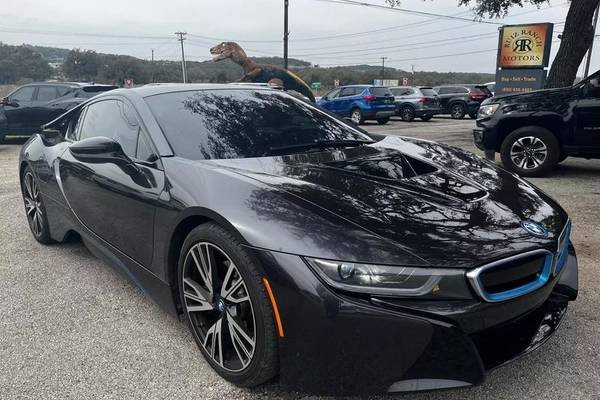
Located in Spring Branch, TX / 1,127 miles away from Columbus, OH
Thank you for visiting our Inventory!Please contact us if there is any questions that we can assist you with.Tino Ruiz 8**.4**.4***
Accident Free Vehicle: No
Personal Use Only: Yes
History Provider: AutoCheck
Title Details: Clean Title
Salvage Vehicle: No
Frame Damage: No
Theft History: No
Lemon Status: No
Free History Report: No
Features and Specs:
28 Combined MPG (N/A City/N/A Highway)
Listing Information:
VIN: WBY2Z2C53GV676052
Stock: 676052
Certified Pre-Owned: No
Listed since: 01-19-2024

Located in Vienna, VA / 310 miles away from Columbus, OH
Black Leather, 10 Speakers, ABS brakes, Automatic temperature control, Brake assist, Delay-off headlights, Fully automatic headlights, harman/kardon S...
Accident Free Vehicle: No
Personal Use Only: No
History Provider: AutoCheck
Title Details: Clean Title
Salvage Vehicle: No
Frame Damage: No
Theft History: No
Lemon Status: No
Free History Report: No
Features and Specs:
21 Combined MPG (18 City/27 Highway)
Listing Information:
VIN: 5UXKR0C52F0K71946
Stock: 0010293B
Certified Pre-Owned: No
Listed since: 04-03-2024

Located in Roseville, CA / 2,037 miles away from Columbus, OH
At EchoPark, it’s all about offering you options for a happy experience. We have thousands of new-to-you makes and models that range from sedans to tr...
Accident Free Vehicle: Yes
Personal Use Only: Yes
History Provider: AutoCheck
Title Details: Clean Title
Salvage Vehicle: No
Frame Damage: No
Theft History: No
Lemon Status: No
Free History Report: No
Features and Specs:
28 Combined MPG (24 City/33 Highway)
Listing Information:
VIN: WBA53AK00M7J33805
Stock: PM7J33805
Certified Pre-Owned: No
Listed since: 03-27-2024

Located in Valencia, CA / 1,988 miles away from Columbus, OH
The following items have been reconditioned on this vehicle: new pair of tires! M Sport Package Premium Package Wheels: 22" M Double-Spoke Black (S...
Accident Free Vehicle: Yes
Personal Use Only: Yes
History Provider: AutoCheck
Title Details: Clean Title
Salvage Vehicle: No
Frame Damage: No
Theft History: No
Lemon Status: No
Free History Report: No
Features and Specs:
23 Combined MPG (21 City/26 Highway)
Listing Information:
VIN: 5UXCR4C03M9G05221
Stock: M9G05221
Certified Pre-Owned: No
Listed since: 04-16-2024

Located in Santa Ana, CA / 1,968 miles away from Columbus, OH
Certified Preowned 2021 BMW X5 sDrive40i. Well equipped with Parking Assistance Package, Xline, Convenience Package and much more. BMW financial is c...
Accident Free Vehicle: Yes
Personal Use Only: Yes
History Provider: AutoCheck
Title Details: Clean Title
Salvage Vehicle: No
Frame Damage: No
Theft History: No
Lemon Status: No
Free History Report: No
Features and Specs:
23 Combined MPG (21 City/26 Highway)
Listing Information:
VIN: 5UXCR4C05M9G74850
Stock: 611982T
Certified Pre-Owned: Yes
Listed since: 04-24-2024
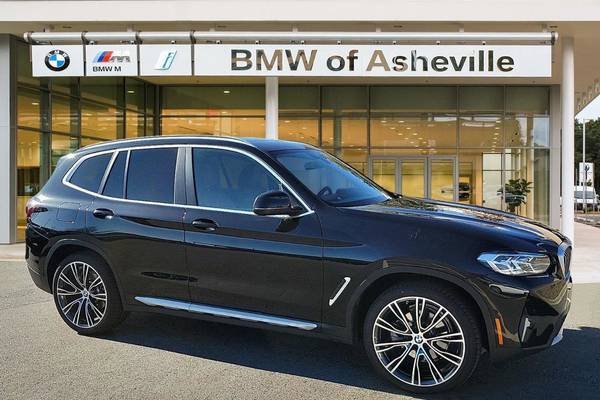
Located in Arden, NC / 316 miles away from Columbus, OH
All Wheel Drive** Convenience and Parking Assistance Packages **Connected Package Pro** Hifi Sound System** Active Driving Assistant** Satellite Radio...
Accident Free Vehicle: Yes
Personal Use Only: Yes
History Provider: AutoCheck
Title Details: Clean Title
Salvage Vehicle: No
Frame Damage: No
Theft History: No
Lemon Status: No
Free History Report: No
Features and Specs:
24 Combined MPG (21 City/28 Highway)
Listing Information:
VIN: 5UX53DP00R9T71970
Stock: D71970
Certified Pre-Owned: No
Listed since: 03-13-2024

Located in Devon, PA / 393 miles away from Columbus, OH
Heated Seats, All Wheel Drive, Sunroof/Moonroof, Heads Up Display, Rearview Camera!, Original MSRP $107145, Remote Engine Start, Second-Row Captain's ...
Accident Free Vehicle: Yes
Personal Use Only: Yes
History Provider: AutoCheck
Title Details: Clean Title
Salvage Vehicle: No
Frame Damage: No
Theft History: No
Lemon Status: No
Free History Report: No
Features and Specs:
17 Combined MPG (15 City/21 Highway)
Listing Information:
VIN: 5UXCX6C00N9K97960
Stock: 2500081
Certified Pre-Owned: Yes
Listed since: 04-20-2024

Located in Spring Valley, NY / 468 miles away from Columbus, OH
BMW X3 xDrive30i AWD ***ACCIDENT FREE CAR FAX***, ***ONE OWNER***, 8-Speed Automatic Sport, Apple CarPlay & Android Auto Compatibility, Connected Pack...
Accident Free Vehicle: No
Personal Use Only: Yes
History Provider: AutoCheck
Title Details: Clean Title
Salvage Vehicle: No
Frame Damage: No
Theft History: No
Lemon Status: No
Free History Report: No
Features and Specs:
25 Combined MPG (23 City/29 Highway)
Listing Information:
VIN: 5UXTY5C06M9G33412
Stock: U39876
Certified Pre-Owned: No
Listed since: 03-12-2024

Located in Fort Washington, PA / 404 miles away from Columbus, OH
Black Sapphire Metallic 2019 BMW 5 Series 530i xDrive AWD 8-Speed Automatic 2.0L 4-Cylinder AWD, Black w/Dakota Leather Upholstery, Active Driving Ass...
Accident Free Vehicle: Yes
Personal Use Only: Yes
History Provider: AutoCheck
Title Details: Clean Title
Salvage Vehicle: No
Frame Damage: No
Theft History: No
Lemon Status: No
Free History Report: No
Features and Specs:
27 Combined MPG (23 City/33 Highway)
Listing Information:
VIN: WBAJA7C52KG910547
Stock: B241172A
Certified Pre-Owned: Yes
Listed since: 03-15-2024
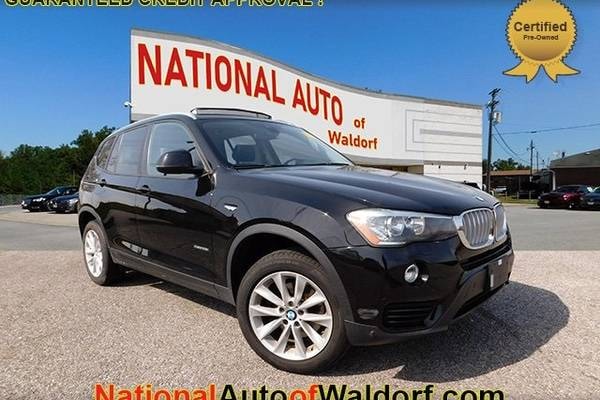
Located in Waldorf, MD / 333 miles away from Columbus, OH
8-Speed Automatic. Come by National Auto of Waldorf and ride away in a sweet ride. Please call us at 240-585-7300 to schedule a test drive. All prices...
Accident Free Vehicle: Yes
Personal Use Only: Yes
History Provider: AutoCheck
Title Details: Clean Title
Salvage Vehicle: No
Frame Damage: No
Theft History: No
Lemon Status: No
Free History Report: No
Features and Specs:
24 Combined MPG (21 City/28 Highway)
Listing Information:
VIN: 5UXWX9C34H0W72198
Stock: W72198
Certified Pre-Owned: No
Listed since: 03-21-2024
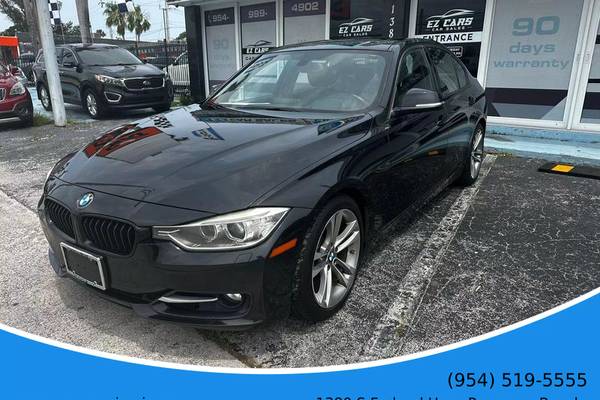
Located in Pompano Beach, FL / 969 miles away from Columbus, OH
Welcome to EZ CARS! When the banks say NO, we say YES! Every credit application is accepted. Come by today and find the car of your dreams at a price ...
Accident Free Vehicle: No
Personal Use Only: Yes
History Provider: AutoCheck
Title Details: Clean Title
Salvage Vehicle: No
Frame Damage: No
Theft History: No
Lemon Status: No
Free History Report: No
Features and Specs:
26 Combined MPG (22 City/34 Highway)
Listing Information:
VIN: WBA3C1C59DF436685
Stock: acd-436685
Certified Pre-Owned: No

Located in Beaverton, OR / 2,041 miles away from Columbus, OH
Priced below KBB Fair Purchase Price! Carbon Black Metallic 2017 BMW X3 xDrive35i AWD 8-Speed Automatic 3.0L I6 DOHC 24V TwinPower Turbo Fresh Oil C...
Accident Free Vehicle: No
Personal Use Only: Yes
History Provider: AutoCheck
Title Details: Clean Title
Salvage Vehicle: No
Frame Damage: No
Theft History: No
Lemon Status: No
Free History Report: No
Features and Specs:
21 Combined MPG (19 City/26 Highway)
Listing Information:
VIN: 5UXWX7C54H0U42828
Stock: CSP2617A
Certified Pre-Owned: No
Listed since: 11-09-2023

Located in Winter Park, FL / 795 miles away from Columbus, OH
This Jet Black 2020 BMW 4 Series 430i would be a welcomed addition to your family/business. No Accidents! One Owner! <h4 class="vc_build_package_nam...
Accident Free Vehicle: Yes
Personal Use Only: Yes
History Provider: AutoCheck
Title Details: Clean Title
Salvage Vehicle: No
Frame Damage: No
Theft History: No
Lemon Status: No
Free History Report: No
Features and Specs:
27 Combined MPG (23 City/34 Highway)
Listing Information:
VIN: WBA4J1C01LBU67790
Stock: LBU67790
Certified Pre-Owned: No
Listed since: 02-27-2024

Located in Winter Park, FL / 795 miles away from Columbus, OH
This Glacier Silver Metallic 2018 BMW 530I 530i would be a welcomed addition to your family/business. No Accidents! One Owner! This 530I has the fol...
Accident Free Vehicle: Yes
Personal Use Only: Yes
History Provider: AutoCheck
Title Details: Clean Title
Salvage Vehicle: No
Frame Damage: No
Theft History: No
Lemon Status: No
Free History Report: No
Features and Specs:
27 Combined MPG (24 City/34 Highway)
Listing Information:
VIN: WBAJA5C56JWA36246
Stock: JWA36246
Certified Pre-Owned: No
Listed since: 03-15-2024
