Used Mercedes-Benz for Sale Near Me
Describe what you’re looking for
BETA

Located in Houston, TX / 996 miles away from Columbus, OH
2016 Mercedes-Benz C-Class C 300 Base 25/34 City/Highway MPG Steel Gray Metallic 2016 Mercedes-Benz 4D Sedan C-Class C 300 7G-TRONIC PLUS 7-Speed A...
Accident Free Vehicle: No
Personal Use Only: No
History Provider: AutoCheck
Title Details: Clean Title
Salvage Vehicle: No
Frame Damage: No
Theft History: No
Lemon Status: No
Free History Report: No
Features and Specs:
28 Combined MPG (25 City/34 Highway)
Listing Information:
VIN: 55SWF4JBXGU129941
Stock: 129941
Certified Pre-Owned: No
Listed since: 04-02-2024
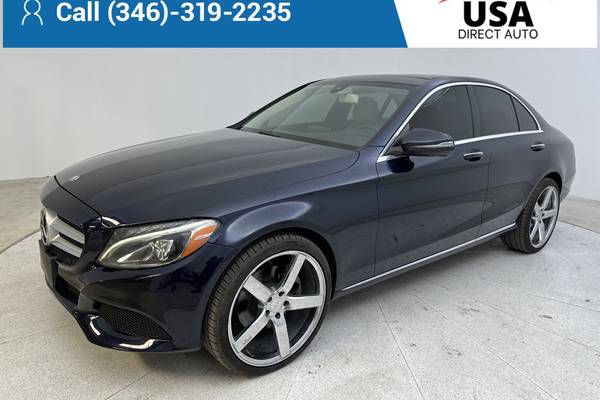
Located in Houston, TX / 996 miles away from Columbus, OH
2017 Mercedes-Benz C-Class C 300 4MATIC® Clean CARFAX. 4MATIC®. 24/31 City/Highway MPG Blue 2017 Mercedes-Benz 4D Sedan C-Class C 300 7G-TRONIC PL...
Accident Free Vehicle: Yes
Personal Use Only: Yes
History Provider: AutoCheck
Title Details: Clean Title
Salvage Vehicle: No
Frame Damage: No
Theft History: No
Lemon Status: No
Free History Report: No
Features and Specs:
27 Combined MPG (24 City/31 Highway)
Listing Information:
VIN: 55SWF4KB3HU181458
Stock: R181458
Certified Pre-Owned: No
Listed since: 08-07-2023
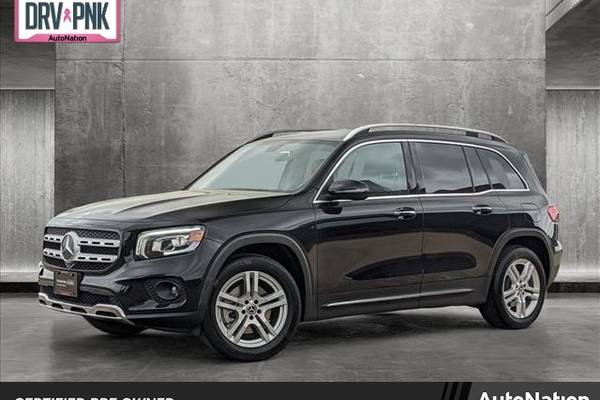
Located in Houston, TX / 1,006 miles away from Columbus, OH
Premium Package Panorama Roof Parking Assistance Package Wheels: 7.5J X 19" 10-Spoke W/Matte Black Accents Panoramic Roof Heated Front Seats 64-Color ...
Accident Free Vehicle: Yes
Personal Use Only: Yes
History Provider: AutoCheck
Title Details: Clean Title
Salvage Vehicle: No
Frame Damage: No
Theft History: No
Lemon Status: No
Free History Report: No
Features and Specs:
27 Combined MPG (24 City/32 Highway)
Listing Information:
VIN: W1N4M4GB3PW329649
Stock: PW329649
Certified Pre-Owned: Yes
Listed since: 03-06-2024
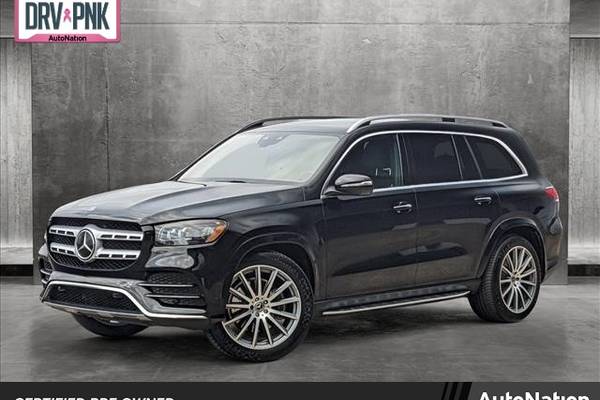
Located in Houston, TX / 1,006 miles away from Columbus, OH
The following items have been reconditioned on this vehicle: new pair of tires! E-Active Body Control Package Driver Assistance Package Plus Wheels...
Accident Free Vehicle: Yes
Personal Use Only: Yes
History Provider: AutoCheck
Title Details: Clean Title
Salvage Vehicle: No
Frame Damage: No
Theft History: No
Lemon Status: No
Free History Report: No
Features and Specs:
18 Combined MPG (16 City/21 Highway)
Listing Information:
VIN: 4JGFF8GEXMA382669
Stock: MA382669
Certified Pre-Owned: Yes
Listed since: 02-08-2024
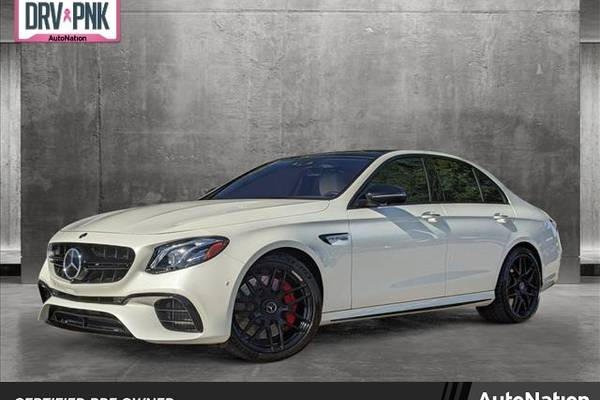
Located in Houston, TX / 1,006 miles away from Columbus, OH
Sun/Moonroof Leather Seats Navigation System Keyless Start Rear Spoiler Cooled Front Seat(S) This vehicle includes a Money-Back Guarantee* and passe...
Accident Free Vehicle: Yes
Personal Use Only: Yes
History Provider: AutoCheck
Title Details: Clean Title
Salvage Vehicle: No
Frame Damage: No
Theft History: No
Lemon Status: No
Free History Report: No
Features and Specs:
18 Combined MPG (15 City/23 Highway)
Listing Information:
VIN: WDDZF8KB4KA510969
Stock: KA510969
Certified Pre-Owned: Yes
Listed since: 04-20-2024

Located in Houston, TX / 1,006 miles away from Columbus, OH
The following items have been reconditioned on this vehicle: new brakes and all new tires! Panoramic Roof Leather Seats Navigation System Keyless S...
Accident Free Vehicle: Yes
Personal Use Only: Yes
History Provider: AutoCheck
Title Details: Clean Title
Salvage Vehicle: No
Frame Damage: No
Theft History: No
Lemon Status: No
Free History Report: No
Features and Specs:
18 Combined MPG (16 City/23 Highway)
Listing Information:
VIN: W1KZH8KB8MA987563
Stock: MA987563
Certified Pre-Owned: Yes
Listed since: 04-05-2024
Located in Houston, TX / 1,006 miles away from Columbus, OH
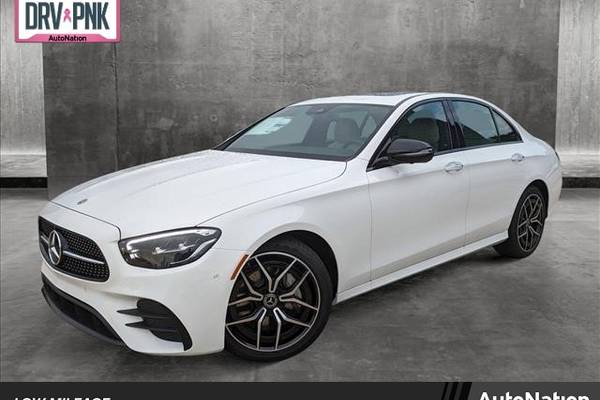
Premium Package Amg ® Line Exterior Wheels: 19" X 8.0J Amg ® Twin 5-Spoke W/Black Accents Sun/Moonroof Navigation System Night Package Augment...
Accident Free Vehicle: Yes
Personal Use Only: Yes
History Provider: AutoCheck
Title Details: Clean Title
Salvage Vehicle: No
Frame Damage: No
Theft History: No
Lemon Status: No
Free History Report: No
Features and Specs:
26 Combined MPG (23 City/31 Highway)
Listing Information:
VIN: W1KZF8DB6PB175230
Stock: PB175230
Certified Pre-Owned: Yes
Listed since: 03-06-2024

Located in Houston, TX / 1,006 miles away from Columbus, OH
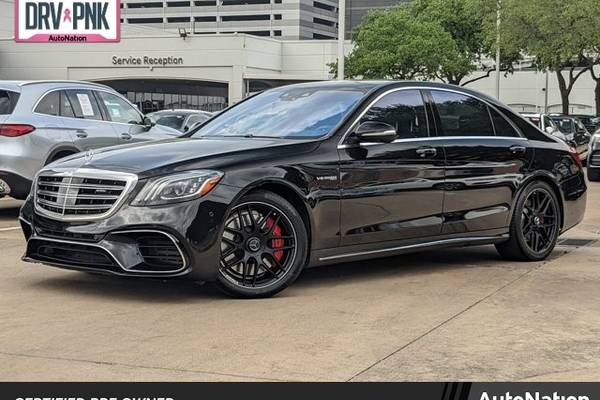
Sun/Moonroof Leather Seats Navigation System Lane Keeping Assist Keyless Start This vehicle includes a Money-Back Guarantee* and passed our precise ...
Accident Free Vehicle: Yes
Personal Use Only: Yes
History Provider: AutoCheck
Title Details: Clean Title
Salvage Vehicle: No
Frame Damage: No
Theft History: No
Lemon Status: No
Free History Report: No
Features and Specs:
14 Combined MPG (13 City/15 Highway)
Listing Information:
VIN: WDCYC7HJ0KX307480
Stock: KX307480
Certified Pre-Owned: Yes
Listed since: 04-05-2024
Located in Houston, TX / 1,006 miles away from Columbus, OH
The following items have been reconditioned on this vehicle: new tires! Burmester High-End 3D Surround Sound System Magic Sky Control Black; Exclus...
Accident Free Vehicle: Yes
Personal Use Only: Yes
History Provider: AutoCheck
Title Details: Clean Title
Salvage Vehicle: No
Frame Damage: No
Theft History: No
Lemon Status: No
Free History Report: No
Features and Specs:
20 Combined MPG (17 City/26 Highway)
Listing Information:
VIN: WDDUG8JB8KA445715
Stock: KA445715
Certified Pre-Owned: Yes
Listed since: 01-22-2024

Located in Houston, TX / 1,006 miles away from Columbus, OH
Premium Package Amg ® Line Exterior Wheels: 19" X 8.0J Amg ® Twin 5-Spoke W/Black Accents Sun/Moonroof Navigation System Night Package Augment...
Accident Free Vehicle: Yes
Personal Use Only: Yes
History Provider: AutoCheck
Title Details: Clean Title
Salvage Vehicle: No
Frame Damage: No
Theft History: No
Lemon Status: No
Free History Report: No
Features and Specs:
26 Combined MPG (23 City/31 Highway)
Listing Information:
VIN: W1KZF8DB4PB169572
Stock: PB169572
Certified Pre-Owned: Yes
Listed since: 03-06-2024
Located in Houston, TX / 1,006 miles away from Columbus, OH
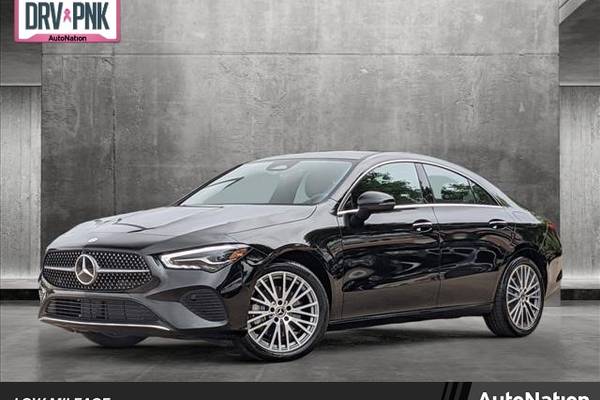
Panoramic Roof Solo Distronic Heated Front Seats Wheel Locking Bolts Keyless Start First Aid Kit Black; Mb-Tex Seat Trim Carbon Fibre Look Interior Tr...
Accident Free Vehicle: Yes
Personal Use Only: Yes
History Provider: AutoCheck
Title Details: Clean Title
Salvage Vehicle: No
Frame Damage: No
Theft History: No
Lemon Status: No
Free History Report: No
Features and Specs:
30 Combined MPG (26 City/36 Highway)
Listing Information:
VIN: W1K5J4GB7RN457198
Stock: RN457198
Certified Pre-Owned: Yes
Listed since: 04-03-2024
Located in Triangle, VA / 313 miles away from Columbus, OH
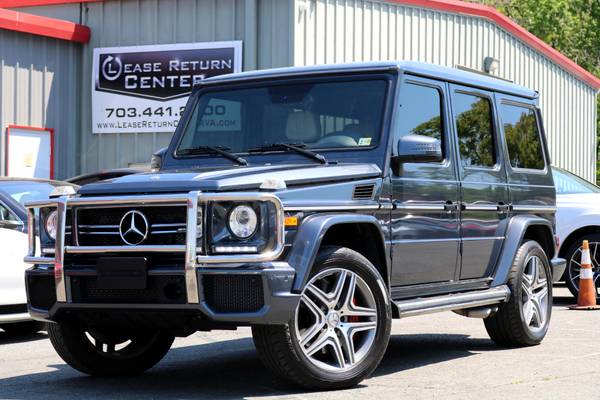
--WOW WHAT A GORGEOUS G63 AMG!!!--CLEAN CARFAX!--UPGRADED 20 WHEELS--RARE DESIGNO WHITE LEATHER INTERIOR!!!--RED AMG BRAKE CALIPERS--HEATED AND COOLED...
Accident Free Vehicle: Yes
Personal Use Only: Yes
History Provider: AutoCheck
Title Details: Clean Title
Salvage Vehicle: No
Frame Damage: No
Theft History: No
Lemon Status: No
Free History Report: No
Features and Specs:
13 Combined MPG (12 City/14 Highway)
Listing Information:
VIN: WDCYC7DF8FX241526
Stock: 41526
Certified Pre-Owned: No
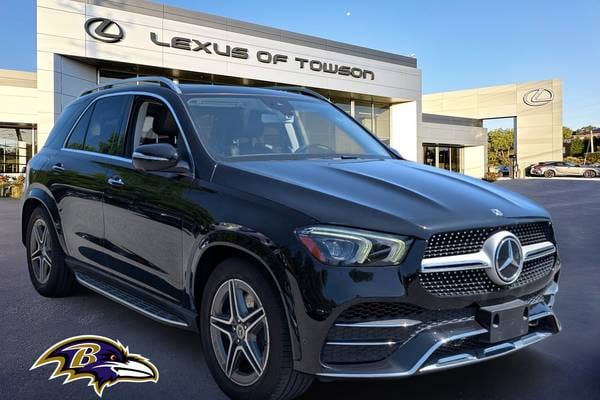
Located in Okemos, MI / 200 miles away from Columbus, OH
CARFAX One-Owner. Priced below KBB Fair Purchase Price! Black 2020 Mercedes-Benz Certified. GLE 4D Sport Utility GLE 580 4MATIC® 9-Speed Automatic 4.0...
Accident Free Vehicle: Yes
Personal Use Only: Yes
History Provider: AutoCheck
Title Details: Clean Title
Salvage Vehicle: No
Frame Damage: No
Theft History: No
Lemon Status: No
Free History Report: No
Features and Specs:
19 Combined MPG (17 City/21 Highway)
Listing Information:
VIN: 4JGFB8GBXLA177854
Stock: UM10003
Certified Pre-Owned: Yes
Listed since: 10-24-2023
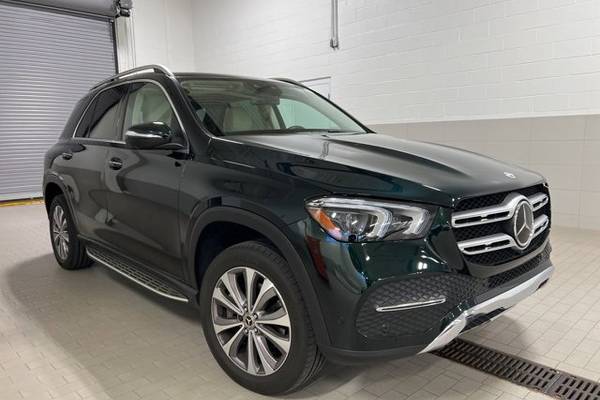
Located in Okemos, MI / 200 miles away from Columbus, OH
CARFAX One-Owner. Clean CARFAX. Odometer is 10822 miles below market average! Emerald Green Metallic 2022 Mercedes-Benz Certified. GLE 4D Sport Utilit...
Accident Free Vehicle: Yes
Personal Use Only: Yes
History Provider: AutoCheck
Title Details: Clean Title
Salvage Vehicle: No
Frame Damage: No
Theft History: No
Lemon Status: No
Free History Report: No
Features and Specs:
22 Combined MPG (19 City/26 Highway)
Listing Information:
VIN: 4JGFB4KB1NA699713
Stock: B24146A
Certified Pre-Owned: Yes
Listed since: 03-21-2024
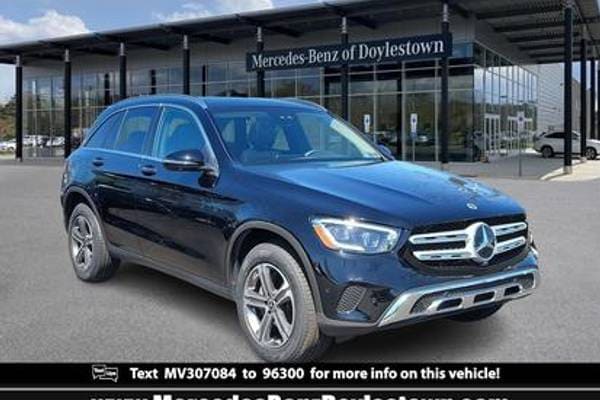
Located in Doylestown, PA / 408 miles away from Columbus, OH
10.25 Center Touchscreen Display, 4-Wheel Disc Brakes, 6 Speakers, 64-Color Ambient Lighting, ABS brakes, Adaptive Highbeam Assist, Air Conditioning, ...
Accident Free Vehicle: Yes
Personal Use Only: Yes
History Provider: AutoCheck
Title Details: Clean Title
Salvage Vehicle: No
Frame Damage: No
Theft History: No
Lemon Status: No
Free History Report: No
Features and Specs:
23 Combined MPG (21 City/28 Highway)
Listing Information:
VIN: W1N0G8EB1MV307084
Stock: MV307084
Certified Pre-Owned: Yes
Listed since: 04-11-2024

Located in Doylestown, PA / 408 miles away from Columbus, OH
15 Speakers, ABS brakes, Air Conditioning, All-Season Floor Mats, AMG Carbon Fiber Trim, AMG® Performance Nappa/DINAMICA Steering Wheel, AMG® Trail Pa...
Accident Free Vehicle: Yes
Personal Use Only: Yes
History Provider: AutoCheck
Title Details: Clean Title
Salvage Vehicle: No
Frame Damage: No
Theft History: No
Lemon Status: No
Free History Report: No
Features and Specs:
14 Combined MPG (13 City/15 Highway)
Listing Information:
VIN: W1NYC7HJ3LX342112
Stock: LX342112
Certified Pre-Owned: No
Listed since: 02-29-2024

Located in Naugatuck, CT / 524 miles away from Columbus, OH
- Sleek 2018 Mercedes-Benz C-Class C 300 in stunning silver exterior with luxurious black leather interior. - Powerful and efficient 2.0L 4 Cyl Turbo...
Accident Free Vehicle: Yes
Personal Use Only: No
History Provider: AutoCheck
Title Details: Clean Title
Salvage Vehicle: No
Frame Damage: No
Theft History: No
Lemon Status: No
Free History Report: No
Features and Specs:
27 Combined MPG (24 City/33 Highway)
Listing Information:
VIN: 55SWF4JB4JU241772
Stock: 241772A
Certified Pre-Owned: No

Located in Naugatuck, CT / 524 miles away from Columbus, OH
For sale at A Better Way Wholesale Autos - 2021 DealerRater Consumer Satisfaction Award winner - Connecticut's highest volume independent auto dealer!...
Accident Free Vehicle: No
Personal Use Only: Yes
History Provider: AutoCheck
Title Details: Clean Title
Salvage Vehicle: No
Frame Damage: No
Theft History: No
Lemon Status: No
Free History Report: No
Features and Specs:
22 Combined MPG (19 City/26 Highway)
Listing Information:
VIN: 4JGDF2EE8FA509266
Stock: 509266A
Certified Pre-Owned: No

Located in Naugatuck, CT / 524 miles away from Columbus, OH
1. Sophisticated 2018 Mercedes-Benz GLC 300 4MATIC with a sleek black exterior and luxurious tan leather interior. 2. Smooth ride and powerful perfor...
Accident Free Vehicle: No
Personal Use Only: No
History Provider: AutoCheck
Title Details: Clean Title
Salvage Vehicle: No
Frame Damage: No
Theft History: No
Lemon Status: No
Free History Report: No
Features and Specs:
24 Combined MPG (21 City/28 Highway)
Listing Information:
VIN: WDC0G4KB3JV085285
Stock: 85285A
Certified Pre-Owned: No
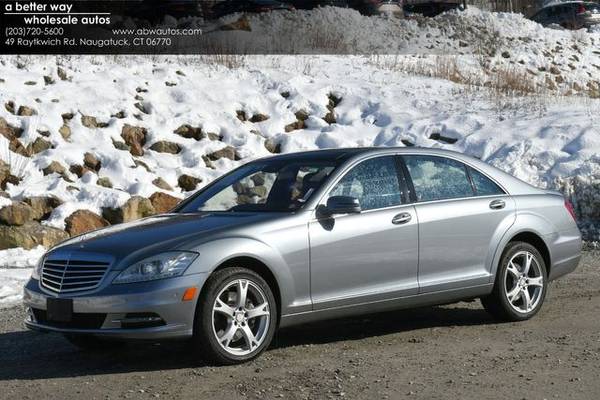
Located in Naugatuck, CT / 524 miles away from Columbus, OH
- Luxurious 2013 Mercedes-Benz S-Class S 550 4MATIC with a sleek gray exterior and plush black leather interior. - Impressive 4.6L V8 Twin Turbo engi...
Accident Free Vehicle: Yes
Personal Use Only: No
History Provider: AutoCheck
Title Details: Clean Title
Salvage Vehicle: No
Frame Damage: No
Theft History: No
Lemon Status: No
Free History Report: No
Features and Specs:
18 Combined MPG (15 City/24 Highway)
Listing Information:
VIN: WDDNG9EB3DA533689
Stock: 533689AL
Certified Pre-Owned: No
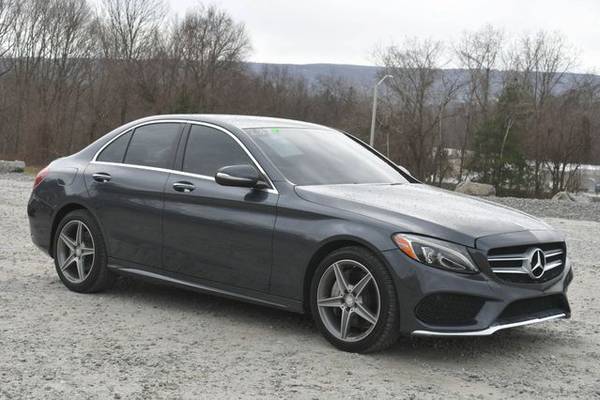
Located in Naugatuck, CT / 524 miles away from Columbus, OH
- Luxurious gray 2015 Mercedes-Benz C-Class C 400 4MATIC with tan leather interior - Impressive 3.0L V6 Twin Turbo engine offering 329hp for exhilara...
Accident Free Vehicle: No
Personal Use Only: No
History Provider: AutoCheck
Title Details: Clean Title
Salvage Vehicle: No
Frame Damage: No
Theft History: No
Lemon Status: No
Free History Report: No
Features and Specs:
24 Combined MPG (21 City/29 Highway)
Listing Information:
VIN: 55SWF6GB8FU018287
Stock: 18287AL
Certified Pre-Owned: No

