Used Lexus for Sale Near Me
Describe what you’re looking for
BETA

Located in Tampa, FL / 832 miles away from Columbus, OH
Blue Advantage Certified 139 point inspection.Recent Arrival! Priced below KBB Fair Purchase Price! Parchment w/NuLuxe Seat Trim, Panoramic Moonroof, ...
Accident Free Vehicle: Yes
Personal Use Only: Yes
History Provider: AutoCheck
Title Details: Clean Title
Salvage Vehicle: No
Frame Damage: No
Theft History: No
Lemon Status: No
Free History Report: No
Features and Specs:
23 Combined MPG (20 City/27 Highway)
Listing Information:
VIN: 2T2HZMAA9MC196339
Stock: MC196339
Certified Pre-Owned: No
Listed since: 04-25-2024
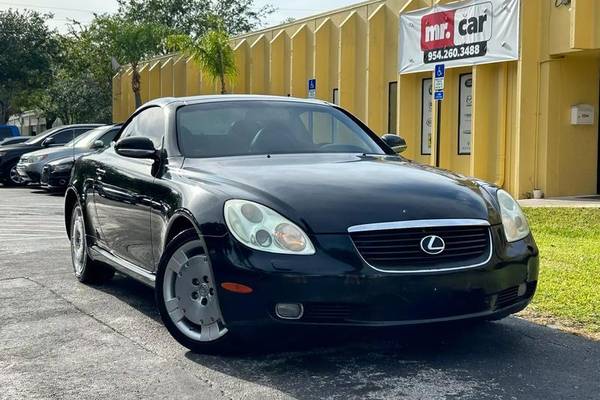
Located in Pompano Beach, FL / 965 miles away from Columbus, OH
Quality Pre-Owned Vehicles - Low Downpayments Available - Easy Finance for All - Warranty Available!Vehículos de Segunda Mano de Calidad - Bajo...
Accident Free Vehicle: No
Personal Use Only: Yes
History Provider: AutoCheck
Title Details: Clean Title
Salvage Vehicle: No
Frame Damage: No
Theft History: No
Lemon Status: No
Free History Report: No
Features and Specs:
18 Combined MPG (16 City/21 Highway)
Listing Information:
VIN: JTHFN48Y020034244
Stock: 034244
Certified Pre-Owned: No
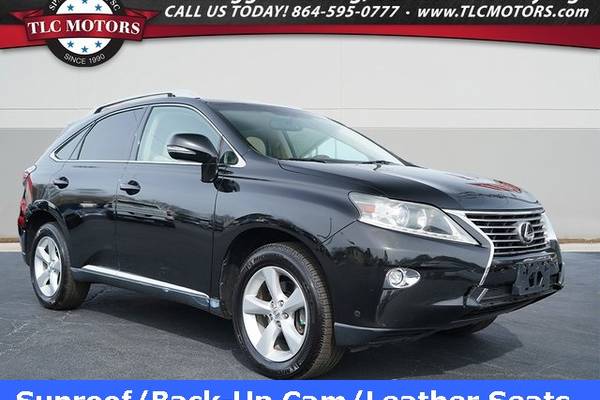
Located in Moore, SC / 358 miles away from Columbus, OH
**No Hassle Price**, **Moonroof/Sunroof**, **Bluetooth Equipped**, **Backup Camera**, **All-Wheel Drive**. Priced below KBB Fair Purchase Price! Why...
Accident Free Vehicle: No
Personal Use Only: No
History Provider: AutoCheck
Title Details: Clean Title
Salvage Vehicle: No
Frame Damage: No
Theft History: No
Lemon Status: No
Free History Report: No
Features and Specs:
20 Combined MPG (18 City/24 Highway)
Listing Information:
VIN: 2T2BK1BA6FC253526
Stock: EM3526
Certified Pre-Owned: No
Listed since: 02-22-2024
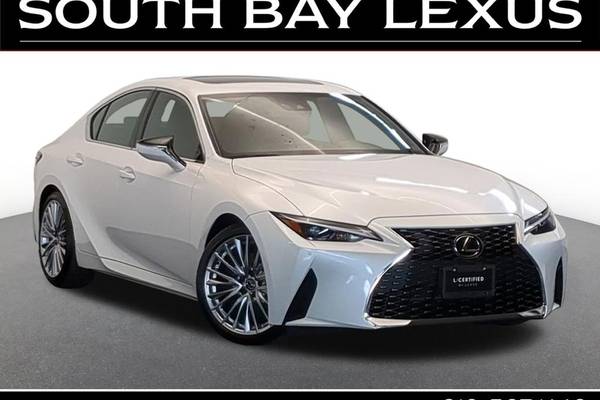
Located in Torrance, CA / 1,992 miles away from Columbus, OH
Clean CARFAX. CARFAX One-Owner.5.99% APR up to 72 months.Odometer is 1424 miles below market average! L/Certified by Lexus,, LOW MILES!!!, Intuitive P...
Accident Free Vehicle: Yes
Personal Use Only: Yes
History Provider: AutoCheck
Title Details: Clean Title
Salvage Vehicle: No
Frame Damage: No
Theft History: No
Lemon Status: No
Free History Report: No
Features and Specs:
25 Combined MPG (21 City/31 Highway)
Listing Information:
VIN: JTHDA1D25P5126043
Stock: U28274S
Certified Pre-Owned: Yes
Listed since: 04-12-2024
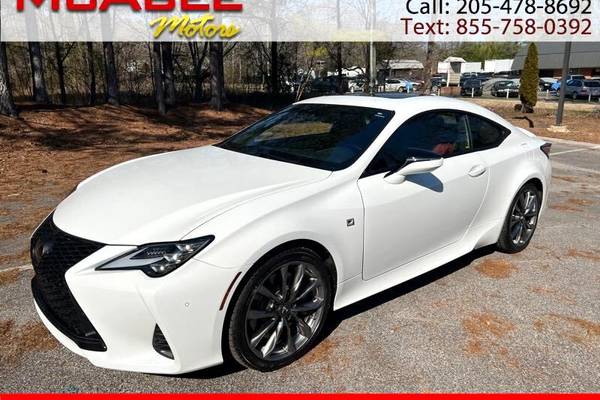
Located in Helena, AL / 517 miles away from Columbus, OH
Get ready to hit the road in style with this beaming Pearl White 2020 Lexus RC 350! This Carfax one owner beauty is not just a car, it's a statement. ...
Accident Free Vehicle: No
Personal Use Only: Yes
History Provider: AutoCheck
Title Details: Clean Title
Salvage Vehicle: No
Frame Damage: No
Theft History: No
Lemon Status: No
Free History Report: No
Features and Specs:
23 Combined MPG (20 City/28 Highway)
Listing Information:
VIN: JTHGZ5BC2L5022998
Stock: 2147
Certified Pre-Owned: No
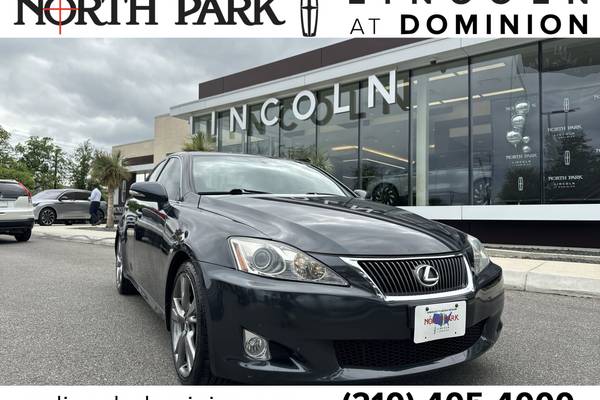
Located in San Antonio, TX / 1,144 miles away from Columbus, OH
Priced below KBB Fair Purchase Price! Odometer is 8901 miles below market average!What is Posted Pricing? Posted Pricing is our Competitive, Upfront, ...
Accident Free Vehicle: No
Personal Use Only: Yes
History Provider: AutoCheck
Title Details: Clean Title
Salvage Vehicle: No
Frame Damage: No
Theft History: No
Lemon Status: No
Free History Report: No
Features and Specs:
20 Combined MPG (18 City/25 Highway)
Listing Information:
VIN: JTHBE262895021952
Stock: 3U5021952
Certified Pre-Owned: No
Listed since: 03-19-2024

Located in Freeport, NY / 490 miles away from Columbus, OH
Certified. 2022 Lexus RX 350 AWD 8-Speed Automatic 3.5L V6 DOHC 24V Black AWD. CARFAX One-Owner. Priced below KBB Fair Purchase Price! 19/26 City/Hi...
Accident Free Vehicle: No
Personal Use Only: Yes
History Provider: AutoCheck
Title Details: Clean Title
Salvage Vehicle: No
Frame Damage: No
Theft History: No
Lemon Status: No
Free History Report: No
Features and Specs:
22 Combined MPG (19 City/26 Highway)
Listing Information:
VIN: 2T2HZMDA1NC311190
Stock: U22293
Certified Pre-Owned: Yes
Listed since: 04-11-2024

Located in Freeport, NY / 490 miles away from Columbus, OH
Certified. 2019 Lexus UX 250h Base AWD CVT 2.0L 16V DOHC Caviar 6 Speakers, Accessory Package 2, Alloy Wheel Locks, Alloy wheels, AM/FM radio: Sirius...
Accident Free Vehicle: Yes
Personal Use Only: Yes
History Provider: AutoCheck
Title Details: Clean Title
Salvage Vehicle: No
Frame Damage: No
Theft History: No
Lemon Status: No
Free History Report: No
Features and Specs:
39 Combined MPG (41 City/38 Highway)
Listing Information:
VIN: JTHU9JBH0K2013935
Stock: U21956
Certified Pre-Owned: Yes
Listed since: 01-26-2024

Located in Plano, TX / 912 miles away from Columbus, OH
Certified. 2023 Lexus ES 350 F Sport Iridium FWD 3.5L V6 DOHC 24V Clean CARFAX. Red/Red Leather, Adaptive Variable Suspension, F SPORT Handling Packag...
Accident Free Vehicle: Yes
Personal Use Only: Yes
History Provider: AutoCheck
Title Details: Clean Title
Salvage Vehicle: No
Frame Damage: No
Theft History: No
Lemon Status: No
Free History Report: No
Features and Specs:
25 Combined MPG (22 City/31 Highway)
Listing Information:
VIN: 58AJZ1B12PU151533
Stock: LPU151533
Certified Pre-Owned: Yes
Listed since: 04-04-2024

Located in Plano, TX / 912 miles away from Columbus, OH
Certified. Odometer is 19501 miles below market average! 2020 Lexus ES 350 Obsidian FWD 3.5L V6 DOHC Dual VVT-i 24V Clean CARFAX. Backup Camera, Bluet...
Accident Free Vehicle: Yes
Personal Use Only: Yes
History Provider: AutoCheck
Title Details: Clean Title
Salvage Vehicle: No
Frame Damage: No
Theft History: No
Lemon Status: No
Free History Report: No
Features and Specs:
26 Combined MPG (22 City/32 Highway)
Listing Information:
VIN: 58ADZ1B10LU061448
Stock: PLDL231107A
Certified Pre-Owned: Yes
Listed since: 04-30-2024

Located in San Antonio, TX / 1,144 miles away from Columbus, OH
Certified. Adaptive Variable Suspension, Apple CarPlay/Android Auto, Dynamic Handling Package, Heated & Ventilated F Sport Sport Seats, Intuitive Park...
Accident Free Vehicle: Yes
Personal Use Only: Yes
History Provider: AutoCheck
Title Details: Clean Title
Salvage Vehicle: No
Frame Damage: No
Theft History: No
Lemon Status: No
Free History Report: No
Features and Specs:
23 Combined MPG (20 City/28 Highway)
Listing Information:
VIN: JTHGZ1B24M5041120
Stock: L5041120
Certified Pre-Owned: Yes
Listed since: 04-30-2024

Located in Miami, FL / 997 miles away from Columbus, OH
Recent Arrival! CARFAX One-Owner. 2024 Lexus NX 450h+ Luxury Red At Midway Ford-Miami, we offer the lowest pricing and personal service directly throu...
AutoCheck Vehicle History Summary Unavailable.
Features and Specs:
36 Combined MPG (38 City/33 Highway)
Listing Information:
VIN: JTJHKCFZ8R2027921
Stock: 24BR38149A
Certified Pre-Owned: No
Listed since: 05-06-2024
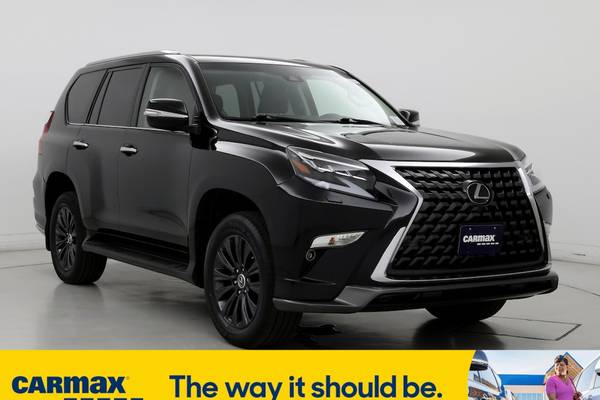
Located in San Diego, CA / 1,958 miles away from Columbus, OH
CarMax values transparency and wants you to love your next car, not settle on it. Certain vehicles may have unrepaired safety recalls. Check nhtsa.gov...
Accident Free Vehicle: No
Personal Use Only: Yes
History Provider: AutoCheck
Title Details: Clean Title
Salvage Vehicle: No
Frame Damage: No
Theft History: No
Lemon Status: No
Free History Report: No
Features and Specs:
16 Combined MPG (15 City/19 Highway)
Listing Information:
VIN: JTJAM7BX8L5251252
Stock: 24908570
Certified Pre-Owned: No
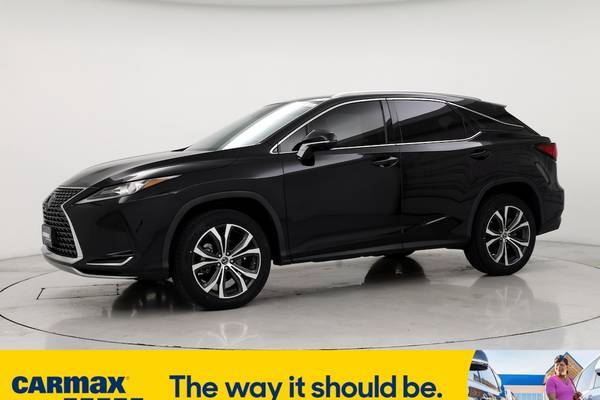
Located in Las Vegas, NV / 1,769 miles away from Columbus, OH
CarMax values transparency and wants you to love your next car, not settle on it. Certain vehicles may have unrepaired safety recalls. Check nhtsa.gov...
AutoCheck Vehicle History Summary Unavailable.
Features and Specs:
23 Combined MPG (20 City/27 Highway)
Listing Information:
VIN: 2T2HZMAA2MC190821
Stock: 25706422
Certified Pre-Owned: No
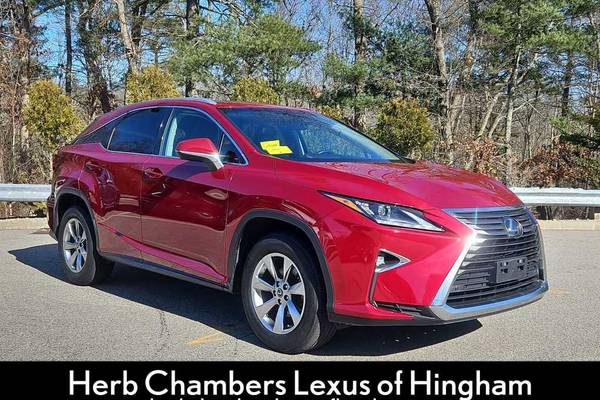
Located in Hingham, MA / 639 miles away from Columbus, OH
INSPECTION COMPLETED Every Herb Chambers Certified pre-owned vehicles receives a complete multi-point inspection by factory trained technicians who in...
Accident Free Vehicle: Yes
Personal Use Only: Yes
History Provider: AutoCheck
Title Details: Clean Title
Salvage Vehicle: No
Frame Damage: No
Theft History: No
Lemon Status: No
Free History Report: No
Features and Specs:
22 Combined MPG (19 City/26 Highway)
Listing Information:
VIN: 2T2BZMCA1JC146193
Stock: DH9563A
Certified Pre-Owned: Yes
Listed since: 03-03-2024

Located in Marietta, GA / 429 miles away from Columbus, OH
LEATHER HEATED COOLED SEATS, SUNROOF, REAR VIEW CAMERA, SMART KEY, PUSH BUTTON START, ANDROID AUTO, APPLE CARPLAY, BLUETOOTH AUDIO STREAMING, SATELLIT...
AutoCheck Vehicle History Summary Unavailable.
Features and Specs:
25 Combined MPG (21 City/31 Highway)
Listing Information:
VIN: JTHCA1D27M5109378
Stock: M5109378
Certified Pre-Owned: No
Listed since: 05-01-2024
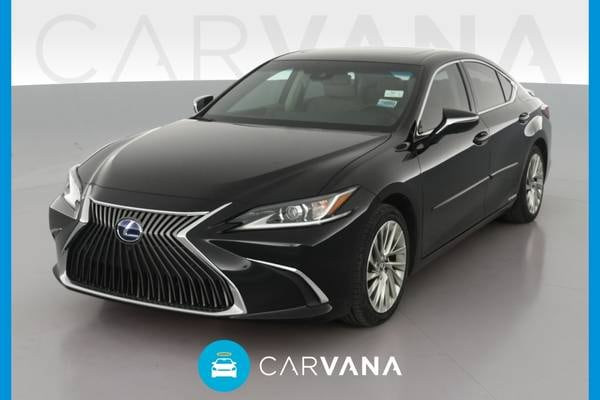
Located in Charlotte, NC / 352 miles away from Columbus, OH
At Carvana, we go miles beyond the extra mile. That's why we provide you with a convenient, fast, and hassle-free car buying experience that puts you ...
Accident Free Vehicle: Yes
Personal Use Only: Yes
History Provider: AutoCheck
Title Details: Clean Title
Salvage Vehicle: No
Frame Damage: No
Theft History: No
Lemon Status: No
Free History Report: No
Features and Specs:
44 Combined MPG (43 City/44 Highway)
Listing Information:
VIN: 58AEA1C10MU004386
Stock: 2002836799
Certified Pre-Owned: No
Listed since: 04-01-2024

Located in Woodbridge, VA / 314 miles away from Columbus, OH
KEY FEATURES AND OPTIONS Comes equipped with: Air Conditioning, Sunroof, MP3. This Lexus LS 460 also includes Power Driver's Seat, Climate Control, Po...
Accident Free Vehicle: No
Personal Use Only: Yes
History Provider: AutoCheck
Title Details: Clean Title
Salvage Vehicle: No
Frame Damage: No
Theft History: No
Lemon Status: No
Free History Report: No
Features and Specs:
18 Combined MPG (16 City/23 Highway)
Listing Information:
VIN: JTHCL5EF9B5011100
Stock: 138976
Certified Pre-Owned: No
Listed since: 04-12-2024
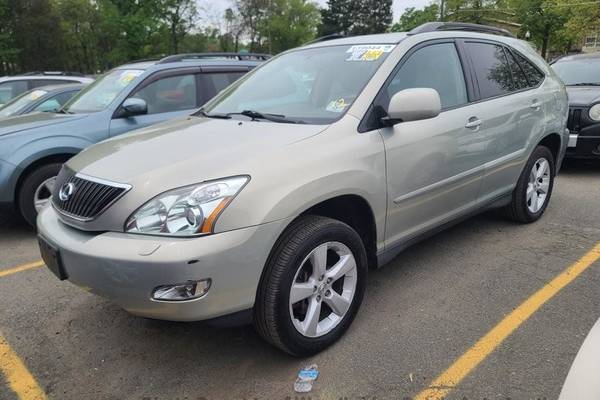
Located in Woodbridge, VA / 314 miles away from Columbus, OH
KEY FEATURES AND OPTIONS Comes equipped with: Air Conditioning. This Lexus RX 330 also includes Power Driver's Seat, Climate Control, Power Passenger ...
Accident Free Vehicle: Yes
Personal Use Only: Yes
History Provider: AutoCheck
Title Details: Clean Title
Salvage Vehicle: No
Frame Damage: No
Theft History: No
Lemon Status: No
Free History Report: No
Features and Specs:
18 Combined MPG (16 City/22 Highway)
Listing Information:
VIN: 2T2HA31U25C086956
Stock: 139044
Certified Pre-Owned: No
Listed since: 04-18-2024

Located in Canton, MA / 628 miles away from Columbus, OH
Blind Spot Monitor, Rear View Camera, Parking Assist, Navigation, Bluetooth Handsfree, Sunroof / Moonroof, Power Liftgate, Leather Seating, Heated Fro...
Accident Free Vehicle: No
Personal Use Only: Yes
History Provider: AutoCheck
Title Details: Clean Title
Salvage Vehicle: No
Frame Damage: No
Theft History: No
Lemon Status: No
Free History Report: No
Features and Specs:
21 Combined MPG (18 City/26 Highway)
Listing Information:
VIN: 2T2BK1BA7FC260159
Stock: A52215
Certified Pre-Owned: No
Listed since: 09-12-2023
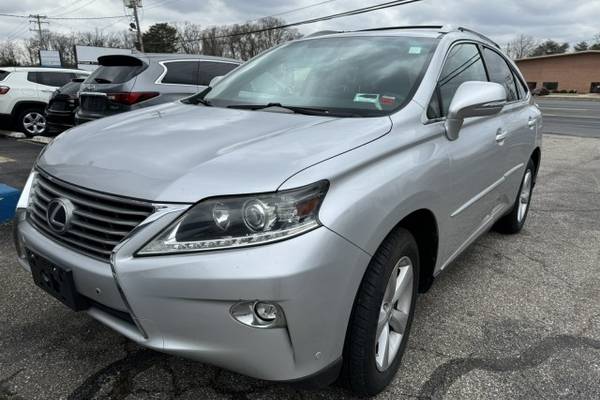
Located in Glen Burnie, MD / 338 miles away from Columbus, OH
Check out this pre-owned 2015 Lexus RX 350 we recently got in. This Lexus RX 350 Crafted Line F Sport defines excellence in an SUV. It has the conveni...
Accident Free Vehicle: No
Personal Use Only: Yes
History Provider: AutoCheck
Title Details: Clean Title
Salvage Vehicle: No
Frame Damage: No
Theft History: No
Lemon Status: No
Free History Report: No
Features and Specs:
21 Combined MPG (18 City/26 Highway)
Listing Information:
VIN: JTJBK1BA3F2472847
Stock: F2472847
Certified Pre-Owned: No
Listed since: 12-30-2023
* Delivery of any kind does not apply to Alaska and Hawaii. Contact the dealer for delivery details, restrictions and costs.